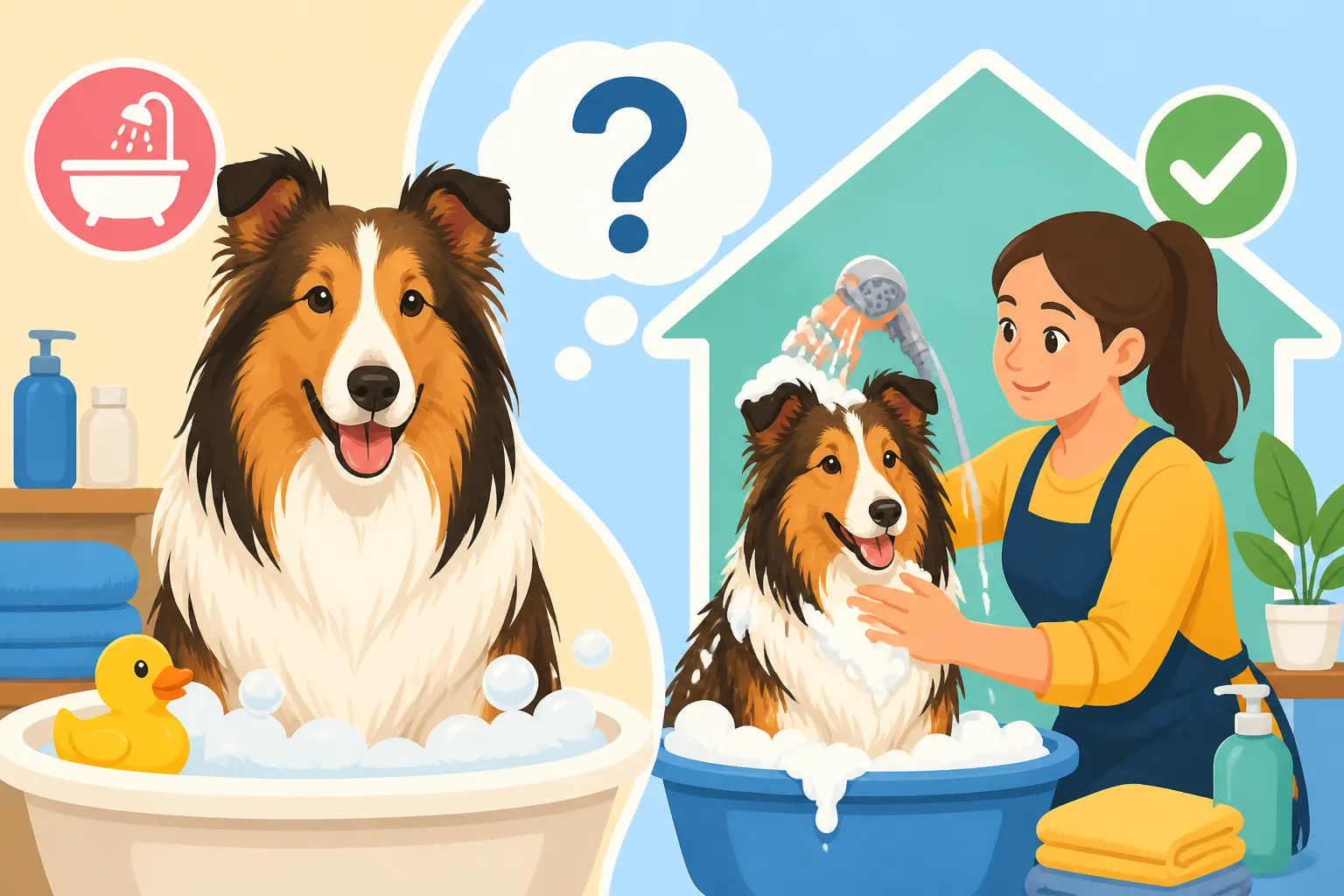
Whether a Collie Can Be Bathed at Home
The thought of bathing your beautiful Collie at home can feel like a monumental task, and if you're picturing a quick splash and towel dry, you're in for a surprise. With their luxurious double coat, Collies present a unique challenge, but with the right approach and tools, it's absolutely something you can tackle yourself. This guide is all about equipping you with the knowledge and confidence to give your Collie a thorough and successful home bath, keeping their coat healthy and your sanity intact.
Preparing for the At-Home Collie Bath
Before you even think about getting your Collie wet, you need a battle plan and the right arsenal of tools. Going into a Collie bath unprepared is like trying to bake a gourmet cake without ingredients – it just won't work, and you'll end up with a mess.
Gathering Your Essential Grooming Supplies
You wouldn't believe how many folks underestimate what goes into properly bathing a dog with a coat like a Collie's. It's not just shampoo and water; it's a whole kit and caboodle!
First and foremost, you need a good quality dog shampoo and conditioner. Please, for the love of all things fluffy, do not use human products on your dog. Their skin pH is different, and human shampoos can strip their natural oils, leading to dry, irritated skin. Look for a shampoo specifically formulated for dogs, perhaps one for sensitive skin if your Collie has any issues, or a deshedding formula if they're blowing coat. Many owners find a wide selection of suitable shampoos and conditioners on sites like Chewy, which often includes professional-grade options.
Next, you'll need brushes and combs. A slicker brush, a pin brush, and a wide-toothed comb are indispensable. You'll use these both before and during the bath, and most importantly, extensively during the drying process. A good dematting comb can also be a lifesaver if your Collie is prone to tangles, though ideally, you'll address all mats before the bath. Neglecting to brush out mats beforehand will only make them tighter and more impossible to remove once wet, turning a small problem into a giant, painful one for your dog.
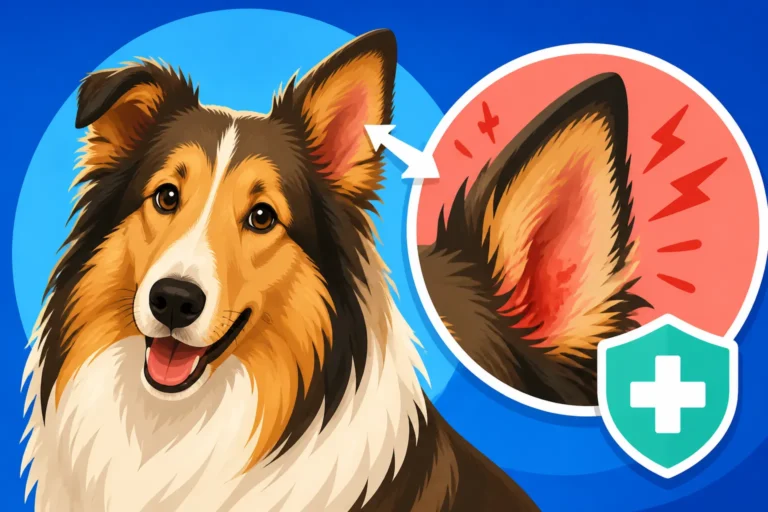
And let's not forget towels – and lots of them! Microfiber towels are excellent because they absorb more water, but any old bath towels will do. You'll also need ear cleaning solution and cotton balls, especially if your Collie is prone to ear infections, and maybe some dog-safe eye wipes to gently clean around their eyes if needed.
| Tool Category | Essential Items | Optional (but Highly Recommended) Items | Purpose |
|---|---|---|---|
| Bathing & Drying | Dog-specific shampoo & conditioner | High-velocity dryer | Cleansing, conditioning, preventing skin issues, quick drying |
| Several large absorbent towels | Grooming table with arm | Removing excess water, providing a comfortable drying surface | |
| Anti-slip mat (for tub) | Detangling spray | Safety, ease of brushing wet coat | |
| Brushing | Slicker brush | Undercoat rake | Removing loose hair, preventing mats, stimulating skin |
| Pin brush | Reaching deeper coat, untangling | ||
| Wide-toothed comb | Checking for missed tangles, fluffing | ||
| Other Care | Cotton balls & ear cleaner | Dog-safe eye wipes | Ear hygiene, protecting eyes during bath |
| Nail clippers or Dremel | High-value treats (e.g., from Ollie) | Nail maintenance (often done before/after bath), positive reinforcement |
Setting Up Your Bathing Space
Finding the right spot for bathing a Collie is half the battle. If you have a small shower or a cramped bathtub, you might find yourself in an awkward wrestling match with a wet, fluffy dog.
Many people use their regular bathtub or a walk-in shower. If you're going this route, make sure to put down an anti-slip mat. A slipping dog can get scared, injure itself, or injure you, and that's not a memory you want to make. You'll also want to protect your walls and surrounding areas from splashing. A shower curtain or old towels draped over nearby surfaces can save you a lot of clean-up later.
If you have access to a utility sink or a large wash tub, that can work for smaller Collies or puppies, but adult Collies usually need more space. For those with outdoor space and warm weather, bathing your Collie outside with a hose can be an option, but be mindful of water temperature – cold water can be a shock! No matter where you decide to bathe, ensure you have easy access to warm water. The last thing you want is for your dog to be shivering in a chilly bath.
Before bringing your Collie into the bathing zone, take them out for a potty break. A full bladder or bowel can lead to accidents during the bath, making an already challenging task even messier. Also, give them a thorough pre-brushing. This is absolutely critical for Collies. Any mats or tangles not removed before the bath will tighten up when wet, becoming significantly harder, if not impossible, to brush out without causing pain or requiring them to be cut out. Don't skip this step! How Often a Rough Collie Should Be Brushed explains the importance of regular brushing.
The Step-by-Step Collie Bathing Process
Alright, you've got your supplies, your space is set, and your Collie has been pre-brushed. It's time to get down to business. Remember to remain calm and speak in a reassuring voice throughout the process. Your Collie can pick up on your anxiety, making them more stressed.
Thorough Wetting
This is often the most challenging part for a double-coated breed like a Collie. Their dense undercoat is designed to repel water, so simply pouring a bucket over them won't cut it. You need to get the water all the way down to their skin.
Start with warm water – never hot or cold. Use a shower sprayer attachment if you have one; it makes this job immensely easier than trying to cup water with your hands. Begin by wetting their feet and legs, slowly moving up their body, speaking gently all the while. Many Collies are wary of the head and face area, so save that for last or use a damp cloth to gently wipe their face. Be extremely careful not to get water directly into their ears or eyes. A bit of cotton in each ear can help prevent water from getting in, which can lead to ear infections.
You will need to spend a good five to ten minutes just saturating their coat, section by section. Really work your fingers through the fur, pressing the water down. You should see the skin beneath the fur glistening with water before you move on. If you apply shampoo to a coat that isn't fully wet, it won't lather properly, and you'll end up using far too much product and not getting a truly clean dog.
Shampooing and Rinsing
Once your Collie is thoroughly soaked, it's time for the shampoo. Many professional groomers dilute their dog shampoo, and it's a great tip for home bathing too. Diluting the shampoo (check the bottle for recommended ratios, often 1 part shampoo to 4-10 parts water) makes it easier to distribute evenly throughout that thick coat and easier to rinse out later.
Apply the diluted shampoo in sections, starting from the neck and working your way down the body. Gently massage the shampoo deep into the coat, ensuring it reaches the skin. Don't forget the legs, belly, and tail! For the face, use a very small amount of shampoo and apply it carefully with your fingertips, avoiding the eyes and mouth.
Now comes the most important part: rinsing. I cannot stress this enough – residual shampoo left in a Collie's dense coat is a recipe for disaster. It can cause severe skin irritation, itching, dryness, and even hot spots. You need to rinse, and then rinse again, and then rinse one more time for good measure.
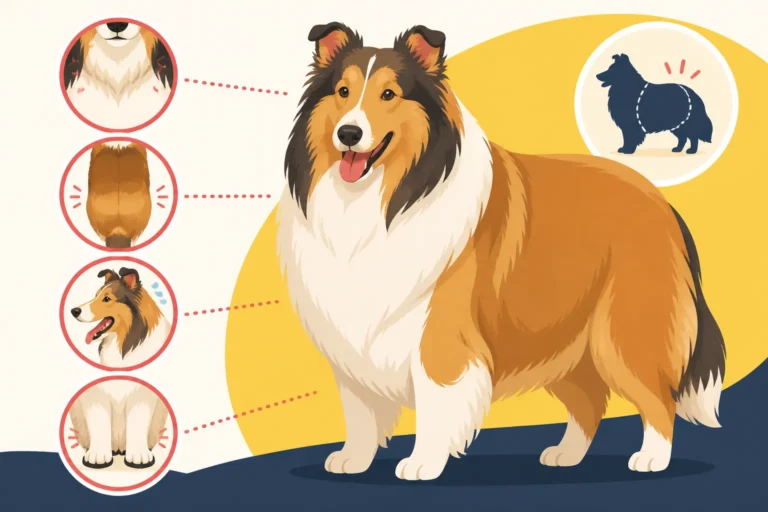
Continue rinsing until the water runs completely clear and you can no longer feel any slipperiness from the shampoo when you run your hands through their coat. Lift up sections of the fur, especially around the neck ruff, armpits, and groin, to ensure all soap is gone. This might take longer than the actual shampooing, so be patient. If you're using a conditioner, apply it now, following the product's instructions for leave-in time, and then rinse just as thoroughly.
The All-Important Drying Process for a Collie
You've made it through the wet part, but the bath isn't over yet. In fact, for a Collie, the drying process is arguably the most crucial step, especially if you want to avoid mats, skin issues, and a perpetually damp dog smell. Air drying a Collie is simply not an option for their thick, double coat. How Long a Collie Takes to Dry is a testament to this challenge.
Towel Drying and Initial Prep
As soon as your Collie is out of the tub, grab those absorbent towels. Gently squeeze and blot the excess water from their coat. Do not rub vigorously, as this can create tangles and mats. Just press the towels against their fur to soak up as much moisture as possible. You'll likely go through several towels.
Once you've removed the bulk of the water, it’s a good time to give their ears a quick clean with the ear solution and cotton balls, especially if you had cotton in there during the bath. This helps prevent moisture from getting trapped, which can lead to infections.
The Power of the High-Velocity Dryer
This is where the game changes for Collie owners. A high-velocity dryer (also known as a force dryer) is not a human hairdryer. It uses powerful, unheated or mildly heated air to literally "force" water out of the coat. It's an absolute must-have for properly drying a double-coated breed. You can find excellent options for these on platforms like Amazon or Chewy. What a Collie Owner Needs a High Velocity Dryer delves into why this tool is indispensable.
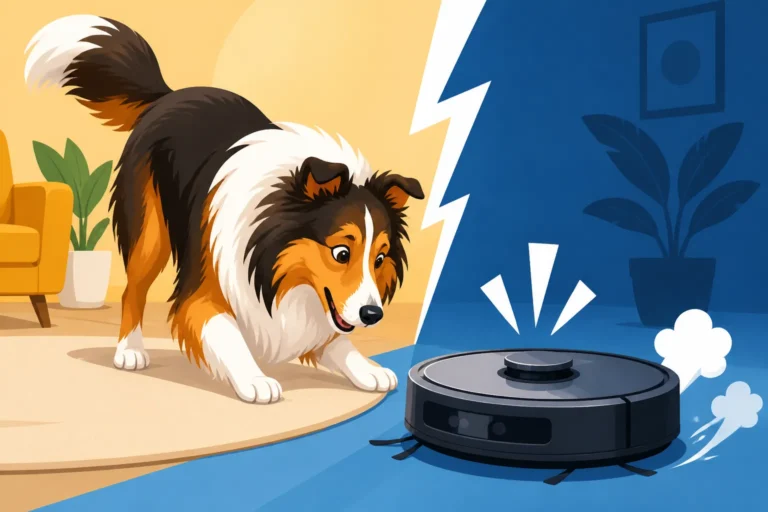
Start by introducing your Collie to the dryer slowly. The noise and air pressure can be intimidating. Start on a low setting and direct the air away from their face at first. Use treats and praise to make it a positive experience. High-value treats, perhaps some of those wholesome, fresh options from services like Ollie, can be a fantastic motivator.
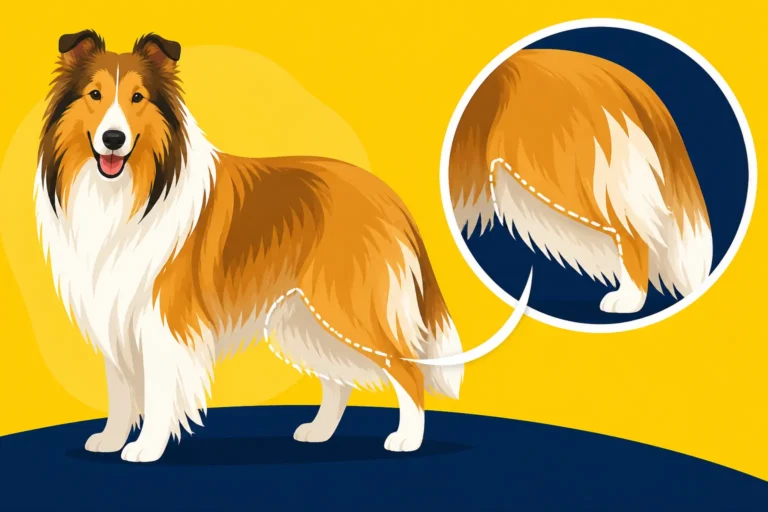
Work in sections, starting from the back of the dog and moving forward. Point the nozzle close to the skin and move it back and forth, lifting the coat as you go. You'll see water literally flying off their fur! As you dry each section, use your slicker brush and pin brush to brush the hair in layers, ensuring the undercoat is fully dry and tangle-free. This line brushing technique is vital. Don't stop until every single strand, from root to tip, is completely dry. Pay extra attention to dense areas like the ruff, armpits, hocks, and tail.
Improper drying is the leading cause of matting, hot spots, and mildew smell in Collies. If the undercoat remains damp, it creates a perfect breeding ground for bacteria and fungi. A fully dried Collie should feel light, airy, and fluffy, with no dampness remaining even if you dig your fingers deep into their densest fur. This might take anywhere from 45 minutes to a couple of hours, depending on your dog's coat and your dryer's power. Patience is key!
Tips for a Stress-Free Bathing Experience
Bathing your Collie at home doesn't have to be a dreaded chore. With a few tricks up your sleeve, you can make it a more pleasant experience for both of you.
Positive Reinforcement and Training
Start introducing your Collie puppy to the bath from a young age. Even if it's just getting their paws wet in the tub, make it a positive experience with lots of praise and treats. The more accustomed they are to the process, the less stressful it will be as an adult.
During the bath itself, keep your demeanor calm and reassuring. Offer small, high-value treats periodically, especially during potentially scary parts like the dryer. If your Collie is particularly anxious, you can even use a lick mat smeared with peanut butter stuck to the side of the tub to distract them. This positive association can make a huge difference in their willingness to participate in future baths.
Managing Mats and Shedding
Regular grooming between baths is paramount for a Collie. A well-maintained coat will make bath time significantly easier and faster. Dedicate time each week to brush out tangles and remove loose undercoat. Whether a Collie's Coat Mats If You Skip a Week highlights the rapid onset of matting if grooming is neglected.
If your Collie is actively blowing coat – which they do twice a year, often in spring and fall – a deshedding shampoo and conditioner, coupled with thorough brushing during and after the bath, can help release that dead undercoat. However, never shave your Collie in an attempt to reduce shedding or make bathing easier. Why a Collie Should Never Be Shaved details the irreversible damage this can do to their coat, affecting its ability to insulate and protect their skin.
Making it Easier on Yourself
Consider investing in a grooming table if you plan to bathe and dry your Collie at home regularly. Having your dog at a comfortable height will save your back and make it easier to reach all parts of their coat for brushing and drying. You can often find great deals on grooming tables or high-velocity dryers on Amazon, along with all the other tools you might need.
Also, schedule bath time when you have plenty of time and aren't rushed. Rushing will only increase your stress and, by extension, your Collie's stress. Choose a day when you can dedicate a few hours to the process, including the extensive drying. Think of it as a bonding experience, a ritual that contributes to your Collie's health and comfort, rather than just another chore.
Bathing a Collie at home is entirely doable, even for first-time owners, provided you come prepared with the right tools, knowledge, and a patient attitude. It's an investment of time, but the payoff is a clean, happy, and healthy Collie, and the satisfaction of knowing you've provided them with the best possible care.
Disclaimer
This article is for general informational purposes only and does not constitute professional advice. Laws, prices and regulations vary by location and change over time. Consult a qualified professional for guidance on your specific situation.