Whether a Collie’s Coat Mats If You Skip a Week
Life with a beautiful Collie is a joy, but let's be honest, that magnificent coat comes with a side of constant vigilance. We've all been there: a week flies by in a blur of work, family, and unexpected errands, and suddenly, you realize you haven't given your sweet furball their usual grooming session. A knot of anxiety forms in your stomach, wondering, "Will my Collie's coat mat if I skip just one week?" This guide is here to tackle that very real, very common worry, explaining exactly what can happen and how to manage it.
The Reality of a Collie's Double Coat and Skipping a Week
It's a question that keeps many Collie owners up at night, especially those with rough-coated varieties: can missing just one week of brushing truly lead to significant matting? The simple, empathetic answer is, yes, it absolutely can. And often, it does. This isn't a judgment on your care; it's just the plain truth about owning a dog with such a dense, luxurious double coat.
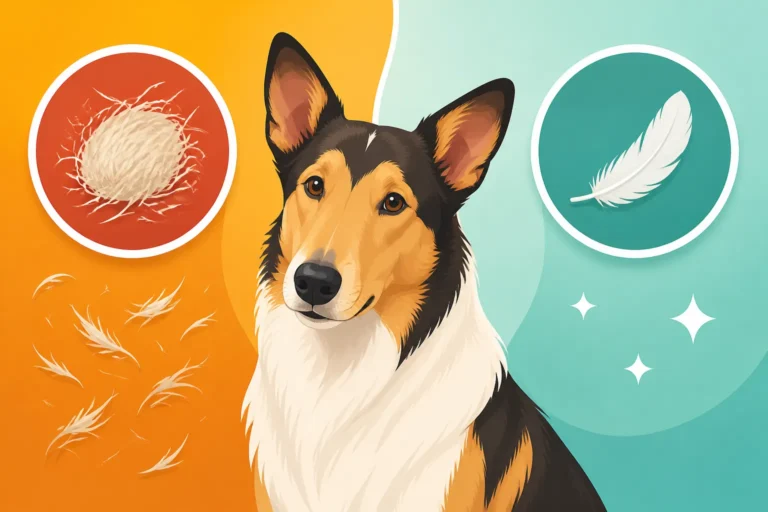
Imagine your Collie's coat not as a single layer of fur, but as a complex ecosystem. You have the long, coarse outer guard hairs that give them their iconic look and protect them from the elements, and underneath, a soft, woolly undercoat that provides insulation. These two layers work together, but they also have a tendency to tangle with each other, especially when shed undercoat gets trapped within the guard hairs instead of being brushed out.
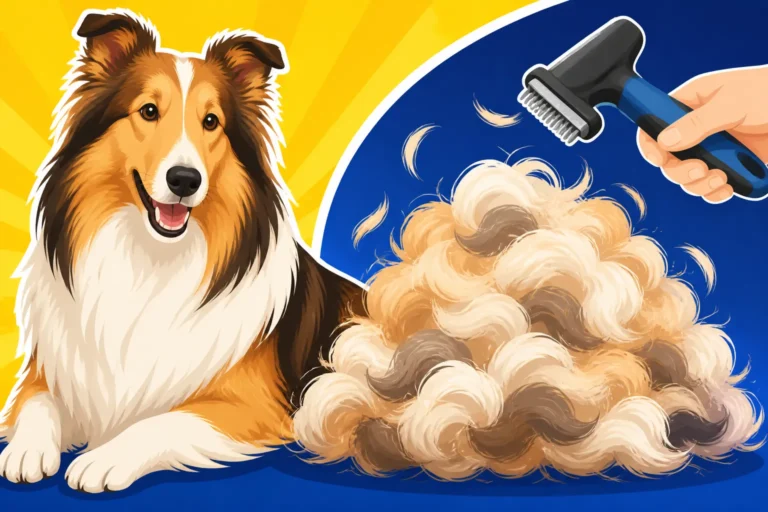
When you skip a week, that shed undercoat doesn't just disappear. It starts to compact, twist, and weave itself into a dense felt, pulling on the healthy skin underneath. Humidity, activity, even just the dog sleeping and rolling can exacerbate the process. What might start as a small tangle on Monday can quickly become a tight, painful mat by Sunday. It's a frustrating reality, but understanding why it happens is the first step in prevention and management. It's not like a dog with a single, short coat where a week might mean a little more shedding on the couch; for a Collie, it can mean the start of real discomfort.
Why Mats Form So Readily in a Collie's Fur
The glorious volume of a Collie's coat is precisely what makes it so prone to matting. It's a blessing and a curse, isn't it? The construction of their double coat, combined with their active nature, creates the perfect storm for tangles to escalate into full-blown mats with surprising speed. It's not just about shedding, either; several factors contribute to this rapid mat formation, turning what seems like a minor oversight into a major grooming challenge.
The Dynamics of the Double Coat
As we touched on, the dual-layer system of a Collie's coat is the primary culprit. The long, protective outer coat acts like a net, catching all the soft, fluffy undercoat that sheds naturally. If these shed hairs aren't systematically removed, they don't fall out; they get trapped. Once trapped, they begin to felt, much like wool does when agitated. This felting process is accelerated by friction – think of your Collie running through brush, rolling on the carpet, or even just scratching an itch. Every movement causes the hairs to intertwine more tightly, creating increasingly dense knots. A little humidity in the air can also make the hairs expand slightly, causing them to cling together more readily, kickstarting the matting process even further. This is why consistent, thorough brushing, known as How to Line Brush a Collie, is so critical.
Hot Spots for Matting
Certain areas on your Collie are particularly notorious for matting because of higher friction, thinner skin, or constant movement. These are the places where even just a few days without attention can lead to trouble:
- Behind the Ears: This is a prime location. The fur here is often finer, and the constant movement of the ears, combined with friction from collars or even just scratching, causes mats to form rapidly and surprisingly tight. These can be particularly painful if they pull on the delicate skin.
- Armpits and Groin: These areas experience high friction from leg movement and are often damp from sweat. The fur here is also softer and more prone to tangling. Mats in these spots can quickly lead to painful skin irritation, rubbing, and even open sores.
- The "Petticoat" and "Frill": The long fur on the chest and belly (the frill) and the rear legs (the petticoat) drapes beautifully but also drags along the ground, collects debris, and experiences constant friction. This means it's constantly picking up burrs, twigs, and general grime that further encourage mat formation. You might want to refer to Mane, Frill and Petticoat: the Parts of a Collie That Mat for more details.
- The Tail: The underside of a Collie's tail, especially at the base, can become a solid mass of felt if neglected. It sweeps, it wags, it collects, and the dense fur here is often overlooked during routine brushing.
- Under the Collar/Harness: Any area where equipment sits consistently creates pressure and friction. Even a well-fitting collar can rub the fur, causing it to tangle and eventually mat into a tight, uncomfortable band right around the neck.
Ignoring these areas for even a week can mean you're not just dealing with loose hair, but actual tight, painful mats that require much more effort and potentially professional help to remove.
Dealing with the Tangled Truth: How to Approach a Matted Collie Coat
So, the week slipped away, and now you're faced with a coat that feels more like a sheepskin rug than your beautiful Collie's fur. It's easy to feel overwhelmed, perhaps even a little guilty, but don't panic. The key is to approach the situation with patience, the right tools, and a realistic understanding of what you can achieve at home versus when it's time to call in a professional. Remember, your Collie's comfort and skin health are paramount.
Assessing the Damage
Before you dive in, take a deep breath and gently assess the extent of the matting. Run your fingers through the coat, starting at the skin, particularly in those hot spots we discussed. Are they small, loose tangles that you can work out with your fingers, or are they tight, felted masses that pull the skin?
- Minor Tangles: If it's mostly loose tangles, you might be able to manage these at home.
- Moderate Mats: These are noticeable knots, perhaps dime to quarter-sized, that you can feel pulling on the skin. They require careful work.
- Severe Matting: If the mats are large, tight to the skin, or cover significant portions of the body, creating a solid "shell" over the skin, this is a job for a professional groomer or even a vet. Attempting to de-mat severe matting at home can be incredibly painful for your dog and can cause skin damage.
Tools and Techniques for Home De-matting
If you've assessed the matting as minor to moderate, you'll need the right arsenal of tools and a good chunk of time. Patience is your most important tool here.
- Gather Your Supplies: You'll need a good quality Which Four Brushes a Collie Owner Needs – typically a slicker brush, a wide-toothed comb, and a mat splitter or de-matting rake. A detangling spray is also invaluable; you can find excellent options on platforms like Amazon or Chewy. Never try to brush a dry, matted coat; it will only cause more damage and pain.
- Section by Section: Don't try to tackle the entire dog at once. Work on one small section at a time. Start with areas that aren't matted to warm up your Collie and get them used to the process, then move to a mildly matted area.
- Apply Detangling Spray Liberally: Spritz the matted area thoroughly. Let it sit for a few minutes to penetrate the fur and help loosen the tangles.
- Work from the Outside In: Never pull directly on a mat. Instead, hold the hair close to the skin with one hand to prevent pulling, and use your mat splitter or the very edge of your slicker brush to gently tease apart the outer edges of the mat.
- Small Strokes, Big Patience: Use short, gentle strokes, slowly working through the mat. If using a de-matting rake, follow the direction of the hair growth. For particularly stubborn mats, you might use the sharp edge of a mat splitter (use extreme caution!) to slice through the mat lengthwise a few times, breaking it into smaller, more manageable sections. This method is detailed in How to Work Out a Mat Behind a Collie's Ear.
- Comb Through: Once the mat feels looser, switch to a wide-toothed comb, working from the ends of the hair, inch by painstaking inch, towards the skin. If the comb snags, go back to the de-matting tool or slicker brush. The goal is to be able to run a fine-toothed comb smoothly from the skin to the tip of the hair.
- Take Breaks: For both you and your Collie. De-matting can be stressful and uncomfortable. Keep sessions short and positive, with plenty of praise and treats.
When to Call a Professional Groomer
There's no shame in admitting that some mats are beyond home remedies. In fact, knowing when to call a professional is a sign of responsible pet ownership.
- Tight, Skin-Level Mats: If the mats are dense and pulled tight against the skin, your Collie is already in pain. Trying to pull these out yourself will only increase their discomfort and can lead to skin abrasions or infections.
- Large Matted Areas: If large sections of the body are matted, a professional groomer has specialized tools and techniques to remove them safely and efficiently, often requiring a full shave-down underneath the mats. Whether a Groomer Charges Extra for a Matted Collie is a valid consideration here.
- Collie's Discomfort: If your Collie is clearly distressed, snapping, or trying to bite when you attempt to touch the mats, stop immediately. A professional can often work with stressed dogs more effectively, sometimes with the vet's help for sedation if absolutely necessary.
- "Shaving is Not an Option" is a Myth Here: While it's generally true that Why a Collie Should Never Be Shaved for aesthetic reasons or cooling, severe matting is the one exception. If the mats are too tight to brush out, the only humane option is to carefully shave them off. A professional groomer is trained to do this safely, minimizing the risk of cutting the skin underneath the tight matting. This isn't just about appearance; it's about relieving pain and preventing severe skin issues.
A good groomer will prioritize your Collie's well-being. They understand the breed's coat and will recommend the best course of action, even if that means a short-term shave to allow the coat and skin to recover, followed by a proper regrowth and maintenance plan.
Preventing Future Matting: A Consistent Grooming Routine
After a harrowing de-matting session, the thought of letting it happen again is probably enough to make you cringe. The good news is that preventing matting, even in a dense Collie coat, is entirely achievable with consistency and the right approach. It’s about building a routine that works for both you and your furry companion, making grooming a positive experience rather than a dreaded chore.
The Power of Daily Brushing (or Close to It)
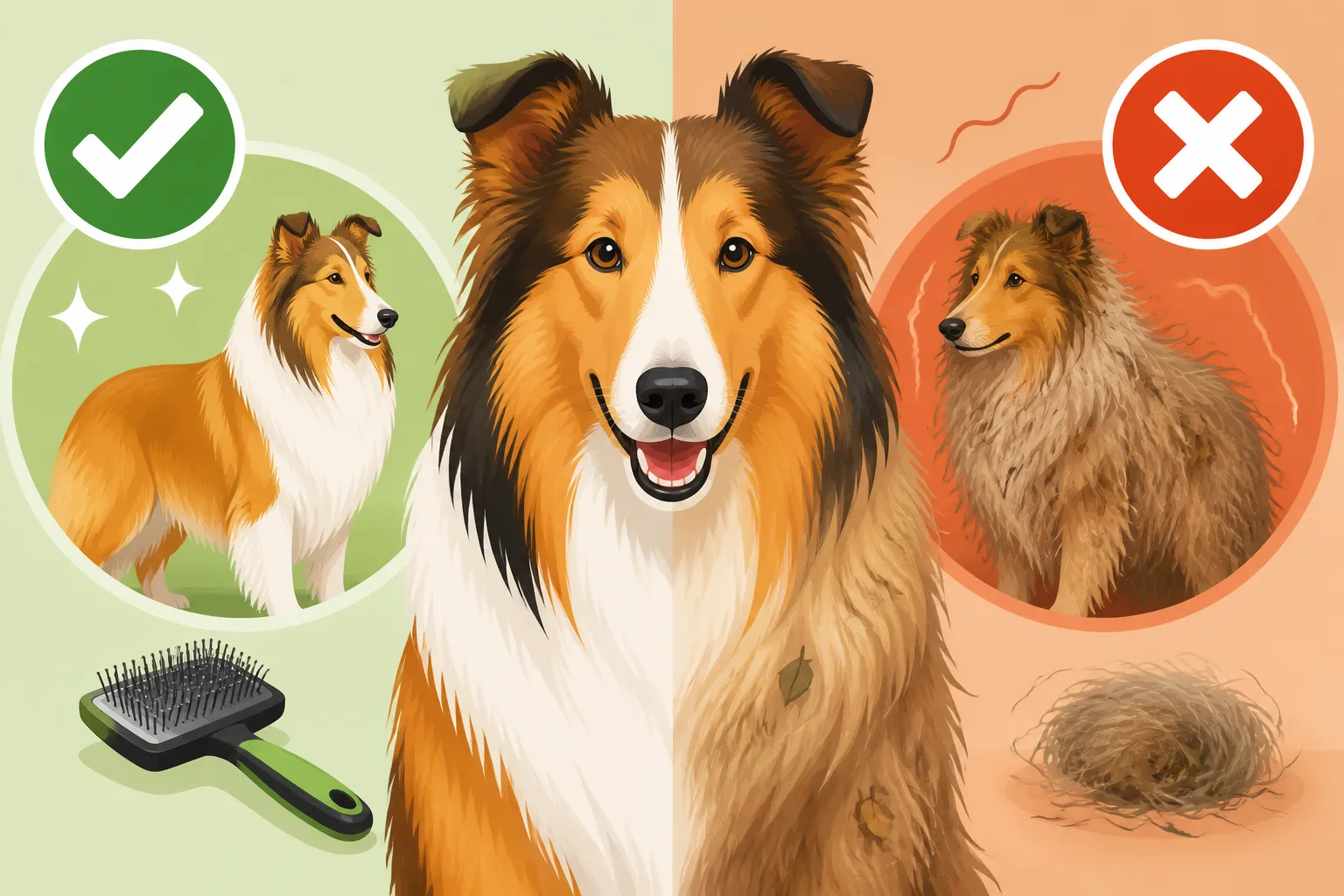
While skipping one week can be problematic, daily brushing is the golden standard for a rough-coated Collie. Aim for at least 15-20 minutes every day, focusing on line brushing to ensure you get all the way down to the skin. This isn't just about removing tangles; it’s about removing shed undercoat before it has a chance to bind. If daily isn't possible, then 2-3 thorough sessions a week, hitting all the potential matting zones, should be your absolute minimum. Think of it as preventative maintenance for their coat and skin health.
During peak shedding seasons, like spring and fall, when your Collie is blowing coat, you might even need to increase brushing frequency. The Three Weeks Twice a Year When a Collie Buries Your House describes just how intense this period can be, and it's when mats form the fastest. A high-velocity dryer, after a bath or even just on a dry coat, can also help blast out loose undercoat, greatly reducing the risk of matting. You can often find professional-grade dryers and other grooming essentials on sites like Chewy or Amazon.
Essential Grooming Tools and Products
Having the right tools makes all the difference in maintaining a mat-free coat. Investing in quality items will save you time and frustration in the long run.
- Pin Brush: Great for general detangling and fluffing the outer coat.
- Slicker Brush: Essential for grabbing and removing loose undercoat, especially in dense areas. Be gentle, as slicker brushes can scratch the skin if used too harshly. This is an important consideration, as Whether a Slicker Brush Scratches a Collie's Skin is a common concern.
- Wide-toothed Metal Comb: Crucial for checking your work and ensuring you've brushed all the way to the skin. If the comb glides through, you're good. If it snags, there's a tangle you missed.
- Undercoat Rake: Designed to penetrate the dense undercoat and pull out loose hair without damaging the topcoat.
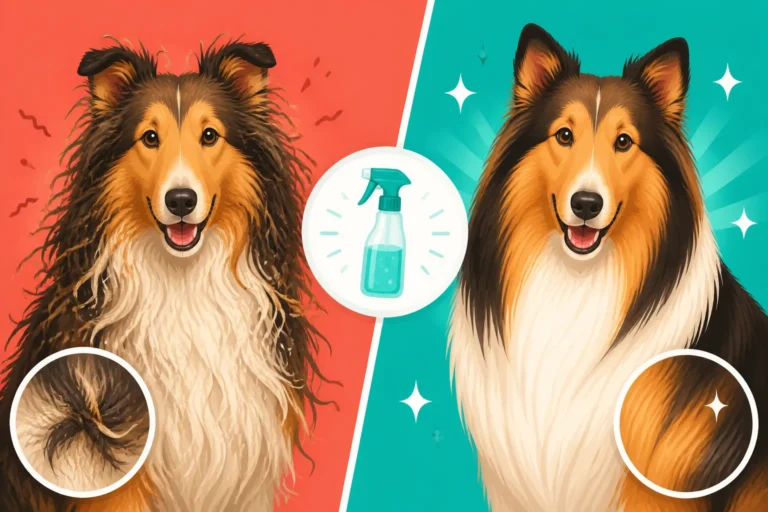
- Detangling Spray or Conditioner: Always use a spray or light conditioner when brushing, especially a dry coat. This lubricates the hair shaft, reducing friction and preventing breakage and static, which can contribute to matting. Whether a Detangling Spray Helps a Collie is a resounding yes!
- High-Quality Diet: Don't underestimate the role of nutrition. A balanced diet, perhaps one of the fresh food options from services like Ollie, can contribute to a healthier, stronger coat that's less prone to breakage and dryness, indirectly helping to prevent matting.
Other Protective Measures
Beyond regular brushing, a few other habits can help keep your Collie's coat pristine:
- Proper Fit for Collars and Harnesses: Ensure your Collie's collar or harness fits correctly and isn't constantly rubbing. Take it off when unsupervised to give the fur a break.
- Regular Baths with Conditioning: A clean coat is less likely to mat. Dirt and oil can make hairs sticky and prone to tangles. Use a dog-specific shampoo and always follow with a good conditioner to moisturize the coat. Ensure your Collie is completely dry after a bath; damp undercoat will mat almost instantly.
- Check After Outdoor Adventures: If your Collie loves exploring the great outdoors, especially through brushy areas, do a quick "burr and twig" check when you get home. These natural elements are notorious for kickstarting mats.
- Professional Groomer Visits: Even if you do most of the grooming yourself, a professional groomer can offer invaluable services. They can address areas you might miss, provide a deep de-shedding treatment, and trim sanitary areas and paw pads, which helps prevent mats in those tricky spots. Consider a visit every 6-8 weeks, especially if your Collie has a very dense coat. This ensures a baseline of good coat health.
By implementing these strategies, you can minimize the risk of severe matting and keep your Collie's coat the showstopper it was meant to be, ensuring they're comfortable and happy, week after week.
Disclaimer
This article is for general informational purposes only and does not constitute professional advice. Laws, prices and regulations vary by location and change over time. Consult a qualified professional for guidance on your specific situation.