Mane, Frill and Petticoat: the Parts of a Collie That Mat
The first time you bring home a magnificent Rough Collie, you're usually captivated by that stunning mane, the flowing frill, and the dramatic petticoat. These aren't just fancy words; they describe specific sections of your Collie's luxuriant double coat that are absolute showstoppers—and unfortunately, prime real estate for mats and tangles. Neglecting these areas can quickly turn your beautiful companion into a matted mess, causing discomfort for your dog and a huge headache for you. This guide will walk you through understanding these unique coat sections, why they mat, and most importantly, how to keep them gloriously tangle-free.
Understanding the Collie Coat: A Double-Layered Wonder
Before we dive into the specific trouble spots, let's take a moment to truly appreciate what makes a Rough Collie's coat so unique and, frankly, so much work. It's not just hair; it's a meticulously designed system that served a vital purpose for their ancestors working in the harsh Scottish highlands. Understanding its construction helps us better care for it.
The Marvel of the Rough Collie's Double Coat
A Rough Collie’s coat is, without a doubt, one of their most defining features. It’s a double coat, meaning it’s composed of two distinct layers, each with its own job. The outer layer consists of long, harsh, straight guard hairs. These guard hairs are water-repellent and provide the first line of defense against the elements—rain, snow, and even harsh sunlight. Think of them as the roof shingles on a house, keeping everything beneath dry and protected. These are the hairs that give your Collie that regal, flowing appearance. They should feel somewhat coarse to the touch, designed for durability.
Beneath this protective outer layer lies the second, equally important part: a soft, dense, and fluffy undercoat. This undercoat is what provides insulation, keeping your Collie warm in winter and surprisingly, helping to regulate their temperature in summer by trapping a layer of cool air next to their skin. It's incredibly fine and abundant, especially around the neck, chest, and hindquarters. While the guard hairs are relatively easy to brush through, it's this incredibly dense undercoat that often causes the most grief when it comes to matting. The health of both these layers is interdependent, and a well-cared-for double coat is essential for your Collie’s comfort and well-being.
Why Mats Form: The Science Behind the Tangles
Mats aren't just random knots; they are formed when shed undercoat gets caught and woven into the surrounding live hair, creating a dense, felt-like clump. Imagine tiny barbed hooks on each hair shaft, catching onto its neighbors. When this happens, especially with the fine, woolly undercoat, it quickly escalates. Several factors contribute to this frustrating phenomenon. Friction is a major culprit. Think about the areas where your Collie's collar rubs, or where they lie down most often, or even where their legs brush against their body. These constant movements create tangles.
Moisture also plays a significant role. If your Collie gets wet—from a bath, rain, or a swim—and isn't thoroughly dried and brushed out, the dampness can cause the hairs to clump together as they dry, creating incredibly tight mats that are almost impossible to brush out later. Static electricity, especially in dry environments, can also make hairs stand on end and cling together, contributing to initial tangles. Finally, and perhaps most significantly, are shedding cycles. Collies shed year-round, but they have two major "coat blows" each year, typically in spring and fall, when they shed an astonishing amount of undercoat. If this dead hair isn't regularly removed, it forms massive mats that can pull on the skin, cause discomfort, and even lead to skin infections. This is why regular and thorough grooming, targeting the undercoat, is so critical. The Three Weeks Twice a Year When a Collie Buries Your House might give you an idea of the scale of this shedding!
The Iconic "Mane" or Ruff: Majestic But Mattery
When you picture a Rough Collie, that proud, fluffy collar around their neck, often called a "mane" or "ruff," is probably one of the first things that comes to mind. It's undeniably beautiful, adding to their regal bearing, but it's also one of the most challenging areas to keep mat-free.
Where the Mane Begins and Ends
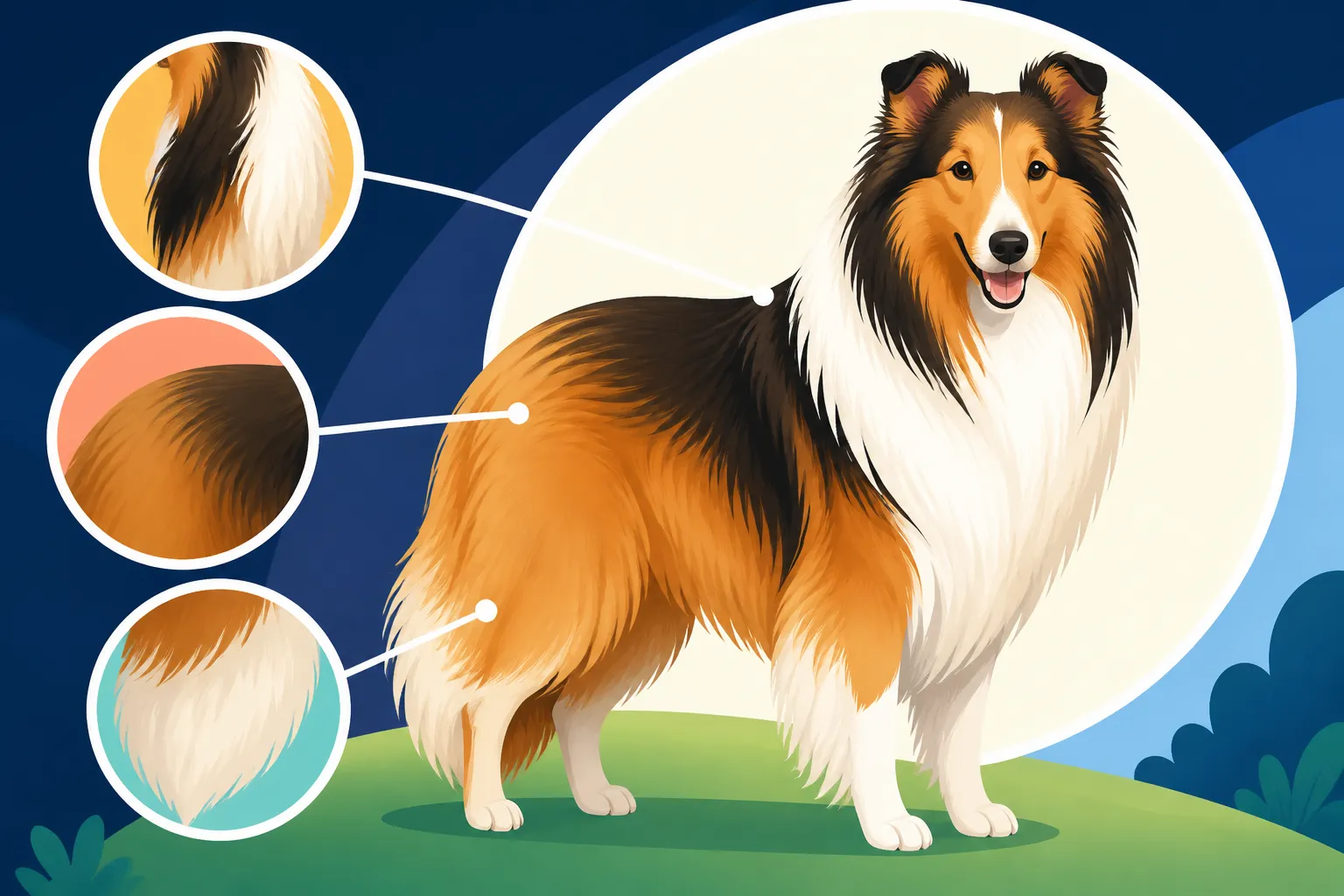
The Collie's mane, or ruff as it's often referred to in breed standards, is that glorious, dense growth of hair that frames their head and neck. It starts just behind the ears, sweeps down around the throat, and extends over the shoulders, blending into the chest hair. On a well-coated Collie, this area creates an impressive, lion-like appearance, especially when they carry their head high. The hair here is particularly long and thick, often combining both the harsh outer guard hairs and a very dense undercoat. It’s designed to protect the neck, a vulnerable area for a herding dog, but its sheer volume and the constant movement of the head and neck make it incredibly prone to matting.
Think about how often your Collie turns their head, scratches behind an ear, or just shakes off water. Every one of these actions contributes to friction and tangling in this area. If your Collie wears a collar, especially a thin flat collar, the constant rubbing against the fur further exacerbates matting. You might find particularly tight mats forming directly underneath the collar line, where the hair is constantly compressed and rubbed. This area also gets a lot of attention from your Collie's paws when scratching, which can turn small tangles into formidable knots quickly.
Tackling Mane Mats: Strategies for a Royal Collar
Keeping your Collie's majestic mane free of mats requires diligent and regular attention. The key is prevention and proper technique. You can't just lightly skim a brush over the top; you need to get deep into that undercoat. Start by using a detangling spray lightly over the area if the coat feels dry or a bit sticky. Then, the most effective method is line brushing. You essentially part the hair, hold it up, and brush a small section at a time, working your way down to the skin. This ensures you're addressing the undercoat, not just gliding over the surface.
For tools, you'll want a good slicker brush for teasing out smaller tangles, followed by a sturdy metal comb, often called a Greyhound comb, to ensure you've gotten all the way through to the skin. Always use the wider teeth of the comb first, then the finer teeth. Be extra gentle, especially behind the ears where the skin is thin and sensitive, and mats can be notoriously tight. When working out a knot, hold the hair close to the skin with one hand to prevent pulling on your Collie’s delicate skin. Consider preventative measures like using a wider, flat buckle collar that distributes pressure more evenly, or even a snood during meal times to keep the frill clean and out of the food bowl. How to Work Out a Mat Behind a Collie's Ear specifically addresses this particularly challenging spot.
The Elegant "Frill": Chest Hair Challenges
Flowing down from the impressive mane, the Collie's "frill" is another stunning, yet often tricky, part of their coat that demands your attention. This area adds to their overall appearance of elegance, but it's constantly exposed to elements that can quickly turn it into a tangled mess.
Defining the Frill and Its Vulnerability
The frill is essentially the profuse hair that covers your Collie's chest and extends down between their front legs. It's a continuation of the mane but often slightly softer in texture and equally abundant. While it might not seem as prominent as the mane, it plays a huge role in completing that classic Collie silhouette. However, its location makes it highly susceptible to matting. Think about how your Collie moves through their day: they lie down, they get up, they walk, they eat, they drink. Each of these activities brings the frill into contact with various surfaces and substances.
When your Collie drinks water, for instance, their frill often drapes into the water bowl, becoming damp. If not dried thoroughly and brushed, this damp hair can quickly clump and mat. Similarly, when they eat, bits of food can get stuck in the frill. If your Collie enjoys rolling on their back or chest, the friction against the carpet, grass, or floor can rapidly knot the delicate undercoat in this area. For particularly active Collies, the constant motion of their front legs rubbing against their chest can also contribute to friction mats. Because it's a large, broad area, it's easy for small tangles to spread and become a large, painful mat before you even notice it.
Keeping the Frill Flowing: Detangling the Chest
Maintaining a beautiful, flowing frill requires a dedicated approach that accounts for its unique challenges. Just like the mane, you can't just skim the surface. Start by gently misting the area with a good quality detangling or conditioning spray to add slip to the hair and reduce static. Then, using a technique similar to line brushing, work in small sections from the bottom of the frill upwards. Use a slicker brush to carefully tease apart any minor tangles, always brushing away from the skin.
Once you've worked through the initial tangles, follow up with a wide-toothed metal comb to ensure you've reached all the way to the skin and removed any remaining hidden knots. For stubborn, small mats, a mat splitter or a seam ripper can be used with extreme caution, always making sure to protect the skin underneath. To prevent future issues, consider having a snood for your Collie to wear during meal times. These simple fabric tubes can keep their long frill and ear feathering out of their food and water bowls, significantly reducing the amount of moisture and food debris that can cause matting. Regular checks of the frill, especially after outdoor adventures or baths, are non-negotiable for a truly tangle-free chest.
The Dramatic "Petticoat": Flank and Hindquarter Woes
Beyond the neck and chest, the Collie’s magnificent coat continues its grandeur across their body, forming what’s often fondly referred to as the “petticoat” around their flanks and hindquarters. This expansive area contributes significantly to the Collie’s elegant profile, but it's also a major hotspot for hidden mats.
The Sweep of the Petticoat and Its Matting Risks
The petticoat describes the abundant, long, flowing hair that grows over the Collie's flanks, hips, and hindquarters, often cascading down towards the hocks. On a well-coated dog, it forms a literal skirt-like effect, adding to their overall impression of substance and grace. This hair is typically very full and can be quite soft, especially the undercoat, which makes it particularly susceptible to matting. Its vast surface area also means there's simply more hair to tangle.
The primary reason the petticoat mats so easily is due to friction and contact with the environment. Every time your Collie sits, lies down, or runs through tall grass, this hair rubs against surfaces and itself, creating tangles. When your Collie rolls on their back or side, the friction is immense, and a perfectly smooth petticoat can become a tangled mess in minutes. Add to this the fact that this area is often the first to pick up burrs, twigs, mud, and other outdoor debris, and you have a recipe for matting disaster. If your Collie enjoys playing in wet grass or going for a swim, the dampness will draw the hairs together, and if not thoroughly dried and brushed out immediately, dense, felt-like mats can form incredibly quickly, becoming painful and difficult to remove.
Maintaining the Petticoat's Grandeur: Preventing Knots Below
Keeping the petticoat pristine requires a methodical and patient approach to grooming. It's a large area, so break it down into smaller, manageable sections. Again, line brushing is your best friend here. Start at the bottom of the petticoat near the hocks and work your way up, parting the hair horizontally and brushing each section from the skin outwards. Use a good quality pin brush to gently work through the outer coat, followed by a slicker brush to address any tangles in the mid-layer, and finally, a wide-toothed comb to ensure you’ve reached the skin.
Don't forget the hair on the insides of the hind legs and around the "britches" area; these spots are notorious for tight, painful mats due to friction and moisture. Be extra vigilant after outdoor adventures. If your Collie has been romping in an area with burrs or sticky seeds, address them immediately. Trying to brush them out when dry can be a nightmare; sometimes a little detangling spray can help loosen them. For heavily matted areas, resist the urge to cut them out with regular scissors, as it's incredibly easy to nick the skin. A professional groomer has the right tools and expertise. Consider dog boots if you frequently walk in areas with burrs or rough terrain to protect the delicate feathering and petticoat. Four Tools and Twenty Minutes: Brushing a Rough Collie and How to Line Brush a Collie offer fantastic guidance on the specific techniques.
The Often-Forgotten Zones: Ears, Armpits, and Feathering
While the mane, frill, and petticoat get a lot of attention (or cause a lot of frustration!), Collies have several other areas where mats love to hide. These spots are often overlooked because they're either less conspicuous or simply harder to reach. Ignoring them, however, can lead to severe discomfort for your dog.
The Delicate Hair Behind the Ears
Ah, the infamous behind-the-ears mat! Any long-haired dog owner knows this spot is a mat magnet, and Collies are no exception. The hair here is typically much finer and softer than the rest of the body coat, almost like baby hair. This delicate texture, combined with the constant movement of the ears, head shaking, and scratching with paws, creates the perfect storm for tight, painful mats to form. These mats can start as small tangles, but because they're often out of sight, they can quickly become dense, felted clumps that pull painfully on the skin.
Working out mats behind the ears requires immense patience and gentleness. Start by using your fingers to try and tease apart the edges of the mat. If it’s very tight, a light mist of detangling spray can help. Never pull directly on the mat. Instead, hold the hair at the base of the mat close to the skin with one hand to prevent skin pull, and use a small, fine-toothed comb or the corner of a slicker brush with the other hand to gently pick at the very tips of the tangle. Work from the outside of the mat inwards, bit by bit. If the mat is too close to the skin or too tight, it's safer to have a professional groomer or your vet handle it, possibly with clippers, rather than risk injuring your Collie. Regular, gentle combing behind the ears, even daily, can prevent these stubborn knots from forming in the first place.
Hidden Mats in Armpits and Groin
These are the truly insidious mats, often going unnoticed until they become severe because they’re in tucked-away, high-friction areas. The armpits (or axillae) and the groin area are constantly subject to rubbing as your Collie walks, runs, and lies down. The skin in these areas is also thin and delicate, making mats particularly uncomfortable and prone to causing skin irritation or even open sores. Additionally, these areas can retain moisture from sweat or dampness, further accelerating mat formation.
Mats in the armpits can restrict your Collie’s movement, making it painful to walk or even stand naturally. They might develop a stiff gait or resist having their front legs handled. Similarly, groin mats can be very painful and interfere with hygiene. To check these areas, you'll need to gently lift your Collie's legs and feel through the fur. If you find a mat, approach it with the same caution as behind-the-ear mats. Try to tease it apart with your fingers or a comb, supporting the skin. If the mat is tight against the skin, it’s often best to let a professional handle it. Prevention involves routinely checking these spots with your fingers and a comb during your regular grooming sessions, ensuring they are dry and clean. Whether a Collie's Coat Mats If You Skip a Week is a good reminder that consistent attention to all these areas is vital.
The Feathering on Legs and Tail
Beyond the main body, the Collie also sports beautiful, longer hair, or "feathering," on the back of their front legs, on their hocks, and along their magnificent tail. While these additions are graceful, they are constantly exposed to the ground and environment, making them another frequent matting zone. The feathering on the legs, for instance, sweeps along the ground as your Collie walks, picking up dirt, burrs, leaves, and any moisture. This debris quickly becomes embedded in the fine hairs, leading to tangles and mats.
The tail, especially a full, flowing Collie tail, is like a giant duster. It collects everything from the ground as your dog wags and walks, and its constant motion adds to the friction. Mats can form quite densely on the underside of the tail and at the base where it meets the body. For leg feathering, regular brushing with a slicker brush and then a comb is necessary. Pay close attention to the hair between the toes and around the paw pads, as small mats here can cause discomfort when walking. For the tail, hold it gently and line brush it, ensuring you get right down to the skin, section by section. Be particularly thorough after muddy walks or romps through brush. A clean, well-groomed tail and feathered legs complete the Collie's elegant appearance and ensure your dog's comfort.
Essential Tools and Techniques for Mat Prevention
Taking care of a Collie's coat isn't just about brushing when you see a mat; it's about having the right tools and mastering the right techniques to prevent those mats from ever taking hold. Think of it as investing in their comfort and your sanity.
Your Grooming Arsenal: Brushes, Combs, and Sprays
Having the correct grooming tools is half the battle when it comes to managing a Collie's magnificent coat. You can’t just rely on a single brush; you need an arsenal designed for double coats. Here’s a breakdown of the essentials:
| Tool | Purpose | How to Use |
|---|---|---|
| Slicker Brush | Removes loose undercoat, breaks up small tangles, fluffs the coat. | Use gentle, outward strokes. Work in layers, careful not to scrape the skin. |
| Pin Brush | General brushing, removes loose surface hair, great for daily use. | Longer pins penetrate the thick coat. Use for overall coat maintenance. |
| Undercoat Rake | Specifically designed to pull out shed undercoat without cutting guard hairs. | Use in the direction of hair growth. Avoid over-raking to prevent coat damage. |
| Wide-Toothed Comb | Detangles larger knots, checks for mats after brushing. | Start at the tips of the hair and work towards the skin. |
| Greyhound Comb | Fine-toothed side for delicate areas (ears, face), wide for general combing. | Excellent for finishing and ensuring no tangles remain. Good for line brushing. |
| Detangling Spray | Conditions coat, reduces static, makes brushing easier, loosens tangles. | Mist lightly over coat before brushing, especially on dry or matted areas. |
| Blunt-Tipped Scissors | Safely cut out stubborn mats as a last resort (with extreme caution). | Always slide a comb between the mat and skin before cutting to prevent nicks. |
You can find all these essentials at your favorite pet supply store or online retailers like Chewy or Amazon. Investing in good quality tools will save you frustration and last for years. Remember, cheap brushes and combs can break hair or be ineffective against a dense Collie coat. Which Four Brushes a Collie Owner Needs provides an even deeper dive into these specific tools.
Mastering the Art of Line Brushing
If there's one technique you absolutely must master as a Collie owner, it's line brushing. This isn't just a fancy term; it's the most effective way to groom a double-coated breed, ensuring you get through both the topcoat and the incredibly dense undercoat right down to the skin. Without line brushing, you're essentially just brushing the top layer of hair, leaving the undercoat to mat against the skin, where it can quickly become a painful, solid mass.
Here’s how to do it:
- Start at the Bottom: Pick a section, usually a leg or the bottom of the petticoat.
- Part the Hair: Using one hand, part the hair horizontally, revealing a strip of skin.
- Brush Upwards: With your other hand, hold the top layer of hair out of the way. Take your slicker brush or pin brush and brush the small, exposed section of hair upwards (against the direction of growth) and then downwards (in the direction of growth), ensuring you feel the bristles touch the skin.
- Comb to Confirm: After brushing that section, use your metal comb to comb through it. If the comb glides smoothly from root to tip, you've done it correctly. If it snags, you still have tangles or trapped undercoat, so go back to brushing.
- Work Your Way Up: Once that section is tangle-free, drop a little more hair from the top layer and repeat the process, slowly working your way up your Collie's body, section by section.
This technique is time-consuming, yes, but it’s incredibly effective. It ensures every single hair is addressed, preventing those hidden mats that cause so much trouble. How to Line Brush a Collie elaborates further on this essential skill.
The Role of Routine and Professional Help
Even with the best tools and techniques, consistency is paramount. A Collie’s coat demands routine care. Ideally, a thorough line brushing session a few times a week is necessary, with daily quick brushes focusing on high-friction areas like the mane, frill, and behind the ears. During coat blows, which happen typically twice a year, you might find yourself needing to brush daily for weeks to keep up with the sheer volume of shedding undercoat. This dedicated time is a bond-building experience for you and your Collie, and it's essential for their health and comfort.
However, sometimes life gets in the way, or mats become too severe, or you simply need a break. That’s when professional groomers become invaluable. A good groomer understands the Collie coat and has specialized tools and techniques, including high-velocity dryers, that can quickly and efficiently remove shed undercoat and address mats that might be beyond your capability. They can also offer deshedding treatments that significantly reduce shedding and potential matting. Don't feel guilty about seeking professional help; it's a responsible part of Collie ownership. Just ensure your groomer is experienced with double-coated breeds and understands the importance of not shaving a Collie, except in extreme, medically necessary circumstances. What a Professional Groom Costs on a Rough Collie can help you budget for this important service.
When Mats Become a Problem: Identifying and Addressing Severe Cases
Despite our best efforts, sometimes mats can still develop, and they can escalate quickly from a minor tangle to a serious health concern. Recognizing when a mat has crossed that line from nuisance to problem is crucial for your Collie's well-being.
Recognizing When a Mat Is More Than a Tangle
A small, loose tangle that you can easily brush out is one thing. A severe mat is entirely another. These aren't just cosmetic issues; they are painful and can lead to significant health problems. A severe mat feels like a hard, dense lump, often close to the skin. It pulls on the skin with every movement your Collie makes, causing constant discomfort. Imagine wearing a tight rubber band around your wrist all day, every day – that's what a mat feels like for your dog.
Beyond the obvious pain, severe mats can cut off air circulation to the skin, creating a damp, warm environment ripe for bacterial and fungal infections, commonly known as "hot spots." They can also restrict blood flow, especially to extremities, and in extreme cases, severe, widespread matting can even make it difficult for your Collie to regulate their body temperature. You might notice your Collie scratching excessively at a matted area, licking it, or trying to chew it out, which can further irritate the skin. They might also become reluctant to be touched in certain areas, or even develop a change in gait if the mats are pulling on their limbs. If a mat is causing your Collie visible pain, tenderness, or changes in behavior, it’s a clear sign it's more than just a tangle and needs immediate attention.
Safely Removing Severe Mats: When to Cut vs. When to Seek Help
This is perhaps the most important warning for any Collie owner: never, ever use household scissors to cut out a severe mat that is tight against the skin. It is incredibly easy to accidentally cut your Collie's thin, delicate skin, leading to a deep laceration that requires veterinary attention and stitches. The skin beneath a mat is often pulled taut, making it almost impossible to tell where the mat ends and the skin begins.
For very stubborn but not skin-tight mats, you might consider a specialized mat splitter or a seam ripper (the kind used for sewing). These tools have a small, curved blade designed to slice through the mat away from the skin. However, even with these tools, extreme caution is necessary. Always try to slide a comb between the mat and the skin first to create a barrier before attempting to cut. For most severe mats, especially those close to the skin or affecting large areas, the safest and most humane option is to take your Collie to a professional groomer or a veterinarian. They have specialized clippers with different blade lengths and techniques to safely remove mats, even shaving down to the skin if necessary. While "shaving a Collie" is generally a no-no due to coat damage, severe matting is one of the rare instances where it becomes a medical necessity to alleviate pain and prevent infection. A Collie Is Never Trimmed and Never Shaved provides more detail on why shaving is usually avoided.
Lifestyle Factors Influencing Matting
Grooming isn't the only piece of the puzzle when it comes to preventing mats. Your Collie's overall health and daily activities also play a significant role in the condition of their coat. Understanding these factors can help you minimize matting and keep their fur in top shape.
Diet and Coat Health
You know the saying, "you are what you eat"? Well, the same goes for your Collie, especially when it comes to their coat. A healthy coat, one that is strong, resilient, and less prone to breakage and matting, starts from the inside out. A high-quality diet, rich in essential nutrients, is absolutely fundamental. Look for dog foods that list a named meat source as the first ingredient and contain a good balance of proteins, fats, and carbohydrates.
Omega-3 and Omega-6 fatty acids are particularly beneficial for skin and coat health. These fats help maintain the skin's natural moisture barrier, reduce inflammation, and promote a shiny, healthy coat with strong hair shafts. You might find these in ingredients like fish oil, flaxseed, or certain poultry fats. Some Collie owners even add a daily supplement, like a fish oil capsule, to their dog's diet to boost these beneficial fatty acids. A well-nourished coat is smoother, less prone to static, and the individual hairs are less likely to intertwine and form mats. Conversely, a poor diet can lead to a dry, brittle coat that breaks easily and mats more readily, making your grooming efforts feel like an uphill battle. Brands like Ollie often emphasize fresh, whole ingredients that contribute to overall canine health, including skin and coat condition. Whether a Collie Needs Supplements for Its Coat delves deeper into dietary considerations for a healthy Collie coat.
Environmental and Activity Considerations
Your Collie's daily environment and activity level can have a huge impact on their coat's matting potential. Simply put, the more exposure to friction, moisture, and debris, the higher the risk of mats.
Let's talk about the great outdoors. If your Collie loves to explore tall grass, dense brush, or muddy puddles, their coat will inevitably pick up burrs, twigs, dirt, and moisture. Burrs, in particular, are notorious for quickly forming tight mats. After any outdoor adventure, especially one involving rough terrain or water, a thorough visual check and a quick brush-through are non-negotiable. Pay extra attention to the feathering on the legs, the petticoat, and the tail.
Indoor factors matter too. Collars and harnesses are necessary for safety, but they are constant sources of friction. Choose wide, flat collars that distribute pressure and consider harnesses that fit well and don't rub excessively, especially in the armpit area. Regularly check the fur beneath these items. Even your Collie's favorite bed can contribute to matting if they consistently lie in the same position, creating friction. Finally, weather plays a role: high humidity can make coats feel heavier and more prone to clumping, while very dry air can increase static electricity, making hairs fly apart and then tangle. Being mindful of these everyday factors can help you adapt your grooming routine and proactively address potential matting triggers. For example, a quick brush-down after a rainy walk can prevent a lot of headaches later.
Disclaimer
This article is for general informational purposes only and does not constitute professional advice. Laws, prices and regulations vary by location and change over time. Consult a qualified professional for guidance on your specific situation.