The Three Weeks Twice a Year When a Collie Buries Your House
If you're a Collie owner, you know the exquisite joy these majestic dogs bring into our lives – their gentle nature, their stunning intelligence, and that magnificent coat. But let's be real: twice a year, that glorious coat transforms into a veritable fur factory, leaving you feeling like you're living inside a giant tumble dryer. This guide is here to walk you through those challenging "coat blow" seasons, offering practical advice and empathetic understanding so you can navigate the fur-nado with grace and sanity.
Understanding the Collie Coat Blow
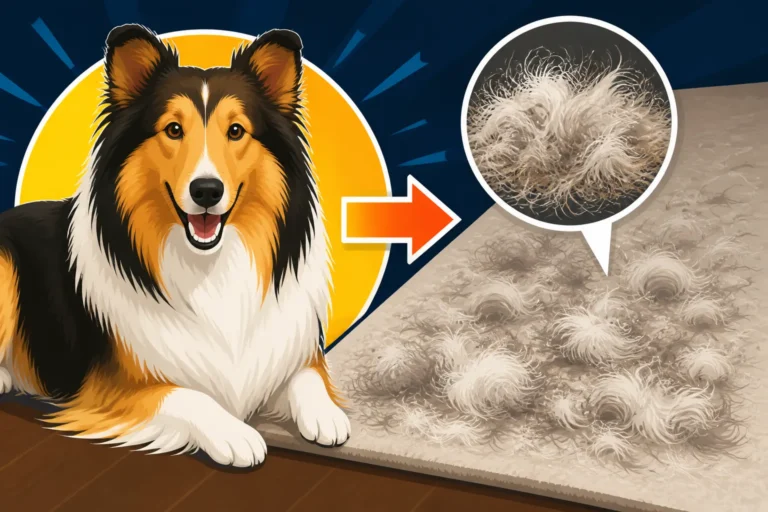
The phrase "blowing coat" might sound dramatic, but if you've ever owned a Collie, you know it's an understatement. It's not just shedding; it's an event. For several weeks, your Collie will shed an astonishing amount of undercoat, leaving tufts of soft, fluffy hair seemingly everywhere. Understanding why and when this happens is the first step to managing it without losing your mind (or your vacuum cleaner).
The Science Behind Seasonal Shedding
Collies, like many double-coated breeds, have evolved to thrive in changing climates. Their coat consists of two distinct layers: a coarse, protective outer coat (or guard hairs) and a dense, insulating undercoat. The undercoat is what keeps them warm in winter and helps regulate their body temperature in summer. When seasons change – typically in spring as temperatures rise, and in autumn as winter approaches – their bodies naturally adapt by shedding the old, no-longer-appropriate undercoat to make way for a new one. This natural cycle is driven by changes in daylight hours and temperature. For an indoor Collie, who might be exposed to artificial light cycles and consistent indoor temperatures, the timing can sometimes be less predictable, but the biological imperative remains. It's their body's way of preparing for what's next, even if what's next for your dog is just another nap on the living room rug.
This isn't a flaw; it's a feature of the breed. It means your Collie is healthy and their coat is doing exactly what it's supposed to do. However, it also means a significant commitment to grooming on your part during these periods. The sheer volume of hair can be shocking, especially for first-time Collie owners. You'll find it clinging to furniture, forming dust bunnies that seem to roll across the floor of their own accord, and even floating in your morning coffee. It's a rite of passage for Collie parents, and while it's frustrating, it's also a testament to the luxurious insulation our dogs possess.
Identifying the Signs of an Impending Coat Blow
So, how do you know when the fur-nado is about to hit? Your Collie often gives you subtle (and not-so-subtle) clues. One of the first signs you might notice is an increase in general shedding, beyond their usual maintenance level. When you pet them, more hair will come away in your hand than normal. You might also start seeing small clumps of hair detaching, particularly around their hindquarters, neck, and behind their ears.
Another indicator is a change in the texture or appearance of their coat. The undercoat might start to look duller or feel thicker and more cottony, indicating it's ready to be released. Sometimes, you'll even see a visible "parting" in the coat, almost like it's separating, as the old undercoat starts to lift away from the skin. If you run your fingers deep into their coat, you might feel the loose, woolly undercoat coming away easily. This is your cue to prepare. Don't wait until your house is already buried in fur; proactive preparation can significantly reduce the chaos. Keep an eye on the calendar, too, for those typical spring and fall windows, but always defer to what your dog's coat is telling you.
Preparing for the Deluge: Pre-Shedding Strategies
Facing a Collie coat blow without a plan is like going into a blizzard without a shovel. You know it’s coming, and you need to be ready. Preparation is key, not just for maintaining your home, but for making the process as comfortable as possible for your dog. A well-prepared owner makes the entire experience less stressful for everyone involved.
Equipping Your Grooming Arsenal
Before the shedding onslaught truly begins, take stock of your grooming tools. You'll need more than just a basic brush during a coat blow. A good slicker brush is excellent for working through the outer coat and initial tangles, but to get to that dense undercoat, you'll need specialized tools. A high-quality undercoat rake is invaluable; it has long, sturdy teeth designed to penetrate the topcoat and pull out loose undercoat without damaging the guard hairs. Look for brands that offer ergonomic handles, as your hand will be getting a workout.
Another fantastic tool is a de-shedding comb with closely spaced teeth, like some of the popular models available on Chewy or Amazon. These are highly effective at grabbing and removing large amounts of dead undercoat. Which Four Brushes a Collie Owner Needs delves into more detail about specific brush types that are essential for Collie care. Remember, you might also want a good wide-toothed comb for checking for mats, especially in those prone areas like behind the ears, under the "frill" on their chest, and on their "petticoat" (the long hair on their hindquarters). Having a complete arsenal ready means you won't be scrambling mid-shed, making the process more efficient and less frustrating for both you and your furry friend.
Home Preparation and Containment
Beyond the brushes, think about your home environment. This is the time to strategically place old towels or blankets in your Collie's favorite napping spots to catch some of the fallout. Consider using washable throws on your couches or chairs. If you have a designated grooming area, prepare it by laying down old sheets or tarps that can be easily gathered and shaken out outside. This helps contain the mess to one area.
Investing in a good quality vacuum cleaner that can handle pet hair is also a wise move. Look for models specifically designed for pet owners, as they often have stronger suction and specialized attachments. You might even consider having a handheld vacuum on standby for quick clean-ups of smaller fur piles. It's also a good idea to brush your Collie outdoors if possible, especially during the heaviest shedding. This prevents a huge amount of hair from ever entering your house in the first place. Create a routine for regular vacuuming and dusting, even more frequently than usual. This proactive approach to home management helps prevent the feeling of being overwhelmed when the shedding reaches its peak.
During the Storm: Managing the Active Coat Blow
Okay, the coat blow is here. The fur is flying. Now what? This is where your preparation pays off, and consistent, diligent effort becomes your best friend. It’s not about doing one massive groom; it’s about a steady, persistent attack on the shedding undercoat to keep it from taking over your life.
The Daily Brushing Regimen
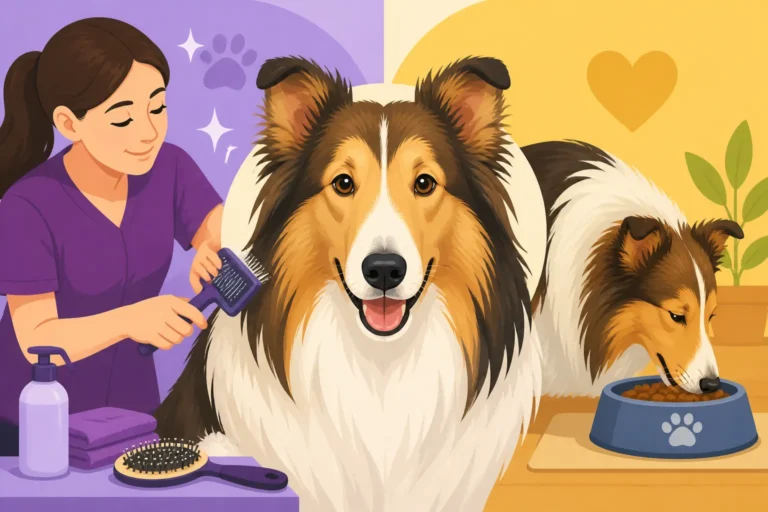
During an active coat blow, daily brushing is non-negotiable. Seriously, it's a daily commitment, sometimes twice a day. The goal isn't just to make your Collie look tidy; it's to remove as much loose undercoat as possible before it falls out naturally and lands on your floor. Start with a pin brush or slicker brush to work through the outer coat, ensuring there are no tangles. Then, move to your undercoat rake. Use light, even strokes, working in sections. You’ll be amazed at the sheer volume of hair that comes out. How Often a Rough Collie Should Be Brushed provides further guidance on a regular brushing schedule, but during these peak times, intensify your efforts.
It’s crucial to brush down to the skin, but gently. You want to get that dead undercoat, but you don’t want to irritate your dog’s skin. Many Collies actually enjoy this attention, especially when done gently, as it relieves the itchiness that can come with shedding. Make it a bonding experience, not a chore. Give plenty of praise and maybe a treat or two. You’ll find that consistent daily effort prevents mats from forming from the shedding undercoat, which can become painful for your dog. This is especially true around the "mane" and "frill" – those areas can quickly become felted if not diligently brushed.
Bathing and Drying for Maximum Impact
A thorough bath and blow-dry can be incredibly effective during a coat blow. The warm water helps to loosen dead hair, and the force dryer (if you have one) literally blows it off your dog. However, this is a multi-step process and not one to rush. First, brush your Collie thoroughly before the bath to remove as much loose hair as possible and any existing mats. Mats become incredibly tight when wet and can be almost impossible to remove.
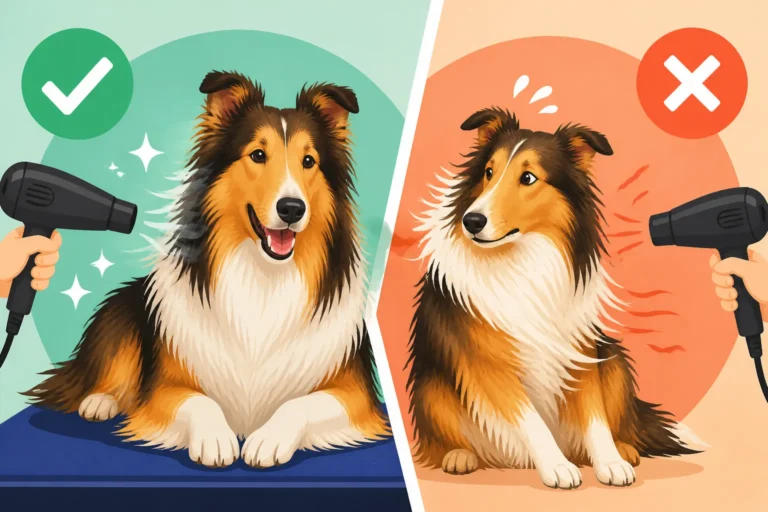
Use a good quality dog shampoo, focusing on getting it deep into the undercoat. Rinse thoroughly, and then rinse again, ensuring all shampoo residue is gone. This is where a high-velocity dryer comes in handy. If you’ve wondered Whether a Collie Needs a High Velocity Dryer, the answer is a resounding YES, especially during a coat blow. These dryers are specifically designed to push water and loose hair out of a double coat, dramatically speeding up drying time and reducing shedding. As you dry, use the force of the air to push the coat in sections, encouraging the loose undercoat to fly out. Be prepared for a huge cloud of fur! If you don't have a force dryer, a regular blow dryer on a cool setting will work, but it will take much longer and be less effective at dislodging hair. Finish with another brush-through to catch any remaining loose hairs.
Specialized Tools for Undercoat Removal
Beyond the standard brushes, there are some specialized tools that can make a real difference during a coat blow. A good quality de-shedding tool, like those offered by brands such as Furminator (widely available on Chewy or Amazon), can be incredibly effective at pulling out dead undercoat. These tools often have fine, short blades or teeth that are designed to reach deep into the undercoat and strip out loose hair without cutting the healthy guard hairs.
However, a word of caution: these tools should be used sparingly and correctly. Overuse or improper technique can damage the topcoat or irritate the skin. Focus on areas where the undercoat is thickest, like the rump, chest, and flanks. Follow the directions carefully, and always be gentle. For some Collies, a simple undercoat rake and a wide-toothed comb might be sufficient, but for those with particularly dense coats, these specialized tools can be a game-changer. Remember, the goal is to remove dead undercoat, not to thin out the entire coat, which is vital for insulation and protection.
Beyond the Brush: Household Management
Even with the most diligent brushing, some fur is inevitable during a Collie's coat blow. This means your household management strategies need to step up a notch to prevent your home from resembling a wool mill. It’s about more than just cleaning; it’s about creating an environment where the fur is manageable, not overwhelming.
Vacuuming and Cleaning Techniques
During those notorious few weeks, your vacuum cleaner becomes your best friend and probably your most-used appliance. Regular, even daily, vacuuming is essential. Pay particular attention to corners, under furniture, and anywhere your Collie likes to lounge. If you have carpet, using a vacuum with good suction and a rotating brush bar is crucial. For hard floors, a stick vacuum or even a robot vacuum (though sometimes they struggle with the sheer volume of Collie hair) can help with daily maintenance. What a Collie's Undercoat Does to a Carpet will make you appreciate a powerful vacuum!
Don't forget to wipe down surfaces frequently. Collie hair has a way of floating and settling on everything – tables, shelves, even your clothes hanging in the closet. A damp cloth or a static duster can work wonders for picking up stray hairs. Regularly clean your vacuum's filter and empty its canister, as Collie fur can quickly clog these up. A clean vacuum is an efficient vacuum. Consider investing in a good quality lint roller (or a bulk pack from Amazon!) to keep your clothes, and your guests' clothes, presentable.
Protecting Furniture and Fabrics
The magnificent Collie coat doesn't just shed on the floor; it loves to adorn your furniture. To protect your sofas, chairs, and even bedding, washable covers are a lifesaver. Look for durable fabrics that are easy to throw into the washing machine. You can find many options on platforms like Amazon or Chewy that are specifically designed for pet homes. Even old sheets or blankets can work in a pinch. The key is to create a barrier between your Collie's shedding coat and your upholstery.
If your Collie is allowed on beds, consider using a duvet cover that can be easily removed and washed. For decorative pillows, choose covers that are also machine washable. For those times when a quick clean-up is needed, a rubber glove or a damp sponge can effectively gather hair from fabric surfaces. Just dampen a rubber glove, wipe it over the fabric, and watch the hair clump up. It's an old trick, but it's surprisingly effective. Being proactive about protecting your fabrics will save you countless hours of trying to de-fur your home.
Air Quality and Allergies
Beyond the visible fur, a coat blow can also impact your home’s air quality. The fine undercoat hairs, along with dander, can become airborne, potentially exacerbating allergies for sensitive individuals in the household. Running an air purifier with a HEPA filter can make a significant difference in trapping these airborne particles. Place it in the room where your Collie spends the most time, or in your main living areas.
Regularly changing your HVAC system's air filters is also important. Pet hair and dander can quickly clog standard filters, reducing their efficiency and recirculating allergens. Look for high-efficiency allergen filters. While you can't stop your Collie from shedding, you can mitigate its impact on your indoor air quality, making the shedding season a bit more comfortable for everyone, especially those with sensitivities. Remember that good ventilation helps too; open windows when weather permits to allow fresh air to circulate, but be mindful of outdoor allergens if you have family members with sensitivities to pollen.
The Smooth Collie: A Different Shedding Experience?
When we talk about Collie coats, most people immediately picture the long, flowing mane of a Rough Collie. But let's not forget their equally charming, though less fluffy, counterpart: the Smooth Collie. While they might seem like a solution to the shedding dilemma, it's important to understand that "smooth" doesn't mean "shed-free."
Smooth Collie Shedding Realities
It's a common misconception that a Smooth Collie doesn't shed much. While they certainly don't produce the majestic drifts of undercoat that a Rough Collie does, they absolutely still shed. They are, after all, still a double-coated breed. Their outer coat is short and dense, and they possess an undercoat that sheds out seasonally, just like their rough-coated cousins. The difference lies in the length of the hair. While the volume of hair shed might be similar, the length of the individual hairs is much shorter, making it less conspicuous.
You won't find the same dramatic "tumbleweeds" of fur with a Smooth Collie. Instead, you'll likely notice a consistent shedding of shorter hairs that can weave themselves into carpets and upholstery with surprising tenacity. Think of it less as a fluffy cloud and more like an endless supply of fine, prickly needles that embed themselves everywhere. Whether a Smooth Collie Sheds Less is a question many consider, and while the visual impact might be less, the reality is that cleaning up after a Smooth Collie still requires effort, especially during their coat blow seasons. The hair tends to stick to fabrics rather than float around, which presents its own unique cleaning challenges.
Grooming a Smooth Collie During a Blow
Even without the long locks, a Smooth Collie still benefits immensely from regular grooming, especially during their coat blows. While you won't need the elaborate array of brushes a Rough Collie demands, a good quality rubber curry brush or a shedding blade can be incredibly effective. These tools help to loosen and remove the dead undercoat and loose guard hairs from their short, dense coat.
Use firm, but gentle, strokes in the direction of hair growth. You'll be surprised at how much hair comes off! Just like with Rough Collies, a bath and a good towel-dry (or even a low-setting blow-dry) can help to loosen the coat. Some Smooth Collie owners find that a damp cloth wiped over the coat daily can also pick up a lot of loose hair, especially if their dog is sensitive to brushing. Regular grooming not only manages shedding but also helps distribute natural oils, keeping their short coat healthy and shiny. So, don't be fooled by the lack of fluff; a Smooth Collie still requires consistent care to keep shedding under control, and a coat blow will still mean an increase in hair around your home.
Nutritional Support for Coat Health
While regular grooming is your frontline defense against shedding, don't underestimate the power of a healthy diet. What goes into your Collie's bowl can have a significant impact on the health and quality of their coat, which in turn, can influence the intensity and duration of their shedding periods.
Essential Nutrients for a Healthy Coat
A shiny, healthy coat starts from within. Your Collie's diet needs to be rich in high-quality protein, which is the building block for hair. Look for dog foods where a named meat source (like chicken, beef, or salmon) is the first ingredient. Beyond protein, essential fatty acids are paramount for coat health. Omega-3 and Omega-6 fatty acids play a crucial role in maintaining skin hydration and elasticity, which supports healthy hair follicles. Sources like fish oil, flaxseed, and certain vegetable oils are excellent. Many premium dog foods, including those offered by brands like Ollie, focus on balanced nutrition that supports skin and coat health.
Vitamins and minerals also contribute to a healthy coat. Zinc, for instance, is vital for skin and hair health, as are vitamins A and E. A deficiency in these nutrients can lead to a dull, brittle coat and excessive shedding. Always ensure your Collie is on a complete and balanced diet appropriate for their age, size, and activity level. If you're unsure, consult your veterinarian for advice on the best nutritional plan. A well-nourished Collie will naturally have a stronger, healthier coat that sheds more efficiently, rather than constantly dropping weak, brittle hairs.
Supplements and Their Role
Sometimes, even with a great diet, a little extra boost can make a difference. Many Collie owners turn to supplements to further enhance coat health, especially if their dog's coat seems dull or they experience persistent shedding outside of typical coat blows. Fish oil supplements, rich in Omega-3 fatty acids (EPA and DHA), are a popular choice. They can significantly improve skin hydration, reduce dryness and flakiness, and promote a shinier, stronger coat. You can find high-quality fish oil supplements for dogs on Chewy or Amazon.
Other supplements like biotin or a comprehensive skin and coat supplement blend might also be considered. However, it's crucial to consult your veterinarian before adding any supplements to your Collie's diet. They can help you determine if a supplement is truly necessary and recommend the appropriate dosage. While supplements aren't a magic bullet to stop shedding entirely, they can contribute to overall coat health, potentially leading to less brittle hair and a more manageable coat blow. Think of them as an extra layer of support, working in conjunction with a quality diet and consistent grooming. Whether a Collie Needs Supplements for Its Coat discusses this in more detail.
When to Seek Professional Help
While most Collie coat blows can be managed at home with diligence and the right tools, there are times when professional help isn't just a luxury, but a wise investment. Knowing when to call in the cavalry can save you time, stress, and even prevent potential health issues for your beloved dog.
The Benefits of Professional Deshedding Services
During a particularly intense coat blow, or if you simply don't have the time or physical ability to tackle the extensive grooming required, a professional groomer can be a lifesaver. Many groomers offer specialized "de-shedding" services that are specifically designed for double-coated breeds like Collies. These services often include a thorough bath with de-shedding shampoo, followed by a powerful force dryer and specialized tools to remove an incredible amount of loose undercoat.
The benefits are numerous. Firstly, groomers have professional-grade equipment that is far more effective than what most home groomers possess, particularly high-velocity dryers. Secondly, they are experienced in handling and grooming Collies, knowing exactly how to work through that dense coat without causing discomfort. And finally, it saves you from the monumental task and the subsequent mountain of fur in your home. While What a Professional Groom Costs on a Rough Collie might seem like an extra expense, many owners find it's well worth it for the reduction in shedding and the relief it provides. Scheduling a professional de-shedding treatment at the beginning of a coat blow can dramatically cut down on the amount of fur you'll deal with at home.
Addressing Underlying Health Issues Affecting Coat Quality
Sometimes, excessive shedding or poor coat quality isn't just about the seasonal blow; it can be a sign of an underlying health issue. If your Collie is shedding year-round at an alarming rate, has bald spots, skin irritation, a dull coat that won't improve with grooming or diet, or if their coat blow seems unusually severe or prolonged, it's time to consult your veterinarian. These symptoms could indicate a range of health problems.
Conditions like hypothyroidism, skin allergies, parasites (like fleas or mites), fungal infections, or nutritional deficiencies can all manifest as poor coat quality and abnormal shedding. Even stress or anxiety can sometimes contribute to hair loss. Your vet can perform a thorough examination, including blood tests or skin scrapings, to diagnose any potential issues. Addressing these underlying health problems is crucial not only for your Collie's comfort and well-being but also for the health and appearance of their coat. Remember, their coat is often a window into their overall health, so pay attention to persistent changes that seem out of the ordinary for a typical coat blow.
Disclaimer
This article is for general informational purposes only and does not constitute professional advice. Laws, prices and regulations vary by location and change over time. Consult a qualified professional for guidance on your specific situation.