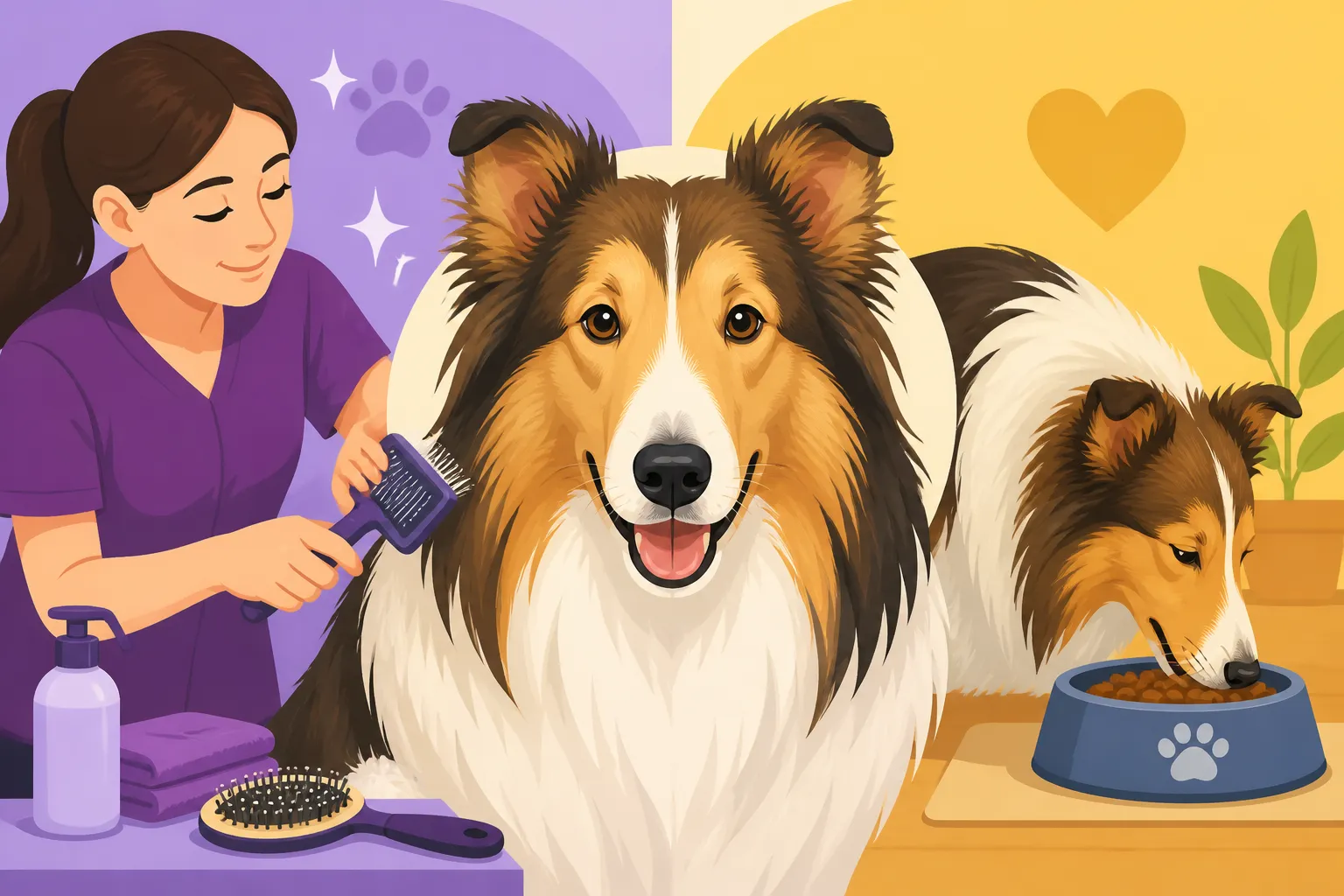
Grooming and Feeding an Old Collie
Watching our beloved Collies gracefully enter their senior years brings a mix of joy from all the memories we've shared and a touch of apprehension as we navigate their changing needs. Suddenly, the grooming routine that was once a lively wrestle becomes a more delicate dance, and meal times shift from gobbling enthusiasm to a thoughtful consideration of what truly nourishes their aging bodies. This guide is here to walk you through how to compassionately adapt your care routines, ensuring your senior Collie remains comfortable, healthy, and happy in their golden years, addressing everything from their thinning coat to their sensitive stomachs.
Understanding the Senior Collie's Unique Needs
Just like us, our Collies experience a range of physical and sometimes emotional shifts as they age. It's not a switch that flips overnight, but a gradual transition that requires us to be observant and responsive. Their youthful exuberance might give way to a slower pace, and the once endless energy might be replaced by a preference for cozy naps. Recognizing these subtle changes is the first step in providing the tailored care they now deserve.
Recognizing the Signs of Aging
It's easy to dismiss a little stiffness or a longer nap as just "getting old," but these can be key indicators that your Collie is entering their senior phase. Typically, a Collie is considered senior around the age of seven or eight, though some may show signs earlier or later. You might notice their muzzle starting to silver, their eyes becoming a bit cloudy, or a general slowing down on walks. They might not greet you with the same boisterous leaps, preferring a gentle wag and a lean instead. Subtle changes in hearing or vision can also occur, making them a little less confident in new environments or when approached from behind. Keep an eye out for how their personality subtly shifts – perhaps they become more attached, or a little more reserved. Understanding these initial signals allows you to proactively adjust their daily life. You might find it helpful to read The Age a Collie Is Considered Senior for more insights into this transition.
The Impact of Age on Mobility and Stamina
One of the most profound changes in an aging Collie is the impact on their physical capabilities. Their joints might start to ache, making stairs a challenge or long walks a distant memory. Conditions like arthritis or hip dysplasia, though present earlier, can become more pronounced, causing discomfort and limiting movement. You might observe them struggling to get up from a lying position, favoring a particular leg, or having less enthusiasm for their favorite games. Their stamina will also naturally decrease; what was once a brisk mile might now be a leisurely stroll around the block. It’s crucial not to push them beyond their comfort zone. Instead, offer shorter, more frequent outings and plenty of opportunities for gentle exercise, such as slow, steady walks on soft surfaces. Providing ramps or steps for furniture access can also make a huge difference in their daily comfort and independence. Remember, even if they aren't running marathons, mental stimulation is still incredibly important.
Mental and Emotional Changes in Older Collies
Aging isn't just physical; it also affects a Collie's cognitive and emotional well-being. Some senior Collies may experience cognitive dysfunction syndrome (CDS), akin to canine dementia. This can manifest as disorientation, altered sleep-wake cycles, changes in interaction with family, or house-soiling accidents. They might stare blankly at walls, forget commands they once knew, or seem confused about their surroundings. Emotionally, some Collies may become more anxious or clingy, seeking reassurance more frequently, while others might become more irritable or less tolerant of changes in routine. Loud noises or unfamiliar people might startle them more easily. It's heartbreaking to see these shifts, but approaching them with patience and understanding is vital. Maintaining a consistent routine, providing gentle reassurance, and engaging them in low-impact mental exercises, like puzzle toys or simple scent games, can help keep their minds sharp and their spirits up. Sometimes, just having you near is the best medicine. Understanding Whether an Old Collie Gets Confused at Night can provide more context on these mental changes.
Adjusting Grooming Routines for the Aging Collie
Grooming a Collie has always been a significant undertaking, given their magnificent double coat. As they age, this task doesn't necessarily become easier, but it certainly shifts in approach. What was once about maintaining pristine show-ring perfection might now be more about comfort, hygiene, and detecting any underlying health issues. The key is gentleness, patience, and adapting to their declining mobility and increasing sensitivities.
Gentle Brushing Techniques
A senior Collie's coat can undergo several changes; it might thin in some areas, become coarser, or even mat more easily if not regularly maintained. Brushing is paramount, but the way you do it needs to change. Gone are the days of quick, vigorous brushing sessions. Now, it's all about gentle, shorter sessions, perhaps even splitting them into multiple mini-sessions throughout the day to avoid tiring your dog. Use softer brushes, like a good quality pin brush with rounded tips or even a soft slicker brush used very lightly. Focus on line brushing, carefully separating sections of hair and brushing from the skin out to avoid pulling. Pay extra attention to areas prone to matting, such as behind the ears, under the legs, and the "petticoat" area. If your Collie shows any sign of discomfort, stop and reassess. Their joints might be aching, making certain positions painful. Consider letting them lie down on a soft mat while you brush, rather than forcing them to stand. How Often a Rough Collie Should Be Brushed might recommend a certain frequency for younger dogs, but for seniors, listen to your dog.
Managing Mats and Tangles with Care
Mats and tangles can quickly become a serious problem for older Collies, especially if they have reduced mobility and spend more time lying down. These mats can pull on their sensitive skin, cause discomfort, harbor bacteria, and even hide skin infections. When you encounter a mat, resist the urge to yank or aggressively pull it out. Instead, gently work through it using your fingers, a metal comb with wide teeth, and a detangling spray. Apply the spray directly to the mat and allow it to soak in for a few minutes to loosen the hair. Then, carefully tease apart the mat in small sections, starting from the outer edge and working inward. If a mat is too tight or too close to the skin, it might be safer to carefully cut it out with blunt-nosed scissors, always pointing away from the skin, or better yet, seek professional grooming help. A professional groomer experienced with senior dogs can often remove mats with less stress and risk of injury to your Collie. Regular, gentle brushing is the best preventative.
Adapting Bathing for Comfort
Bathing an older Collie can be a tricky proposition. Their balance might not be as good, they might be more sensitive to cold or loud noises, and standing for extended periods can be painful. When bathing, prioritize their comfort and safety. Use a non-slip mat in the tub or shower to prevent falls. Ensure the water temperature is comfortably warm, not hot or cold. Use a gentle, tear-free shampoo designed for sensitive skin, as their skin can become drier and more delicate with age. Instead of standing them, you might find it easier to bathe them while they are sitting or even lying down, if practical. Keep the bathing process as short and stress-free as possible. After bathing, drying thoroughly is crucial to prevent skin issues. A high-velocity dryer can still be used, but on a lower setting and held further away to minimize noise and pressure, and always checking their comfort level. Air drying is often a gentler option if time allows, but ensure they are kept warm to avoid chills. Don't forget to dry thoroughly around their ears and between their toes.
Tackling Common Coat Challenges in Older Collies
A Collie's coat is their crowning glory, but with age, it can present new challenges. What was once a thick, lustrous mane might become thin, brittle, or prone to specific skin issues. These changes aren't just cosmetic; they can be indicators of underlying health concerns and require our diligent attention to keep our senior companions comfortable.
Changes in Coat Texture and Thickness
As Collies age, their beautiful double coat often changes. You might notice that the plush undercoat thins out, making them less insulated and more susceptible to temperature fluctuations. The topcoat can become coarser, more brittle, or even feel greasy in some areas, while being dry and sparse in others. This isn't unusual, but it does mean their coat is less resilient and more prone to breakage or matting. Their skin also becomes thinner and more fragile, making them more prone to bruising or irritation during brushing. Hormonal changes, nutritional deficiencies, or certain medical conditions can contribute to these coat alterations. Keeping them on a high-quality diet and ensuring regular, gentle grooming can help maintain the best possible coat health. It's also worth noting that changes in coat texture can sometimes be a sign of endocrine issues like thyroid disease, which is something your vet might want to check. What Changes in an Old Collie's Coat can offer more specific details on these transformations.
Dealing with Dry Skin and Dull Coat
Dry, flaky skin and a dull, lackluster coat are common complaints in senior Collies. This can be caused by a variety of factors, including reduced natural oil production, dehydration, dietary deficiencies, or environmental factors like dry air. The skin can become itchy, leading to excessive scratching, which in turn can create hot spots or secondary infections. To combat dry skin, ensure your Collie is well-hydrated. Consider adding a high-quality omega-3 fatty acid supplement, like fish oil, to their diet. Many reputable pet food brands, including those found on Chewy or Amazon, offer supplements specifically formulated for skin and coat health. A moisturizing shampoo and conditioner designed for dogs with dry skin can also provide relief, but be sure to rinse thoroughly to avoid leaving residue that can irritate the skin. Brushing regularly helps distribute natural oils, but if the skin is excessively dry, a leave-in conditioner or a vet-recommended topical moisturizer might be beneficial.
Identifying and Addressing Skin Issues
Older Collies are more susceptible to a range of skin issues that can hide beneath their voluminous coats. Beyond dryness, you might encounter sebaceous cysts, benign tumors (lipomas), warts, or other skin growths. These should always be checked by a veterinarian. Skin infections, both bacterial and fungal, can also occur more frequently, especially in damp areas or where mats have formed. Allergies, which can develop or worsen with age, might manifest as red, itchy skin, hot spots, or recurring ear infections. Pay close attention during grooming for any unusual lumps, bumps, redness, or scabs. If you notice any persistent scratching, licking, or chewing at a particular spot, investigate carefully. Early detection is key for effective treatment. A regular vet check-up, perhaps twice a year for seniors, is vital for catching these issues before they become severe.
Modifying Diet for the Senior Collie's Health
Just as their grooming needs shift, so too do the dietary requirements of an aging Collie. Their metabolism slows down, their activity levels decrease, and their digestive system might not be as robust as it once was. Transitioning to a diet specifically formulated for senior dogs can make a profound difference in their overall health, energy levels, and comfort.
Choosing the Right Senior Dog Food
When your Collie transitions into their senior years, their nutritional needs change significantly. They often require fewer calories to maintain a healthy weight due to decreased activity, but they still need high-quality protein to maintain muscle mass. Senior dog foods are typically formulated with lower fat and calorie content, and often contain added fiber to aid digestion. Look for foods that list a high-quality meat source as the first ingredient and avoid excessive fillers. Some older Collies might also benefit from increased omega-3 fatty acids for joint and cognitive health, as well as antioxidants to support their immune system. Brands like Ollie offer fresh, customized meal plans that can be particularly appealing for seniors, or you can find excellent senior-specific kibble options on Chewy from various reputable manufacturers. It's not just about switching to "senior food" – it's about choosing the right senior food for your individual Collie's needs. Consulting your veterinarian about the best nutritional profile for your dog is always a smart first step.
Managing Weight and Caloric Intake
One of the most common challenges with aging Collies is managing their weight. With reduced activity levels, it's easy for them to pack on extra pounds, which puts unnecessary strain on their joints, heart, and other organs. However, some older Collies can also become underweight if they lose appetite or have underlying health issues. Monitoring their weight regularly is crucial. You might not be able to see their ribs easily under that magnificent coat, but you should be able to feel them without pressing too hard. Signs a Collie Is Overweight Under All That Coat gives more details on how to tell. If your Collie is gaining weight, gradually reduce their caloric intake and increase gentle exercise. If they are losing weight, discuss this with your vet, as it could signal dental problems, kidney disease, or other medical conditions. Senior dog food is a good starting point, but adjust portion sizes based on your Collie's individual metabolism and activity level. Remember to account for any treats when calculating daily calories, perhaps swapping high-calorie options for healthier, low-fat alternatives.
Hydration is Key for Older Collies
Proper hydration is critically important for senior Collies, often even more so than for younger dogs. Aging kidneys can become less efficient, and older dogs may not feel thirst as readily. Dehydration can exacerbate existing health conditions, contribute to constipation, and make them feel generally unwell. Ensure your Collie always has access to fresh, clean water in multiple locations around the house. Consider adding extra water bowls, or even a pet fountain, which can encourage some dogs to drink more. If your Collie isn't drinking enough, you can try adding a little low-sodium chicken or beef broth (check ingredients carefully for onion or garlic) to their water bowl to entice them, or incorporate wet food into their diet. Soaking their dry kibble in water before serving can also boost their fluid intake. Pay attention to how much they're drinking – a sudden increase or decrease can be a sign of a health issue, such as diabetes or kidney disease, and warrants a vet visit.
Addressing Special Dietary Considerations and Supplements
Beyond the basics of senior dog food, many older Collies can benefit from targeted dietary adjustments and supplements to support specific aspects of their aging health. These aren't magic bullets, but carefully chosen additions can significantly improve their quality of life, addressing common senior ailments like joint pain or cognitive decline.
Supporting Joint Health
Joint pain is an all too common companion for older Collies, particularly with their predisposition to conditions like hip and elbow dysplasia. Look for senior dog foods that are fortified with glucosamine and chondroitin, which are natural compounds that support cartilage health. If their food doesn't contain sufficient amounts, or if your Collie is showing significant signs of stiffness or pain, your vet might recommend a separate joint supplement. Many brands offer palatable chews or powders that can be easily added to their food. Omega-3 fatty acids, particularly EPA and DHA found in fish oil, are also powerful anti-inflammatories that can help reduce joint pain and improve mobility. When choosing a supplement, look for reputable brands and discuss dosages with your vet. Regular, gentle exercise also plays a crucial role in keeping joints mobile and muscles strong. Consider reading Whether a Collie Needs Joint Support From Middle Age for more in-depth information.
Boosting Cognitive Function
Just as we might reach for a sudoku puzzle to keep our minds sharp, there are dietary approaches to support cognitive function in aging Collies. Some senior dog foods now include ingredients like antioxidants (vitamins E and C), L-carnitine, and omega-3 fatty acids specifically for brain health. Medium-chain triglycerides (MCTs), often found in coconut oil, are another supplement that some owners and vets explore, as they can provide an alternative energy source for the brain. If your Collie is showing signs of cognitive decline, such as disorientation or changes in sleep patterns, discuss these symptoms with your vet. They might suggest specific supplements or even prescription diets formulated to support brain health. Mental stimulation through puzzle toys and short, positive training sessions also plays a vital role in keeping their minds engaged and active.
Digestive Sensitivities and Solutions
An older Collie's digestive system can become more sensitive, leading to issues like constipation, diarrhea, or increased gas. This can be due to a slower metabolism, changes in gut flora, or reduced digestive enzyme production. Senior dog foods often contain higher levels of digestible fiber and sometimes prebiotics or probiotics to support a healthy gut microbiome. If your Collie frequently experiences digestive upset, a bland diet might be temporarily needed, and a probiotic supplement (available from Chewy or Amazon, but consult your vet for recommendations) can help restore gut balance. Smaller, more frequent meals can also be easier on their digestive system than one or two large meals. Ensure they are well-hydrated, as dehydration is a common cause of constipation. If digestive issues persist, or if you notice blood in their stool or severe vomiting, always seek veterinary attention immediately, as these could be signs of a more serious underlying condition.
Practical Tips for Comfortable Grooming and Feeding
Making grooming and feeding a pleasant experience for your senior Collie is about more than just technique; it's about creating an environment that respects their age-related challenges and fosters comfort and trust. Small adjustments can make a world of difference in their daily well-being.
Creating a Calm Grooming Space
Grooming can be stressful for any dog, but especially for an older Collie who might be in pain, have reduced mobility, or be more sensitive to noise and handling. Choose a quiet, familiar spot in your home where your Collie feels safe and relaxed. Lay down a soft, non-slip mat or blanket where they can comfortably lie down or stand. Have all your tools ready before you start, so you don't have to leave them alone. Use soft, encouraging tones and keep the sessions short and positive, ending before they show signs of fatigue or discomfort. Offering their favorite low-calorie treats throughout the process can help create a positive association. If standing is difficult, consider a grooming table with a non-slip surface and a supportive sling, or even groom them while they are resting on the floor or a sofa. The goal is to make grooming a bonding experience, not a chore.
Ergonomic Feeding Solutions
Feeding an older Collie also benefits from thoughtful ergonomic adjustments. Bending down to eat from a floor-level bowl can be uncomfortable or even painful for a Collie with arthritis or joint issues in their neck or back. Elevated food and water bowls can make mealtime much more comfortable, allowing them to eat in a more natural, upright posture. Adjustable-height feeders are excellent as you can find the perfect height for your dog. Make sure the bowls are sturdy and don't slide around, which can add to their stress. If your Collie has vision or cognitive impairment, always place their bowls in the same, easily accessible spot. Consider a slow feeder bowl if they tend to eat too quickly, as this can help prevent bloat, a serious concern for deep-chested breeds like Collies. Why a Collie's Chest Shape Raises Bloat Risk provides more information on this. If their appetite wanes, try warming their food slightly to enhance the aroma or adding a tasty, vet-approved topper.
Regular Health Checks at Home
Beyond formal vet visits, you, the dedicated Collie owner, are the first line of defense in monitoring their health. Incorporate brief, gentle health checks into your daily grooming and petting sessions. Feel along their body for any new lumps, bumps, or tender spots. Gently check their ears for redness, odor, or discharge, and look into their eyes for any cloudiness, redness, or discharge. Check their teeth and gums for signs of dental disease – foul breath, red gums, or excessive tartar build-up. Examine their paw pads for cracks, sores, or overgrown nails. Observe their gait for any new lameness or stiffness. Pay attention to changes in their breathing, appetite, or water intake. These regular, informal checks can help you catch potential issues early, leading to quicker intervention and better outcomes. Remember, Collies can be stoic about pain, so your careful observation is paramount.
Monitoring Overall Health and Well-being Through Care
Caring for an aging Collie is a holistic endeavor, where grooming and feeding practices intertwine with a vigilant eye on their overall health. Every interaction, from a gentle brush stroke to the presentation of their meal, offers an opportunity to assess their well-being and respond to their evolving needs.
Observing Changes in Appetite and Thirst
Changes in appetite and thirst are often the first, most noticeable indicators that something might be amiss with your senior Collie's health. A sudden disinterest in food, or conversely, a ravenous appetite, warrants attention. Similarly, drinking significantly more or less water than usual can point to various underlying health concerns, from kidney disease and diabetes to dental pain or nausea. Keep a mental note, or even a diary, of their typical eating and drinking habits. If you observe persistent changes for more than a day or two, it’s always best to consult your veterinarian. They can conduct tests to rule out serious conditions and offer guidance on how to stimulate appetite or manage excessive thirst. Don't simply dismiss these changes as "old age"—they are often important messages from your Collie's body.
Recognizing Pain During Grooming
As Collies age, they are prone to developing arthritis, hip dysplasia, or other musculoskeletal issues that can cause chronic pain. During grooming, you might inadvertently touch a sensitive area, and your Collie's reaction will tell you a lot. They might flinch, growl softly, pull away, or even snap, which is completely out of character for their usually gentle nature. Look for subtle signs of discomfort, such as muscle tension, rapid breathing, widened eyes, or a reluctance to be handled in certain areas. If you suspect pain, try to be even gentler and avoid those areas. You might need to adjust their positioning during grooming or use specific tools that cause less pulling. Discuss any signs of pain with your vet; they can recommend pain management strategies, such as anti-inflammatory medications, joint supplements, or even physical therapy, to help improve your Collie's comfort and quality of life. Ignoring pain can lead to a breakdown in trust and make future grooming sessions incredibly difficult.
The Importance of Regular Vet Visits
While home observations are invaluable, nothing replaces the expertise of your veterinarian. For senior Collies, regular veterinary check-ups become even more critical, often recommended twice a year instead of annually. These visits allow your vet to perform comprehensive physical exams, monitor weight, check dental health, and discuss any behavioral or physical changes you've observed. They can also recommend routine senior bloodwork and urine tests to screen for age-related conditions like kidney disease, liver issues, and thyroid imbalances, even before symptoms become apparent. Early detection through these routine checks means earlier intervention, which can significantly improve your Collie's prognosis and extend their healthy lifespan. Think of these visits as preventative care, ensuring your beloved companion stays comfortable and vibrant for as long as possible. Whether an Old Collie Needs Bloodwork Twice a Year offers compelling reasons for these proactive health screenings.
Making the Home Environment Senior-Collie Friendly
As your Collie ages, the home that once felt perfectly suited to their youthful energy might present new challenges. Adapting your living space to accommodate their declining senses, reduced mobility, and increased need for comfort can significantly enhance their quality of life and safety in their golden years.
Comfortable Resting Spots
Senior Collies spend a considerable amount of time sleeping and resting, so providing them with comfortable, supportive bedding is paramount. Hard floors can exacerbate joint pain, so multiple orthopedic dog beds around the house, especially in their favorite resting spots, are a must. Look for beds with memory foam or thick, supportive padding that cushions their joints and provides insulation from cold floors. Raised beds can also be beneficial, making it easier for them to get up and down. Place these beds away from drafts and in quiet areas where they won't be constantly disturbed. If your Collie enjoys being close to you, ensure there's a comfortable spot in your main living areas. Easy access to water near their favorite resting spots is also a thoughtful consideration, especially for those with limited mobility.
Accessibility and Safety Around the House
Navigating the home can become tricky for senior Collies, especially those with impaired vision, hearing, or mobility issues. Identify areas where they might struggle. Are there slippery floors that could cause falls? Consider runners, area rugs, or anti-slip socks to provide better traction. Are stairs a hazard? If possible, block access to stairs or install ramps. For those with diminishing eyesight, try to keep furniture and object placement consistent to help them navigate familiar paths. Good lighting can also help. If your Collie is prone to wandering or disorientation, especially at night, baby gates can be useful to confine them to a safe, familiar area. Remove clutter that could cause trips and falls. Just like modifying a home for an aging human, these small adjustments can prevent accidents and reduce anxiety for your senior Collie.
Mental Enrichment for Seniors
While their physical activity might decrease, a senior Collie's need for mental stimulation remains vital for their cognitive health and overall well-being. Don't underestimate the power of engaging their minds. Puzzle toys that dispense treats can keep them focused and entertained, encouraging problem-solving. Short, gentle training sessions, reviewing basic commands they already know, can be excellent for cognitive exercise and reinforce your bond. Even simple scent games, like hiding a favorite treat and letting them sniff it out, can be incredibly enriching without putting strain on their bodies. Consistent routines provide comfort and reduce anxiety for Collies with cognitive decline. Gentle walks in new, safe environments where they can sniff and explore can also offer significant mental stimulation. Remember, a tired mind is just as important as a tired body for a happy, well-adjusted senior Collie.
| Aspect of Care | Young Adult Collie (1-7 years) | Senior Collie (8+ years) |
|---|---|---|
| Grooming Frequency | Weekly full brush-outs, more during coat blow. | Shorter, more frequent gentle sessions, daily if needed. |
| Grooming Technique | Can tolerate vigorous brushing, standing for extended periods. | Gentle, soft brushes, non-slip mats, lying down preferred. Focus on comfort. |
| Coat Challenges | Shedding, occasional mats. | Thinning coat, dry skin, dullness, prone to mats, skin growths. |
| Diet | High-energy, balanced adult formula, based on activity level. | Senior-specific formula: lower calories/fat, high quality protein, joint/brain support. |
| Weight Management | Monitor for over or underweight based on activity. | Vigilant monitoring for weight gain/loss; easier to gain weight. |
| Hydration | Constant access to fresh water. | Constant access, encourage drinking, consider wet food/broth. |
| Supplements | Optional; sometimes for performance/coat. | Often essential: joint support (glucosamine, chondroitin, omega-3s), cognitive boosters. |
| Feeding Ergonomics | Floor-level bowls generally fine. | Elevated bowls, non-slip surfaces for comfort and safety. |
| Vet Visits | Annually for check-up and vaccinations. | Twice yearly for comprehensive exams, bloodwork, dental checks. |
Disclaimer
This article is for general informational purposes only and does not constitute professional advice. Laws, prices and regulations vary by location and change over time. Consult a qualified professional for guidance on your specific situation.