Whether Snow Balls Up in a Collie’s Feathering
Winter walks with your beloved Collie can be absolutely magical, like stepping into a postcard. But for many of us, that picturesque scene quickly turns into a messy, uncomfortable reality for our dogs. You’ve probably seen it – your beautiful Collie romping through the snow, only to come back looking like a yeti made of ice balls, particularly around those gorgeous feathered legs and belly. It’s frustrating, painful for them, and a nightmare to clean up, often leading to mats and endless dampness indoors. This guide is here to unravel the mystery of why snow clings so stubbornly to their glorious coats and, more importantly, to arm you with practical strategies and tools to make snowy adventures enjoyable for both of you, without the icy aftermath.
The Reality of Snow and a Collie's Coat
Collies, with their double coats, were bred to withstand the elements, to be out in Scottish weather, herding sheep. You'd think their magnificent fur would just shed snow, right? But the reality is often quite different, especially in certain types of snow and when that lovely feathering gets involved. It’s a common frustration that many Collie owners face, and it's not just an aesthetic issue; it can lead to real discomfort for our dogs.
Why Snow Sticks to Feathering
Think about the structure of a Collie's coat, particularly on their legs, belly, and tail – areas we affectionately call feathering. These aren't just single strands of hair; they're a dense, multi-layered marvel. The outer guard hairs are long and protective, but the underlying undercoat is soft, fine, and incredibly dense, designed to insulate. When fluffy, powdery snow comes into contact with this rich fur, especially if it’s slightly damp or has any static electricity, it's almost like it's designed to cling. The individual flakes get trapped within the fine strands of the undercoat, and as your Collie moves, the friction and the slight warmth from their body can cause these tiny flakes to melt just enough to stick to each other, forming larger, more stubborn lumps.
It’s a bit like trying to brush dust off velvet – sometimes it just wants to embed itself. The moisture content of the snow plays a huge role here. Dry, powdery snow might just sit on top and be easily shaken off initially, but as it compacts or melts slightly against the body, that's when the real trouble begins. Imagine walking through a field after a fresh snowfall, with the sun just starting to warm things up a touch; that's prime conditions for snowballs to start adhering to every long strand of fur. This is also where understanding How Much Undercoat a Collie Drops can give you an insight into how much surface area there is for snow to grab onto.
The Uncomfortable Truth: Yes, It Balls Up
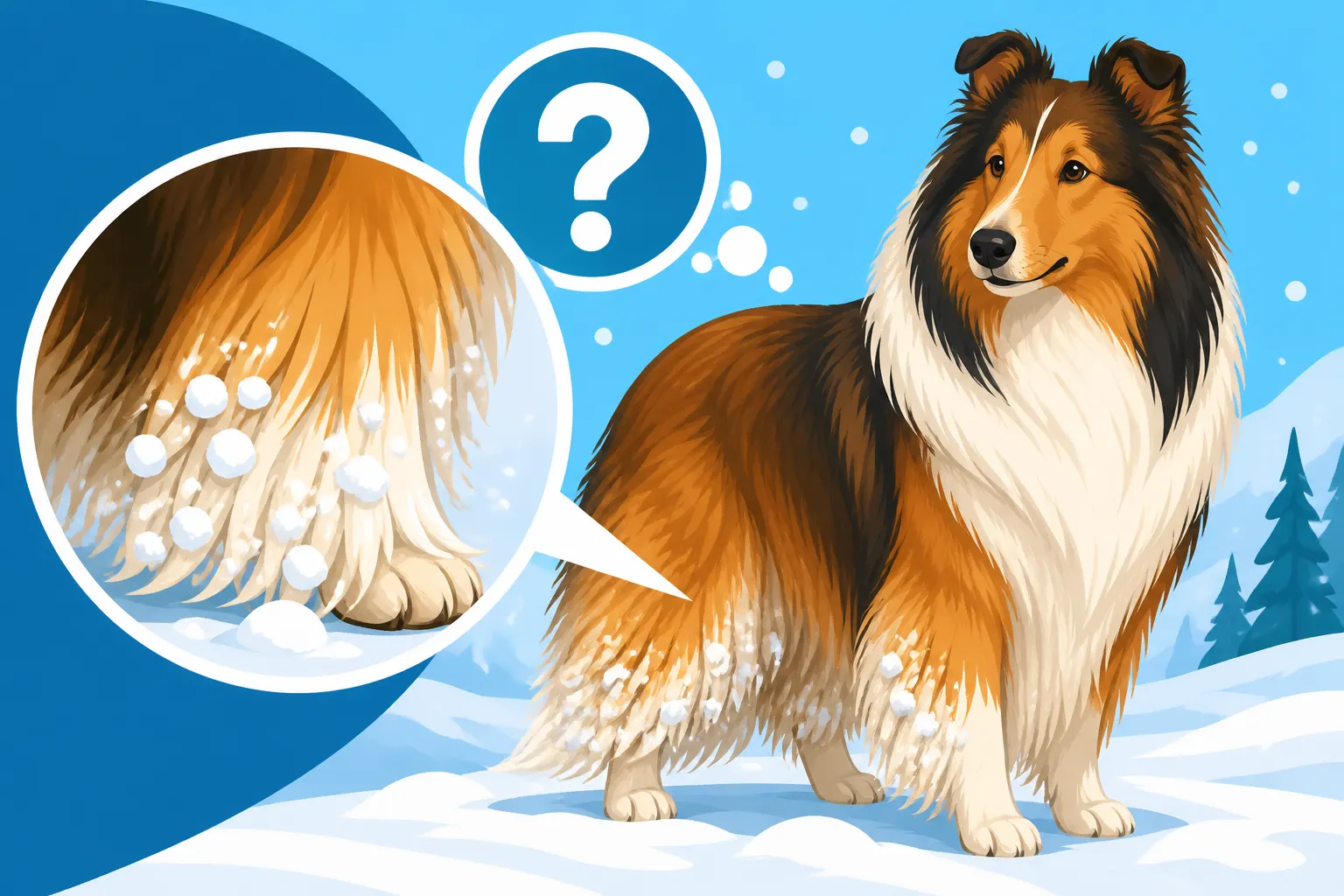
Let's cut to the chase: yes, snow absolutely balls up in a Collie's feathering. It's not a myth or an exaggeration; it's a cold, hard fact of winter life for us Collie parents. These aren't just soft, fluffy accumulations either. As the snow collects, it compacts and freezes, turning into hard, icy lumps that can range from the size of marbles to golf balls, or even larger if left unchecked.
The most common culprits for snow accumulation are the "culottes" or breeches on their back legs, the long fur on their front legs, their belly feathering, and, of course, that glorious plumed tail. If your Collie has a particularly luxuriant mane or ruff, you might even find smaller ice bits clinging around their neck and chest. I’ve seen my own Collie come back from a short walk with what looks like a collection of frozen rock candies dangling from her legs, pulling her fur taut. It's a clear indicator that while their coats are built for cold, they're not always impervious to the physics of snow accumulation.
The Problems Caused by Snowy Feathering
Beyond the visual spectacle of a snow-encrusted Collie, those icy balls create a host of uncomfortable and even harmful issues for our dogs. It's more than just a minor inconvenience; it can truly diminish their enjoyment of winter activities and lead to health concerns if not addressed promptly.
Discomfort and Restricted Movement
Imagine having small, hard rocks tied to every joint and along your sensitive skin. That’s essentially what those snowballs feel like to your Collie. As they accumulate, they tug at the fur, pulling on the skin with every step. This isn't just irritating; it can be downright painful. You might notice your Collie starting to lift their legs higher, walking with an odd, stiff gait, or even refusing to move through deep snow after a certain point. The weight of the ice balls alone can be quite substantial, adding extra strain to their joints.
Beyond the pulling, the constant rubbing of these icy lumps against their skin can cause chafing and irritation, similar to a bad rug burn. In extremely cold conditions, especially if the snowballs are wet and then freeze solid against the skin, there's even a risk of minor frostbite or ice burns. I once had a friend whose Collie developed raw patches on her inner thighs from unchecked snowballs during a long hike. It was a stark reminder that what seems like a quirky winter annoyance can escalate into genuine pain and even injury.
Matting and Skin Irritation
The dampness and friction created by snowballs are a perfect recipe for severe matting. When snow melts into the coat, it wets the undercoat thoroughly. As the dog moves, this wet fur rubs against itself, tangles, and then, as it dries, forms tight, painful mats. These aren’t just surface tangles; they can become dense, felt-like pads that pull mercilessly on the skin. Trying to brush out damp or matted fur after a snowy outing is a thankless, often painful, task for both you and your Collie. This is particularly true in areas like the "petticoat" and "frill," where the fur is already prone to tangling, as discussed in Mane, Frill and Petticoat: the Parts of a Collie That Mat.
Left unaddressed, these mats can lead to more serious skin problems. The damp environment trapped beneath a mat is an ideal breeding ground for bacteria and yeast, which can cause skin infections, hot spots, and general irritation. Moreover, mats prevent proper air circulation to the skin, making it difficult for the skin to breathe and regulate temperature, which is ironic considering the coat's primary function. It's a vicious cycle where discomfort leads to more discomfort, making prompt and diligent after-care absolutely essential.
Practical Strategies for Winter Walks
Dealing with snowballs doesn't have to mean avoiding winter fun entirely. With a few proactive steps and smart post-walk routines, you can significantly reduce the impact of snow on your Collie's magnificent coat. It’s all about preparation and consistency, making those snowy adventures enjoyable rather than a chore.
Proactive Measures Before Heading Out
The best defense is a good offense, and that holds true for snowy Collie coats. Before you even open the door for a winter excursion, there are a few things you can do to minimize snow adhesion. First and foremost, ensure your Collie’s coat is thoroughly brushed and free of any existing tangles or mats. A smooth, well-maintained coat will pick up less snow than one that's already a bit unruly. This is why a regular grooming routine, as outlined in How Often a Rough Collie Should Be Brushed, is crucial year-round, not just in summer.
Consider applying a protective layer to the areas most prone to snowballs. There are several dog-safe products on the market, such as paw balms or specialized coat sprays designed to repel snow and ice. These often contain silicone-based ingredients that create a slick barrier, making it harder for snow to cling. You can find a wide variety of these options on online retailers like Chewy or Amazon. For instance, some folks swear by a light mist of a human detangling spray (check ingredients carefully for dog safety, of course) on the feathering, or a thin layer of Bag Balm on leg and belly fur. For even more intense protection, especially in deep, wet snow, full-body dog suits or leg gaiters can be incredibly effective. They essentially cover the areas that typically collect snow, preventing it from ever reaching the fur.
During and After the Walk
Even with the best preparation, some snow is likely to find its way onto your Collie's coat, especially if they're really plunging into drifts. During longer walks, it's a good idea to periodically stop and gently brush or pull off any forming snowballs. A quick pat down can help dislodge some of the softer accumulations before they compact into hard ice. Always be gentle; pulling roughly can hurt your dog and damage their fur.
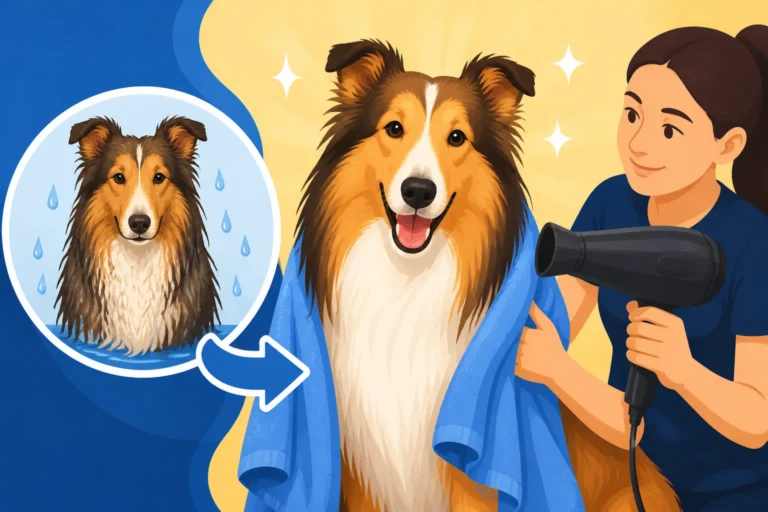
Once you’re back indoors, the immediate clean-up is critical. Resist the urge to let your Collie just shake it all off inside. Have a dedicated "snow station" in your mudroom, entryway, or even a bathroom with towels ready. The key is to remove the snowballs before they fully melt and soak into the fur, creating mats. The easiest way to remove hard-frozen snowballs is often with lukewarm water. You can either use a damp cloth to warm and melt them off, or, if your Collie tolerates it, a quick rinse under the faucet for their legs and belly. Some owners prefer to use a high-velocity dryer (on a cool setting!) to blow the snow off before it melts – it’s remarkably effective and helps with drying, a topic explored in Whether a Collie Should Be Dried After Snow. Never try to pull or rip out frozen clumps, as this is incredibly painful and will damage the coat and skin. Once the snow and ice are gone, thoroughly towel dry your Collie, paying special attention to the deep undercoat, to prevent any damp spots from leading to skin issues.
Gear and Products to Help
While your Collie's luxurious coat is a natural wonder, sometimes it needs a little help to navigate the specific challenges of winter. There’s a whole world of products out there designed to make snowy adventures cleaner and more comfortable for both of you.
Protective Gear
When the snow is deep and wet, or when you're planning a longer winter hike, equipping your Collie with protective gear can be a game-changer.
- Paw Boots/Socks: These are fantastic for two main reasons. First, they prevent snow from balling up between your Collie’s paw pads, which can be incredibly painful and difficult to remove. Second, they offer a barrier against harsh ice melt chemicals and salt often found on sidewalks, protecting sensitive paw pads. Brands like Ruffwear and Pawz are popular choices, and you can find them readily available on Chewy.
- Dog Coats/Sweaters: While a Collie's double coat provides excellent insulation, a well-fitting dog coat can add an extra layer of protection, particularly on their back and sides, where snow might settle. For many Collies, their natural coat is sufficient for warmth, but a waterproof outer layer can prevent the fur from getting soaked, which then minimizes snow-clinging and the risk of mats. Look for lightweight, waterproof options that don't restrict movement.
- Leggings/Gaiters: These are specialized garments that cover just the legs, directly targeting the feathering where snowballs form. They essentially act as a barrier, keeping the snow from even touching the fur. Some owners even get creative with repurposed child's leggings or sleeves, customizing them for their Collie's unique leg shape. These can be particularly useful for long-haired Collies who spend a lot of time romping in deep snow.
Grooming Aids
Even with protective gear, some grooming will always be necessary after a winter walk. The right tools can make all the difference in making this process quick and stress-free.
- Anti-static/Detangling Sprays: As mentioned earlier, a good quality conditioning spray can help create a smoother surface on the fur, reducing static and making it harder for snow to adhere. It also makes any tangles much easier to comb out later. Spritzing the feathering before heading out can save a lot of grief later.
- Paw Balms: These are multi-purpose wonders. Applied before a walk, they form a protective barrier on paw pads against ice, snow, and de-icing chemicals. Applied afterward, they can soothe and moisturize chapped or irritated pads. Brands like Musher's Secret are widely available and well-loved by dog owners.
- High-Velocity Dryers: If you live in an area with frequent snow, a high-velocity dryer is an absolute must-have. Forget waiting hours for your Collie to air dry; these powerful dryers (used on a cool setting, of course) can blast out moisture and any remaining snow from the dense undercoat in minutes. This not only prevents matting but also significantly reduces the risk of skin issues that can arise from prolonged dampness. You can find excellent, professional-grade models for home use on Amazon, and they are a worthwhile investment for any Collie owner. You might also want to read up on Whether a Collie Needs a High Velocity Dryer for more details on this essential tool.
Here's a quick comparison of proactive and reactive snow strategies:
| Strategy Type | Action Before Walk | Action After Walk | Key Benefit | Considerations |
|---|---|---|---|---|
| Protective Wear | Apply paw balm; put on boots/leggings/coat | Remove gear; check for dampness | Prevents snow from reaching fur/skin | Collie must tolerate wearing gear; proper fit is crucial |
| Coat Prep | Thoroughly brush; apply anti-static spray | Warm water rinse/melt; towel dry | Reduces snow clinging; easier removal | Requires consistent grooming; spray effectiveness varies |
| Immediate Clean | N/A | Gentle removal of snowballs (brush/damp cloth) | Prevents matting; reduces discomfort | Must be done immediately upon returning home; avoid harsh pulling |
| Drying | N/A | High-velocity dryer (cool setting); thorough towel | Prevents mats & skin issues from dampness | Dryer noise tolerance; can be time-consuming for heavy coats |
Ultimately, enjoying winter with your Collie means being prepared. With these tips and tools, you can keep your furry friend comfortable and happy, no matter how much snow falls.
Disclaimer
This article is for general informational purposes only and does not constitute professional advice. Laws, prices and regulations vary by location and change over time. Consult a qualified professional for guidance on your specific situation.