How Much Undercoat a Collie Drops
Anyone who has ever lived with a Collie knows the feeling: you vacuumed yesterday, thoroughly brushed your dog, and yet, there it is again – a tumbleweed of soft, fluffy undercoat rolling across your floor, defying all efforts at containment. It's a never-ending battle against the majestic fluff, and it's something every Collie owner needs to understand, because these beautiful dogs are prodigious producers of hair. This guide will dive deep into the world of Collie undercoat, explaining why they shed so much, what to expect, and how to manage the furry fallout that becomes an undeniable part of life with this wonderful breed.
The Collie's Double Coat: A Masterpiece of Insulation
To truly understand how much undercoat a Collie drops, we first need to appreciate the ingenious design of their coat. Collies, both Rough and Smooth varieties, are equipped with a double coat, a brilliant adaptation inherited from their working ancestors who braved harsh Scottish weather. This isn't just about looking regal; it's about survival.
The Purpose of All That Fluff
The Collie's coat consists of two distinct layers, each with its own crucial job. The outer coat, often called guard hairs, is long, harsh, and straight, providing protection from rain, snow, and thorny underbrush. These hairs are somewhat water-resistant and give the Collie its iconic silhouette. Beneath this protective layer lies the true hero of our story: the undercoat. This inner layer is dense, soft, and extremely fine, acting as a superb insulator. In winter, it traps warm air close to the body, keeping the dog toasty. In summer, it helps to keep heat out, allowing air to circulate and preventing the skin from overheating. This natural air-conditioning system is why you should A Collie Is Never Trimmed and Never Shaved.
Imagine wearing a fluffy down jacket under a waterproof shell – that's essentially what your Collie has on, year-round! The sheer volume of this insulating undercoat is what makes Collies such heavy shedders. It's not just a few stray hairs; it's a deep, soft blanket of fluff that needs to be regularly replaced to maintain its efficiency and keep the dog comfortable and healthy. Without proper maintenance, this dense undercoat can mat, trap moisture, and lead to skin issues, which is exactly what we want to avoid.
Differences Between Rough and Smooth Collies
While the Rough Collie is famously known for its magnificent mane, the Smooth Collie also possesses a double coat, and sheds a surprising amount of undercoat, albeit with shorter guard hairs. Many people assume a Smooth Collie is a "non-shedding" alternative, but that's a common misconception.
| Coat Type | Outer Coat Characteristics | Undercoat Density | Shedding Volume | Grooming Frequency |
|---|---|---|---|---|
| Rough | Long, harsh, straight, abundant, flowing | Extremely dense, soft | High, especially during coat blows | Daily/Weekly |
| Smooth | Short, dense, harsh, lies flat against the body | Dense, soft | Moderate to High, noticeable during seasonal changes | Weekly |
As you can see, both varieties are equipped for shedding. The difference often comes down to the visibility and distribution of the shed hair. A Rough Collie's shed hairs tend to cling to itself, forming tumbleweeds, or getting caught in the longer outer coat, leading to mats if not brushed out. A Smooth Collie's shorter hair often falls directly to the floor, weaving itself into carpets and upholstery with surprising tenacity. Don't let the shorter coat fool you into thinking it's less work; it's just a different kind of shedding challenge.
The Seasonal "Coat Blow" and What to Expect
The most dramatic manifestation of a Collie's undercoat production is what we lovingly refer to as a "coat blow." This isn't just shedding; it's a complete evacuation of the old, dead undercoat to make way for new growth. It's a phenomenon that can truly astonish first-time Collie owners.
Timing and Duration of the Major Sheds
Collies typically experience two major coat blows per year. These usually coincide with the change in seasons – once in the spring to shed their heavy winter coat and prepare for warmer weather, and again in the fall to get rid of their lighter summer undercoat and grow in a denser one for winter. The exact timing can vary depending on your local climate, whether your Collie spends most of its time indoors or out, and even its individual hormonal cycles (especially for intact females).
Each coat blow can last anywhere from two to three weeks, sometimes even longer. During this period, you will be utterly convinced that your dog is trying to turn itself inside out, leaving vast quantities of fluff in its wake. This is normal, albeit a bit overwhelming. You'll literally be pulling handfuls of soft undercoat from your dog with minimal effort. This is why it's vital to have a consistent grooming routine in place.
What Triggers a Coat Blow
The primary trigger for a coat blow is the change in photoperiod, or the amount of daylight hours. As days lengthen in spring or shorten in fall, a Collie's body responds by signaling the hair follicles to shed the old undercoat. Indoor lighting, however, can sometimes disrupt this natural cycle. If your Collie spends a lot of time indoors under artificial light, their body might not register the seasonal changes as sharply, potentially leading to more year-round, consistent shedding rather than distinct "blow" periods.
Hormonal changes also play a significant role. Intact female Collies, for instance, often experience a massive coat blow after a heat cycle or after weaning a litter of puppies. The drop in hormones post-estrus or lactation signals their body to release a significant amount of coat. This post-maternity coat blow can be particularly intense, leaving them looking quite sparse compared to their usual fluffy selves. Don't be alarmed; it's a natural process as their body recalibrates.
The Sheer Volume During These Periods
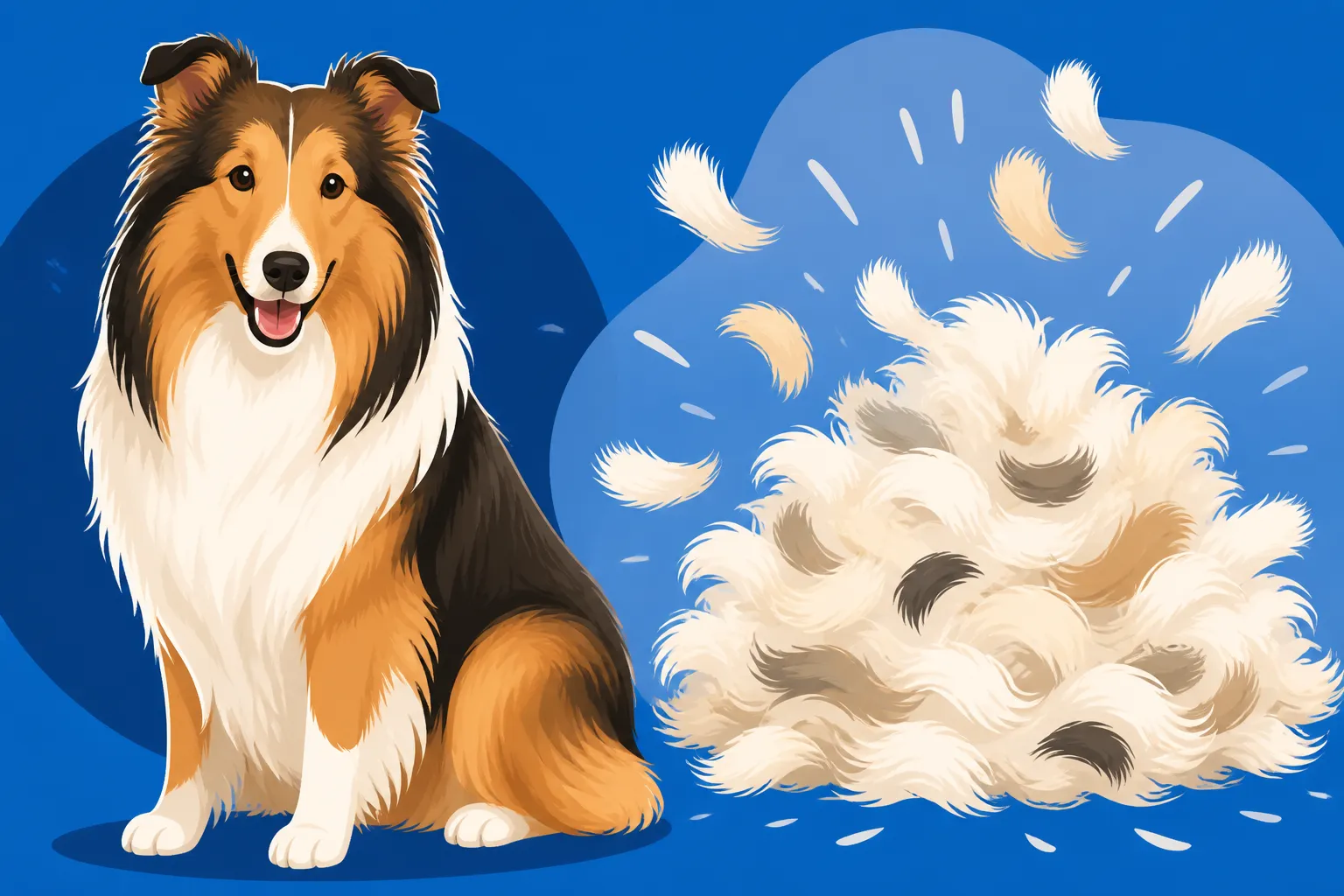
During a full coat blow, the amount of undercoat a Collie drops is truly astounding. It's not uncommon for owners to fill a grocery bag with shed hair from a single rigorous brushing session. Many Collie owners joke that they could build a second dog from the fur accumulated during a heavy shed! This dead undercoat needs to come out, not just for cleanliness, but for your dog's comfort and skin health. If left in, it can mat against the skin, especially in areas like behind the ears, armpits, and under the tail. How Long a Collie's Coat Blow Lasts can feel like an eternity when you're wading through fur.
This is where a good de-shedding routine becomes indispensable. Regular, thorough brushing during these times will help extract the loose undercoat efficiently, reducing the amount that ends up on your furniture and floor. Investing in the right tools and making brushing a bonding experience will save your sanity and your vacuum cleaner.
Managing the Daily Shed and Year-Round Fluff
While the seasonal coat blows are the main event, Collies are not "non-shedding" dogs the rest of the year. They have a continuous, albeit less dramatic, daily shed that contributes to the ever-present battle against fur.
Normal Shedding vs. Coat Blow
Beyond the major seasonal "blows," Collies shed consistently all year long. This "normal" shedding is simply the regular turnover of individual hairs as they complete their growth cycle. While it won't produce bags full of fur in one go, it's enough to keep your vacuum busy and ensure lint rollers are always within reach. The hairs are typically shorter and finer than the clumps you'll find during a coat blow, but they're still very much present.
Think of it like this: the coat blow is a flood, and normal shedding is a steady drizzle. Both contribute to the overall dampness (or in this case, furriness) but at different intensities. Even a Smooth Collie will leave a fine layer of hair on furniture and clothes daily. Understanding this distinction helps manage expectations and establish a realistic grooming schedule.
Factors Influencing Year-Round Shedding
Several factors can influence how much your Collie sheds on a daily basis:
- Indoor vs. Outdoor Living: Collies who live primarily indoors, especially in climate-controlled environments, may experience less distinct seasonal coat blows and more consistent, year-round shedding. Artificial light and stable temperatures can confuse their natural shedding cycles.
- Diet and Nutrition: A high-quality diet rich in omega fatty acids can contribute to a healthier coat and skin, potentially reducing excessive or unhealthy shedding. Conversely, a poor diet can lead to a dry, brittle coat that sheds more easily and excessively. We'll delve deeper into this later, but brands like Ollie focus on fresh, whole ingredients which can make a noticeable difference in coat health.
- Stress and Health: Stress can sometimes trigger increased shedding. A dog experiencing anxiety or significant changes in routine might shed more than usual. Underlying health issues, from allergies to thyroid problems, can also manifest as poor coat condition and increased shedding.
- Age and Hormones: Puppies shed their soft puppy coat for their adult coat, and senior Collies might experience changes in coat density and shedding patterns due to age or hormonal shifts. Spaying or neutering can also sometimes change coat texture and shedding behavior, often leading to a denser, softer coat that can be more prone to matting and heavier shedding. Whether a Spayed Collie's Coat Changes is a common question among owners.
Misconceptions About Shedding
One common misconception is that brushing causes shedding. In reality, brushing helps to remove the already dead and loose hairs from the coat, preventing them from falling out all over your house and reducing the likelihood of mats. The hair was going to shed anyway; you're just controlling where it goes.
Another myth is that shaving a Collie will reduce shedding. Not only does shaving ruin the natural protective qualities of their double coat, but it can also lead to improper regrowth and doesn't actually stop the dog from shedding its undercoat. The hair will still grow and shed, just in shorter pieces, which can be even more pervasive. Whether Shaving a Collie Helps It in Summer addresses this in more detail.
Tools and Techniques for Effective Undercoat Removal
Dealing with a Collie's undercoat requires dedication and the right arsenal of grooming tools. It's not just about brushing; it's about brushing effectively.
Essential Grooming Tools for Undercoat
For tackling that formidable undercoat, you'll need a few key items. Forget those flimsy brushes you pick up at the grocery store; Collies demand more.
- Pin Brush: This is your everyday workhorse. A good quality pin brush, ideally with rounded pins to avoid scratching the skin, helps untangle superficial mats and remove loose surface hair. It's excellent for line brushing and separating the coat. You can find robust pin brushes on Amazon or Chewy.
- Slicker Brush: Use this cautiously, especially on a Rough Collie's delicate outer coat. A slicker brush with fine, bent wires is fantastic for carefully removing smaller mats and dead undercoat, but it can pull and damage the guard hairs if used too aggressively. It's particularly useful on the feathering on legs and tail.
- Undercoat Rake: This is arguably the most crucial tool for a Collie. An undercoat rake has widely spaced, blunt teeth designed to reach deep into the coat and pull out the loose undercoat without cutting the guard hairs. Different tooth lengths are available for varying coat densities. Using this regularly during a coat blow is a game-changer.
- Metal Comb (Greyhound Comb): A sturdy metal comb with both wide and fine teeth is indispensable for checking your work and ensuring no mats are left behind. The wide teeth help to break up larger tangles, while the finer teeth are perfect for finishing work and checking for smaller knots in thinner areas like behind the ears.
- High-Velocity Dryer: While not a brush, a good high-velocity dryer is an absolute lifesaver, especially during a coat blow or after a bath. It literally blasts the dead undercoat out of the coat, drying the dog quickly and efficiently. It's an investment, but it drastically reduces drying time and helps manage shedding. Whether a Collie Owner Needs a High Velocity Dryer is a definite yes for many.
Line Brushing and De-shedding Techniques
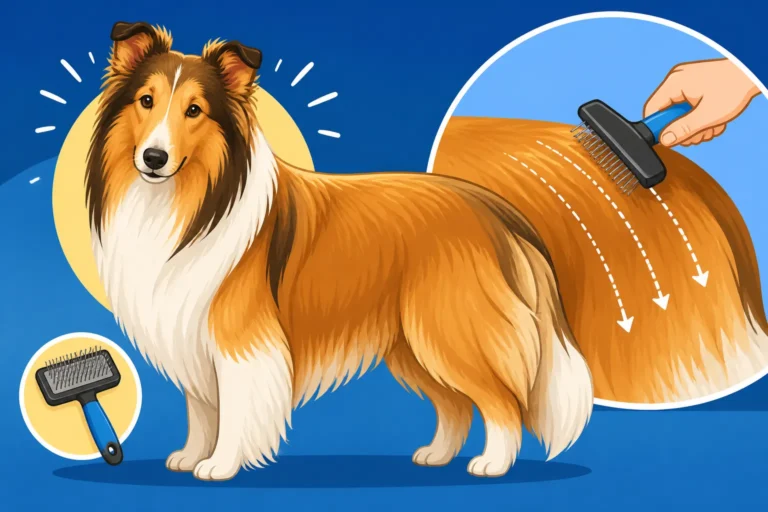
Simply brushing over the top of a Collie's coat won't do much for the undercoat. You need to employ a technique called "line brushing" to get down to the skin.
- Sectioning: Start at the bottom of a leg or flank. Part the coat horizontally with one hand, exposing a small line of skin.
- Brush Upwards: With your pin brush or undercoat rake, brush the hair in that small section upwards and outwards, away from the skin. Work in small strokes, making sure to reach the skin.
- Work in Lines: Once that section is thoroughly brushed, drop a little more hair from the main body of the coat down into your brushed section, forming a new line. Repeat the process, working your way up the body.
- Cover All Areas: Don't forget the harder-to-reach spots that are prone to matting: behind the ears, under the chin, the "armpits," the groin, and the dense pantaloons on the back legs. These areas often harbor hidden mats and significant undercoat.
For de-shedding, especially during a coat blow, you might start with the undercoat rake, followed by the pin brush and then the metal comb to ensure everything is removed. Always be gentle, especially if you encounter a tangle. For more detail, check out How to Line Brush a Collie.
Professional Grooming Options
If the thought of tackling a full Collie coat blow at home feels overwhelming, don't despair! Professional groomers are wizards when it comes to de-shedding double-coated breeds. They have specialized tools, high-velocity dryers, and the expertise to get that undercoat out efficiently and thoroughly.
A professional de-shedding treatment often involves a specialized bath with de-shedding shampoo and conditioner, followed by a powerful force dry to blow out loose undercoat, and then a comprehensive brush-out. While it's an investment, a professional groomer can significantly reduce the amount of shedding in your home for weeks after a session, especially during peak shedding times. What a Professional Groom Costs on a Rough Collie and What a Collie's Deshedding Treatment Costs can vary, but many owners find it well worth the expense for the relief it provides.
The Impact of Diet and Health on Shedding
A healthy coat begins from the inside out. What you feed your Collie and their overall health status can profoundly influence the quantity and quality of their shedding.
How Nutrition Impacts Coat Health
Just like with us, a healthy diet is paramount for a dog's well-being, and their coat is often a visible indicator of their internal health. A diet lacking essential nutrients can lead to a dull, dry, brittle coat that sheds excessively and may be more prone to matting.
Look for high-quality dog foods that list real meat as the first ingredient and contain a good balance of fats, particularly omega-3 and omega-6 fatty acids. These essential fatty acids are crucial for skin hydration and coat luster. Many commercial dog foods, including options found on Chewy, incorporate these. Some owners even add supplements like fish oil or flaxseed oil to their Collie's diet to boost coat health. Always discuss any dietary changes or supplements with your veterinarian. Whether a Collie's Diet Affects Its Shedding is a common question, and the answer is a resounding yes!
Hydration and Skin Health
Adequate hydration is another often-overlooked aspect of coat health. A well-hydrated dog will have healthier skin, which in turn supports a healthier coat. Dry, flaky skin can lead to increased shedding and discomfort for your Collie. Ensure your dog always has access to fresh, clean water. Consider offering filtered water or even adding a splash of bone broth to their bowl if they're not big drinkers.
Sometimes, poor hydration or underlying skin issues can mimic excessive shedding. If you notice your Collie's skin is red, irritated, or flaky, or if their shedding seems abnormal (patchy, excessive, or accompanied by itching), it's time for a vet visit to rule out any medical concerns.
Medical Conditions That Affect Shedding
While shedding is normal for Collies, sudden, excessive, or patchy hair loss, particularly when accompanied by other symptoms, can be a sign of an underlying health problem.
- Allergies: Environmental or food allergies can cause skin irritation, itching, and subsequent excessive shedding or hair loss.
- Parasites: Fleas, ticks, and mites can cause intense itching, leading to scratching, biting, and localized hair loss.
- Hormonal Imbalances: Conditions like hypothyroidism (low thyroid function) can cause a dull, dry coat, symmetrical hair loss, and increased shedding. Signs a Collie's Thyroid Is Low are important to watch for.
- Skin Infections: Bacterial or fungal infections can lead to irritated skin, scabbing, and patchy hair loss.
- Stress: As mentioned, significant stress can also trigger temporary periods of increased shedding.
If you have any concerns about your Collie's shedding pattern or coat health, consult your veterinarian. They can perform diagnostic tests to identify any underlying medical conditions and recommend appropriate treatment or dietary adjustments.
Coping Strategies for a Fur-Filled Home
Living with a Collie means learning to coexist with fur. It's a reality. But with the right strategies, you can minimize the impact and keep your home relatively tidy.
Household Cleaning Tips
Accepting the fur doesn't mean surrendering your home to it! You'll become an expert in fur management.
- Daily Vacuuming: Invest in a good quality vacuum cleaner specifically designed for pet hair. Look for models with strong suction and specialized attachments. Regular, even daily, vacuuming will be your best friend. Many brands offer cordless options that make quick clean-ups less of a chore.
- Lint Rollers Galore: Keep lint rollers in every room, by every door, and in your car. They are invaluable for quick touch-ups on clothing, furniture, and even car seats. You can often buy multi-packs on Amazon.
- Washable Covers: Consider washable slipcovers for your sofas and chairs. They can be easily removed and tossed in the laundry, saving your upholstery. Alternatively, durable throws that can be regularly shaken out and washed are also a great option.
- Hard Floors: If you're planning home renovations or choosing flooring, hard surfaces like wood, laminate, or tile are much easier to keep free of fur than carpet.
- Air Purifiers: While they won't stop the shedding, air purifiers with HEPA filters can help capture airborne dander and fine hairs, improving air quality and reducing allergens.
Protecting Furniture and Clothing
Collie fur has a way of finding its way onto everything. A few proactive measures can help.
- Dedicated Dog Bed: Provide your Collie with a comfortable, easily washable bed where they are encouraged to rest. This concentrates much of the shedding to one area. Look for beds with removable covers that can be thrown into the washing machine.
- Dog Towels/Blankets: Keep specific towels or blankets handy for your Collie to lie on in various spots around the house, especially on favored furniture. This creates a barrier between the fur and your upholstery.
- Grooming Before Guests: Before guests arrive, give your Collie a quick brush-out and a once-over with a lint roller. This helps minimize the amount of fur they might transfer to your visitors.
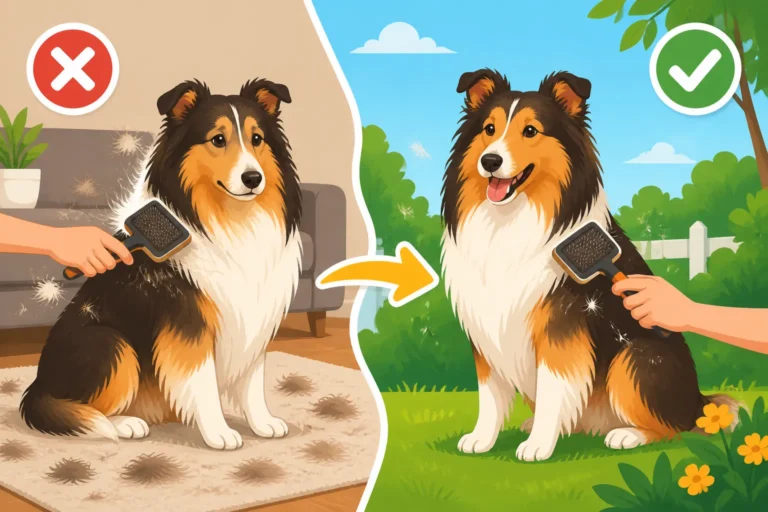
- Brush Outside: If possible, do your major grooming sessions outdoors. This contains the majority of the loose hair to an area where it can easily blow away or be raked up, rather than ending up inside your home. Whether a Collie Should Be Brushed Outdoors is a good idea, weather permitting!
Making Peace with the Fur
Ultimately, living with a Collie means embracing the fur. It's a small price to pay for the companionship, loyalty, and beauty these dogs bring into our lives. A little fur on your clothes or in your coffee is just a sign that a beloved furry friend is nearby.
Many Collie owners develop a sense of humor about it, turning "Collie Glitter" into a term of endearment. Regular grooming, consistent cleaning, and a good attitude are your best allies. Remember, the shedding is a natural part of having a double-coated breed; it's a testament to their heritage and their ability to thrive in various climates. With the right tools and strategies, you can keep your Collie comfortable, healthy, and your home as fur-free as possible. It's an ongoing effort, but one that is absolutely worth it for these magnificent dogs. How Many Hours a Year a Collie Owner Spends Brushing might seem daunting, but it's often quality time spent with your beloved companion.
Disclaimer
This article is for general informational purposes only and does not constitute professional advice. Laws, prices and regulations vary by location and change over time. Consult a qualified professional for guidance on your specific situation.