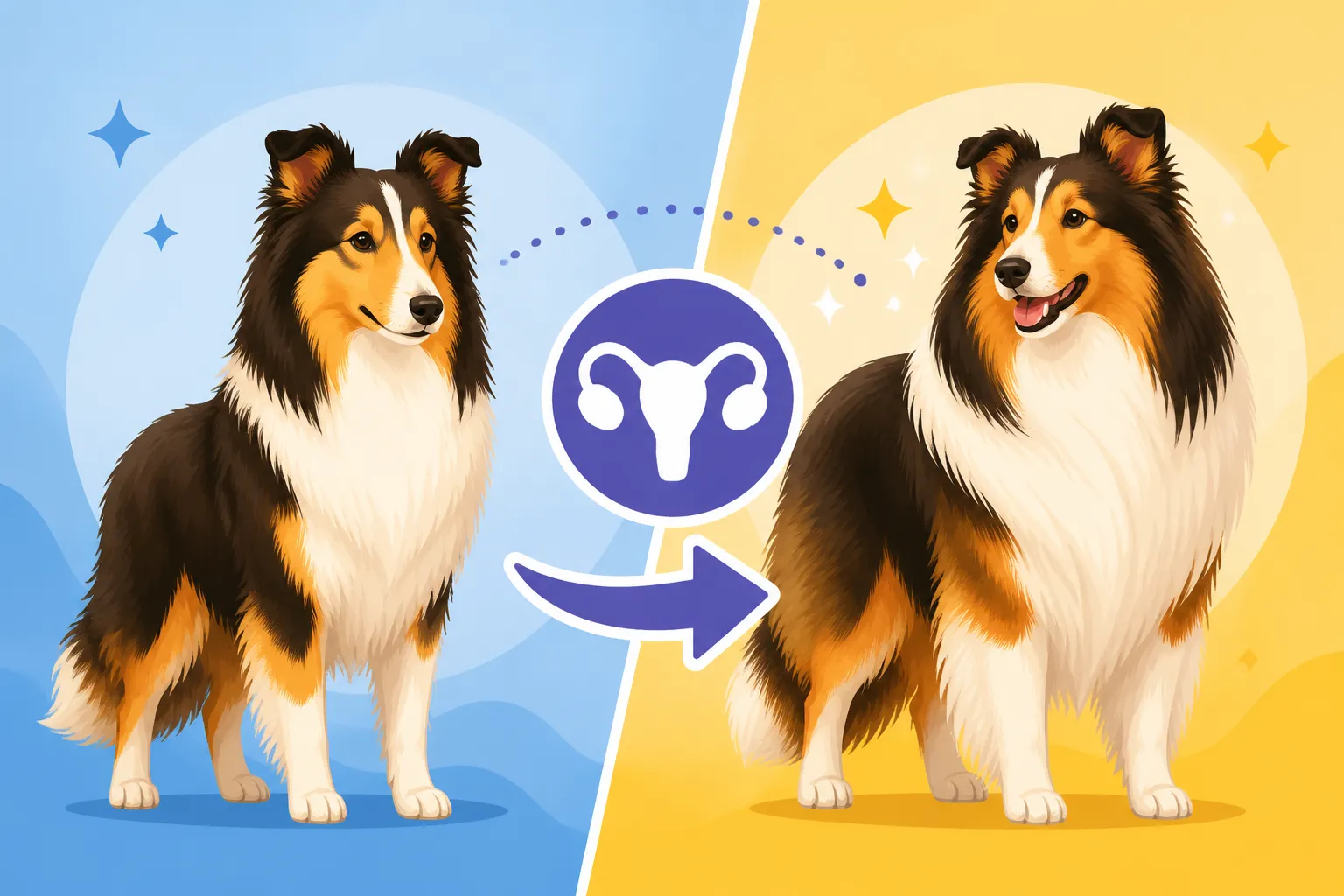
Whether a Spayed Collie’s Coat Changes
It's a common worry for many Collie owners: you've made the responsible decision to spay your beloved girl, and now you're wondering if her gorgeous, flowing coat is going to pay the price. The truth is, many Collies do experience some changes in their coat after spaying, and it can be a bit disheartening to see that beautiful mane thicken, dull, or become more prone to mats. This guide will walk you through why these changes happen, what to expect, and most importantly, how to keep your spayed Collie looking and feeling her best.
The Hormonal Shift and Its Impact on Coat
When your Collie is spayed, she undergoes an ovariohysterectomy, meaning her ovaries and uterus are removed. This procedure, while vital for preventing unwanted pregnancies and certain health issues like pyometra, dramatically alters her hormone levels. The primary hormone affected in this context is estrogen, and its absence can have a ripple effect throughout her body, including on her skin and coat.
Estrogen's Role in Coat Health
Think of estrogen as a natural beauty booster for your female dog's coat. Before spaying, estrogen contributes significantly to maintaining a healthy, shiny, and relatively easy-to-manage coat. This hormone plays a role in the hair growth cycle, influencing the length of the anagen (growth) phase and the health of the hair follicles. Adequate estrogen levels typically mean a softer, silkier texture, and a coat that sheds in a more predictable, natural cycle. It helps keep the skin supple and properly hydrated, which in turn supports healthy hair growth from the root. When estrogen is present in proper balance, the coat often has that desirable sheen and elasticity that is so characteristic of a healthy Collie.
The Post-Spay Hormonal Imbalance
Once the ovaries are removed, the body's main source of estrogen is gone. This sudden drop creates a hormonal imbalance where other hormones, particularly thyroid hormones and possibly some androgens (male hormones produced in small amounts even by females), can become relatively more dominant. This shift can lead to several noticeable changes in the coat. The hair follicles might start to produce a different type of hair – often a softer, thicker, cotton-like undercoat that grows excessively, almost as if the body is trying to compensate for the missing hormone. This new growth can be denser and less structured than the original guard hairs, leading to a plush, sometimes unruly texture. This change isn't universal, and some Collies experience it more dramatically than others, but it's a very real phenomenon that many owners encounter.
Common Coat Changes You Might See
It's not just your imagination; a spayed Collie's coat can feel and look quite different. These changes aren't always immediate but can develop over several months following the surgery. Understanding what to look for can help you identify these shifts early and adjust your care routine accordingly.
The "Spay Coat" Phenomenon
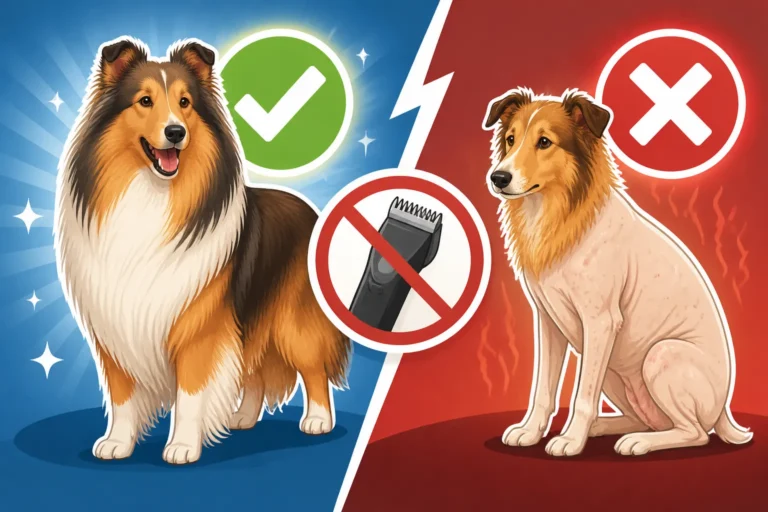
The term "spay coat" is used precisely because the phenomenon is so common across many breeds, and Collies, with their abundant double coats, are particularly susceptible. A "spay coat" typically manifests as an increase in the density of the undercoat. Instead of the sleek, long guard hairs lying flat and giving the coat its distinctive look, you might notice a proliferation of fine, woolly undercoat. This undercoat can become much thicker and softer, losing some of its natural resilience and tendency to repel dirt and water. It often gives the dog a much fuller, almost teddy-bear like appearance, but it can also feel duller to the touch and appear less vibrant. The texture itself might change from a smooth, flowing silkiness to something more akin to cotton or felt, especially on the body and behind the ears.
Increased Shedding and Matting
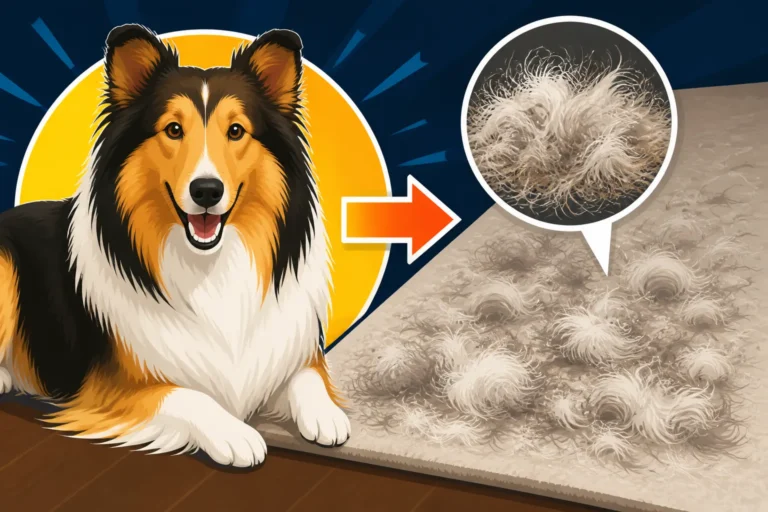
With the shift to a denser, woollier undercoat comes a host of new grooming challenges. This type of hair tends to hold onto dead strands rather than shedding cleanly, which can lead to a perceived increase in overall shedding, even if the shedding cycles themselves don't change. When the dead undercoat gets trapped, it easily forms mats, particularly in high-friction areas like behind the ears, under the elbows, in the "armpits," and around the tail. These mats can pull on the skin, causing discomfort and even skin irritation or infections if left unchecked. What was once a manageable grooming routine might now feel like a constant battle against tangles and excessive fluff. It requires a more diligent and consistent approach to brushing, often needing specialized tools to penetrate the dense new growth. You might find yourself needing to groom your Collie more frequently than ever before. A Collie's Coat Is the Bill That Arrives Every Eight Weeks touches on the regular professional grooming needs, but even diligent home care will be affected by a spay coat.
Managing and Mitigating Coat Changes
While you can't reverse the hormonal changes that cause a spay coat, you absolutely can manage and mitigate its effects. A proactive approach to grooming and nutrition can make a world of difference in keeping your Collie comfortable and looking her best.
Grooming Routine Adjustments
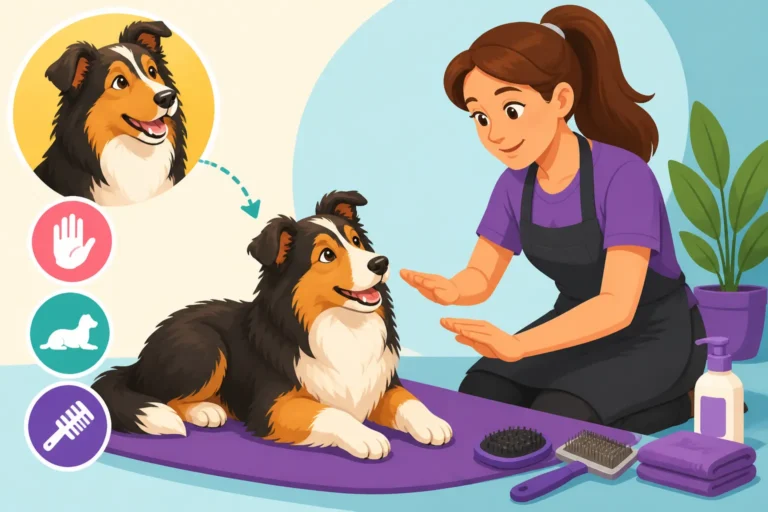
The key to managing a spay coat is consistent and thorough grooming. You'll likely need to increase the frequency of your brushing sessions. Instead of just a quick once-over, you'll need to commit to line brushing, which involves parting the coat and brushing in layers, working from the skin outwards. This ensures you're getting through all the layers of that dense undercoat. A good quality pin brush is essential for working through the outer layers, but you'll also want a slicker brush and a sturdy metal comb to tackle the undercoat and check for any missed mats. Brands like Chris Christensen or Artero are well-regarded for their grooming tools, often found on platforms like Amazon or Chewy.
Consider investing in a high-velocity dryer if you don't already have one. After a bath, these dryers aren't just for speed; they help "force" out dead undercoat before it can mat, making your brushing efforts far more effective. Regular bathing, perhaps every 4-6 weeks with a good quality shampoo and conditioner designed for double coats, can also help loosen dead hair and keep the skin healthy. Always ensure the coat is completely dry before you put your Collie away, as damp undercoat is a breeding ground for mats and skin issues. Remember, Whether a Collie's Coat Mats If You Skip a Week is a very real concern, especially with a spay coat.
Nutritional Support for Coat Health
Diet plays a crucial role in skin and coat health. After spaying, some Collies might experience a slight metabolic slowdown, which can affect their coat quality. Ensure your Collie is on a high-quality dog food that lists a named meat source as the first ingredient. Look for formulas rich in Omega-3 and Omega-6 fatty acids, often derived from fish oil, flaxseed, or sunflower oil. These essential fatty acids are vital for skin barrier health and a lustrous coat.
Many owners find success supplementing their spayed Collie's diet. Fish oil supplements, like salmon oil, can be incredibly beneficial for promoting coat shine and reducing dryness. Some companies, such as Ollie, offer fresh or gently cooked dog food options that can provide excellent nutrient profiles, potentially improving coat quality. Biotin and zinc supplements can also support hair growth and skin health. Before adding any new supplements to your Collie's diet, it's always a good idea to consult with your veterinarian to ensure they are appropriate for your individual dog and won't interact negatively with any existing conditions or medications. Don't forget, Whether a Collie Needs Supplements for Its Coat delves deeper into this topic.
When to Consult Your Vet or a Professional Groomer
While some coat changes are normal after spaying, there are times when these changes can indicate a deeper issue or simply become too much to handle on your own. Knowing when to seek professional help is important for your Collie's well-being.
Identifying Concerning Coat Issues
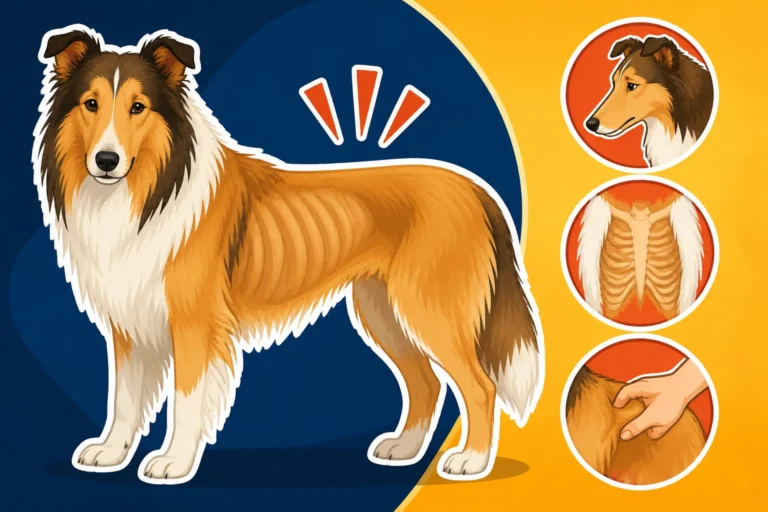
Normal coat changes typically involve texture, density, and shedding patterns. However, if you notice severe hair loss, bald patches, persistent dandruff, scabs, redness, excessive itching, or a foul odor coming from the skin or coat, it's time to call your veterinarian. These symptoms could point to underlying medical conditions that might have been triggered or exacerbated by the hormonal shift, such as hypothyroidism (which often presents with coat changes and dullness), allergies, or skin infections. Your vet can perform diagnostics, like blood tests, to check thyroid levels or skin scrapings to look for parasites or fungal infections. They can also advise on specific medicated shampoos or topical treatments if needed. Catching these issues early is key to preventing discomfort for your Collie. Signs a Collie's Thyroid Is Low is a good resource if you suspect a thyroid issue.
Professional Groomer vs. DIY
Managing a full "spay coat" can be overwhelming, especially for first-time Collie owners. If you're struggling to keep up with the increased matting or feel like you're not getting through the dense undercoat effectively, a professional groomer specializing in double-coated breeds can be an absolute lifesaver. They have the right tools, knowledge, and experience to thoroughly de-shed and demat your Collie safely and comfortably. Many groomers offer de-shedding treatments that can significantly reduce the amount of loose hair, making your at-home maintenance much easier. While the cost of professional grooming is an investment, it can save you time, frustration, and potentially vet bills from skin issues caused by neglected mats.
Consider scheduling regular appointments, perhaps every 8-10 weeks, in addition to your diligent home care. A good groomer can also provide valuable advice on specific brushes or techniques tailored to your Collie's unique coat. Don't be afraid to ask them questions and learn from their expertise. Ultimately, the goal is to keep your Collie happy and healthy, and sometimes that means enlisting the help of a pro. What a Professional Groom Costs on a Rough Collie can give you an idea of the expense.
| Coat Aspect | Before Spay (Typical) | After Spay (Potential Changes) | Management Tips |
|---|---|---|---|
| Texture | Silky, smooth, coarser guard hairs | Softer, woollier, cotton-like, duller | Consistent line brushing, detangling sprays |
| Density | Balanced undercoat/guard coat | Denser, thicker undercoat, less defined guard hairs | High-velocity dryer after baths, de-shedding tools (rakes) |
| Shedding | Moderate, seasonal "blows" | Increased year-round shedding, more trapped undercoat | Frequent brushing, professional de-shedding treatments |
| Matting Risk | Lower, primarily in high-friction areas | Higher, especially behind ears, armpits, tail | Daily checks, prompt mat removal, conditioning sprays |
| Luster/Shine | Vibrant, natural sheen | Can appear duller, less reflective | High-quality diet, Omega fatty acid supplements (fish oil), regular conditioning |
| Skin Health | Generally healthy, good barrier | Can be drier, more prone to irritation if matted | Balanced nutrition, proper hydration, prompt mat removal, vet check for irritations |
It's completely normal to feel a bit overwhelmed by the changes in your spayed Collie's coat, but with the right approach to grooming and nutrition, you can absolutely keep her looking beautiful and feeling comfortable. It often just means a slight adjustment in expectations and a renewed commitment to that gorgeous double coat she carries so proudly.
Disclaimer
This article is for general informational purposes only and does not constitute professional advice. Laws, prices and regulations vary by location and change over time. Consult a qualified professional for guidance on your specific situation.