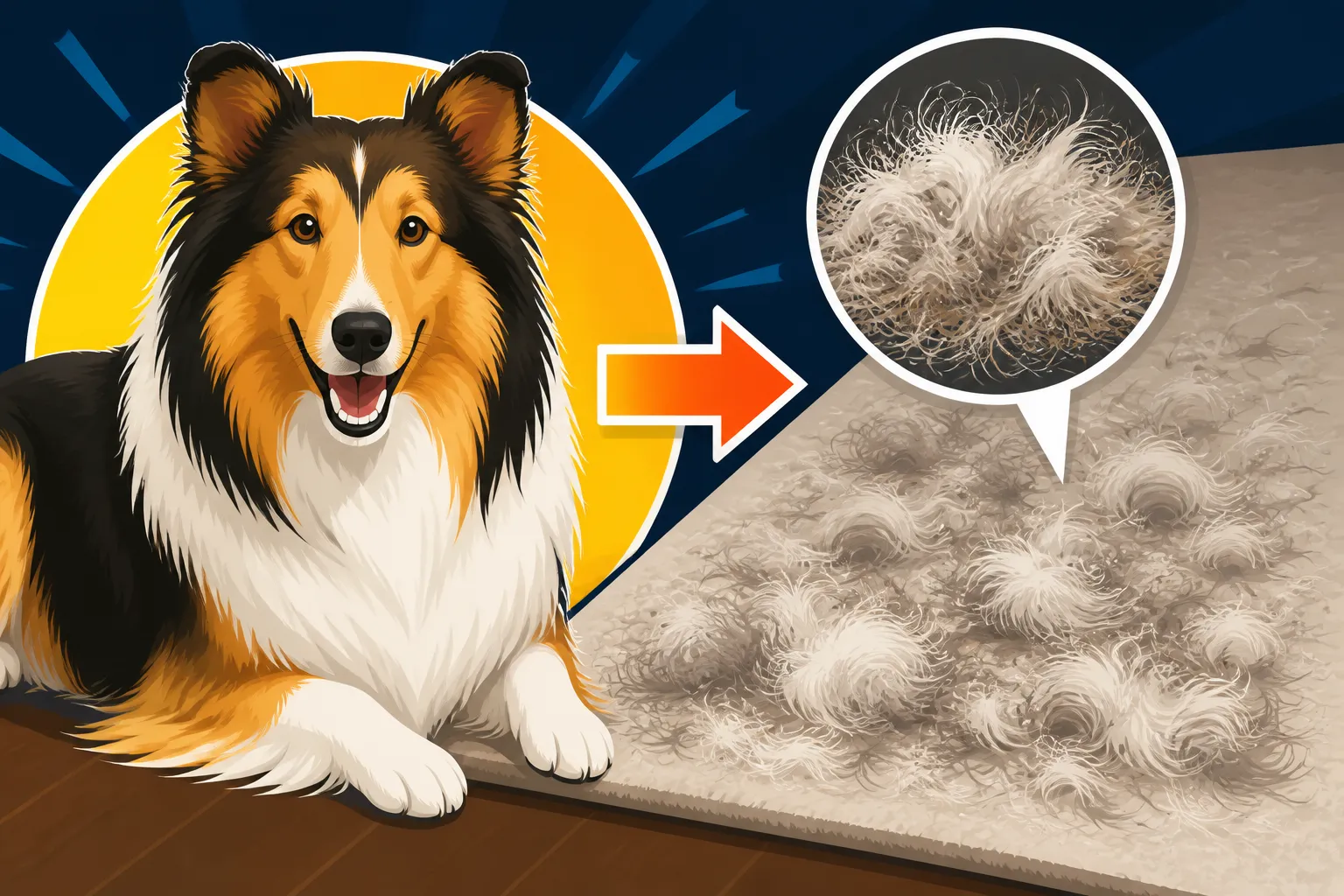
What a Collie’s Undercoat Does to a Carpet
Ah, the majestic Collie! Their flowing coats are undeniably stunning, a true hallmark of the breed's beauty. But let's be real, beneath that glorious outer layer lies an undercoat that, while insulating and protective for your beloved canine, can become the bane of your existence when it decides to migrate from your dog to your home. If you've ever felt like your carpet is slowly transforming into a secondary Collie, perpetually furry and stubbornly holding onto every single shed strand, you're not alone. This guide is all about understanding exactly what that dense Collie undercoat does to your carpets and, more importantly, how you can reclaim your floors from the fluffy invasion.
The Invisible Invasion: How Collie Undercoat Embeds in Your Carpet
It's not just "dog hair" when we talk about a Collie's undercoat. This isn't like the fine, often easily swept-up hairs from a smoother-coated breed. Collie undercoat has a unique way of intertwining with carpet fibers, creating a fuzzy, almost felt-like layer that seems impossible to dislodge. You might vacuum religiously, only to find the carpet still feels… hairy.
The Anatomy of a Collie's Double Coat
To truly grasp the carpet conundrum, we first need to appreciate the engineering marvel that is a Collie's double coat. You see, it's not just one type of hair. There's the magnificent rough outer coat, the long, coarser guard hairs that give a Collie its distinctive silhouette and provide protection from the elements. These are the hairs you often see floating gracefully through the air or clinging to your dark pants. But beneath that, lies the real culprit for your carpets: the undercoat.
This undercoat is a dense, soft, woolly layer, much shorter than the guard hairs. Its primary job is insulation – keeping your Collie warm in winter and surprisingly cool in summer by trapping air. When a Collie sheds, especially during its seasonal "coat blow," it's primarily this undercoat that detaches. Unlike the smooth guard hairs, which might lie on top of the carpet, the undercoat is much finer, kinked, and has a tendency to break into smaller pieces. These short, fluffy bits are perfectly designed to worm their way deep into the woven structure of your carpet, setting up permanent residence.
Why Undercoat Clings to Carpet Fibers
Ever wonder why those little clumps of fluff seem to glue themselves to your carpet? It's a combination of factors, but largely comes down to the microscopic structure of the undercoat hair itself and the insidious power of static electricity. Each strand of undercoat isn't a smooth, straight cylinder; it often has tiny barbs and scales, much like wool, which allow it to interlock and tangle with other fibers. Your carpet, made of synthetic or natural fibers, has its own texture, and the undercoat finds every nook and cranny to latch onto.
Then there's static electricity, particularly prevalent in drier indoor environments or when you walk across the carpet. This static charge essentially makes the shed undercoat fibers act like tiny magnets, attracting them to the carpet and causing them to adhere tightly. As you walk or even just move air around, these charged hairs are pushed deeper into the pile, becoming embedded and resistant to the casual sweep of a standard vacuum. It’s like trying to pick up lint from Velcro; once it’s in, it’s really in.
The Visual Impact and Texture Change
Beyond just being a nuisance, a carpet saturated with Collie undercoat actually changes over time. You might notice a general dullness to the color, as the light-colored undercoat creates a film over the original fibers. If your Collie is sable, for example, your beige carpet might take on a subtle, permanent tan hue, or a blue merle's undercoat might give it a greyish cast. This isn't just surface dirt; it's thousands upon thousands of tiny hair strands acting as a diffuse layer.
More noticeably, the texture of your carpet will transform. What was once soft and plush might start to feel spongy, matted, or even gritty underfoot. The undercoat can compress into the base of the carpet pile, creating a dense, almost felted layer that can be quite uncomfortable. High-traffic areas, like pathways to the kitchen or around the sofa, will often show this matting first, becoming harder and less resilient. This compacted hair also traps more dirt and allergens, making your home feel less clean even after you’ve just vacuumed.
Battling the Fuzzy Tumbleweeds: Effective Strategies for Carpet Care
Okay, so we know the enemy. Now, how do we fight back? Dealing with embedded Collie undercoat requires more than just a quick pass with a vacuum. It demands a multi-pronged approach and the right tools for the job.
The Power of the Right Vacuum Cleaner
This is where many Collie owners hit their first snag. Not all vacuums are created equal when it comes to tackling dense pet hair. You need a vacuum designed specifically for pet owners, one that understands the challenge of the undercoat. Look for models with seriously strong suction – a motor that can literally pull those embedded hairs up from the carpet backing.
Furthermore, a good pet-specific vacuum will typically feature a powerful, self-cleaning brush roll (or one that's easy to clear of tangled hair). This brush roll is crucial for agitating the carpet fibers and lifting the embedded undercoat. Features like specialized pet hair attachments, often with rubberized components, can also make a huge difference, especially for stairs or upholstery. Think beyond the basic model; an investment in a robust, pet-friendly vacuum from brands known for their pet hair prowess (you can find a wide selection and read reviews on sites like Amazon or Chewy) will save you countless hours of frustration and potentially prolong the life of your carpets. Whether a Collie Owner Needs a Better Vacuum is a question many find themselves asking after a few coat blows!
Pre-Vacuuming Techniques for Deeper Cleaning
Sometimes, even the best vacuum needs a little help. Before you even turn on the machine, consider employing some pre-vacuuming techniques to loosen and gather as much undercoat as possible. One incredibly effective tool is a rubber-bristled broom or rake designed for pet hair. As you sweep this tool across the carpet, the rubber creates static and friction, pulling deeply embedded hairs to the surface where your vacuum can then easily pick them up. It's surprisingly satisfying to see the mounds of fluff it extracts!
Another trick is to use a squeegee or a damp rubber glove. Simply put on the glove and run your hand over the carpet, or drag a squeegee across it. The rubber will grip the hair and roll it into manageable clumps. This is particularly useful for smaller areas, upholstery, or those stubborn spots where the undercoat seems to be welded to the carpet. These methods aren't just for cleaning; they're a form of pre-treatment that prepares your carpet for a much more efficient and thorough vacuuming session, minimizing how much hair then gets missed or re-embedded.
The Art of Regular and Thorough Vacuuming
Consistency is key, but so is technique. With a Collie in the house, "regular" vacuuming likely means daily, especially during peak shedding seasons like spring and fall. But don't just rush through it. Think of vacuuming as a meticulous art. Move slowly, making overlapping passes, and go over each area multiple times. It helps to vacuum in one direction, then switch to a perpendicular direction to tackle hairs that are embedded from different angles.
Focus extra attention on areas where your Collie spends the most time – their favorite napping spots, the path they take to the door, or areas where they frequently shake out their coat. These are typically where the undercoat accumulation will be most severe. Remember, the goal isn't just to remove surface hair; it's to extract the hairs that have worked their way deep into the carpet pile. This consistent, thorough approach is your best defense against the constant influx of fluffy white, tan, or gray undercoat.
Beyond the Vacuum: Maintaining a Hair-Free Home
While vacuuming is your primary weapon, a truly hair-managed home involves a holistic strategy that extends beyond just sucking up fluff. It’s about prevention, clever decor choices, and knowing when to call in the cavalry.
Proactive Grooming to Minimize Shedding
This might seem obvious, but the less hair your Collie drops, the less hair ends up in your carpet. Regular and thorough grooming is your first and best line of defense. Remember, it's the undercoat that's the main culprit for carpet embedding, so your grooming efforts should focus on removing as much loose undercoat as possible before it hits the floor.
This means investing in the right tools, such as a sturdy pin brush, a slicker brush, and especially an undercoat rake (like a de-shedding rake). Learn how to line brush your Collie effectively, getting right down to the skin to pull out that dead undercoat. Even during non-shedding periods, a good 20-minute brushing session a few times a week can make a significant difference. During a full The Three Weeks Twice a Year When a Collie Buries Your House, you might need to brush daily! Regularly visiting the groomer for professional de-shedding treatments can also be a game-changer, as they have high-velocity dryers that blast out loose undercoat. You can find these specialized brushes and tools at most pet supply stores or online retailers like Chewy.
Strategic Home Furnishings and Fabrics
Consider your home's textiles. If you have wall-to-wall carpeting throughout your home, especially a thick-pile variety, you're fighting an uphill battle. If you're planning a renovation or choosing new flooring, consider hard surfaces like hardwood, tile, or laminate in high-traffic areas. These are far easier to sweep or vacuum clean of pet hair.
For areas where you do have carpet, using washable area rugs in high-Collie-traffic zones can be a lifesaver. When they get too hairy, you can simply take them outside, beat them clean, or throw them in a large-capacity washing machine. Furthermore, think about your furniture. Investing in furniture covers that are easily removable and washable can protect your upholstery. Choosing fabrics like leather, pleather, or tightly woven microfibers for sofas and chairs can also help, as they tend to shed hair more easily than looser weaves or velvets.
Professional Carpet Cleaning and Maintenance
Sometimes, despite your best efforts, the undercoat can build up so thoroughly that your carpet feels permanently dingy and matted. This is when it's time to call in the professionals. A good, experienced carpet cleaner will have industrial-grade equipment and specialized pet-specific solutions that can deep-clean your carpets in a way a household vacuum simply cannot. They can extract years of embedded undercoat, dirt, and dander, literally rejuvenating your floors.
It's a good idea to schedule professional carpet cleaning periodically, perhaps once a year or every other year, depending on the severity of shedding and your household's activity. While it's an expense, it's an investment in the longevity and cleanliness of your carpets, and a much-needed reset button in the constant battle against Collie fluff. Think of it as a thorough spring cleaning for your floors, giving you a fresh start.
Living with the Lovely Fluff: Managing Expectations and Embracing the Collie Life
Let's face it: owning a Collie means living with some hair. It's an inherent part of their magnificent breed. While we can manage and mitigate, complete eradication of hair from your carpet is likely an unrealistic goal. It's about finding a balance that works for you and your furry companion.
Understanding the Collie's Shedding Cycle
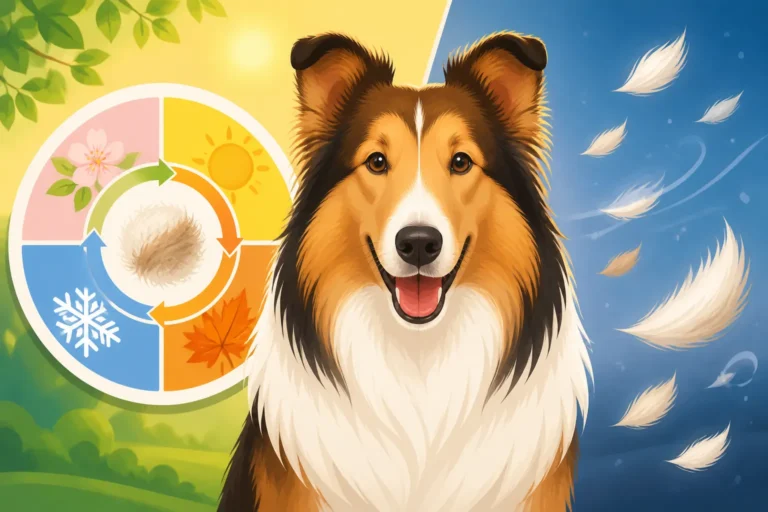
Collies, particularly the Rough Collie, are double-coated dogs, and they shed – a lot. They typically have two major "coat blows" a year, usually in spring and fall, when they shed their entire undercoat to prepare for the upcoming season. During these times, the amount of hair you find in your carpet will be staggering. It will seem endless, and you'll find yourself wondering How Much Undercoat a Collie Drops.
However, even outside of these major seasonal events, Collies do shed year-round, albeit to a lesser extent. This means you'll always have some level of maintenance to contend with. Understanding this natural cycle helps set realistic expectations. You can prepare for the heavier shedding periods with extra grooming and more frequent, intensive cleaning, and then relax a little during the quieter times.
The Emotional Toll of Constant Cleaning
It's okay to admit it: the constant battle against pet hair can be incredibly frustrating and even emotionally draining. You spend time cleaning, only for a fresh layer of fluff to appear seemingly moments later. It can feel like a Sisyphean task, a never-ending cycle that makes you wonder if your home will ever feel truly clean again. This feeling is totally valid! Many Collie owners share this exact sentiment.
It’s easy to get caught up in the desire for a perfectly pristine home, but with a Collie, a certain level of hair is just part of the package. Don't let the quest for perfection overshadow the joy your dog brings into your life. Validate your frustration, but then consciously choose to focus on the positive aspects of Collie ownership – their loyal companionship, their intelligence, their gentle nature. A little perspective can go a long way in managing the emotional burden of the fluff.
Making Peace with a Hairy Home
Ultimately, making peace with a hairy home is part of embracing life with a Collie. It means understanding that your priorities might shift from immaculate floors to a happy, healthy dog. Develop a routine that you can stick to without feeling overwhelmed. Maybe it's a quick vacuum every evening, and a deeper clean on weekends. Perhaps you designate certain "Collie zones" with easy-to-clean rugs or throws, and let the rest of the house be slightly less prone to hair.
Keep your grooming tools easily accessible and make brushing a positive, bonding experience with your dog. Consider practical solutions like keeping lint rollers by the door for a quick de-fluff before heading out, or having a dedicated "Collie towel" for their bed. Whether a Collie's Hair Weaves Into Fabric is a real problem, so choosing fabrics wisely helps. Remember, your Collie isn't deliberately trying to make a mess; it's just a natural part of who they are. Their love, loyalty, and beauty far outweigh the minor inconvenience of a little extra vacuuming.
| Tool/Method | Primary Action | Best Use Case | Frequency |
|---|---|---|---|
| High-Suction Vacuum | Lifts and extracts embedded hair | All carpeted areas | Daily or every other day, especially high-traffic |
| Rubber Broom/Rake | Agitates carpet, pulls hair to surface via static | Pre-vacuuming, stubborn areas | Before vacuuming, as needed |
| Damp Rubber Glove | Grips and clumps hair via friction | Stairs, upholstery, quick spot cleaning | As needed for specific areas |
| Undercoat Rake | Removes loose undercoat from the dog | Regular dog grooming | 2-3 times/week (more during coat blow) |
| Washable Area Rugs | Provides easily cleanable surface | High-Collie-traffic zones, entryways | Wash as needed, vacuum regularly |
| Professional Clean | Deep cleans, extracts years of embedded hair | Entire house carpeting | Annually or bi-annually |
Disclaimer
This article is for general informational purposes only and does not constitute professional advice. Laws, prices and regulations vary by location and change over time. Consult a qualified professional for guidance on your specific situation.