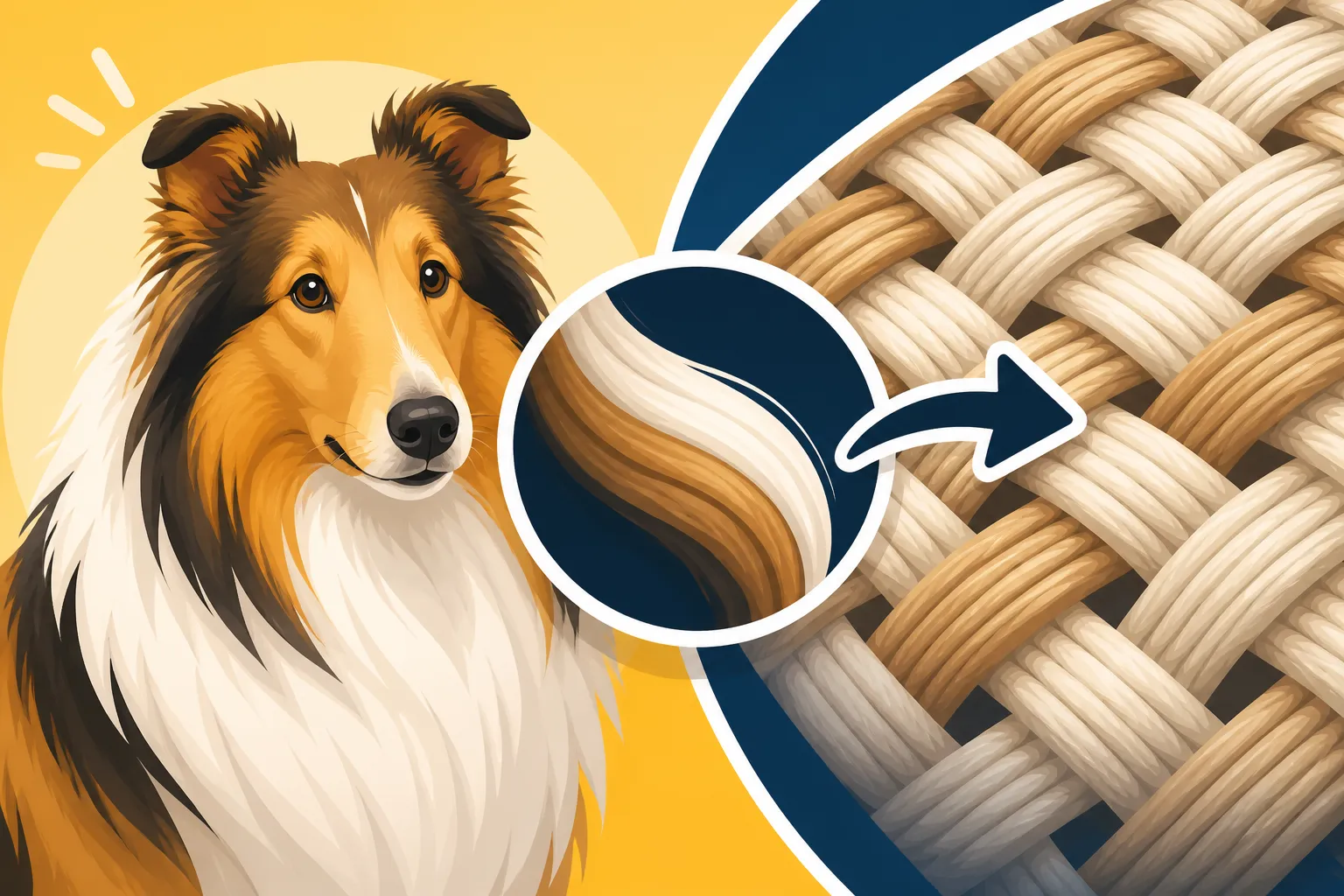
Whether a Collie’s Hair Weaves Into Fabric
If you're a proud Collie owner, you've probably faced the perplexing reality that your beloved dog's luxurious coat doesn't just shed; it weaves itself into the very fabric of your life, quite literally. That beautiful, fluffy hair doesn't just sit on top of your couch cushions or your favorite wool sweater; it seems to meld with the fibers, becoming an intrinsic part of the textile. This guide is dedicated to explaining precisely why Collie hair seems to defy easy removal, which materials are most susceptible, and most importantly, how you can effectively tackle this persistent challenge to keep your home feeling like yours, not just your Collie's.
The Unique Properties of Collie Hair That Cause Weaving
It’s not your imagination; Collie hair really does behave differently than the fur of many other breeds when it comes to embedding itself in fabric. Understanding the unique characteristics of a Collie's coat is the first step to truly appreciating (and perhaps, despairing over) this phenomenon.
Double Coat Dynamics and Texture
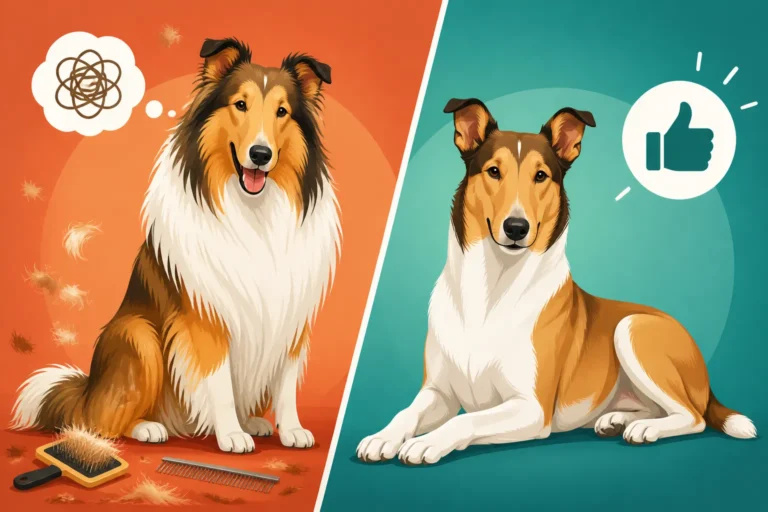
Collies possess a magnificent double coat, a defining feature that grants them their regal appearance and provides insulation against the elements. This coat consists of two distinct layers: the longer, coarser guard hairs and the dense, soft undercoat. The guard hairs are what you typically see—they provide protection and give the coat its structure and sheen. Beneath these lies the thick, woolly undercoat, which is incredibly fine and serves as the primary insulator.
When a Collie sheds, especially during its biannual "coat blow" (which can feel like The Three Weeks Twice a Year When a Collie Buries Your House), both types of hair are released. The guard hairs, while long, are often smooth enough to be somewhat easily removed from many surfaces. It's the undercoat that causes the real headache. These hairs are much finer, often have a slightly crimped or wavy texture, and are incredibly numerous. When they detach, their microscopic barbs and irregular shape act like tiny anchors, grabbing onto the individual fibers of fabric and intertwining themselves deeply within the weave. Think of it like trying to pull individual threads out of a tightly woven tapestry—it's incredibly difficult because they're designed to interlock.
Electrostatic Cling and Static Electricity
Beyond the physical structure of the hair, static electricity plays a significant role in how deeply Collie hair can adhere to and weave into fabrics. As your Collie moves around, rubs against furniture, or even just walks across a carpet, friction builds up static charge. This charge then causes loose hairs to become highly attracted to oppositely charged surfaces, which are often the synthetic fibers common in upholstery, carpets, and clothing.
Once these statically charged hairs land on a fabric, they don't just sit there. The static cling helps pull them into the fabric's weave, embedding them more deeply than gravity alone would allow. It's a frustrating combination: a perfectly designed hair structure for weaving, amplified by the invisible force of static. This is particularly noticeable in drier environments or during colder months when static electricity tends to be more prevalent.
Common Fabrics and Furniture Most Affected
You’ve likely discovered that some items in your home become virtual hair magnets while others seem to fare a bit better. This isn't just luck; certain materials and types of furniture are inherently more prone to letting Collie hair weave itself in, making cleanup a monumental task.
Upholstered Furniture and Carpets
Upholstered furniture, especially pieces with a textured weave like tweed, chenille, or even some microfibers, are prime targets. The very nature of their construction, with numerous small loops and fibers, provides ample opportunity for those fine undercoat hairs to latch on. Once embedded, they become a permanent resident until painstakingly removed. Imagine trying to pull out hundreds of tiny, invisible threads from a dense fabric—that's what you're up against. Dark-colored furniture can often highlight lighter sable or tri-color Collie hair, making the problem visually more jarring.
Carpets, particularly those with a deep pile or loop construction, are another notorious battleground. The dense network of fibers on a carpet's surface is practically an open invitation for Collie hair to nestle in and weave. Regular vacuuming might pick up the surface fluff, but the embedded hair requires a much more vigorous and specialized approach. It's truly astonishing What a Collie's Undercoat Does to a Carpet after even just a few days without focused attention.
Clothing and Car Interiors
Your wardrobe is not safe, and neither is your car! Clothing made of natural fibers like wool, cotton blends, or even some synthetic fleeces are particularly vulnerable. The looser weave and fuzzy texture of many sweaters, blankets, and even denim can quickly become indistinguishable from a Collie's undercoat. You put on a fresh outfit, sit down, and suddenly you're covered in a fine layer of perfectly woven-in hair.
Car interiors present a similar challenge, often worse because the fabric in car seats and floor mats is designed for durability and is typically a tight, low pile or looped material that acts like Velcro for dog hair. The confined space means every loose hair has nowhere to go but into the upholstery. Plus, the constant rubbing as you get in and out, or as your Collie shifts positions, only serves to further drive those hairs deeper into the fabric's weave.
| Fabric Type | Hair Weaving Likelihood | Removal Difficulty |
|---|---|---|
| Velvet | High | Moderate |
| Chenille/Tweed | High | High |
| Loose-weave Cotton | High | Moderate |
| Fleece | High | High |
| Denim | Moderate | Moderate |
| Microfiber (textured) | High | Moderate |
| Leather/Faux Leather | Low | Low |
| Silk/Satin | Low | Low |
| Tight-weave Canvas | Low | Low |
Strategies to Prevent Hair From Weaving Into Fabric
While completely eliminating Collie hair from your life is a fanciful dream, you can absolutely minimize the amount that weaves itself stubbornly into your belongings. Prevention is always easier than a cure when it comes to dog hair.
Consistent and Thorough Grooming
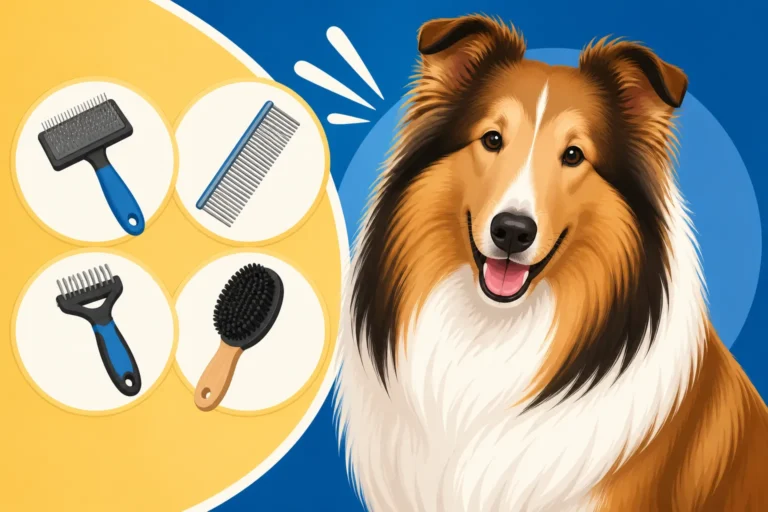
The most effective line of defense against woven-in hair is to remove it from the source: your Collie! Regular, thorough grooming, especially line brushing, is paramount. You need to reach past the topcoat to the undercoat and pull out all that loose, dead fluff before it has a chance to shed onto your furniture. This is where tools like a good slicker brush, an undercoat rake, and a sturdy metal comb come into their own. Learning How to Line Brush a Collie properly will make a world of difference. During heavy shedding periods, like their major coat blows, you might find yourself brushing daily for 30-60 minutes.
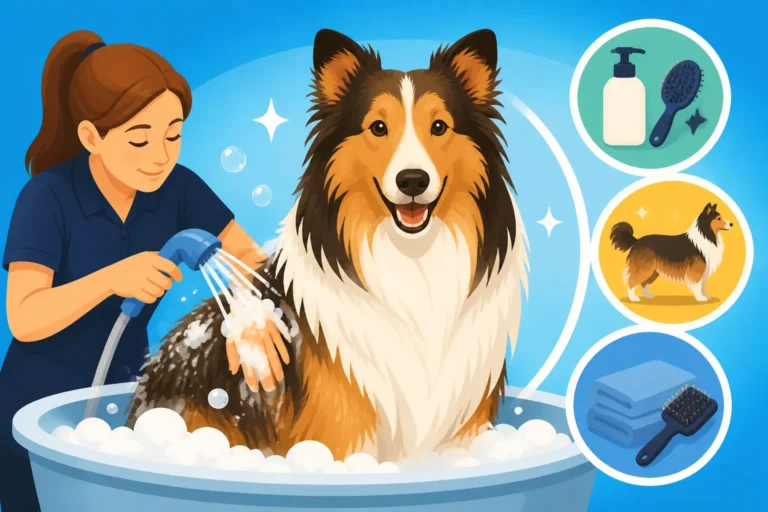
Don't forget to use a detangling spray or a conditioning mist before brushing to prevent static and reduce breakage, making the hair smoother and less likely to cling. You can find excellent grooming tools and sprays on sites like Chewy, making it easy to stock up on essentials. The more hair you remove on the brush, the less there is to weave into your sofa.
Strategic Use of Covers and Fabric Choices
This might sound obvious, but covering furniture your Collie frequents is a game-changer. Invest in dedicated throws, blankets, or even fitted slipcovers that are specifically designed for pets. Look for materials that are either very smooth (so hair can't easily embed) or that are easily washable and quick-drying. Options like tightly woven denim, certain canvas materials, or even specialized pet blankets often repel hair better than your existing upholstery. You can find a vast selection of these on Amazon.
Consider your fabric choices when buying new furniture or bedding. Opt for smoother, tighter weaves, or even materials like leather or faux leather, which are notorious for being easy to wipe clean of pet hair. While they might still get hair on them, the hair will sit on the surface rather than becoming part of the fabric itself. Whether a Collie Owner Should Buy Washable Covers isn't a question of if, but when.
Controlling Static Electricity in Your Home
Since static electricity contributes significantly to hair embedding, managing it indoors can help. Use a humidifier, especially in dry climates or during winter, to add moisture to the air. This reduces static charge on both your Collie's coat and your fabrics. You can also use anti-static sprays on carpets and upholstery. When drying pet bedding or throws, add a dryer sheet or a wool dryer ball to the machine to further reduce static cling. Regularly wiping down surfaces with an anti-static cloth can also help prevent loose hairs from jumping onto and sticking to furniture.
How to Effectively Remove Woven-In Collie Hair
So, despite your best efforts, that tenacious Collie hair has still managed to weave itself into your favorite armchair. Don’t despair! There are specialized tools and techniques that can help you extract even the most stubbornly embedded strands.
Specialized Tools and Techniques
Forget your standard lint roller for deeply woven hair; you need something with more power and friction. Rubber tools are incredibly effective because the rubber creates a static charge and friction that helps pull embedded hair to the surface. Items like rubber gloves, rubber-bristled brushes (often sold as pet hair removers), or even a clean squeegee can work wonders on upholstery and carpets. Simply put on a rubber glove, dampen it slightly, and rub your hand across the fabric in one direction. You’ll be amazed at the clumps of hair that roll up.
For carpets, a stiff-bristled brush or a carpet rake can agitate the fibers and bring the hair to the surface before vacuuming. There are also specialized pet vacuums on the market, many available through retailers like Chewy or Amazon, that feature strong suction and brush rolls designed to lift pet hair from deep within carpet piles. While Whether a Robot Vacuum Copes With a Collie is a valid question for daily surface hair, for woven-in hair, you'll often need a more powerful, hands-on upright or canister model.
Steam Cleaning and Lint Brushes
Steam cleaning can also be a surprisingly effective method for loosening deeply embedded hair. The moisture and heat can relax fabric fibers, making it easier for a vacuum or brush to extract the hair. After steam cleaning, go over the area with a stiff brush or a powerful vacuum while the fabric is still slightly damp. Always test a small, inconspicuous area first to ensure the fabric is colorfast and won't be damaged by steam.
For clothing and smaller textile items, dedicated lint brushes with a directional fabric (like velvet or micro-suede) are often more effective than sticky rollers for embedded hair. These brushes use friction to grab and pull the hair out of the weave. Rub the brush firmly in the direction indicated on the tool, and then reverse to clean the hair off the brush itself. For stubborn areas on clothing, a pumice stone or a fine-toothed pet comb can sometimes be gently scraped across the fabric to lift the hair, but use extreme caution to avoid damaging the material.
The battle against woven-in Collie hair is a continuous one, but with the right understanding of your Collie's coat, proactive prevention, and the correct tools, you can keep your home cleaner and more comfortable for both you and your furry family member. It truly makes a difference in your daily life when you have fewer reminders of How Much Hair Comes Off a Collie in a Session clinging to every single surface.
Disclaimer
This article is for general informational purposes only and does not constitute professional advice. Laws, prices and regulations vary by location and change over time. Consult a qualified professional for guidance on your specific situation.