Whether a Collie Needs Sunscreen
The question of whether your beloved Collie needs sunscreen is one that many owners ponder, especially as the seasons change and the sun gets more intense. It’s natural to want to protect our furry family members, and seeing their delicate pink noses or sparse patches can make you wonder if they're as vulnerable as we are to the sun's harsh rays. This guide will help you understand your Collie's unique skin and coat protection and pinpoint exactly when and where a little extra sun care might be a lifesaver.
Understanding Your Collie's Natural Sun Protection
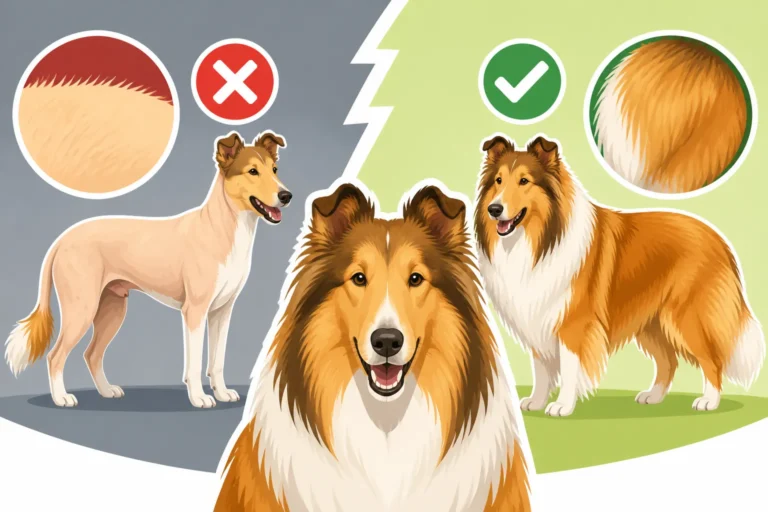
When you look at a Rough Collie, with that magnificent, dense double coat, it's easy to assume they're practically invincible against the elements, including the sun. For Smooth Collies, the coat is shorter, but still remarkably protective. However, relying solely on that fur can be a mistake, as there are nuances to how a Collie's coat and skin interact with sunlight.
The Double Coat: A Built-In Shield?
A Collie's double coat is truly a marvel of natural engineering. It consists of a soft, dense undercoat that provides insulation and a longer, harsher outer coat (or guard hairs) that repels water, dirt, and yes, to a large extent, harmful UV radiation. This protective layer acts like a natural umbrella, shading the skin beneath. It helps regulate their body temperature, keeping them warm in winter and surprisingly cool in summer by preventing direct sunlight from heating their skin, and allowing air to circulate. Many people wrongly assume that a thick coat means a dog is constantly hot, and while Whether a Collie Overheats in Its Coat is a valid concern, the coat actually works to protect them.
However, this natural shield isn't impenetrable, and it's certainly not perfect everywhere. Think of it like wearing a wide-brimmed hat: it protects your face, but your ears or neck might still be exposed depending on the angle of the sun. For Collies, certain areas simply don't have the same dense coverage, or their skin pigmentation might leave them more susceptible to damage. It's why we never recommend shaving a Collie down in summer, as that dense coat is their best defense against both heatstroke and sunburn. As discussed in Why a Collie Should Never Be Shaved, removing this protective layer actually exposes their delicate skin to direct sun, making them more prone to sunburn and subsequent skin issues, not less.
Pigmentation and Vulnerability: Not All Collies Are Equal
Just like in humans, a Collie's skin and coat color play a significant role in their susceptibility to sun damage. Dogs with darker pigmentation, especially black or deep sable fur and black skin, generally have more melanin, which offers a degree of natural protection against UV radiation. Their noses are often jet black, providing a good barrier.
However, many Collies, particularly those with lighter sable and white markings, blue merle patterns, or dominant white coloration, often have areas of pink, unpigmented skin. This is especially true on their bellies, inner thighs, and anywhere the fur is sparse or white. A pink nose, or a nose that has lost some of its pigment, sometimes called "snow nose" or depigmentation, is highly vulnerable. These unpigmented areas are essentially like human skin without sunscreen – completely exposed and prone to burning. Even a blue merle Collie, with its striking gray and black patches, can have significant areas of pink skin, particularly on its nose, eyelids, and sparsely haired regions. This variability means that a one-size-fits-all approach to sun protection simply doesn't work; you need to assess your individual Collie.
Common Misconceptions About Collie Coats and Sun
There's a prevailing myth that a dog's fur, no matter how sparse, offers complete sun protection. While a Collie's double coat is excellent, it's not a magical shield. Another common misconception is that only dogs with short or thin coats get sunburn. This overlooks the vulnerability of areas with naturally thinner hair on Collies, such as the insides of their ears, their bellies, or the bridge of their nose.
Furthermore, some owners might believe that a Collie's outdoor activities are too brief to cause harm. However, even short, repeated exposures can accumulate damage over time, leading to premature aging of the skin, dryness, and in severe cases, an increased risk of skin cancer. Think of how quickly you can get a sunburn on a bright, slightly cloudy day at the park – the same applies to those vulnerable areas on your Collie. It's about being proactive and understanding that sunlight isn't just about heat, but about UV radiation.
Identifying Areas Where Sunscreen Might Be Necessary
While your Collie’s magnificent coat does a great job protecting the majority of their body, there are specific, sensitive spots that are far more prone to sun damage. These are the areas where you need to be particularly vigilant and consider applying a dog-specific sunscreen. Ignoring these spots can lead to discomfort, pain, and long-term health issues for your furry friend.
The Delicate Nose and Eyelids
Without a doubt, the nose is one of the most exposed and sensitive areas on a Collie, especially if it's pink or depigmented. A Collie's nose is not only highly sensitive but also lacks the protective fur covering of other body parts. It's often the first place to show signs of sunburn, turning red, peeling, or even blistering. This is particularly true for Collies with light-colored or "Dudley" noses, where the pigment is naturally absent or very pale. The Collie's Nose, Eyes and the Sun highlights how crucial this area is. Even a black-nosed Collie can experience sun damage if their nose leather becomes dry or cracked, losing its natural protective oils.
Similarly, the delicate skin around their eyelids and the inner corners of their eyes are highly vulnerable. If your Collie spends a lot of time squinting in bright sun, or if the fur around their eyes is sparse, this area can easily burn. Repeated sun exposure here isn't just uncomfortable; it can contribute to more serious eye conditions over time. It's a tricky area to apply sunscreen to, given the proximity to the eyes, which is why choosing a non-toxic, pet-safe product is absolutely paramount.
White and Lightly Pigmented Areas
Any patch of white fur, especially where the skin underneath is pink rather than black, is a potential target for the sun. This often includes areas like the top of the muzzle, the tips of the ears (especially if they're thinly furred), the belly, and the inner thighs. Collies with extensive white markings, such as those with a significant white collar or "Irish spotting," will have more of these vulnerable spots. While the dense fur might offer some protection, a Collie lying on its back enjoying the sun could easily expose its belly to harmful rays.
Even certain types of skin conditions can make these areas more susceptible. For instance, some Collies might develop skin sensitivities or experience thinning of the coat due to allergies or other health issues, creating new areas of vulnerability. It's all about observing your individual dog and understanding where their natural defenses might be compromised.
Thinning Hair or Scars
Beyond natural pigmentation, any area on your Collie where the fur is thinning, or where there are scars, is an open invitation for sun damage. Old surgical sites, patches where they've chewed or scratched excessively due to irritation, or areas affected by skin conditions like Dermatomyositis and the Collie Risk Panel can have significantly reduced hair growth. The skin in these areas is often more delicate and has less natural protection.
For older Collies, their coat can naturally thin over time. Caring for a Collie Past Nine often involves noticing these subtle changes in their fur density. Patches on their elbows, hocks, or even along their back can become sparser, exposing the skin to the sun. It's crucial to regularly check your Collie's skin, especially if they have a history of dermatological issues or are senior, to identify these thinning spots before they become a problem. A scar from an old injury might not seem like a big deal, but a bald, exposed scar can burn painfully.
When and How to Apply Dog-Specific Sunscreen
So, you've identified those vulnerable spots on your Collie. Now what? The key is to be prepared with the right product and know how to apply it safely and effectively. It’s not about slathering them from head to tail, but about targeted protection for those delicate areas.
Choosing the Right Product
This is perhaps the most critical step: never use human sunscreen on your dog. Many human sunscreens contain ingredients like zinc oxide and para-aminobenzoic acid (PABA), which are toxic to dogs if ingested. And let's be realistic, your Collie is highly likely to lick off anything you put on their skin. That's why you absolutely must use a sunscreen specifically formulated for dogs. These products typically use titanium dioxide as their active ingredient, which is safer if swallowed, or natural oils that offer some UV protection.
When you're shopping, look for products clearly labeled "dog sunscreen" or "pet safe sunscreen." Brands like EPIPET or My Doggy sunscreen are often recommended, and you can usually find them at reputable pet supply stores or online retailers like Chewy or Amazon. Always read the ingredient list carefully, even on pet-specific products, to ensure there are no hidden nasties. If you're unsure, ask your veterinarian for a recommendation. They know your Collie best and can guide you to a safe and effective option.
Application Tips and Frequency
Applying sunscreen to a wriggly Collie can be a bit of an art form. Here are some tips:
- Start Small: Begin with a pea-sized amount and work it into the vulnerable areas.
- Focus on Key Spots: Concentrate on the nose, ear tips, around the eyes (being extremely careful not to get it in their eyes), inner thighs, and any pink belly spots. For a Collie with a light-colored nose, remember that The Collie's Nose, Eyes and the Sun is paramount, so apply generously there.
- Rub it In: Don't just dab it on. Gently rub the sunscreen into the skin until it's absorbed as much as possible. This reduces the amount that can be licked off immediately.
- Distract and Reward: Apply it just before mealtime or a favorite game. This gives the sunscreen a few minutes to soak in while their attention is elsewhere. Immediately follow up with a high-value treat.
- Patch Test: If your Collie has sensitive skin, apply a tiny bit to a small area first to check for any reaction before full application.
- Frequency: Reapply every 2-4 hours, especially if your Collie has been swimming, rubbing against things, or licking excessively. If you're spending a full day outdoors, don't skimp on reapplications.
Remember, a little goes a long way, but consistent application on those exposed areas is key to preventing sunburn.
Recognizing Signs of Sunburn
Even with the best intentions, sometimes a little burn can happen. Knowing the signs of sunburn in your Collie is important so you can act quickly to provide relief.
- Redness and Inflammation: The most obvious sign, just like in humans. The skin will appear pinker or redder than usual, often warm to the touch.
- Tenderness and Pain: Your Collie might flinch or pull away when you touch the affected area. They may seem restless or uncomfortable, especially if trying to lie down on the burned skin.
- Peeling Skin: After a day or two, the burned skin might start to flake or peel, similar to a human sunburn.
- Blistering: In more severe cases, blisters can form, which are painful and can easily become infected.
- Licking or Chewing: An irritated Collie will often try to soothe the area by excessively licking or chewing, which can exacerbate the problem and introduce bacteria.
If you suspect your Collie has a sunburn, gently apply a cool compress to the affected area. For mild cases, a thin layer of aloe vera (ensure it's pure aloe, without any added chemicals or alcohol) can be soothing, but monitor for licking. For anything more severe, like blistering, significant pain, or if your Collie seems lethargic or unwell, contact your vet immediately. Sunburns can be more than just uncomfortable; they can lead to infections and long-term skin damage.
| Vulnerable Area | Why It's Vulnerable | Sunscreen Application Notes | Signs of Sunburn |
|---|---|---|---|
| Nose (especially pink) | Lacks fur, highly sensitive, often unpigmented. | Apply generously, reapply often. Use pet-safe stick or cream. | Redness, dryness, cracking, peeling, tenderness. |
| Ear Tips | Thin fur, delicate skin, easily exposed to overhead sun. | Gently rub a small amount onto the outer and inner tips. Avoid getting inside the ear canal. | Red, scaly, crusty edges, pain when touched. |
| Eyelids | Very delicate skin, sparse fur, constant exposure. | Use extreme caution. A tiny dab of stick sunscreen. Avoid direct contact with the eye itself. | Redness, swelling, squinting, excessive tearing. |
| Belly/Groin | Thin fur, often pale or pink skin, exposed when lying. | Apply when Collie is relaxed, ensure it's absorbed. | Red blotches, warm to touch, possible tenderness. |
| Thin/Scarred Patches | Reduced natural fur protection. | Target specific patches, ensure good coverage. | Redness, irritation, increased tenderness in scar tissue. |
Beyond Sunscreen: Holistic Sun Safety for Collies
While dog-specific sunscreen is an invaluable tool for protecting your Collie's vulnerable spots, it's just one piece of the puzzle. A truly comprehensive approach to sun safety involves a combination of smart habits, environmental adjustments, and proactive care. Think of it as creating a sun-safe lifestyle for your furry friend, minimizing their overall exposure and protecting them from the ground up.
Shade, Timing, and Hydration
The simplest and most effective way to prevent sunburn and heatstroke in your Collie is to manage their exposure to the sun. This means being mindful of the time of day you take them out. The sun's rays are strongest between 10 AM and 4 PM. During these peak hours, limit outdoor activities to quick potty breaks in shaded areas. Instead, schedule walks and playtime for early mornings or late evenings when the sun is lower and less intense. Even on cloudy days, UV rays can still penetrate, so don't be complacent.
Providing ample shade is also critical, whether in your backyard or at a park. If your Collie spends time outdoors, ensure they always have access to a shaded retreat, whether it's a large tree, an umbrella, or a covered patio. Coupled with shade, hydration is paramount. Always have fresh, cool water available, especially after any outdoor activity. A Collie can become dehydrated quickly in the heat, and symptoms of heatstroke can escalate rapidly. While a Collie might not need a cooling vest just to sit in the yard, ensuring they have water to drink helps them regulate their internal temperature. How Much Water a Collie Drinks a Day is crucial knowledge for any owner, particularly in warmer weather.
Protective Clothing and Gear
For Collies with significant unpigmented areas, particularly on their back, flanks, or belly, or those with very thin coats due to age or health conditions, protective clothing can offer an excellent layer of defense. While it might sound a bit silly at first, doggy sun shirts or rash guards made from UPF-rated fabric are becoming increasingly popular and effective. These lightweight garments are designed to block UV rays without causing overheating, unlike some heavier fabrics.
You can find a variety of styles and sizes on platforms like Amazon or Chewy. Look for breathable fabrics that allow air circulation. Some even come with built-in cooling properties when wet. For those Collies with a tendency to get sunburned ears, specialized ear covers or snoods can also provide protection. While your Collie's main coat offers fantastic protection generally, these items are great for targeted areas or for dogs who will be spending extended periods outside, perhaps during a long day at an outdoor event like those described in How a Collie Copes at a Busy Event. Just ensure any gear you choose fits well and doesn't restrict movement or cause irritation.
Regular Vet Checks for Skin Health
Maintaining your Collie's overall skin health is a preventative measure against sun damage. A healthy coat and skin barrier are naturally more resilient. Regular grooming not only keeps their coat in good condition but also allows you to routinely inspect their skin for any unusual spots, redness, dryness, or thinning patches. Catching these issues early means you can address them before they become more severe and susceptible to sun damage.
During your Collie's annual or biannual veterinary check-ups, make sure to discuss any skin concerns you have. Your vet can perform thorough skin examinations, identify any underlying dermatological conditions, and recommend specific diets or supplements that promote skin and coat health. Sometimes, a vet might even suggest a specialized diet, such as those offered by services like Ollie, to help support skin integrity from the inside out. They can also advise on specific preventative measures, particularly if your Collie has a history of skin issues or is predisposed to conditions like Dermatomyositis and the Collie Risk Panel, which can make skin more fragile and sun-sensitive. Being proactive with your vet about skin health is a fantastic way to build up your Collie's natural defenses against the sun and many other environmental stressors.
Ultimately, your Collie's health and comfort are in your hands. Understanding their unique needs when it comes to sun exposure, employing a combination of common-sense practices, and utilizing targeted protection like dog-specific sunscreen, will ensure your loyal companion can enjoy the great outdoors safely and happily for years to come.
Disclaimer
This article is for general informational purposes only and does not constitute professional advice. Laws, prices and regulations vary by location and change over time. Consult a qualified professional for guidance on your specific situation.