How to Work Out a Mat Behind a Collie’s Ear
One of the most frustrating and often painful issues for any Collie owner is discovering a stubborn mat tucked away behind their beloved dog's ear. This isn't just a cosmetic problem; these tangled knots can quickly pull on the delicate skin, causing irritation, pain, and even skin infections if left unchecked. This comprehensive guide will walk you through exactly why these mats form in such a sensitive spot and, more importantly, provide a gentle, step-by-step approach to safely and effectively remove them, ensuring your Collie stays comfortable and beautiful.
Why Mats Form Behind a Collie's Ears
The area behind a Collie's ears is a notorious hotspot for matting, and it's not just bad luck. Several factors conspire against that soft, fluffy hair, making it a prime candidate for tangles. Understanding these reasons is the first step in prevention and effective removal.
The Unique Texture of Ear Hair
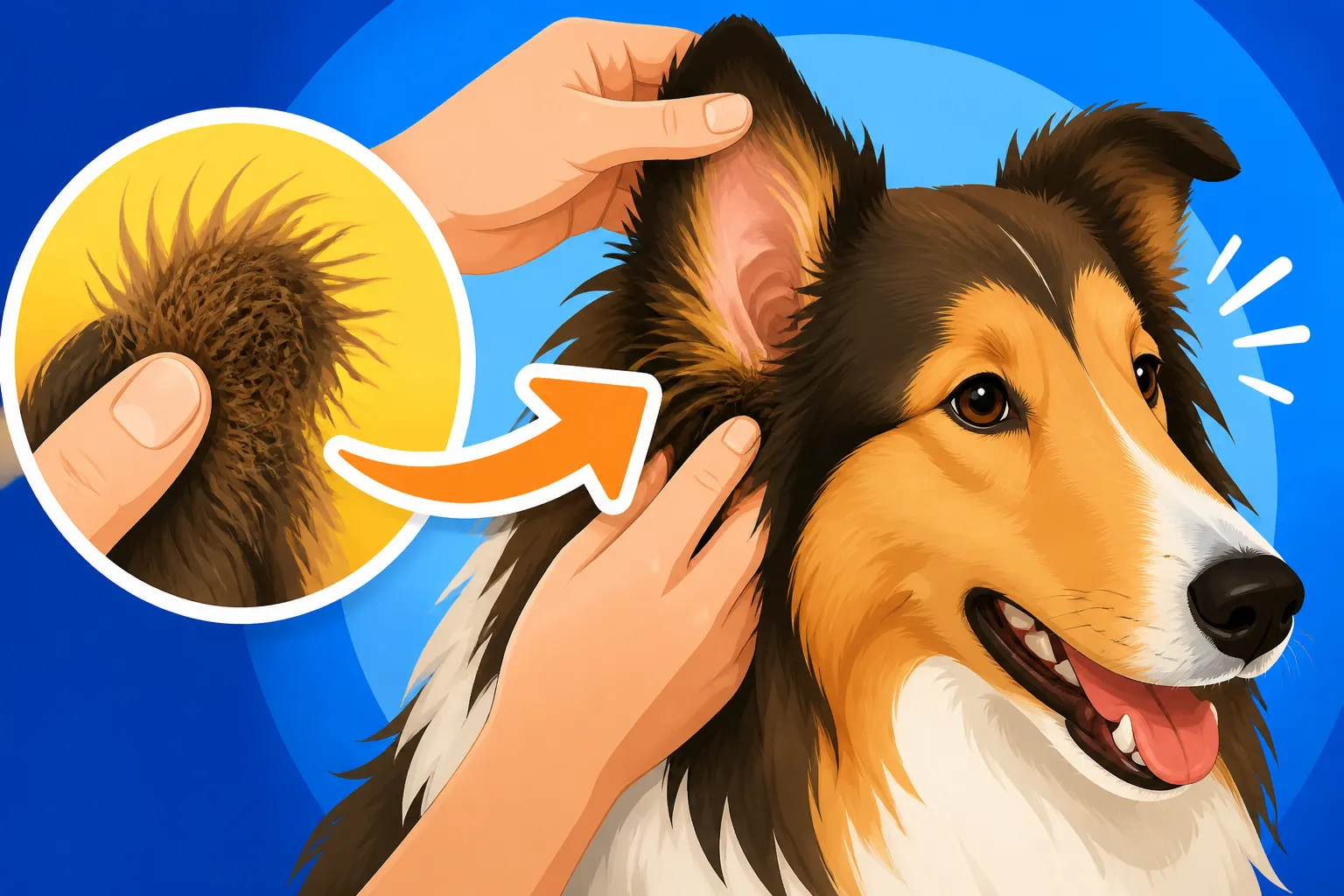
Unlike the coarser guard hairs that make up much of a Collie's impressive outer coat, the hair directly behind and underneath the ears tends to be much finer and softer. Think of it as almost downy or silky. This delicate texture is naturally more prone to tangling and knotting than the stronger, straighter hair on other parts of their body. When these fine strands intermingle, especially with any movement or moisture, they can lock together incredibly quickly, forming a dense, tight knot that can feel like felt.
Furthermore, this particular hair isn't usually line-brushed as frequently or thoroughly as the main body coat, simply because it's a bit out of sight and out of mind until a problem arises. The combination of its soft, clingy nature and often insufficient attention means it can go from a slight tangle to a formidable mat in what feels like mere hours. It's a silent trap for unsuspecting Collie owners, and once established, these mats can cling tightly to the skin, making removal a delicate operation.
Friction and Movement
Collies are active, expressive dogs, and the constant movement of their heads, ears, and neck muscles creates a perfect storm for friction. Every time your Collie shakes their head, rubs against furniture, or plays with another dog, those soft hairs behind the ears are rubbing against themselves and anything else they come into contact with. This friction causes the hair cuticles to lift and snag, initiating the matting process.
Consider also the role of collars, harnesses, or even bandanas. While essential for control and identification, these accessories can constantly rub against the hair behind the ears and along the neck. Over time, this repetitive motion, especially if the fit isn't quite right or if your Collie has a thick "frill" (the long hair around the neck), can compress and abrade the delicate hairs, creating a solid mass of tangled fur. It's an unavoidable part of dog ownership, but recognizing its contribution helps in managing the problem.
Moisture and Dirt Accumulation
Moisture is a mat's best friend. Whether it's from a bath that wasn't thoroughly dried, a dip in the lake, a walk in the rain, or even just drool and condensation from drinking, damp hair is far more likely to tangle and mat. When fine hair gets wet and then dries without being thoroughly brushed out, the strands contract and bind together, making existing tangles even tighter and creating new ones. Imagine trying to comb your own wet hair after letting it air dry in a messy knot – it’s a similar principle for your Collie.
Beyond moisture, dirt, debris, and natural oils also contribute to matting. Dust, pollen, burrs, and tiny twigs picked up during outdoor adventures can become embedded in the soft hair, acting as anchors for tangles. These foreign particles, combined with the natural oils from your Collie's skin and coat, can create a sticky, grimy base that further cements the mat, making it denser and harder to remove. This is why a regular check and brush, especially after outdoor play, is so crucial for preventing these tricky ear mats.
Essential Tools for Tackling Ear Mats
When you find a mat behind your Collie's ear, grabbing just any brush won't cut it. You need specific tools that are designed to safely and effectively untangle without causing your dog undue pain or stress. Having the right arsenal before you start is half the battle.
Specialized Brushes and Combs
First and foremost, you'll need a good quality metal comb with both wide and fine teeth. The wide-toothed section is excellent for gently teasing apart the outer edges of a mat or for general detangling, while the fine-toothed section is invaluable for meticulously working through smaller tangles close to the skin. Look for combs with smooth, rounded teeth that won't scratch your Collie's delicate skin. A quality comb will be a staple in your grooming kit. Which Four Brushes a Collie Owner Needs details other essential tools for your grooming arsenal.
Another indispensable tool is a slicker brush, but specifically one with flexible pins that are gentler on the skin. While often used for general brushing, a slicker brush can be carefully used to work at the edges of a mat, lifting the outer layers of tangled hair. However, it's crucial to use a very light touch, as the fine wires can irritate skin if pressed too hard, especially in a sensitive area like behind the ear. Some groomers also swear by a V-rake or a mat splitter, which has blades designed to slice through mats. These must be used with extreme caution and only by experienced hands, as a slip can cause serious injury. Always place your fingers between the tool and the skin to prevent cutting your dog.
Detangling Sprays and Conditioners
Never try to tackle a dry mat. Period. Dry hair is brittle and much more prone to breaking and causing pain when you try to comb through it. This is where a good quality detangling spray or conditioning spray comes into play. These products lubricate the hair strands, making them slicker and easier to separate. They help to loosen the knots without damaging the hair or pulling on the skin.
When choosing a product, look for one specifically formulated for dogs and preferably one that is leave-in and non-greasy. You can find excellent options from brands available on Chewy or Amazon. Apply the spray generously to the mat, ensuring it penetrates all the way to the core of the tangle. Let it sit for a few minutes to allow the conditioner to work its magic and soften the hair. This step alone can make a world of difference in the ease and comfort of mat removal for your Collie. Whether a Detangling Spray Helps a Collie delves deeper into the benefits of these products.
Safety First: Shears and Clippers
Sometimes, despite your best efforts, a mat is just too tight, too close to the skin, or too painful to comb out. In these situations, grooming shears or clippers become necessary. However, this is where the utmost caution is required. The skin behind a Collie's ears is very thin and delicate, and it can be easily nicked or cut. If the mat is extremely tight, the skin can actually be pulled up into the mat, making it impossible to get a scissor blade or clipper between the mat and the skin without injury.
If you must resort to cutting, always use blunt-nosed safety shears and ensure you can get a finger or a comb between the mat and the skin before making any cut. Even then, only cut small sections at a time, working parallel to the body, not perpendicular, to reduce the risk of injury. For extremely dense or "pelty" mats, clippers with a fine blade (like a #10 or #15) can be a safer option than scissors, as they can often glide under the mat if held correctly, lifting it away from the skin. However, if you are at all unsure, or if the mat is particularly large or close to the ear canal, it is always best to seek the help of a professional groomer or veterinarian. They have the experience and specialized equipment to remove even the most challenging mats safely.
Step-by-Step Guide to Safely Removing Ear Mats
Tackling a mat behind your Collie's ear can be a daunting task, but with patience, the right tools, and a gentle approach, you can successfully free your furry friend from discomfort. Remember, your goal is to be effective without causing pain or fear, as a negative experience can make future grooming sessions a battle.
Preparation and Securing Your Collie
Before you even touch the mat, set yourself and your Collie up for success. Choose a quiet, well-lit area where your dog feels comfortable and secure. A non-slip surface, like a grooming table or even a bath mat on the floor, can help. Gather all your tools – your metal comb, slicker brush, detangling spray, and potentially safety shears or clippers – and have them within easy reach. You might also want some high-value treats to reward your Collie for their cooperation, especially if they're a bit anxious about grooming. Remember, consistency in positive reinforcement during How to Teach a Collie Puppy to Lie Still for Grooming sessions makes a world of difference for adult dogs.
Once your space is ready, gently position your Collie. You'll likely need to have them lie down or sit comfortably with their head turned away from you, exposing the matted area. If your Collie is particularly squirmy, you might need an extra set of hands to help hold and soothe them. Speak in calm, reassuring tones throughout the entire process. Before you start, take a moment to gently feel around the mat to assess its size, density, and how close it is to the skin. This initial assessment helps you plan your approach and identify any particularly sensitive spots.
Gentle Separation and Working Through the Mat
Now for the delicate part. First, liberally spray the entire mat with your detangling solution, making sure it saturates deep into the tangle. Gently massage it in with your fingers and allow it to sit for several minutes. While it soaks, you can gently tease apart the very outer edges of the mat with your fingers, trying to loosen a few strands at a time. The key here is patience; rushing will only cause pain and tighten the mat further.
Next, using your wide-toothed comb, start at the very outer edge of the mat, closest to the ends of the hair, and work your way in. Hold the base of the mat firmly with one hand, pressing your thumb against the skin to prevent pulling on the delicate skin as you comb. This "anchor" technique is crucial to minimize discomfort. Work a few strands at a time, using short, gentle strokes, almost like you're chipping away at the mat from the outside. Once you've loosened a section, switch to the finer-toothed comb for more detailed work. For very stubborn sections, you can carefully use a mat splitter or blunt shears to slice through the mat (never cut straight across) to break it into smaller, more manageable pieces. Always ensure a finger or comb is between the blade and your Collie's skin. Progress might seem slow, but even tiny victories are progress. For techniques on broader coat care, refer to How to Line Brush a Collie.
Post-Mat Care and Conditioning
Once the mat is completely removed, take a moment to carefully inspect the skin underneath. Mats can hide irritated, red, or even broken skin. If you notice any redness, flakiness, or sores, a gentle, veterinarian-approved soothing balm or antiseptic spray can be applied. Keep an eye on the area over the next few days to ensure it heals properly. If the skin looks severely irritated or infected, a trip to the vet is in order.
After the skin is checked, give the newly freed hair a thorough, but gentle, brush with your slicker brush and then a final run-through with your metal comb to ensure no tiny tangles remain. Finish by applying a light leave-in conditioner or a touch more detangling spray to the area. This will help condition the hair and make it less prone to tangling in the immediate future. End the session with plenty of praise, cuddles, and those high-value treats you prepared. Make it a positive experience so your Collie associates grooming with good things, not just discomfort.
Preventing Future Ear Mats
Successfully removing an ear mat is a huge relief, but the true victory lies in preventing them from ever forming again. With a little consistency and understanding of your Collie's unique coat, you can keep those delicate ear hairs tangle-free.
Regular Grooming Routine
Consistency is absolutely key when it comes to preventing mats, especially in those notorious areas like behind the ears. Incorporate a daily or at least every-other-day check and brush of the ear area into your routine. This doesn't have to be a full-blown grooming session; a quick five-minute gentle comb-through with your fine-toothed metal comb is often enough to catch nascent tangles before they escalate. Pay close attention to Mane, Frill and Petticoat: the Parts of a Collie That Mat, as these are common problem spots.
Make this routine a positive experience with treats and praise, and it will become a bonding time for you and your Collie. Remember to use a detangling spray even for these quick sessions to minimize friction and prevent hair breakage. Getting your Collie accustomed to having their ears handled from a young age is invaluable. A comprehensive grooming guide like Four Tools and Twenty Minutes: Brushing a Rough Collie can provide a solid foundation for your overall coat care strategy, ensuring you cover all bases.
Environmental Factors and Lifestyle Adjustments
Your Collie's lifestyle and environment play a significant role in matting. If your dog loves to roll in the dirt, swim, or romp through brush, those soft ear hairs are at higher risk. After any outdoor adventure, particularly if it involves water or vegetation, take an extra moment to thoroughly check and brush behind their ears. Burrs and sticky seeds can become embedded almost instantly, forming a mat around them.
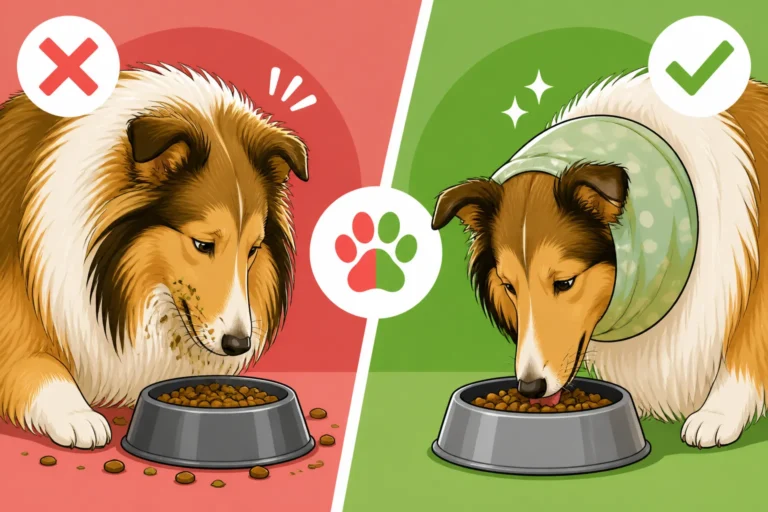
Consider a snood for meal times or during particularly messy outdoor play. A snood is a tube of fabric that covers your Collie's ears, keeping them out of their food bowl and away from environmental debris. While perhaps not the most fashionable accessory, it can save a lot of grooming headaches. Also, ensure your Collie's collar is well-fitted and smooth, as a poorly fitting or rough collar can create constant friction that leads to mats.
Professional Groomer vs. DIY Maintenance
While daily home checks are indispensable, there comes a point where professional help can be a true lifesaver. Even the most diligent owner can miss a spot or find themselves overwhelmed by a particularly stubborn mat. Scheduling regular professional grooming appointments, perhaps every 6-8 weeks, ensures that your Collie's coat gets a thorough going-over by an expert who knows the breed's specific needs.
A professional groomer has specialized tools, techniques, and the experience to tackle mats safely and effectively. They can also provide guidance on your home grooming routine and recommend specific products tailored to your Collie's coat type. Don't view a professional groomer as a failure of your own efforts, but rather as an essential partner in maintaining your Collie's health and comfort. Ultimately, whether it's daily diligence at home, smart adjustments to their routine, or calling in the pros, a multi-faceted approach to ear mat prevention will keep your Collie's beautiful coat pristine and pain-free.
| Tool | Purpose | How it Helps with Ear Mats | Caveats |
|---|---|---|---|
| Metal Comb | Detangling, thorough removal | Separates fine hairs, works through knots from edges. | Must use smooth, rounded teeth; avoid harsh pulling. |
| Slicker Brush | General brushing, surface detangling | Lifts outer layers of hair, helps blend after mat removal. | Use very light touch; flexible pins are best; can irritate skin. |
| Detangling Spray | Lubrication, softening | Makes hair slick, allows comb to glide through knots. | Ensure dog-specific, non-greasy formula; allow time to soak. |
| Mat Splitter / V-Rake | Slicing dense mats | Breaks large mats into smaller, manageable sections. | High risk of injury; only for experienced hands; always protect skin. |
| Blunt-Nosed Shears | Cutting stubborn mats | Safely snips mats that cannot be combed out. | High risk of injury; always get fingers/comb between skin and blade. |
| Clippers (#10/15 blade) | Shaving extremely tight mats | Can get under very dense mats, removing them close to skin. | Requires skill and confidence; can create bald spots; risk of clipper burn. |
Disclaimer
This article is for general informational purposes only and does not constitute professional advice. Laws, prices and regulations vary by location and change over time. Consult a qualified professional for guidance on your specific situation.