Where a Collie Mats First
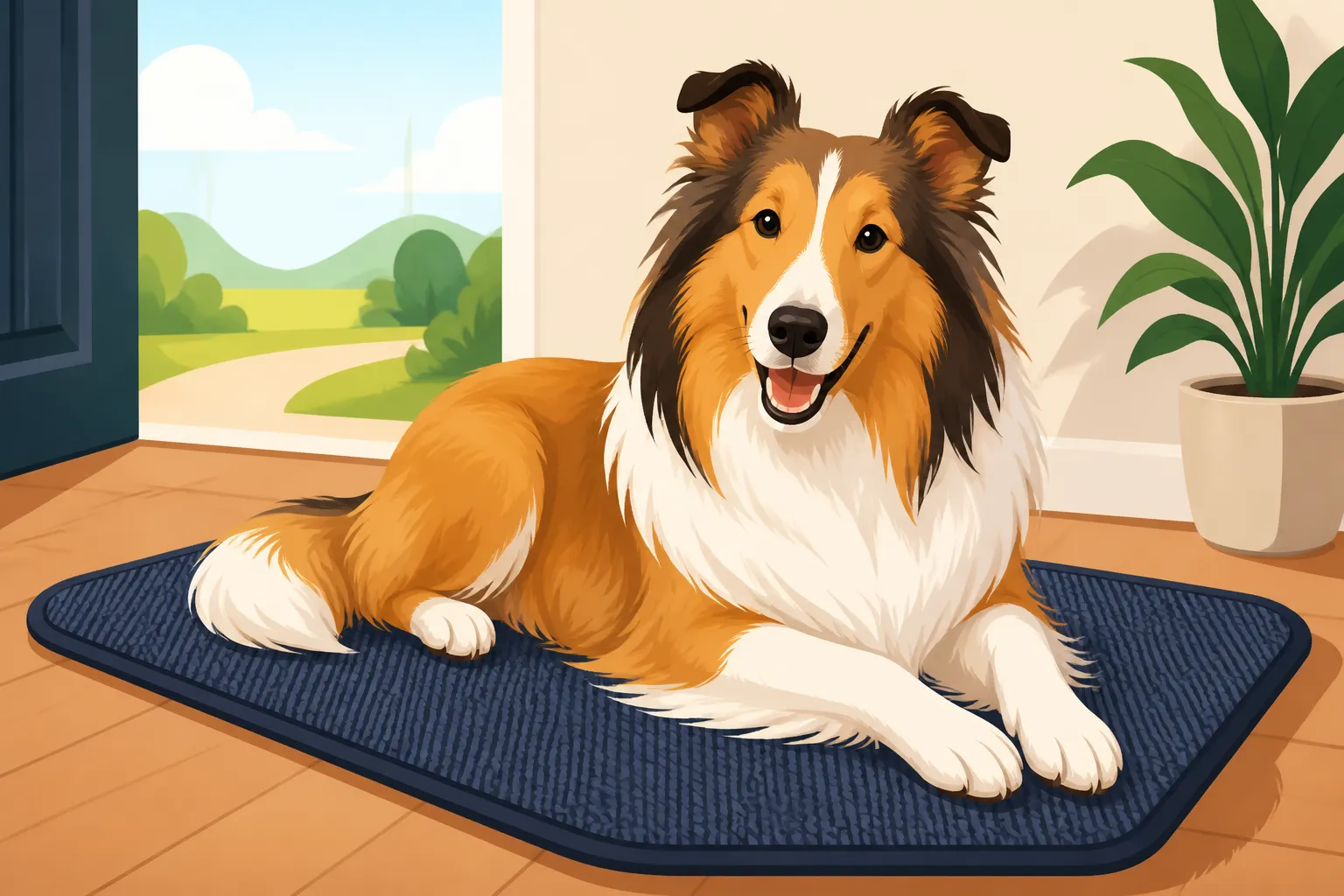
There’s no denying the sheer beauty of a Collie’s magnificent coat – it’s a hallmark of the breed, a flowing masterpiece that turns heads everywhere you go. But beneath that stunning exterior lies a secret struggle many Collie owners know all too well: mats. These tight, painful tangles don't just appear out of nowhere; they tend to gravitate to specific, high-friction areas on your beloved dog. This guide will walk you through the most common culprits for matting, helping you pinpoint these trouble spots so you can tackle them proactively and keep your Collie comfortable and mat-free.
The Insidious Mats Behind the Ears and Under the Chin
If you own a Collie, you’ve likely found a mat or two lurking in this deceptively innocent area. The fine, silky hair behind a Collie’s ears and under their chin is a notorious magnet for tangles, often becoming the first place a serious matting problem takes hold. It’s a combination of delicate fur and constant movement that makes this spot so vulnerable.
Constant Motion and Friction
Think about how much a Collie moves its head throughout the day. They’re listening, tilting their heads when you speak, sniffing the ground on walks, and playfully shaking off. Each of these movements, no matter how small, creates friction where the delicate ear fur rubs against itself or the fur on the neck. This constant rubbing starts to intertwine individual hairs, forming tiny tangles that, if ignored, quickly escalate into solid, felted mats. It's like taking a handful of fine silk threads and constantly agitating them – eventually, they're going to knot.
These mats can also be exacerbated by scratching. If your Collie has an itch behind their ears, whether from allergies, a minor irritation, or just a stray leaf, their frantic scratching only makes the problem worse, driving those fine hairs into an even tighter tangle. What might start as a small knot from a head tilt can become a painful, skin-pulling mat after a vigorous scratch session. It's a cruel cycle: the mat causes discomfort, the dog scratches, and the mat becomes tighter and larger. Regular checks and gentle combing are essential to catch these nascent tangles before they become embedded.
The Impact of Collars and Harnesses
Beyond the natural movement of the head, the equipment your Collie wears plays a significant role in mat formation around the neck and behind the ears. A collar, especially one that fits too snugly or is worn constantly, can create a continuous point of friction. The material of the collar rubs against the fur, particularly the longer hair of the Collie's ruff, leading to a compacted, matted band. This is often worse if the collar isn't cleaned regularly, as dirt and oils can further bind the fur together.
Similarly, harnesses can cause matting around the chest, shoulders, and behind the front legs, but their neck straps can also contribute to the problem under the chin and along the throat. Even a well-fitting harness can compress the fur in these areas. For Collies, it's often a balance between security and comfort. Many owners opt for wider, flat collars made of a smooth material like nylon or leather to minimize friction, or they remove collars entirely when the dog is safely indoors. If you're using a harness, ensure it's not rubbing excessively on the delicate hair around the neck and shoulders. Checking these areas daily, especially after a walk, can prevent small rub spots from becoming formidable mats.
Armpits and the Feathering on Legs: High-Friction Zones
The areas where your Collie's legs meet their body, both front and back, are prime real estate for mats. These spots combine constant motion with often-damp conditions, creating a perfect storm for painful tangles. The long feathering on their legs, while beautiful, is also highly susceptible to matting.
The "Underarm" Mats
The armpits – the area directly behind your Collie’s front legs where they meet the chest – are perhaps one of the most common and painful spots for mats. Why here? Firstly, it's a high-friction zone. Every step your Collie takes, every time they lie down and stand up, their front legs rub against their chest. This constant motion inevitably causes the fur in this delicate area to tangle and felt together. Secondly, it’s a spot where sweat and moisture can accumulate, especially in warmer weather or after exercise. This dampness, combined with friction, creates a sticky environment where hairs quickly bind together.
Furthermore, the fur in the armpits is often finer and softer than the coarser outer coat, making it more prone to tangling. If your Collie rolls around on their back, this action can also compress and knot the fur in the armpits. It's a sneaky spot because it's not immediately visible, often only discovered when a full-blown, rock-hard mat has formed, pulling at the skin and causing significant discomfort. Many owners find that these mats are particularly challenging to work out due to their tight proximity to the leg joint. How to Work Out a Mat Behind a Collie's Ear shares some principles that apply here too, emphasizing patience and appropriate tools.
Leg Feathering and Hocks
The glorious long fur that adorns a Collie's legs, often called "feathering" or "pants" around the rear, is a beautiful trait, but it comes with a high maintenance cost. This flowing hair is constantly dragging through grass, mud, and whatever else your Collie encounters on walks. It acts like a broom, collecting debris that then gets woven into the coat. Moisture from dew, puddles, or even just damp grass further facilitates mat formation, especially when coupled with the natural friction of movement.
The hocks, in particular – the equivalent of our ankles on their rear legs – are notorious for matting because the fur here is often dense and subject to a lot of bending and rubbing as your Collie walks, runs, and jumps. Mats in these areas can restrict movement, making it uncomfortable for your dog to fully extend their legs or even lie down properly. These mats often start small, perhaps a few burrs or sticky bits of plant material getting caught, and then rapidly escalate into larger, solid masses as the hair continues to intertwine. Regular daily checks and careful combing through the feathering and around the hocks, especially after outdoor adventures, are crucial to prevent these unsightly and painful tangles from taking hold.
The Majestic Ruff and Neckline: Hidden Traps
The Collie's magnificent ruff, the dense mane of fur around their neck and shoulders, is one of their most distinguishing features. It provides protection and a regal appearance, but its sheer volume and location make it a high-risk area for mats, especially where it meets collars and harnesses.
Under the Collar Line
As we briefly touched upon, the area directly beneath your Collie’s collar is a classic matting hotspot. This isn't just about the collar rubbing; it's also about the sheer density of the fur in the ruff. The long, thick hair here, designed for warmth and protection, can easily become compressed and tangled when a collar is worn for extended periods. The pressure from the collar, combined with the dog's natural movements, creates the perfect environment for the undercoat to felt together.
Many owners, myself included, have learned the hard way that even a perfectly fitted collar can cause problems if not routinely removed and the area brushed. A smooth, flat collar is generally better than a rolled or chain collar for minimizing damage, but even the best collar will cause matting if not managed. During rainy weather or after a swim, a damp collar on damp fur accelerates mat formation, creating tight, difficult-to-remove knots. It's vital to make it a habit to take off the collar for grooming sessions and to thoroughly brush through the ruff, ensuring no hidden mats are forming. Using a good detangling spray (you can find excellent ones on Chewy) before combing can make a huge difference in gently separating those tricky hairs without causing pain.
The Deep Neckline and Chest
Beyond the immediate collar line, the deeper fur of the Collie’s neckline and chest also presents a significant challenge. This area is subjected to a lot of friction as the dog moves, stretches, and lies down. The longer hairs from the ruff can intertwine with the chest hair, creating large, sprawling mats that are often not visible until they become quite substantial. These mats tend to grow from the skin outwards, tightening with each passing day.
When a Collie "blows its coat" – a seasonal event where they shed copious amounts of undercoat – the loose hair in this dense ruff can get trapped within the remaining coat, forming massive, felted sheets of fur. This is particularly true during spring and fall shedding seasons. When a Collie Blows Its Coat details this messy but natural process, and it's a time when vigilance is paramount. If you're not brushing deeply and systematically through the ruff with tools like an undercoat rake or a wide-toothed comb, you'll inevitably encounter large, difficult-to-remove mats that pull at the skin. These deeper mats require meticulous line brushing, where you part the fur layer by layer, starting from the bottom and working your way up, ensuring you reach all the way down to the skin.
Belly, Groin, and Sanitary Areas: Sensitive and Overlooked
These are often the forgotten zones, tucked away and less visible, but they are critically important for your Collie's comfort and hygiene. The fur here is usually finer, and the areas are prone to moisture and constant rubbing, making them prime candidates for matting.
Inner Thighs and "Pants"
The inner thighs and the fur around your Collie's "pants" (the long feathering on the rear legs, particularly dense at the top of the leg) are high-risk areas due to a combination of factors. The constant friction from the legs moving against each other during walking and running is a primary cause. This area is also susceptible to moisture from urine, especially in males, or simply damp grass, which can cause the fur to stick together and tangle more easily.
Mats in the inner thighs can be particularly painful because they pull at sensitive skin. They can also restrict your Collie’s movement, making them hesitant to fully extend their legs or even sit comfortably. These mats often start small but can quickly grow into large, uncomfortable clumps that collect dirt and debris, leading to potential skin irritation or even infections if left unchecked. A diligent grooming routine must include these less obvious spots, using a slicker brush and then a comb to ensure all loose undercoat is removed and no tangles are forming. Which Four Brushes a Collie Owner Needs provides excellent guidance on the right tools for these areas.
The Base of the Tail and "Skirt"
While not often the first place we think of for mats, the fur at the very base of your Collie's tail, and where it meets the dense "skirt" or "petticoat" of fur around their hindquarters, can become seriously tangled. The tail's constant wagging creates a lot of friction, especially if the fur there is already a bit dry or has loose undercoat. Add to that the fact that this area can come into contact with various surfaces when your Collie sits, lies down, or goes to the bathroom, and you have a recipe for mats.
Mats at the tail base are not only uncomfortable but can also interfere with proper hygiene. They can collect fecal matter or become soiled, leading to further matting and potential skin issues. The fur in this region is typically very dense, making it easy for small tangles to quickly escalate into larger, more formidable mats that are difficult to penetrate with a brush. Gently lifting the tail and thoroughly combing through the fur all around its base and into the "skirt" is an essential part of a comprehensive grooming session. Don't forget to check underneath the tail too, as this area often gets missed.
The Deep Body Undercoat and Seasonal Coat Blow
Sometimes, mats don't form just in high-friction zones but rather deep within the coat, especially during periods of heavy shedding. The sheer volume of undercoat a Collie possesses, coupled with its shedding cycles, means that if not meticulously groomed, mats can develop anywhere on the torso.
"Coat Blow" Havoc
Twice a year, usually in spring and autumn, Collies experience what's known as a "coat blow." This is when they shed their entire undercoat to prepare for the changing seasons. During this period, the amount of loose, dead hair trapped within the still-attached outer guard coat is staggering. If this loose undercoat isn't systematically removed, it quickly compacts and forms vast, flat mats that lie close to the skin. These mats can cover large areas of the back, sides, and belly, effectively "felting" the dog's coat. How Much Undercoat a Collie Drops helps put this volume into perspective.
These "sheet mats" are incredibly difficult to remove once they've formed because they adhere tightly to the healthy skin beneath, causing constant pulling and discomfort. They also prevent air circulation, trapping moisture and heat, which can lead to skin irritation, hot spots, and even fungal or bacterial infections. A Collie going through a coat blow needs daily, dedicated grooming with appropriate tools like a V-rake or an undercoat rake to gently pull out the dead fur without damaging the healthy coat. Skipping even a few days during this critical period can lead to a matting disaster that may require professional intervention.
Neglected Areas: A Matting Catalyst
While some areas are inherently more prone to matting, it’s often the "neglected" spots that turn into major problems. These are the places that are harder to reach, less visible, or simply overlooked during a quick brush. This includes areas like the insides of the hind legs, the curve of the flank, and sometimes even patches on the back if the brushing isn't thorough and deep enough.
A small tangle in a neglected area, perhaps caused by rolling in the dirt or a bit of static electricity, can rapidly grow. The weight of the surrounding hair, combined with daily movement, causes the mat to tighten and expand. It’s like a tiny snowball rolling downhill, gathering more snow until it becomes an avalanche. Even a seemingly insignificant spot on the lower belly that gets missed during grooming can become a painful mat, pulling at the skin and making the dog uncomfortable. This highlights the importance of a systematic grooming approach – starting from the head and working your way down to the tail, ensuring every inch of the coat is checked and brushed. How to Line Brush a Collie offers a technique that ensures you get down to the skin and prevent these hidden horrors.
Prevention is Always Better Than Cure
Understanding where mats form is the first crucial step in preventing them. Knowing the high-friction areas, the sensitive zones, and the impact of seasonal changes empowers you to be proactive rather than reactive. Consistent, thorough grooming, using the right tools, is your best defense against painful mats.
Here's a quick overview of problem areas and key preventative measures:
| Matting Zone | Why It Mats | Prevention Strategy |
|---|---|---|
| Behind the Ears | Fine hair, constant head movement, scratching | Daily gentle combing with a fine-toothed metal comb. Check after every scratch session. |
| Under the Chin | Collar friction, head movement | Remove collar when indoors. Use a smooth, flat collar. Brush deeply under the chin daily. |
| Armpits | Extreme friction from leg movement, moisture | Lift legs and thoroughly brush this area daily with a slicker brush and comb. Pay extra attention after walks. |
| Leg Feathering | Dragging through debris, moisture, constant leg bends | Comb through "pants" and feathering after every outdoor adventure. Check for burrs. |
| Ruff/Neckline | Dense undercoat, collar pressure, coat blow | Line brush thoroughly, layer by layer. Use an undercoat rake during shedding. Remove collars frequently. |
| Inner Thighs | Leg friction, moisture from urine/dampness | Carefully brush and comb this sensitive area daily. Keep it clean and dry. |
| Base of Tail | Dense fur, tail wagging friction, contact with surfaces | Lift tail and brush all around its base and into the "skirt" thoroughly. Check for cleanliness. |
| Deep Undercoat | Trapped dead hair, especially during coat blow | Dedicated daily line brushing with an undercoat rake during shedding seasons. Don't skip days. |
| Any Neglected Spot | Missed during grooming, small tangles escalate | Adopt a systematic head-to-tail grooming routine. Always use a comb after brushing to catch missed tangles. How Long Brushing a Collie in Full Coat Takes is time well spent. |
A sturdy grooming table can make this process much easier, allowing you to get a better angle on those tricky spots, and you can find many options on Amazon. While regular brushing is key, remember that Whether a Collie's Coat Mats If You Skip a Week – even a short break can lead to problems. Consider investing in a good quality detangling spray to ease the process, especially for working out those stubborn knots.
Taking the time to understand your Collie's unique coat, and specifically where it tends to tangle, will save you a lot of heartache and your Collie a lot of discomfort. A mat-free Collie is a happy Collie, ready to show off that glorious coat!
Disclaimer
This article is for general informational purposes only and does not constitute professional advice. Laws, prices and regulations vary by location and change over time. Consult a qualified professional for guidance on your specific situation.