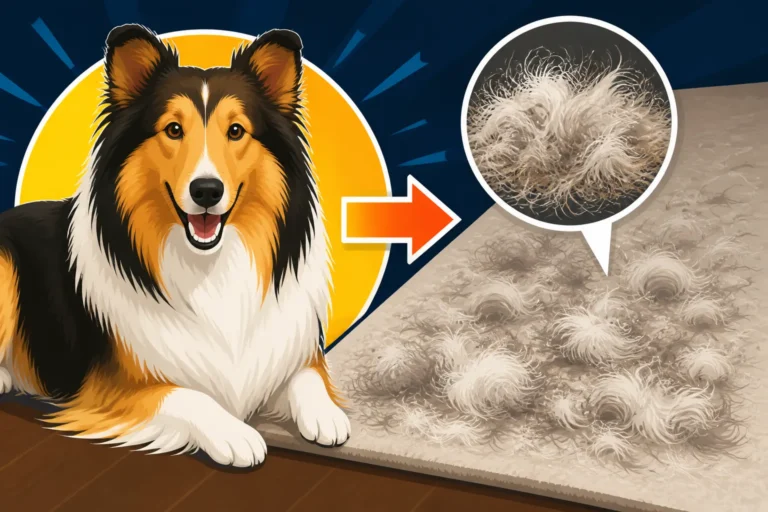
Whether a Collie Sheds All Year
If you've ever found yourself wondering if your beautiful Collie has an endless supply of hair, you're not alone. It can feel like no matter how much you brush, vacuum, or lint-roll, there's always more to find. That pervasive floating fuzz is a common and often frustrating reality for Collie owners. This comprehensive guide will delve deep into the nuances of Collie shedding, helping you understand why your furry friend seems to be perpetually redecorating your home with their glorious coat, how much is normal, and what you can realistically do to manage it.
Understanding the Collie Coat: The Double-Layered Wonder
To truly grasp why Collies shed, we first need to appreciate the incredible design of their coat. It's not just a single layer of fur; it's a sophisticated, double-layered system that has evolved over centuries to protect them from the elements. This coat is a marvel of natural engineering, but it also comes with a built-in shedding mechanism that keeps it healthy and functional.
The Marvel of the Undercoat and Guard Hairs
Imagine two distinct types of hair working in harmony on your Collie. First, there's the incredibly dense, soft, and woolly undercoat. This layer acts like a natural thermal insulator, trapping air to keep your Collie warm in winter and cool in summer. It’s the fluffy stuff that feels like cotton candy when you brush it out. Then, there are the longer, coarser, and slightly stiffer outer hairs, known as guard hairs or topcoat. These provide the coat's characteristic texture and shine, and their primary job is to repel water, dirt, and protect the delicate undercoat from damage. Think of them as the outer armor.
The undercoat is constantly growing and shedding, especially in response to temperature changes and daylight hours. The guard hairs also shed, but typically less frequently and in smaller quantities than the undercoat. This dual-layer system is what makes a Collie's coat so effective in diverse climates, but it also means there's always a cycle of hair growth, death, and replacement happening. It's a living, breathing system that keeps them comfortable, but also means a steady supply of detached hair finding its way onto your floors and furniture.
Why This Coat is So Efficient and Sheddy
The very efficiency of the Collie's double coat is precisely why it sheds so much. For optimal insulation and protection, the undercoat needs to be replaced regularly. Old, dead undercoat must make way for new, vibrant growth. If this old hair isn't shed, it can become matted, trap moisture, and lead to skin issues. The guard hairs, while more resilient, also wear out and are replaced to maintain their protective qualities.
This isn't just a cosmetic issue; it's a biological necessity. Every strand of hair on your Collie is on its own timeline, growing for a certain period, then resting, and finally detaching to be replaced. This asynchronous shedding means that even outside of major seasonal "blows," there's always some hair in the process of being released. Your Collie's coat is a dynamic entity, continuously regenerating itself to perform its vital functions, and the shedding you observe is a direct consequence of this natural, healthy process.
The Truth About Year-Round Shedding
So, does a Collie shed all year? The short answer is yes, they absolutely do, though the intensity varies dramatically. It's not a switch that turns on and off; it's more like a dimmer dial that fluctuates throughout the year.
The Daily Drift: What Constitutes "Normal" Shedding
Every day, your Collie will release a certain amount of hair. This "daily drift" is the natural turnover of individual hair follicles. Just like human hair, dog hair has a life cycle. A single hair grows, stays on the dog for a period, and then falls out to be replaced by a new one. This means that a few stray hairs on your clothes, scattered across the floor, or collected in dust bunnies are entirely normal and to be expected with a breed like the Collie. It’s part of owning a dog with such a magnificent coat.
This consistent shedding might seem like a lot, especially if you're new to the breed or coming from a non-shedding dog. But for a Collie, it’s simply the background noise of their coat maintenance. It's a continuous, low-level process that reflects a healthy coat cycling through its growth phases. Consistent grooming practices, even during periods of lighter shedding, are key to managing this daily hair loss and preventing it from building up into larger, more noticeable accumulations around your home. You'll want to have the right tools on hand, readily available from online retailers like Amazon, to keep up with the daily demands.
Factors That Influence Consistent Shedding
While shedding is natural, several factors can influence the amount of hair your Collie drops on a daily basis:
- Indoor Environment: Living primarily indoors with artificial light and consistent temperatures (heating in winter, air conditioning in summer) can disrupt a dog's natural seasonal shedding cues. Their bodies might not get the strong signals to "blow" their coat completely twice a year, leading instead to a more constant, lower-level shedding all the time. This means the house might feel like it's perpetually experiencing a small coat blow.
- Diet and Nutrition: A high-quality diet plays a huge role in coat health. Dogs fed a diet lacking essential fatty acids, vitamins, or proteins may have dull, brittle coats that shed excessively or grow poorly. Conversely, a well-nourished Collie with a healthy skin and coat will shed efficiently. Brands like Ollie, known for their fresh food options, often formulate meals with ingredients aimed at supporting skin and coat health, which can positively impact shedding.
- Stress Levels: Believe it or not, stress can also contribute to shedding. Dogs experiencing anxiety, changes in routine, or new environments might shed more than usual. It’s a physiological response that can cause hair follicles to release prematurely. A calm, happy Collie often has a healthier, more predictable coat cycle.
- Health Conditions: While most shedding is normal, sudden, excessive, or patchy hair loss can be a sign of an underlying health issue such as allergies, parasites, fungal infections, hormonal imbalances (like Whether a Collie Gets Thyroid Disease), or other skin conditions. If you notice a dramatic change in your Collie's shedding pattern or coat quality, it's always wise to consult your veterinarian.
The Big Blow: Seasonal Shedding Events
Beyond the daily drift, Collies experience two major seasonal shedding events, often referred to as "blowing their coat." These periods are significantly more intense and can be quite overwhelming if you're not prepared.
Twice a Year: The Major Coat Blows
Most Collies will undergo a heavy shed twice a year: typically in the spring, to get rid of their thick winter undercoat in preparation for warmer weather, and again in the fall, to shed their lighter summer coat and grow in a denser one for winter. These "coat blows" are dramatic. It's not just a few hairs here and there; it's a torrent of fluffy undercoat that seems to come out in handfuls. During these times, you might feel like you could knit a whole new Collie from the hair you collect. The Three Weeks Twice a Year When a Collie Buries Your House describes this phenomenon perfectly.
The duration of these major sheds can vary. For some Collies, it might be an intense two to three weeks. For others, particularly those living in more consistent indoor climates, it can be a more prolonged, albeit still heavy, shedding period. The exact timing can also depend on your geographical location and the individual dog's hormones and genetics. Spayed or neutered Collies, for example, sometimes have a slightly different shedding pattern than intact dogs, occasionally leading to a more continuous rather than distinctly seasonal shed.
Recognizing the Signs of an Impending Coat Blow
It can be helpful to anticipate these major shedding events so you can prepare your grooming routine and your home. While there isn't a flashing light, there are some subtle (and not-so-subtle) signs that your Collie is about to embark on a coat blow:
- Increased Loose Hair: You'll start noticing significantly more hair coming off your Collie with even a light pet or brush. What was once a small daily collection in your brush will become a substantial pile.
- Dull or Lifeless Coat: Just before the old undercoat starts to detach in earnest, it might appear a bit duller or less vibrant than usual. This is because the old, dead hair is no longer healthy and shiny.
- Patchy Appearance: As the coat blow progresses, especially with a Rough Collie, you might notice areas where the undercoat seems thinner or comes out in clumps, giving a slightly patchy look to the overall coat.
- Undercoat Lift: If you gently grasp a section of your Collie's fur and lift it, you might find that the undercoat comes away very easily in your hand, almost as if it's already detached from the skin.
Being aware of these signs means you can ramp up your grooming efforts before your house is completely overrun. Investing in proper tools and committing to a more frequent brushing schedule during these times can make a world of difference in managing the sheer volume of hair.
Managing the Shed: Practical Strategies for Collie Owners
While you can’t stop a Collie from shedding – it’s a natural and healthy process – you can absolutely manage it to keep your home tidier and your Collie’s coat in top condition. Effective shedding management is a consistent effort, not a one-off task.
Brushing Routines to Minimize Loose Hair
This is your most powerful weapon against Collie hair. Regular, thorough brushing is critical. For a Rough Collie, aim for at least two to three times a week, increasing to daily during seasonal coat blows. Even a Smooth Collie benefits from regular brushing to remove loose hairs and distribute natural oils.
Here’s a breakdown of a good brushing routine:
- Gather the Right Tools: You'll need specific tools for a Collie's double coat. A good quality pin brush, a slicker brush, an undercoat rake (like a deshedding rake or a V-rake), and a wide-toothed metal comb are essential. Many of these can be easily ordered from retailers such as Chewy or Amazon. Which Four Brushes a Collie Owner Needs provides a great overview.
- Line Brushing: This technique is paramount for Collies. You work in sections, parting the hair and brushing from the skin out, layer by layer, making sure to reach the undercoat. This ensures you're removing all the loose hair and preventing mats, especially in denser areas like the mane, frill, and petticoat.
- Focus on Problem Areas: Pay extra attention to areas prone to matting and heavy shedding, such as behind the ears, under the legs, the "pants" on the hindquarters, and the tail. These spots collect a lot of undercoat and can quickly become tangled if neglected. Mane, Frill and Petticoat: the Parts of a Collie That Mat explores these challenging areas.
- Deshedding Tools: During heavy shedding, a dedicated deshedding tool can be incredibly effective at pulling out loose undercoat without damaging the guard hairs. However, use these sparingly and correctly, as over-use can irritate the skin.
Consistency is key. Twenty minutes of thorough brushing a few times a week is far more effective than an hour-long session once a month.
Dietary and Environmental Helps for Coat Health
Beyond brushing, what you feed your Collie and how you manage their environment can also impact shedding. A healthy dog often has a healthy coat.
- High-Quality Diet: As mentioned before, nutrition is foundational. Ensure your Collie is on a well-balanced, high-quality dog food. Look for ingredients that support skin and coat health, such as omega-3 and omega-6 fatty acids (often found in fish oils), and plenty of lean protein. Some owners find that fresh, minimally processed diets, like those offered by Ollie, contribute to a noticeably healthier coat and potentially less problematic shedding.
- Supplements: If your Collie’s coat seems dry or excessively sheds despite a good diet, discuss supplements with your vet. Fish oil supplements, rich in omega fatty acids, are often recommended for promoting a healthy, shiny coat and reducing excessive shedding. You can find a wide variety of these supplements on Chewy.
- Hydration: Just like humans, dogs need adequate water intake for overall health, including skin and coat condition. Ensure your Collie always has access to fresh, clean water.
- Humidity Control: In very dry indoor environments, especially during winter with central heating, a humidifier can sometimes help prevent skin dryness that might exacerbate shedding. While this isn't a magic bullet, it can contribute to a more comfortable environment for your Collie's skin.
- Professional Grooming: Don't underestimate the power of a professional groomer, especially during major coat blows. They have high-velocity dryers and specialized tools that can blast out loose undercoat far more efficiently than you can at home, significantly reducing the amount of hair that ends up in your house. What a Professional Groom Costs on a Rough Collie covers what to expect.
Smooth Collies: A Different Shedding Story?
When people talk about Collie shedding, they often picture the majestic, long-coated Rough Collie. But what about their shorter-coated cousins, the Smooth Collies? Do they shed just as much?
The Smooth Collie's Shorter Coat and Its Impact
The Smooth Collie possesses the same double coat structure as the Rough Collie – a dense undercoat and a protective outer coat – but their guard hairs are significantly shorter and lie flat against the body. This is the primary difference. This shorter coat means less hair overall, and therefore, when they shed, there's less volume of hair to contend with. You won't find the same dramatic drifts of tumbleweeds that a Rough Collie produces.
However, "less volume" doesn't mean "no shedding." Smooth Collies absolutely shed. They still blow their undercoat twice a year, and they still have that daily turnover of hair. The individual hairs might be shorter and less noticeable, but they are still there. The impact on your home might feel less intense because the hair itself is less prone to floating and collecting in large, visible clumps. Many Smooth Collie owners often express surprise at how much hair still comes off their dog, despite the short coat.
Comparing Shedding Between Rough and Smooth Collies
When comparing the two varieties, it's fair to say that the Rough Collie is the undisputed champion of shedding in terms of sheer quantity and visibility. The length of their coat means that shed hair is more likely to cling to furniture, clothes, and to form those classic "Collie tumbleweeds" that roll across your floors. The volume of hair collected during a brushing session with a Rough Collie can be truly astonishing.
| Aspect of Shedding | Rough Collie | Smooth Collie |
|---|---|---|
| Coat Length | Long, dense outer coat with thick undercoat | Short, dense outer coat with thick undercoat |
| Daily Shedding | Moderate to heavy, noticeable hairs | Light to moderate, shorter hairs |
| Seasonal Blows | Extremely heavy, large volumes of undercoat | Heavy, but less visible volume than Rough |
| Visibility | Highly visible hair, forms tumbleweeds | Less visible, often fine hairs that weave |
| Grooming Needs | Frequent and thorough line brushing required | Regular brushing, less intense |
| Home Impact | Significant hair on surfaces and clothing | Noticeable hair, but less pervasive |
While a Smooth Collie certainly demands less intensive grooming in terms of time and effort compared to their Rough counterparts – The Smooth Collie Is the Same Dog With Less Work really hammers this home – neither variety is truly "non-shedding." Owners of both will need to commit to regular grooming and cleaning to manage the natural process of hair turnover. If you're looking for a dog that sheds absolutely nothing, neither the Rough nor the Smooth Collie is the right choice. However, if you love the breed and are prepared for the reality of consistent shedding, both offer immense joy and companionship.
Disclaimer
This article is for general informational purposes only and does not constitute professional advice. Laws, prices and regulations vary by location and change over time. Consult a qualified professional for guidance on your specific situation.