Whether a Collie Gets Thyroid Disease
It's incredibly frustrating when your beloved Collie starts acting a little "off" – perhaps they're a bit slower, gaining weight despite no change in diet, or their once glorious coat is looking dull and sparse. These subtle shifts can be easy to dismiss as just part of getting older or a change in temperament, but they can often be the quiet whispers of an underlying health condition like hypothyroidism. This comprehensive guide is here to help you understand what thyroid disease means for your Collie, how to spot the often-overlooked signs, and what steps you can take to ensure they receive the best possible care.
The Thyroid's Critical Role in Your Collie's Health
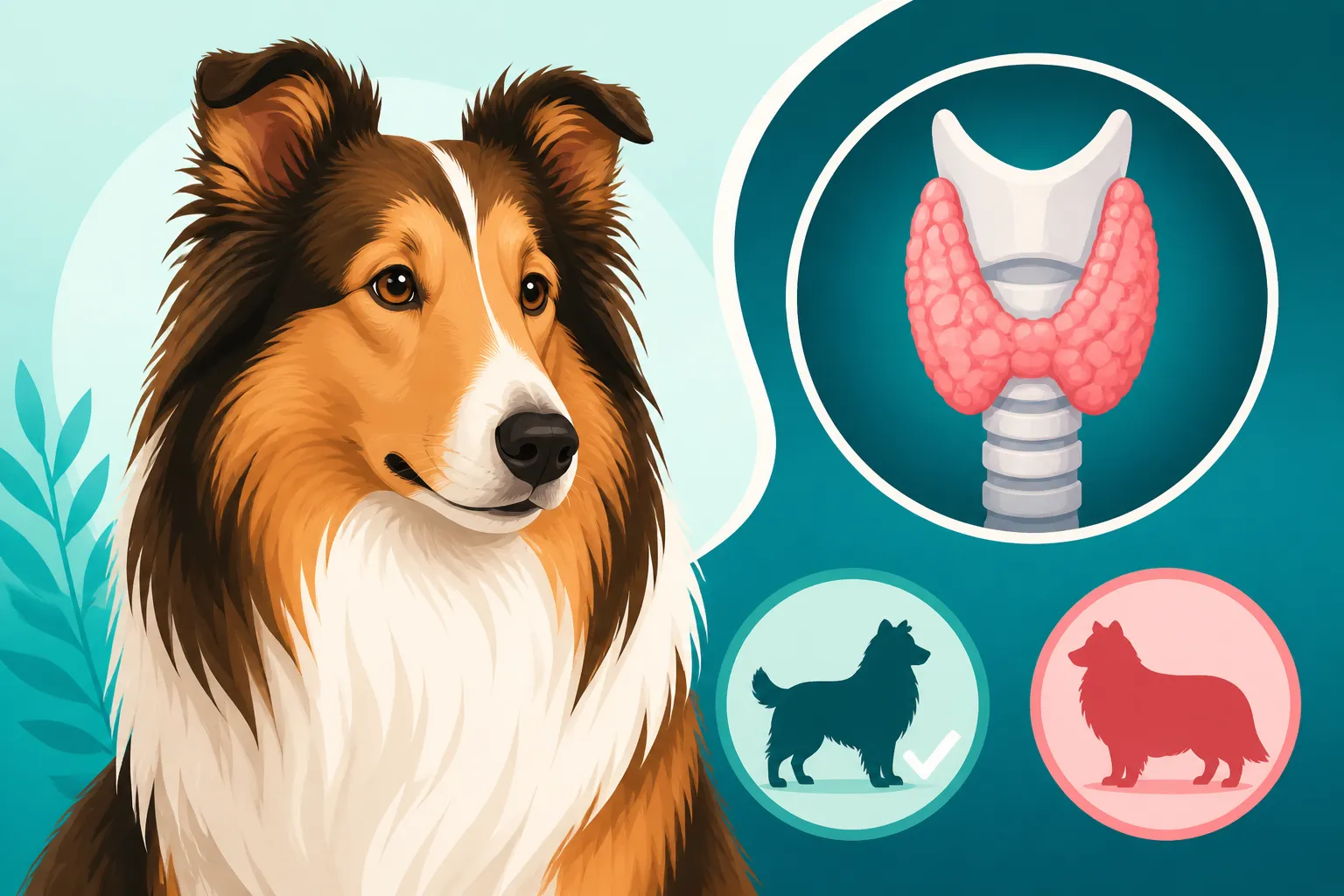
The thyroid gland, a small, butterfly-shaped organ located in your Collie's neck, is surprisingly mighty. It produces hormones that are absolutely vital for regulating nearly every metabolic process in their body. Think of it as the master control switch for energy levels, body temperature, heart rate, skin and coat health, and even cognitive function. When this tiny gland isn't pulling its weight, the effects can ripple throughout your dog's entire system, leading to a host of confusing and sometimes debilitating symptoms.
What is Hypothyroidism Anyway?
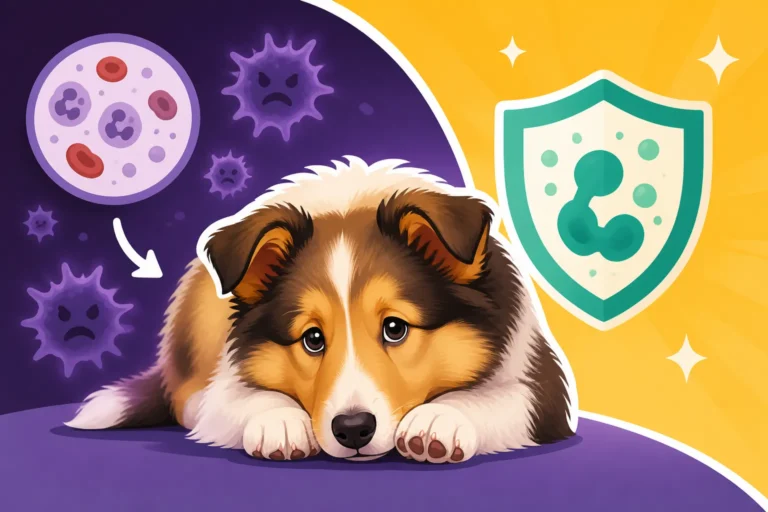
Simply put, hypothyroidism occurs when the thyroid gland doesn't produce enough thyroid hormones. The most common culprit in dogs is an autoimmune disease where the body's own immune system mistakenly attacks and destroys the thyroid tissue. This gradual destruction means less and less hormone is released into the bloodstream, slowing down bodily functions. It's not an overnight change; rather, it's a slow burn, which is why the early signs can be so easy to miss or misinterpret. Your Collie might just seem a bit less enthusiastic, a little more tired, and perhaps a touch heavier, making you wonder if they're simply settling into middle age.
Why Collies Are Prone to Thyroid Issues
While any dog breed can develop hypothyroidism, Collies, along with several other purebreds like Golden Retrievers, Doberman Pinschers, and Irish Setters, are genetically predisposed to it. This means there's a higher likelihood that the autoimmune form of the disease will manifest in our beloved long-nosed companions. The exact genetic markers aren't always clear-cut, but researchers have identified familial tendencies, pointing towards a heritable component. It’s a sad reality that some breeds carry a higher risk for certain health challenges, and thyroid disease is certainly one that Collie owners need to be aware of. Knowing this predisposition empowers you to be more vigilant and proactive about your Collie's health.
Understanding the Different Types
When we talk about hypothyroidism in dogs, we are overwhelmingly referring to primary hypothyroidism. This is where the problem lies directly with the thyroid gland itself, as described above – usually due to immune-mediated destruction or atrophy of the gland. This accounts for over 95% of all canine hypothyroid cases, and it's what you'll typically be looking for with your Collie.
Less commonly, there's secondary hypothyroidism, which occurs when the pituitary gland in the brain fails to produce enough Thyroid Stimulating Hormone (TSH). TSH is like the signal that tells the thyroid gland to get to work. If the signal isn't sent, the thyroid won't produce hormones, even if it's perfectly capable of doing so. This type is much rarer and often associated with other pituitary issues or certain medications. For Collie owners, the focus should almost always be on recognizing and diagnosing primary hypothyroidism due to its prevalence in the breed.
Spotting the Hidden Clues: Signs of Hypothyroidism in Collies
One of the biggest challenges with hypothyroidism is that its symptoms can be incredibly varied and often mimic other common ailments or simply the natural process of aging. This makes early detection tricky, but by being observant and understanding the full spectrum of signs, you can be your Collie's best advocate. Don't dismiss those subtle changes; they could be telling you something important.
Physical Manifestations You Might Overlook
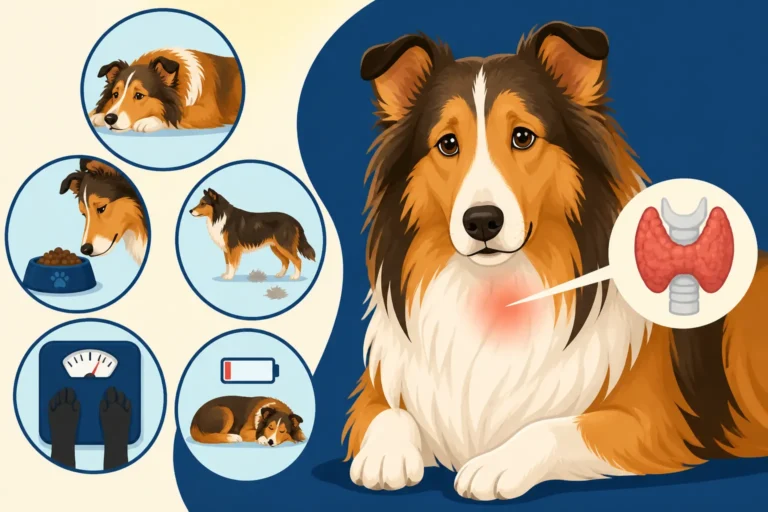
The physical signs of hypothyroidism often relate to a slowed metabolism and can affect your Collie's weight, coat, and general appearance. Perhaps the most common and frustrating symptom is unexplained weight gain, even when your Collie's food intake hasn't changed, or they’re getting their regular exercise. Their metabolism simply isn't burning calories efficiently, leading to a pudgy look that no amount of diet adjustment seems to fix.
Beyond weight, coat and skin issues are a huge indicator. You might notice that your Collie's beautiful, flowing coat starts to become dry, brittle, and sparse, perhaps even developing a "rat tail" appearance where the tail loses much of its hair. There can be excessive shedding, dullness, or a general lack of luster. The skin itself can become dry, flaky, or even prone to recurring infections due to a compromised immune response and changes in skin barrier function. Often, the hair loss is symmetrical, affecting both sides of the body equally, particularly on the flanks, chest, and neck, while the head and limbs might retain more hair.
Behavioral and Mental Changes to Watch For
It's not just physical changes you need to be aware of; hypothyroidism can significantly impact your Collie's personality and energy levels. Many owners report a noticeable decrease in activity. Your once playful, energetic companion might become lethargic, preferring to nap rather than engage in walks or games. They might seem mentally dull, less responsive to commands, or simply "not themselves." This isn't laziness; it's a direct result of their body's systems slowing down, making even simple tasks feel like a monumental effort.
Another common behavioral change is an increased intolerance to cold. Collies, with their thick double coats, are generally quite hardy in cooler weather. However, a hypothyroid Collie might seek out warm spots, shiver more, or be reluctant to go outside in the cold, as their internal thermostat isn't working properly. They might appear more anxious or even develop aggression in rare cases, though lethargy and mental dullness are far more typical. Recognizing these shifts is crucial because it's easy to dismiss them as signs of an aging dog, when in reality, they're calling out for help.
Less Common, More Serious Indicators
While lethargy and coat issues are primary indicators, hypothyroidism can sometimes manifest in more severe, albeit less common, ways. Some Collies might develop chronic skin infections that don't respond well to traditional treatments, leading to persistent itching, redness, and discomfort. In more advanced or long-standing cases, you might observe neurological symptoms such as facial nerve paralysis (causing a droopy face), balance issues, or even seizures. These are thankfully rare but highlight the systemic impact of unchecked thyroid deficiency.
Reproductive problems can also arise in intact animals, with females experiencing irregular heat cycles or infertility, and males having reduced libido or sperm count. In extremely severe, untreated cases, a dog can enter a condition called myxedema coma, which is a life-threatening emergency characterized by severe lethargy, hypothermia, slow heart rate, and mental disorientation. This underscores why early detection and consistent treatment are so incredibly important for your Collie's overall health and well-being. If you are ever worried your Collie is hiding pain, a vet visit is always warranted.
Navigating the Diagnostic Maze for a Collie
Once you suspect something might be amiss with your Collie, the next crucial step is getting a proper diagnosis. This isn't always straightforward, as those subtle symptoms can throw off even experienced vets initially. It requires a combination of observation, careful examination, and specific blood tests to truly get to the bottom of things. Don't be afraid to advocate for your dog and ask for thorough testing, especially given the breed's known predisposition.
The Initial Veterinary Examination
Your journey will always begin with a visit to your trusted veterinarian. During the physical exam, your vet will meticulously check your Collie for those tell-tale signs: weight changes, the condition of their coat and skin, heart rate, and any other abnormalities. They'll ask you detailed questions about your Collie's behavior, energy levels, appetite, and any changes you've observed recently. This thorough history is vital, as it paints a picture of your Collie's overall health and helps the vet narrow down potential causes for their symptoms.
It's helpful to come prepared with a list of all the symptoms you've noticed, even if they seem minor. Note when they started, if they've gotten worse, and any other relevant information. This initial consultation is where your observations as a dedicated owner really come into play. Your vet will be looking for a pattern of signs that collectively point towards a potential thyroid issue, rather than just one isolated symptom.
Deciphering Thyroid Blood Panels
The definitive diagnosis of hypothyroidism relies on blood tests. A simple blood draw can tell your vet a great deal about how your Collie's thyroid gland is functioning. The primary tests include:
- Total T4 (Thyroxine): This measures the total amount of thyroid hormone circulating in the blood. A low T4 is a strong indicator, but it can also be influenced by non-thyroidal illnesses or certain medications.
- Free T4 (FT4): This measures the unbound, biologically active form of T4. It's often considered a more accurate reflection of thyroid function because it's less affected by other conditions.
- TSH (Thyroid Stimulating Hormone): Produced by the pituitary gland, TSH signals the thyroid to produce hormones. In primary hypothyroidism, the thyroid isn't responding, so the pituitary tries harder, leading to elevated TSH levels.
For Collies, it's often recommended to run a full thyroid panel, which includes all of these, sometimes even T3 and Free T3, and autoantibodies to T4 and T3. A low Free T4 in conjunction with an elevated TSH is generally diagnostic for primary hypothyroidism. However, some Collies might have a low T4 and FT4 but normal TSH, especially in the early stages or if other factors are at play. Discuss with your vet whether a Collie's thyroid should be tested yearly, particularly as they get older or if there's any family history of the condition. Many pet insurance providers, such as Healthy Paws, recognize the importance of these diagnostic tests in catching conditions early, offering peace of mind when those vet bills for bloodwork costs start adding up.
Here's a simplified look at what thyroid panel results might indicate:
| Test Result | Total T4 | Free T4 | TSH | Indication |
|---|---|---|---|---|
| Normal Collie | Normal | Normal | Normal | Healthy thyroid function. |
| Primary Hypo | Low | Low | High | Most common form, thyroid gland underactive. |
| Early Hypo | Low/Normal | Low | High/Norm | Suggestive of early disease or compensation. |
| Euthyroid Sick | Low | Low/Normal | Normal/Low | Non-thyroidal illness affecting test results. |
| Secondary Hypo | Low | Low | Low | Rare, pituitary gland not stimulating thyroid. |
Why Other Conditions Can Mimic Hypothyroidism
This is where things can get a bit complicated. There's a phenomenon called "euthyroid sick syndrome" or "non-thyroidal illness" where other diseases or even certain medications can temporarily suppress thyroid hormone levels, making a healthy dog appear hypothyroid on blood tests. For example, severe infections, kidney disease, liver disease, or even certain steroids can cause a transient drop in T4.
This is why your vet won't just look at one number in isolation. They'll consider your Collie's full clinical picture, rule out other potential illnesses, and potentially even re-test after a period to confirm the diagnosis. It’s important to share any other health concerns or medications your Collie is on, as this context is crucial for accurate interpretation of the results. This careful diagnostic process ensures that your Collie isn't unnecessarily put on lifelong medication.
Treating Hypothyroidism: A Path to Better Health
If your Collie is diagnosed with hypothyroidism, don't despair! This is a highly manageable condition, and with the right treatment, your dog can go on to live a full, happy, and energetic life. The key is consistency and close collaboration with your veterinarian.
The Daily Medication Protocol
The cornerstone of treating hypothyroidism in dogs is daily hormone replacement therapy. Your Collie will be prescribed a synthetic thyroid hormone called levothyroxine (L-thyroxine). This medication effectively replaces the hormones their own thyroid gland isn't producing. It's usually given twice a day, typically in the morning and evening, either with food or on an empty stomach, as your vet advises.
Administering the medication consistently is paramount. Missing doses or giving it irregularly can lead to a rollercoaster of symptoms and prevent your Collie from stabilizing. Think of it like taking a daily vitamin – it becomes a regular part of your routine. The good news is that levothyroxine is generally very safe, and side effects are rare, especially once the correct dosage is established. You might find that your local pharmacy can fill this prescription, or your vet might dispense it directly.
Ongoing Monitoring and Dose Adjustments
Treating hypothyroidism isn't a "set it and forget it" situation. Once your Collie starts on levothyroxine, they'll need regular follow-up blood tests to ensure the dosage is correct. Typically, your vet will want to recheck blood levels about 4-6 weeks after starting medication, and then periodically (every 6-12 months) once they are stable. These checks are crucial because too little medication won't resolve the symptoms, and too much can lead to hyperthyroidism-like symptoms such as anxiety, increased thirst, and weight loss.
The goal is to find the "sweet spot" where your Collie's thyroid hormone levels are comfortably within the normal range. These recheck appointments are also an opportunity to discuss any lingering symptoms or new concerns with your vet. Remember that while the medication helps, a Collie's weight can still be an issue even after diagnosis, so dietary management remains important. The cost of these regular blood tests is part of ongoing care, and this is where pet insurance, like a policy from Healthy Paws, can really help cushion the financial impact of managing a chronic condition.
Expectations and Long-Term Outlook
With consistent and appropriate treatment, the prognosis for Collies with hypothyroidism is excellent. You can expect to see significant improvements in their energy levels, weight management, and coat quality within a few weeks to a couple of months. For example, if your Collie was experiencing a dull, thinning coat, you should notice new, healthier hair growth, and the existing coat becoming softer and shinier. Any lethargy or mental dullness should gradually lift, and they'll likely regain their zest for life.
Hypothyroidism is a lifelong condition, meaning your Collie will need to take levothyroxine for the rest of their life. However, once stabilized, it rarely causes significant complications or reduces their lifespan. Many Collies go on to live a full life, completely unencumbered by their thyroid condition. The key is staying diligent with medication and follow-up vet visits to keep their hormones balanced.
Practical Care for Your Hypothyroid Collie
Beyond the medication, there are practical aspects of caring for a Collie with hypothyroidism that can significantly contribute to their comfort and well-being. These focus on supporting their overall health and managing any lingering effects of the condition.
Nutrition and Exercise Considerations
Even with appropriate medication, some Collies might still be prone to weight gain or struggle to lose excess weight they put on before diagnosis. Therefore, careful attention to diet is essential. Work with your vet to determine an appropriate caloric intake and choose a high-quality, balanced dog food that supports healthy weight. If your Collie is significantly overweight, a prescription weight-loss diet might be recommended.
Exercise also plays a crucial role. While their energy levels should improve on medication, regular, moderate exercise is still important for weight management, muscle tone, and mental stimulation. Aim for consistent daily walks and playtime. If your Collie was previously very lethargic, start slow and gradually increase the duration and intensity of activities as their stamina returns. This gradual approach ensures they don't overdo it while their body is still adjusting and healing.
Maintaining Coat and Skin Health
Hypothyroidism often leaves its mark on a Collie's coat and skin. Even after starting treatment, it can take time for the coat to fully recover, and some Collies may continue to have drier skin or a less luxurious coat than before. Regular grooming is always important for a Collie, but it becomes even more vital for a hypothyroid one. Gentle brushing helps stimulate circulation to the skin and distributes natural oils. You might consider using a moisturizing shampoo and conditioner formulated for sensitive or dry skin to help alleviate any flakiness or itchiness.
Be vigilant for any recurring skin infections. If your Collie experienced these before diagnosis, they might still be prone to them, especially during the recovery phase. Promptly address any hot spots, redness, or excessive scratching with your vet. Remember that the goal is not just to treat the thyroid but to ensure your Collie is comfortable and free from secondary issues stemming from the condition.
Being Your Collie's Health Advocate
As a Collie owner, you are truly your dog's best advocate. You spend the most time with them, observe their daily nuances, and are in the best position to notice subtle changes. Don't hesitate to voice your concerns to your vet, even if symptoms seem minor. For Collies, this advocacy extends to knowing about other breed-specific concerns, such as the MDR1 mutation, which affects how they metabolize certain drugs. This genetic sensitivity means that what a Collie owner should carry to an emergency visit should include a comprehensive list of all their medications, including levothyroxine, and any known genetic predispositions.
If your Collie has tested positive for the MDR1 mutation, it's particularly important to inform any new vet or emergency clinic, as this can affect drug choices for other conditions. While levothyroxine itself isn't typically affected by MDR1, having an overall understanding of your Collie's unique health profile ensures they receive the safest and most effective care. Remember, you know your Collie best, and your instincts are invaluable when it comes to their health.
Responsible Breeding and Prevention Efforts
Understanding the genetic component of hypothyroidism in Collies naturally leads to questions about prevention and responsible breeding practices. While there isn't a simple "fix-all" solution, informed choices can certainly help reduce the incidence of this condition in future generations.
Genetic Predisposition and Testing
As established, Collies have a genetic predisposition to developing autoimmune thyroiditis, the most common cause of hypothyroidism. Unfortunately, unlike some other genetic conditions where a single gene test can give a clear "clear," "carrier," or "affected" result, the genetics of canine hypothyroidism are complex. It's thought to be polygenic, meaning multiple genes are involved, making direct DNA testing for carrier status challenging and currently unavailable for accurate prediction.
This doesn't mean breeders are without tools, though. Reputable breeders will still perform regular thyroid screening on their breeding stock as part of their comprehensive health clearances. While not a genetic test, consistently normal thyroid panels over several years can provide some reassurance about an individual dog's thyroid health. It's a continuous effort within the breed community to better understand the heritability and find more precise screening methods. For any puppy buyer, asking whether a Collie breeder should publish results of their health screenings, including thyroid, is a good practice.
The Role of Health Clearances
For breeders, comprehensive health clearances are a cornerstone of responsible breeding. This means screening potential breeding dogs not just for thyroid issues, but for all health concerns prevalent in the breed. This includes eye exams for Collie Eye Anomaly, and DNA testing for conditions like the MDR1 mutation, and other genetic diseases covered by the three genetic tests a Collie breeder owes you. While a clear thyroid panel doesn't guarantee offspring won't develop hypothyroidism, it indicates that the parents themselves are healthy and not currently affected.
By selecting breeding stock with excellent health histories and consistently normal thyroid function, breeders strive to reduce the likelihood of passing on predispositions to their puppies. It's an ongoing commitment to the future health of the Collie breed, aiming to produce dogs that are not only beautiful and good-tempered but also robustly healthy.
Early Detection
For every Collie owner, regardless of whether your dog comes from a long line of health-tested champions or a rescue, early detection remains the most powerful tool against hypothyroidism. Regular veterinary check-ups are paramount. As your Collie ages, these routine visits become even more important, allowing your vet to establish a baseline of health and more easily spot any subtle changes that might indicate a problem.
Don't wait until symptoms are severe or debilitating. If you notice any of the subtle physical or behavioral changes discussed earlier – unexplained weight gain, a dull coat, lethargy, or increased cold intolerance – schedule a vet visit. Early diagnosis means earlier treatment, which often leads to a quicker resolution of symptoms and prevents the development of more serious complications down the line. Being proactive and staying attuned to your Collie's health signals is the best way to keep them thriving.
Disclaimer
The information provided in this article is for general informational purposes only and is not a substitute for professional veterinary advice. Always consult with a qualified veterinarian for any health concerns or before making any decisions related to your Collie's health and treatment.