Whether a Collie Gets Arthritis Early
It’s a heart-wrenching thought, isn't it? Imagining our beloved Collies, with their graceful movement and boundless energy, suddenly struggling with stiff joints. Many Collie owners worry about arthritis, especially since larger breeds can be prone to joint issues. This guide will delve into whether Collies typically develop arthritis early in life, what factors might contribute, and how you can help your furry family member maintain comfortable mobility for as long as possible.
Understanding Arthritis in Collies: The Early Picture
When we talk about arthritis, we're not just discussing a minor ache. We're referring to a progressive, degenerative joint disease that can significantly impact a dog's quality of life. For Collie owners, understanding this condition is the first step in proactive care.
What Arthritis Actually Means for Our Dogs
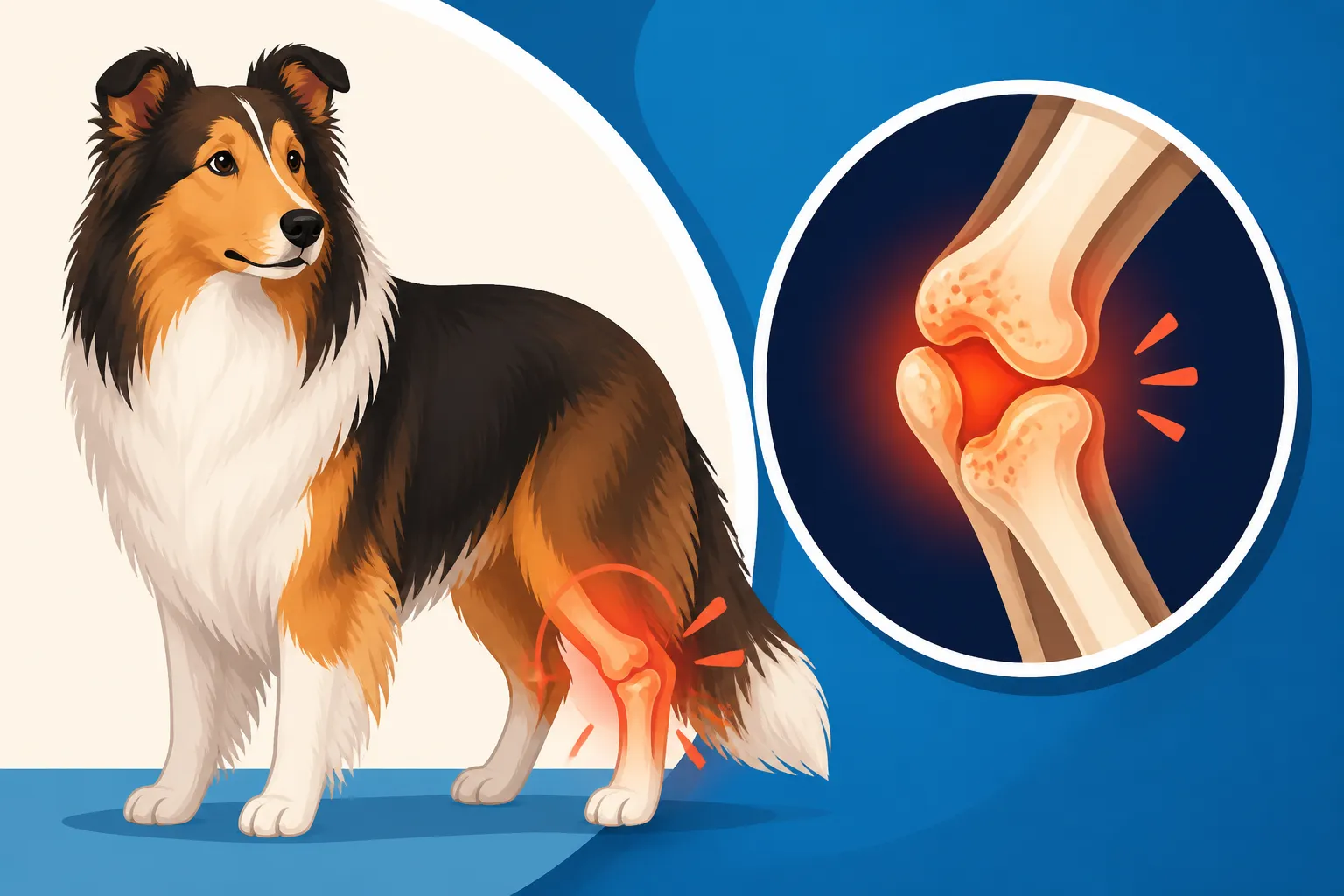
Canine osteoarthritis, or degenerative joint disease (DJD), is a chronic condition characterized by the gradual breakdown of cartilage within the joints. Cartilage acts as a cushion, allowing bones to glide smoothly over each other. When it starts to erode, bones begin to rub, leading to pain, inflammation, and reduced mobility. Over time, the body tries to repair the damage by forming new bone, often resulting in bone spurs (osteophytes) around the joint, which further restrict movement and cause discomfort. This isn't a condition that simply appears overnight; it's often a slow, insidious process that can start subtly and worsen with age or injury.
While we often associate arthritis with older dogs, the underlying issues that lead to it can begin much earlier. For a Collie, or any dog, early arthritis means that these degenerative changes are starting to manifest at a younger age than might be considered typical, sometimes even before they reach their senior years. This could be due to genetic predispositions, previous injuries, or even rapid growth rates during puppyhood. The inflammation and pain aren't just a nuisance; they can lead to a vicious cycle where a dog avoids using the joint, causing muscle atrophy, further instability, and worsening arthritis.
Collie Predisposition and Genetic Factors
So, are Collies specifically prone to early arthritis? The good news is that Collies are generally considered a relatively healthy breed, and they are not typically singled out as having an exceptionally high predisposition to severe, early-onset arthritis compared to some giant breeds. However, like many medium to large-sized breeds, Collies can be susceptible to developmental orthopedic conditions that can pave the way for arthritis later in life.
The most common culprits are hip and elbow dysplasia. Hip dysplasia, for instance, is a genetic condition where the hip joint doesn't form correctly, leading to a loose, unstable joint that rubs and grinds instead of gliding smoothly. This abnormal wear and tear inevitably leads to secondary osteoarthritis. While Collies aren't among the breeds most severely affected, instances do occur. Responsible breeders will screen their breeding dogs for these conditions using evaluations from organizations like the Orthopedic Foundation for Animals (OFA) or PennHIP. If you're looking at a Collie puppy, asking about the parents' hip and elbow scores is absolutely crucial. A dog with excellent hips and elbows from healthy lines is far less likely to develop early, severe arthritis than one whose parents were not screened or had poor joint health. For more detailed information, you might want to read about Hip Dysplasia in a Collie.
Beyond dysplasia, other factors like conformation (the way a dog is built), rapid growth during puppyhood, and even injuries can contribute. A Collie that grows too quickly, especially on a diet too high in calories or calcium, can put undue stress on developing joints. Maintaining a lean body condition and providing appropriate, controlled exercise during their first year or two can play a huge role in supporting long-term joint health.
Spotting the Signs: How to Recognize Arthritis in Your Collie
It can be tough to notice the first whispers of arthritis in a stoic breed like the Collie. They're often eager to please and may try to hide discomfort, especially if they believe it will delay their next adventure with you. This is why vigilance and a keen eye for subtle changes are so important.
Subtle Behavioral Shifts to Watch For
The earliest signs of arthritis are rarely overt lameness or yelping in pain. Instead, they often manifest as subtle shifts in your Collie's everyday behavior. You might notice they're a little slower to get up after a nap, perhaps taking an extra moment to stretch out that back leg. They might hesitate before jumping into the car or onto the couch, where they once leaped with abandon. That enthusiastic greeting might involve a bit less bouncing and a bit more waddling.
Consider their play habits: are they less keen on chasing a ball as vigorously as they used to? Are their walks becoming shorter, or do they seem to tire more quickly? Maybe they're not quite as eager to climb stairs or navigate slick floors. Some Collies might even show a change in temperament, becoming a bit grumpier or less tolerant of being handled, particularly around sensitive joints. They might avoid certain movements or positions, choosing instead to lie down in ways that minimize pressure on a painful area. These small, often intermittent, signs are your first clues that something might be amiss with their joints. If you notice these changes, don't dismiss them as just "getting older"; investigate further.
Physical Symptoms and Veterinary Diagnosis
As arthritis progresses, the physical symptoms become more apparent, though still might not be constant. You might observe a visible stiffness, especially after rest or in colder weather. Your Collie might develop a noticeable limp or favor one leg over another, particularly after a walk or a bout of activity. They might start "bunny hopping" with their back legs when running, a sign of hip discomfort.
During a veterinary visit, your vet will perform a thorough physical examination, feeling your Collie's joints for swelling, warmth, and range of motion. They might gently manipulate the legs, listening for grinding sounds (crepitus) or eliciting pain responses. Muscle atrophy, where the muscles surrounding an arthritic joint begin to waste away due to disuse, can also be a tell-tale sign. If your vet suspects arthritis, the next step is typically diagnostic imaging, most commonly X-rays. X-rays can reveal changes like joint space narrowing, bone spurs, and changes in bone density, confirming the presence and severity of osteoarthritis. Sometimes, more advanced imaging like MRI or CT scans might be recommended, but for routine arthritis diagnosis, X-rays are usually sufficient. If you're worried about your Collie’s joints, paying attention to Signs a Collie Has Hip Dysplasia can give you further insight.
Proactive Care and Treatment: Supporting Your Collie's Joints
The good news is that even if your Collie shows early signs of arthritis, or is simply at a higher risk, there’s a lot we can do to manage the condition and support their joint health throughout their lives. Early intervention makes a world of difference.
Proactive Measures from Puppyhood
Prevention truly is the best medicine when it comes to joint health. From the moment you bring your Collie puppy home, you have an opportunity to set them up for success. One of the most critical factors is maintaining a healthy weight. Excess weight puts immense strain on joints, exacerbating any underlying issues and accelerating the progression of arthritis. Keep a close eye on your Collie's body condition score throughout their life, ensuring they stay lean, especially during their growth phases. Consult your vet to ensure your puppy is on a diet appropriate for large breeds, which helps regulate growth speed. For guidelines on healthy development, refer to What a Collie Puppy Should Weigh by Month.
Controlled exercise is another cornerstone. While puppies need activity, too much high-impact exercise – like repetitive jumping, long runs on hard surfaces, or intense agility training before their growth plates close (around 12-18 months) – can damage developing joints. Instead, focus on moderate, consistent exercise, such as leash walks, swimming (which is low-impact), and supervised playtime on soft surfaces.
Many owners also consider joint supplements, even before signs of arthritis appear. Ingredients like glucosamine, chondroitin, and omega-3 fatty acids (specifically EPA and DHA) are popular for their anti-inflammatory properties and ability to support cartilage health. While individual results vary, they can be a valuable part of a proactive joint health strategy. Discuss appropriate dosages and types with your veterinarian. You might also find this useful: Whether a Collie Needs Joint Support From Middle Age.
Treatment Options for Diagnosed Arthritis
If your Collie does receive an arthritis diagnosis, don't despair. There are numerous treatment options available to manage pain, reduce inflammation, and improve their quality of life. The treatment plan will often be multi-modal, meaning it combines several approaches.
Common medical treatments include Non-Steroidal Anti-Inflammatory Drugs (NSAIDs), such as carprofen (Rimadyl), meloxicam (Metacam), or firocoxib (Previcox). These medications are highly effective at reducing pain and inflammation but require careful monitoring for potential side effects, especially with long-term use. Newer injectable medications, like Librela (bedinvetmab), target nerve growth factor, a key player in pain, offering another excellent option for pain management without the systemic effects of NSAIDs. Adequan (polysulfated glycosaminoglycan) injections can also help improve joint fluid quality and protect cartilage.
Beyond medication, physical rehabilitation and acupuncture can be incredibly beneficial. A certified canine rehabilitation therapist can design a program including therapeutic exercises, hydrotherapy (underwater treadmill), massage, and laser therapy to strengthen muscles, improve range of motion, and reduce pain. Acupuncture, a traditional Chinese veterinary medicine technique, has also shown promise in managing chronic pain associated with arthritis.
Remember, managing chronic conditions like arthritis can lead to ongoing vet visits, medications, and potentially specialized therapies. Having pet insurance can provide significant financial relief. Many Collie owners find that policies from providers like Healthy Paws help cover these unexpected but necessary costs, allowing them to focus on their dog's care without added financial stress. It’s always wise to research pet insurance options early, before any conditions are diagnosed, to ensure the best coverage.
Adapting for Comfort: Lifestyle Adjustments for an Arthritic Collie Life
Beyond veterinary care, creating a supportive home environment and modifying daily routines can dramatically improve your Collie’s comfort and mobility, helping them navigate life with greater ease.
Environmental Modifications at Home
Think about your Collie's daily movements around your home. Where do they struggle? Slippery floors, like hardwood or tile, can be a major challenge for a dog with stiff joints. Lay down non-slip rugs or runners, especially in high-traffic areas or where your dog tends to rest. This provides better traction and reduces the risk of slips and falls that could cause further injury or pain.
Consider ramps or steps for accessing furniture or vehicles. Instead of struggling to jump into the car for a vet visit or a fun outing, a sturdy ramp makes it a comfortable, pain-free experience. Likewise, if your Collie loves to cuddle on the sofa or bed, a small set of pet stairs can prevent painful jumps down. Raised food and water bowls can also make eating and drinking more comfortable, preventing them from having to bend down too far, which can strain neck and back joints. Finally, invest in an orthopedic dog bed. These beds provide superior support and cushioning, alleviating pressure on sore joints and promoting a more restful sleep. A good quality orthopedic bed, often made with memory foam, can make a huge difference in how stiff your Collie feels after waking up.
Tailoring Exercise and Activity Levels
It's a common misconception that an arthritic dog needs to be sedentary. In fact, gentle, consistent exercise is crucial for maintaining muscle strength, joint flexibility, and healthy weight. The key is tailoring the activity to your Collie's individual needs and capabilities. Instead of one long, strenuous walk, consider several shorter, easier walks throughout the day. This keeps their joints moving without overtaxing them.
Swimming is an excellent low-impact exercise that allows your Collie to use their muscles and move their joints without the strain of weight-bearing. Many canine rehabilitation centers have pools or underwater treadmills. If your Collie enjoys water, even gentle splashing in a shallow pond can be beneficial. Avoid high-impact activities like aggressive fetch, jumping obstacles, or long runs on pavement. Instead, focus on controlled leash walks on soft surfaces like grass or dirt trails. Mental stimulation is also vital; puzzle feeders, scent work, and trick training can keep their minds engaged even if their bodies can't do as much. Collies are intelligent dogs, and mental activity counts as part of their daily energy expenditure. For instance, Forty Five Minutes a Day, and Half of It in Its Head emphasizes the importance of mental engagement. Always be mindful of the weather, as cold, damp conditions can exacerbate joint pain. During warmer months, be aware that their beautiful coats can cause them to overheat, so adjust activity times accordingly. Check out Whether a Collie Overheats in Its Coat for more tips on managing their comfort in different temperatures.
Here’s a quick overview of common joint supplements and their benefits:
| Supplement Component | Primary Benefit | How It Helps Your Collie | Typical Source/Form |
|---|---|---|---|
| Glucosamine | Cartilage repair & maintenance | Provides building blocks for cartilage, improves joint lubrication | Shellfish (sulfate or HCl), synthetic |
| Chondroitin Sulfate | Cartilage elasticity & hydration | Inhibits enzymes that break down cartilage, helps absorb shock | Bovine, porcine, or avian cartilage |
| Omega-3 Fatty Acids | Anti-inflammatory | Reduces inflammation and pain in joints, supports overall health | Fish oil (EPA & DHA), flaxseed oil |
| MSM (Methylsulfonylmethane) | Anti-inflammatory & pain relief | Reduces pain and swelling, supports connective tissue health | Naturally occurring sulfur compound, synthetic |
| Hyaluronic Acid (HA) | Joint lubrication & shock absorption | Improves viscosity of joint fluid, acts as a shock absorber | Roosters' combs, bacterial fermentation, synthetic |
| Green-Lipped Mussel | Comprehensive joint support | Contains glucosamine, chondroitin, omega-3s, and other nutrients | New Zealand green-lipped mussels, powder/extract |
Disclaimer
The information provided in this article is for general informational purposes only and is not intended as a substitute for professional veterinary advice, diagnosis, or treatment. Always seek the advice of your veterinarian or other qualified animal health provider with any questions you may have regarding a medical condition or the health and welfare of your pet. Never disregard professional veterinary advice or delay in seeking it because of something you have read in this article.