Whether a Collie Needs Joint Support From Middle Age
It's a tough pill to swallow when you start seeing your once-bounding Collie slow down, struggle with stairs, or hesitate before jumping onto the couch. Many of us mistakenly brush it off as just "getting old," but that stiffness and reluctance can actually be signs that your beloved companion needs targeted joint support. This guide will walk you through understanding why Collies, particularly as they reach their middle age, benefit greatly from proactive care to keep their joints as comfortable and functional as possible for years to come.
Understanding Joint Health in Middle-Aged Collies
As our Collies move past their youthful exuberance and into their middle years, typically around ages six or seven, their bodies begin to experience the natural wear and tear of life. Just like us, their joints aren't immune to the passage of time, and understanding these changes is the first step in providing the best possible care.
The Natural Aging Process and Joint Wear
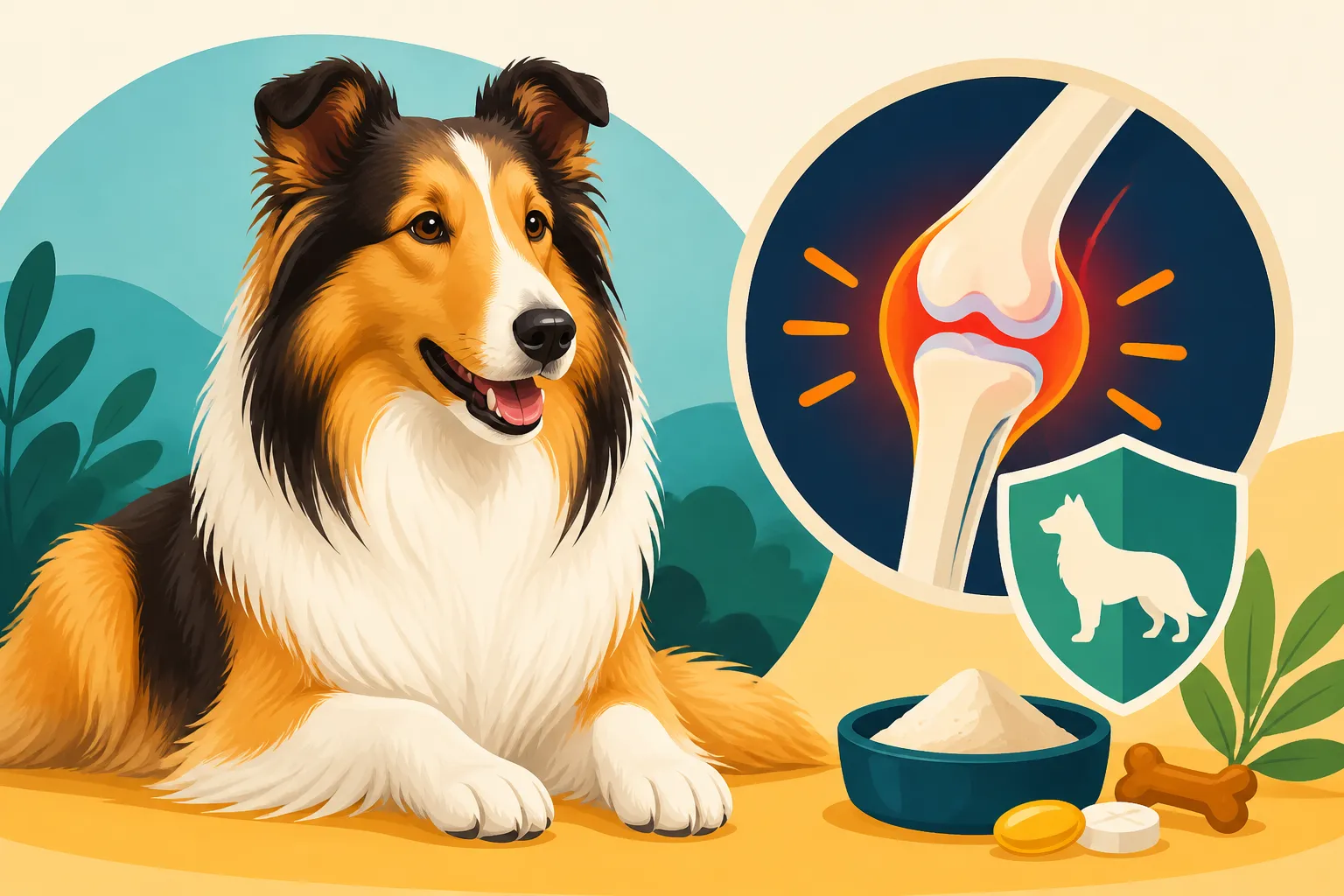
Imagine the complex machinery of your Collie's joints: smooth cartilage cushioning the bones, and lubricating synovial fluid allowing for effortless movement. Over a lifetime of running, jumping, and yes, even just walking, this perfect system gradually begins to degrade. The cartilage can start to thin, losing its shock-absorbing properties, and the quality and quantity of synovial fluid might diminish. This leads to friction, inflammation, and discomfort – the hallmarks of osteoarthritis. For a breed like the Collie, known for its active nature and elegant gait, this process can be particularly impactful. They love to be on the move, whether it's a brisk walk around the neighborhood, a game of fetch in the yard, or quietly following you from room to room. When joint pain sets in, it chips away at their quality of life, often in ways that are not immediately obvious to us.
Many Collie owners might notice a slight hesitation before jumping into the car or a bit more stiffness after a long nap, and attribute it simply to their dog "getting old." It’s easy to dismiss these subtle changes, but they are often early warnings. If ignored, these minor discomforts can escalate into chronic pain that significantly impacts their mobility and happiness. Understanding the subtle shift from peak physical condition to the early stages of joint degradation is key to intervening effectively. This isn't just about adding years to their life, but adding quality to those years, ensuring they can continue to enjoy the activities that make them a Collie.
Common Joint Issues Collies Face
While all dogs can develop arthritis, Collies, like many medium-to-large breeds, have certain predispositions that make proactive joint care even more important. Osteoarthritis, also known as degenerative joint disease, is perhaps the most common culprit. It's essentially the body's response to joint damage, leading to chronic inflammation, pain, and reduced mobility. This can affect any joint, but often targets the hips, elbows, stifles (knees), and spine. We might notice our Collie taking shorter strides, showing a reluctance to put full weight on a limb, or even experiencing muscle atrophy in affected areas due to disuse.
Beyond general wear and tear, Collies can also be susceptible to developmental orthopedic conditions that lay the groundwork for arthritis later in life. Conditions like Hip Dysplasia in a Collie or elbow dysplasia, even if mild, can cause abnormal joint development that puts uneven stress on the cartilage, accelerating the onset of osteoarthritis. A Collie might have had mild hip dysplasia as a young dog, shown no obvious symptoms for years, but by middle age, that foundational issue can manifest as significant arthritis. Being aware of these breed-specific tendencies means we can be more vigilant for Signs a Collie Has Hip Dysplasia and implement supportive measures before severe pain sets in. It’s about managing the journey of their health, not just reacting when a crisis hits, aiming to provide a comfortable life for as long as possible, truly understanding How Long a Collie Lives and What Ends It.
Signs Your Collie Might Need Joint Support
One of the biggest challenges in identifying joint pain in Collies is their inherent stoicism. These intelligent and often sensitive dogs are masters at hiding discomfort, a trait that stems from their ancestral need to appear strong and capable. As owners, we need to become adept at reading their subtle cues to catch problems early.
Subtle Behavioral Changes to Watch For
It’s often not a sudden limp that signals joint pain, but a gradual shift in behavior. Your Collie might still greet you with a wagging tail, but have you noticed they no longer spring up with the same enthusiasm? Perhaps they're taking the stairs one step at a time instead of bounding up them, or they've started choosing the softest, easiest route around the house rather than navigating obstacles. A Collie who once loved a spirited game of fetch might now lie down more often during play, or return the ball at a slower pace. They might also become less inclined to jump onto furniture, or even into the car, preferring to be lifted or assisted. These aren't just "old dog" behaviors; they are often indicators of underlying joint discomfort. As we've learned, Whether a Collie Hides Pain is a significant factor in delayed diagnosis.
Pay close attention to changes in their daily routine. Is your Collie sleeping in new, perhaps more awkward, positions? Are they grooming less effectively in certain areas because it's painful to reach? Some dogs might also become a little more irritable or withdrawn when approached in a way that might aggravate a sore joint. It's not aggression, but a defensive reaction to potential pain. Observing these nuanced shifts requires a keen eye and an understanding of your individual dog's personality and typical energy levels. Don't wait for them to cry out; by then, the pain is often quite severe. Early intervention based on these subtle signs can make a world of difference in managing their comfort.
Physical Indicators and Veterinary Assessment
Beyond behavioral changes, there are more overt physical signs that warrant a veterinary visit. Stiffness, especially after periods of rest, is a classic indicator. You might notice your Collie takes a few moments to "warm up" after waking from a nap or getting out of their bed. A visible limp or favoring of one leg over another is a clear sign, as is difficulty getting up from a lying position. Some Collies might exhibit a "bunny hop" gait when running, particularly if their hips are bothering them, or a reluctance to extend their limbs fully. You might also observe them licking or chewing excessively at a particular joint, indicating inflammation or pain in that area.
When you notice any of these signs, it's crucial to schedule a visit with your veterinarian. They can conduct a thorough physical examination, palpating joints for swelling, pain response, and range of motion. Often, X-rays are recommended to visualize the joint structure, assess cartilage space, and look for signs of arthritis, such as bone spurs or remodeling. Blood tests might also be performed to rule out other conditions. This comprehensive assessment is vital for an accurate diagnosis and to formulate an effective treatment plan. Remember, while you might suspect joint pain, only a veterinary professional can definitively diagnose the issue and recommend the appropriate course of action, ideally a vet who understands the unique breed-specific nuances, as discussed in Whether a Collie Owner Should Choose a Vet Who Knows the Breed.
Proactive Joint Support Strategies for Middle-Aged Collies
Once your Collie hits that middle-age sweet spot, it's time to become proactive about joint health, even if you're not seeing obvious signs of discomfort yet. Prevention and early intervention are truly the keys to ensuring a comfortable and active senior life.
Dietary Considerations and Weight Management
One of the single most impactful things you can do for your Collie's joints is to maintain a healthy weight. Every extra pound puts additional stress on their joints, accelerating wear and tear and exacerbating any existing conditions. Just imagine carrying a heavy backpack all day – that's what being overweight feels like for your dog's skeletal system. It's a contributing factor to Whether a Collie's Weight Shortens Its Life. As Collies age, their metabolism often slows, and their activity levels may naturally decrease, making weight gain a common problem, especially for those who might have experienced Whether a Neutered Collie Gains Weight earlier in life.
Consult with your vet about an ideal weight for your individual Collie and adjust their diet accordingly. Many senior-specific dog foods are formulated with fewer calories and added joint-supportive nutrients. Focus on high-quality proteins and carefully measured portions. If your Collie needs to lose weight, gradual reduction in calorie intake combined with appropriate exercise is much safer than crash dieting. Strategies for Getting Weight Off a Collie involve consistency and careful monitoring. Incorporating fresh, whole foods can also be beneficial, but always ensure they are safe and balanced.
Exercise Modifications and Physical Therapy
Maintaining muscle mass is crucial for supporting joints, but as a Collie ages and potentially develops joint discomfort, high-impact exercise can do more harm than good. Instead of intense running or agility, focus on low-impact activities. Gentle, consistent walks (perhaps shorter but more frequent), swimming, or even underwater treadmill therapy can provide excellent cardiovascular benefits and strengthen muscles without jarring the joints. The goal is to keep them moving, not to push them to their limits. A good rule of thumb is to observe your Collie after exercise: if they are significantly stiffer or more painful the next day, you've likely overdone it.
Physical therapy, often overlooked for dogs, can be incredibly beneficial. Canine physical therapists can develop tailored exercise programs that target specific muscle groups, improve range of motion, and reduce pain. Techniques like therapeutic exercises, massage, stretching, and even modalities like laser therapy or acupuncture can provide significant relief and improve mobility. Hydrotherapy, in particular, allows dogs to exercise without the full impact of gravity, building strength and flexibility in a safe environment. These interventions not only help manage existing pain but also help prevent further deterioration, allowing your Collie to enjoy a greater degree of activity throughout their middle and senior years.
The Role of Supplements and Medications
Joint supplements have become a cornerstone of proactive joint care for many middle-aged Collies, and for good reason. Ingredients like glucosamine and chondroitin are widely recognized for their ability to support cartilage health and reduce inflammation. MSM (methylsulfonylmethane) can help with pain and inflammation, while omega-3 fatty acids (found in fish oil) are powerful natural anti-inflammatories. When choosing supplements, look for reputable brands that provide third-party testing and clear dosage instructions. Some owners might also find benefits from green-lipped mussel extract or turmeric. You can learn more about how certain supplements like Whether Fish Oil Improves a Collie's Coat can have dual benefits for skin and joints.
For Collies already experiencing pain, your vet might recommend prescription medications. Non-steroidal anti-inflammatory drugs (NSAIDs) like Rimadyl, Galliprant, or Deramaxx are often prescribed to reduce pain and inflammation, greatly improving comfort and mobility. However, these require regular veterinary monitoring due to potential side effects. Newer injectable medications, such as Librela (for dogs) or Solensia (for cats, but the concept is similar), target nerve growth factor, a key mediator of pain, offering monthly pain relief without some of the systemic side effects of oral NSAIDs. These advancements offer exciting possibilities for long-term pain management. The cost of these treatments can add up, and many owners find peace of mind with pet insurance providers like Healthy Paws when facing these ongoing expenses. Discussing potential diagnostics and long-term care plans with your vet is key, and understanding how a plan from a provider like Healthy Paws might assist can be very helpful.
Environmental Adjustments for Comfort
Your home environment can play a huge role in your middle-aged Collie's joint comfort. Simple modifications can make their daily life much easier and reduce the strain on their aging joints. Investing in an orthopedic dog bed is a must. These beds are designed to support joints and relieve pressure points, promoting better sleep and reducing stiffness upon waking. Look for beds with dense, supportive foam, rather than just soft batting.
Consider adding ramps or steps to help your Collie access elevated areas like the couch, your bed, or the car. This eliminates the jarring impact of jumping, which can be very painful and damaging. Place non-slip rugs or runners on hard flooring surfaces (hardwood, tile, laminate) to provide traction and prevent slips and falls, which can lead to injury. Raised food and water bowls can also make mealtime more comfortable by preventing your Collie from having to bend down excessively, easing strain on their neck and spine. Small adjustments like these can significantly improve your Collie's quality of life and prolong their mobility.
When to Start and What to Discuss with Your Vet
Knowing when to initiate joint support and how to effectively communicate with your veterinarian are critical components of a successful long-term joint health plan for your Collie. It’s a partnership that begins well before severe symptoms manifest.
Age and Individual Factors for Starting Support
The concept of "middle age" can be a bit fluid for dogs, but generally, for a Collie, it starts around 6 or 7 years old. This is an excellent time to begin thinking proactively about joint support, even if your dog isn't showing obvious signs of pain. Think of it like starting to take preventative measures for your own health before you develop a problem. Starting supplements like glucosamine/chondroitin or omega-3s, or adjusting their diet, can provide a protective effect. Some Collies might even show Whether a Collie Gets Arthritis Early if they have underlying genetic predispositions.
However, every Collie is an individual. A Collie with a history of an injury, or a known mild case of Hip Dysplasia in a Collie, might benefit from starting joint support even earlier. On the other hand, a Collie with exceptional genetics and a lower activity lifestyle might not show signs until later. Your vet can help assess your individual Collie's risk factors, current joint health, and overall condition to recommend a personalized timeline for starting supportive care. Don't wait until your Collie is clearly limping or struggling; by then, significant damage has likely occurred, and management becomes more challenging. Proactive care is truly the best gift you can give your middle-aged companion.
Preparing for a Comprehensive Vet Visit
When you notice subtle changes in your Collie's mobility or reach that middle-age benchmark, it's time for a dedicated conversation with your veterinarian about joint health. To make the most of this visit, come prepared. Keep a journal of any symptoms you've observed, noting when they occur (e.g., "stiffer in the mornings," "hesitates before jumping after a long walk"), how long they last, and if anything seems to make them better or worse. Document any changes in appetite, activity level, or temperament.
Be ready to discuss your Collie's complete medical history, including any past injuries, diagnoses of conditions like hip dysplasia, and current medications or supplements. Your vet will conduct a thorough physical exam, which may include gait analysis and joint palpation, and might recommend diagnostics like X-rays to get a clearer picture of their joint health. It's important to discuss a long-term strategy, encompassing diet, exercise, supplements, and potential medications. Also, explore options for managing the financial aspect of long-term care, as pet insurance from providers like Healthy Paws can be a valuable tool. A comprehensive approach, combining early intervention with consistent veterinary guidance, is the most effective way to keep your Collie comfortable and active well into their senior years, ensuring their continued happiness and zest for life, as you prepare for Caring for a Collie Past Nine and observe What Changes in a Collie After Nine.
Comparing Joint Support Strategies for Collies
To help visualize the various approaches to joint support, here's a quick overview of different strategies and their key considerations.
| Strategy | Key Benefits | Considerations | When to Start |
|---|---|---|---|
| Weight Management | Reduces joint stress, slows disease progression | Requires consistent diet control and appropriate exercise; can be challenging with age. | Crucial from puppyhood, vital in middle age. |
| Dietary Supplements | Supports cartilage, reduces inflammation, pain relief | Quality varies widely, needs consistent administration, takes time to see effects. | Prophylactically in middle age, or with early signs. |
| Exercise Modification | Maintains muscle mass, improves mobility, less impact | Requires understanding of appropriate intensity; avoid high-impact activities. | As early signs appear, or proactively in middle age. |
| Physical Therapy | Targeted muscle strengthening, pain relief, improved range of motion | Can be costly and time-consuming; requires access to a qualified therapist. | After injury or diagnosis, or to maintain mobility. |
| Medication (NSAIDs, Injections) | Rapid pain relief, reduces inflammation | Prescription-only, potential side effects, requires vet monitoring. | For moderate to severe pain, or chronic conditions. |
| Environmental Changes | Reduces daily strain, improves comfort and safety | Inexpensive, immediate relief, but doesn't address underlying joint disease. | As soon as middle age begins, or sooner if needed. |
Disclaimer
The information provided in this guide is for general educational purposes only and should not be considered a substitute for professional veterinary advice. Always consult with your veterinarian for any health concerns or before making any decisions related to your Collie's health and treatment.