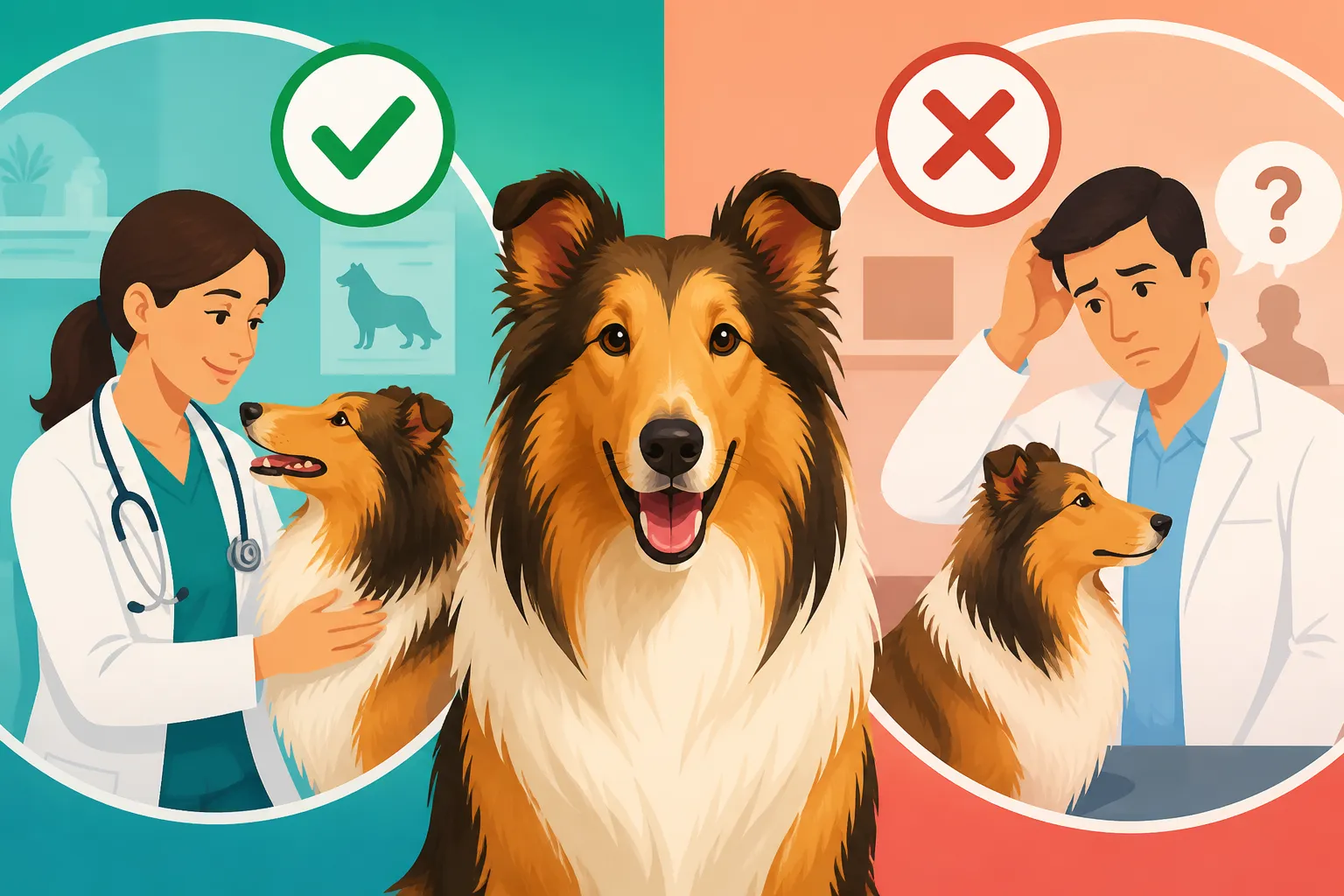
Whether a Collie Owner Should Choose a Vet Who Knows the Breed
It’s a common worry for Collie owners: you walk into a new vet clinic, your beautiful, sensitive dog by your side, and you wonder if this person truly understands the unique needs of your breed. Given the Collie's distinct health predispositions and temperament, finding a veterinarian who is familiar with the breed isn't just a bonus; it can genuinely impact the quality of care and even the safety of your beloved companion. This guide will help you understand why breed-specific knowledge matters and how to approach finding or educating your vet.
The Unique Health Quirks That Make Collie-Specific Vet Knowledge Valuable
Collies, for all their beauty and intelligence, come with a specific set of genetic predispositions and health concerns that aren't necessarily common in every breed. These aren't just minor quirks; some can be life-threatening if not properly managed or if a vet is unaware of them. It's not about criticizing general practice vets, who are incredibly skilled, but rather recognizing that a deep dive into specific breeds simply isn't feasible for every one of the hundreds of dog breeds out there. This is where your advocacy comes in, and why a vet who already knows the breed can be such a comfort.
The MDR1 Gene Mutation: A Critical Consideration
The most widely known and perhaps most critical health concern for Collies is the MDR1 (multi-drug resistance 1) gene mutation. This genetic quirk means that many common drugs, perfectly safe for most other breeds, can be toxic, even fatal, to a Collie. We're talking about medications often used for pain relief, chemotherapy, and even some parasite preventatives. For a vet to understand The Drug List That Can Kill a Collie is absolutely non-negotiable. If your vet isn't intimately familiar with this mutation, or worse, has never heard of it, that's a huge red flag.
Imagine taking your Collie in for a routine procedure, say, a dental cleaning. Anesthesia is required, and certain pre-medications might be given. If the vet doesn't know about MDR1, they might administer a drug like acepromazine, which can cause severe, prolonged sedation and even death in an affected Collie. The symptoms of a reaction can range from disorientation and drooling to seizures and coma. It's terrifying to think about, and it's why many Collie owners choose to Assume Your Collie Has the MDR1 Mutation until proven otherwise through testing. Understanding What the MDR1 Mutation Actually Does to a Collie is foundational to safe veterinary care for our breed.
Collie Eye Anomaly (CEA): A Visual Concern
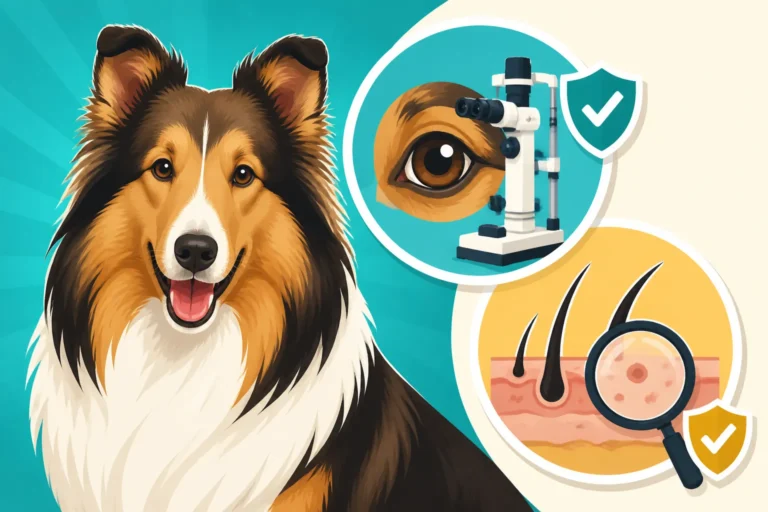
Another significant health issue in Collies is Collie Eye Anomaly, or CEA. This is an inherited eye condition that can range from very mild, barely noticeable choroidal hypoplasia (CH) to severe colobomas that can lead to retinal detachment and blindness. Most Collies are affected by CEA to some degree, making early eye checks for puppies crucial. A vet familiar with Collies will know to specifically screen for CEA, and will understand the nuances of the condition, rather than simply dismissing any eye abnormality as "just dog eyes."
While mild CEA might not severely impact a Collie's vision, more serious forms can. A vet with breed-specific knowledge won't just tell you about the condition; they'll discuss prognosis, potential complications, and what to watch for as your dog ages. They'll also be aware that this condition doesn't typically progress, but complications like retinal detachment can occur later in life, sometimes spontaneously. For a new puppy, ensuring the breeder has provided a recent eye certification from a veterinary ophthalmologist is a critical step, and your vet should be able to interpret that document and its implications for your dog's future vision. Collie Eye Anomaly Affects Most Collies, So Ask How Badly is a conversation you need to have.
Bloat and Dermatomyositis: Other Key Health Risks
Collies, with their deep chests, are at a higher risk for Gastric Dilatation-Volvulus (GDV), commonly known as bloat. This is a life-threatening condition where the stomach fills with gas and twists, cutting off blood supply and quickly becoming an emergency. A vet familiar with deep-chested breeds will automatically be more vigilant for signs of bloat and will understand the urgency required. They might also discuss preventive measures like a prophylactic gastropexy, a surgery that tacks the stomach to the abdominal wall to prevent twisting. This isn't a conversation every general vet will initiate, but it's one a breed-savvy vet will know to have with a Collie owner. Bloat in a Deep Chested Collie is a serious risk that requires swift action.
Then there's Dermatomyositis (DMS), an autoimmune skin and muscle disease that can affect Collies. While often manageable, it manifests with skin lesions, hair loss, and sometimes muscle weakness. A vet who knows Collies will be quicker to recognize the often subtle initial signs, ruling out other common skin conditions and getting to a diagnosis sooner. Early intervention can make a significant difference in managing this condition. Understanding Dermatomyositis and the Collie Risk Panel is important for any owner.
Beyond Health: Behavioral Nuances a Vet Should Understand
It's not just about the physical; a Collie's temperament is also distinct, and a vet who appreciates these traits can provide a much more positive experience for your dog. Collies are incredibly intelligent, sensitive, and observant creatures. They're not always boisterous and outgoing like some other breeds; they often take a moment to assess a situation, including a new person or environment.
Sensitivity to Handling and Environment
Collies are known for their gentle nature, but they can also be quite sensitive. This means a heavy-handed approach in a veterinary setting can be particularly distressing. A vet who understands this will use calm, gentle handling techniques, employ positive reinforcement, and take their time to build trust. They won't rush a Collie through an exam, understanding that a fearful experience can create long-lasting negative associations with the clinic. Harsh Handling Breaks a Collie and It Does Not Come Back, and this is especially true in a vet's office.
They might suggest quieter appointment times or allow you to wait in a less stimulating area if your Collie is prone to anxiety. They understand that what might be "normal" handling for a bolder breed could be overwhelming for a Collie. This sensitivity extends to pain, too; Collies, like many stoic herding breeds, can sometimes mask discomfort. A vet familiar with their behavior will be more attuned to subtle signs that your dog isn't feeling well, preventing conditions from escalating.
The Famous Collie Bark
Ah, the Collie bark! It’s a signature trait, and while charming at home, it can be amplified by stress or overstimulation in a vet clinic. Collies are vocal and often alert to their surroundings, which means the sounds and smells of a busy veterinary waiting room can quickly lead to a symphony of "woofs." The Bark Is the Trait Collie Owners Underestimate until they're trying to have a conversation with a vet tech!
A vet team experienced with Collies won't see this as a behavioral flaw but as a breed characteristic. They might offer solutions like taking your Collie directly into an exam room rather than waiting, or suggesting pheromone sprays or calming treats before visits. They understand that a barking Collie isn't necessarily aggressive, but often just expressing anxiety or their natural herding instinct to "control" their environment. This understanding can help both your dog and you feel more comfortable during visits.
How to Find a Vet Who "Gets" Your Collie
So, how do you find this mythical, Collie-savvy veterinarian? It's not always easy, but it's definitely worth the effort. Think of it like interviewing for a crucial member of your dog's support team.
Interviewing Prospective Clinics
Don't be shy about calling clinics and asking questions before you even bring your dog in. This is your chance to screen them. Here are some questions to ask:
- "Are any of your vets specifically experienced with Collies or other herding breeds like Australian Shepherds or Shelties?" (These breeds often share similar health concerns, especially MDR1.)
- "What is your clinic's protocol for dogs with the MDR1 gene mutation? Do you test for it or assume all at-risk breeds are affected?"
- "Are you familiar with Collie Eye Anomaly (CEA) and Dermatomyositis (DMS)?"
- "How does your staff handle sensitive or anxious dogs during exams?"
- "Do you recommend specific protocols for deep-chested breeds at risk for bloat?"
Pay attention to their answers. Do they sound knowledgeable and confident, or do they stumble or have to look things up? While looking things up isn't bad (it shows diligence), a complete lack of familiarity with MDR1 is a major concern. You want a vet who is proactive in their approach to breed-specific health issues.
Leaning on the Collie Community
The best resource for finding a great vet is often other Collie owners!
- Local Breed Clubs: Search online for local Collie clubs. These communities are invaluable. Members have likely been through this search themselves and can offer firsthand recommendations for vets who are truly excellent with Collies.
- Online Forums and Social Media Groups: Join breed-specific groups on platforms like Facebook. Ask for recommendations in your geographical area. You'll often get honest reviews and insights into how different clinics handle Collies.
- Breeders: If you got your Collie from a reputable breeder, ask them for their vet recommendations. Good breeders are typically highly connected within the breed community and will know vets who are well-versed in Collie health. They might even have a long-standing relationship with a particular clinic.
These networks can save you a lot of trial and error. You'll likely find that certain names or clinics come up repeatedly as being particularly good with Collies.
What to Look for During the First Visit
Even after your interviews, observe carefully during your first visit.
- Does the vet listen to your concerns about breed-specific issues?
- Do they handle your Collie gently, taking their time?
- Does the staff seem calm and patient?
- Are they open to discussing a detailed health plan that accounts for your Collie’s unique risks?
Sometimes, a vet might not be a "Collie specialist," but they are excellent general practitioners who are open to learning and working with you. That's a great sign too.
What to Do If a Breed-Specific Vet Isn't an Option
Let's be realistic: not everyone lives in an area with a plethora of vets, let alone breed-specific specialists. If a vet with extensive Collie knowledge isn't readily available, don't despair! You can still ensure your Collie receives excellent care, but it will require you to be an even stronger advocate and educator.
Educating Your Current Vet
You know your dog and your breed better than anyone. Be prepared to educate your vet and their staff.
- Compile a Health Folder: Create a dedicated folder for your Collie's health records. Include their genetic test results (especially for MDR1, CEA, and DMS). Highlight these results prominently.
- Provide a "Collie Cheat Sheet": Create a one-page summary of critical Collie information:
- MDR1 Status: CLEAR/CARRIER/AFFECTED. List drugs to absolutely avoid or use with caution.
- CEA Status: Mild/Moderate/Severe.
- Bloat Risk: Note their deep chest and discuss your concerns.
- Temperament Notes: "My Collie is sensitive to loud noises and needs gentle handling."
- Discuss Proactively: Before any procedure, especially one involving anesthesia or new medications, bring up the MDR1 mutation. Don't assume they remember from previous visits. Say, "Just a reminder, my Collie is MDR1 [status], so please ensure any medications are safe for him." Many owners will provide What a Collie Owner Should Carry to an Emergency Visit that includes this critical information.
Here’s a simple table to help you condense key information for your vet:
| Health Concern | Collie Specifics | Action for Vet / Owner |
|---|---|---|
| MDR1 Mutation | Very common in Collies. Affected dogs (m/m) or carriers (N/m) can have severe, even fatal, reactions to certain drugs (e.g., Ivermectin, Loperamide, Acepromazine, certain chemotherapy drugs). | Vet: Always confirm MDR1 status before prescribing or administering drugs. Use alternative safe medications or reduced dosages for carriers/affected dogs. |
| Collie Eye Anomaly (CEA) | Inherited developmental eye condition, ranging from mild choroidal hypoplasia to severe colobomas that can lead to retinal detachment. Most Collies are affected to some degree. | Vet: Conduct annual eye exams, especially in puppies (5-7 weeks) by a veterinary ophthalmologist. Monitor for any changes in vision or eye structure. |
| Bloat (GDV) | Deep-chested breed, higher risk of Gastric Dilatation-Volvulus. Life-threatening emergency. | Vet: Discuss preventative gastropexy. Educate owner on signs and immediate emergency protocol. |
| Dermatomyositis (DMS) | Autoimmune skin and muscle disease. Presents with skin lesions, hair loss, and sometimes muscle weakness. | Vet: Early recognition and differentiation from other skin conditions. Discuss genetic testing for risk factors. |
| Sensitivity/Anxiety | Collies are often sensitive to noise, new environments, and rough handling. Can become anxious or vocal (barking). | Vet: Use gentle handling, positive reinforcement. Offer quiet waiting areas or direct rooming. Consider pre-visit anxiety reduction strategies. |
Consider flagging your Collie's chart at the clinic. Ask them explicitly: Whether a Collie's Chart Should Be Flagged at the Clinic with a prominent note about MDR1 and their breed-specific sensitivities. This ensures that every staff member who interacts with your dog is aware of these crucial details.
Building an Emergency Plan
Even with a great regular vet, emergencies happen, often when your clinic is closed.
- Identify an Emergency Vet: Find the nearest 24/7 emergency veterinary hospital in advance.
- Share Your Collie's Info: Call them, or better yet, visit them with your Collie's health folder. Explain the MDR1 mutation and leave a copy of your Collie's critical information, including genetic test results, with them. This proactive step can be life-saving if you ever need to rush your dog in.
- Emergency Fund/Insurance: Veterinary emergencies can be incredibly expensive. Having an emergency fund or robust pet insurance like Healthy Paws or similar providers can alleviate financial stress during a crisis. Understanding What a Collie's Emergency Visit Costs can help you prepare. Many owners weigh Whether Pet Insurance Is Worth It on a Collie for this very reason.
Leveraging Online Resources and Telehealth
In today's connected world, even if your local vet isn't a Collie expert, you can still access specialized knowledge.
- Telehealth Consultations: Some veterinary specialists offer telehealth consultations. If you have a complex case, you might be able to get a second opinion from a board-certified veterinary internist or geneticist who does have deep breed knowledge, even if they're across the country. Your primary vet can then work with this specialist's recommendations.
- Reputable Online Pharmacies: When ordering medications or preventatives, especially if your Collie is MDR1 affected, consider using reputable online pet pharmacies. Companies like Chewy offer a wide range of veterinary-approved products, and you can often find medications known to be safe for MDR1 dogs. Be sure to discuss any new medications or preventatives with your vet first, even if you purchase them online.
- Nutritional Guidance: For dietary needs, especially if your Collie has sensitivities, sources like Ollie can provide tailored meal plans. Discuss any specific dietary requirements with your vet, but remember that services like Ollie can help you source quality, appropriate food.
Ultimately, choosing a vet who knows the breed is ideal for a Collie owner. It provides peace of mind and ensures a higher level of nuanced care. However, if that’s not possible, your dedication to being an informed and proactive advocate for your Collie can bridge the gap and ensure they receive the best possible care, no matter who their primary vet is.
Disclaimer
This article is for general informational purposes only and does not constitute professional advice. Laws, prices and regulations vary by location and change over time. Consult a qualified professional for guidance on your specific situation.