Collie Eye Anomaly Affects Most Collies, So Ask How Badly
Bringing a Collie into your life is an absolute joy, filled with the promise of loyal companionship and endless affection. But for many new and even experienced Collie owners, the mention of eye problems can stir up a lot of anxiety and confusion. It’s a sad reality that a significant number of Collies are affected by a genetic condition called Collie Eye Anomaly, or CEA, which can range from barely noticeable to profoundly impacting their vision. This comprehensive guide is here to demystify CEA, help you understand its nuances, and equip you with the knowledge to care for your beloved Collie, no matter the diagnosis.
Understanding Collie Eye Anomaly: What It Is and Why It Matters
Collie Eye Anomaly is one of those breed-specific health issues that can truly catch you off guard if you haven't done your homework. It's a congenital, inherited condition, meaning it's present from birth and passed down through generations. Essentially, CEA is a developmental defect of the eye that impacts several layers, primarily the choroid, retina, and optic nerve. When you hear about it, it often comes with a sense of dread, but it's crucial to understand that its severity varies wildly from dog to dog. Not all forms are debilitating, but all forms are important to recognize and manage, especially when considering breeding.
What is CEA and How It Develops
At its core, CEA is a failure of normal development in the tissues at the back of the eye. The choroid, which is a layer rich in blood vessels providing nutrients to the retina, is often underdeveloped or thinned. This thinning is called choroidal hypoplasia (CH), and it's the most common and generally mildest manifestation of CEA. Think of it like a patch of land not getting enough irrigation; the ground is there, but it’s not as robust or functional as it should be. This underdevelopment can affect the pigment and structure of the choroid, leading to visual abnormalities that can be detected by a trained ophthalmologist. The genetic mutation responsible for CEA causes these tissues to develop abnormally during fetal growth, long before a puppy even opens its eyes.
The Genetic Basis of CEA
CEA is inherited as an autosomal recessive trait. This is a fancy way of saying that for a Collie to show the condition, it must inherit two copies of the faulty gene—one from each parent. If a dog inherits only one copy, it's considered a "carrier" and won't typically display symptoms, but it can pass the gene on to its offspring. This genetic component is why responsible breeding practices are so vital in the Collie community. Breeders who are committed to the health of the breed will perform The Three Genetic Tests a Collie Breeder Owes You to identify carriers and affected dogs. Understanding this inheritance pattern is key to preventing the spread of CEA and making informed decisions about future generations of Collies. A simple DNA test can identify if a Collie is clear, a carrier, or affected, which is an invaluable tool for both breeders and owners who want to understand their dog's genetic health.
Prevalence in the Collie Breed
It's really disheartening to hear, but historically, CEA has been incredibly widespread in Collies. Studies in the past have shown that a significant percentage of the breed, sometimes as high as 70% or more, could be affected to some degree. That's a staggering number, and it underscores why asking How Many Collies Are Affected by Collie Eye Anomaly is such a critical question. While dedicated breeders have made strides in reducing its prevalence through selective breeding and genetic testing, it remains a concern. This high prevalence means that even if your puppy seems perfectly fine, a thorough eye exam by a certified veterinary ophthalmologist is absolutely essential. Don't assume your Collie is clear just because you don't see any obvious issues; many forms of CEA aren't outwardly apparent without a specialized examination.
The Different Grades of Collie Eye Anomaly
When a veterinary ophthalmologist examines your Collie for CEA, they're not just looking for a yes or no answer. They're actually looking for a spectrum of abnormalities, each categorized into different grades of severity. It’s a bit like rating an earthquake—some are barely noticeable tremors, while others cause significant damage. Understanding these grades is crucial because they dictate the potential impact on your dog's vision and overall quality of life.
Choroidal Hypoplasia (CH)
Choroidal Hypoplasia, or CH, is by far the most common manifestation of CEA. This is what you often hear referred to as the "mild" form. In CH, the choroid layer at the back of the eye is thinner than it should be and lacks the normal amount of pigment. When the ophthalmologist looks into your Collie's eye, they might see areas where the underlying blood vessels are more visible due to this thinning. For most Collies diagnosed with CH, their vision isn't significantly impaired. In fact, many live their entire lives with perfect sight, completely unaware that they have this condition. It's often discovered during a routine puppy eye exam and rarely progresses to anything more severe.
However, there's a fascinating phenomenon known as "Go Normal" or "Non-diagnosable CH." This happens when the pigment in the back of the eye develops and covers up the choroidal hypoplasia, making it impossible to diagnose later in life. This is precisely why Why a Collie Puppy Is Eye Checked at Five to Seven Weeks is so vital. If you wait too long, past about 8 weeks of age, that window of opportunity for an accurate diagnosis of CH can close. While a "Go Normal" Collie might appear perfectly healthy on a later exam, they still carry the genetic predisposition for CEA and can pass it on to their offspring.
Colobomas: More Severe Defects
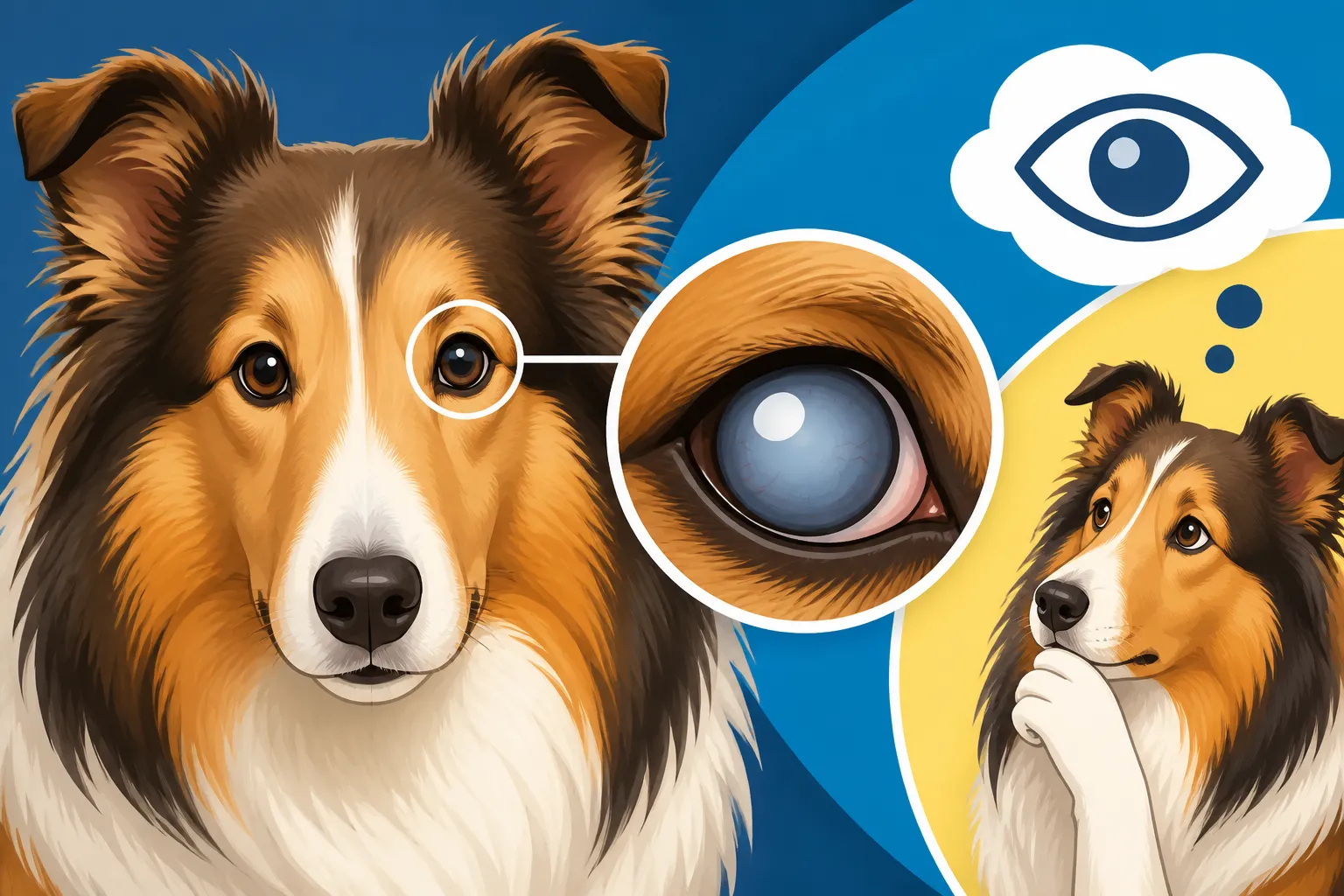
While CH is generally benign, a coloboma is a more serious defect associated with CEA. A coloboma is essentially a hole or a pit in one of the structures of the eye, most commonly the optic disc (where the optic nerve connects to the retina) or in the adjacent retina. Imagine a small, irregular crater on the surface of the moon – that's a visual metaphor for a coloboma. These aren't just cosmetic issues; they can significantly impact vision because the affected area is non-functional.
The severity of a coloboma depends on its size and location. Small colobomas might cause minor blind spots that a dog easily compensates for, often going unnoticed by owners. However, larger colobomas can lead to significant vision impairment or even blindness in the affected eye. They can also weaken the structure of the eyeball itself, making it more prone to secondary complications like retinal detachment or intraocular hemorrhage. This is why when discussing Whether Colobomas Are Worse Than Choroidal Hypoplasia in a Collie, the answer is almost always yes. A coloboma carries a much higher risk of vision loss and other serious complications.
Retinal Detachment: The Most Serious Outcome
The most devastating consequence of severe CEA, particularly when colobomas are present, is retinal detachment. The retina is the light-sensitive layer at the back of the eye that transmits visual information to the brain. When it detaches, it peels away from the underlying supportive tissue, cutting off its blood supply and leading to blindness in that eye. This can happen spontaneously, or it can be triggered by even minor trauma, especially in eyes with a coloboma.
A detached retina can sometimes be a sudden, alarming event. You might notice your Collie bumping into things, showing a sudden lack of confidence, or the affected eye might appear different. Unfortunately, surgical repair of a detached retina in dogs is complex, expensive, and not always successful, especially if the underlying cause is a structural defect like a severe coloboma. While Whether Collie Eye Anomaly Gets Worse Over Time is generally not true for CH, the risk of a secondary retinal detachment from a coloboma can develop later in life. This potential for such a severe outcome is precisely why early diagnosis and understanding the specific grade of CEA in your Collie is so incredibly important.
| CEA Grade | Description | Impact on Vision | Progression | Risk of Secondary Issues |
|---|---|---|---|---|
| Choroidal Hypoplasia (CH) | Thinned choroid, decreased pigment. | Usually none to minimal. | Non-progressive. | Very Low |
| "Go Normal" CH | CH that becomes undetectable by 8 weeks due to pigment development. | Usually none to minimal. | Non-progressive (becomes undetectable). | Very Low (but still genetic carrier) |
| Coloboma | Hole/pit in optic disc or adjacent retina. | Varies from minor blind spots to severe impairment/blindness. | Non-progressive, but risk of complications. | Moderate to High (retinal detachment, hemorrhage) |
| Retinal Detachment | Retina separates from underlying support tissue. | Complete blindness in affected eye. | Acute, can occur spontaneously or with trauma. | Permanent vision loss |
Diagnosing CEA: When and How Your Collie Gets Checked
The diagnosis of Collie Eye Anomaly isn't something you can do with a quick glance at your puppy. It requires specialized knowledge and equipment, and most importantly, it needs to be done at a very specific time in a Collie's life. This early screening is one of the most proactive steps you can take as a responsible Collie owner, and any reputable breeder will ensure it's done before you even take your puppy home.
The Crucial Puppy Eye Exam
The cornerstone of CEA diagnosis is the specialized puppy eye exam, performed by a board-certified veterinary ophthalmologist. This isn't just a regular vet check-up; it's a deep dive into the tiny, developing eyes of a very young puppy. The exam needs to happen when the puppies are between five and eight weeks of age. This narrow window is critical because, as we discussed, if you wait much longer, the reflective layer (tapetum) in the eye develops more pigment, which can unfortunately mask the signs of choroidal hypoplasia, leading to a "Go Normal" diagnosis that doesn't reflect the underlying genetic reality.
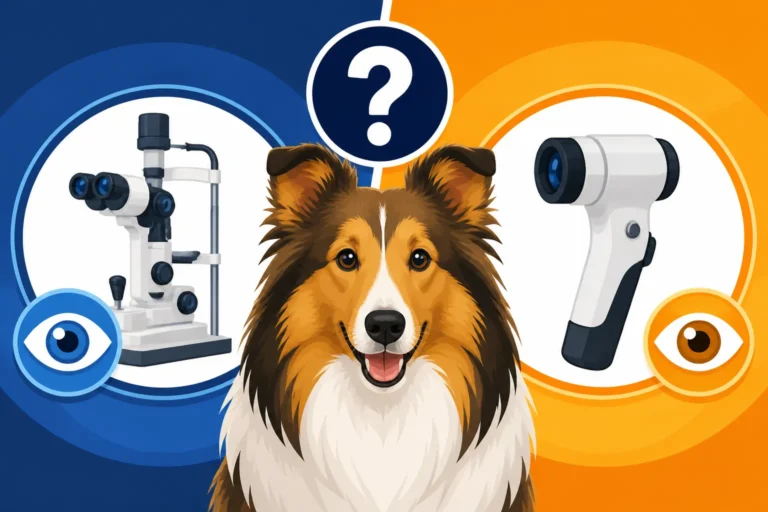
During this exam, the ophthalmologist will dilate the puppies' pupils and use an indirect ophthalmoscope to examine the fundus—the back of the eye. They'll be looking for specific tell-tale signs: areas of choroidal hypoplasia, any colobomas (even tiny ones), or signs of retinal folds. It's a quick, non-invasive procedure, but it provides invaluable information about the eye health of the entire litter. Any breeder worth their salt will have these certificates for their puppies, showing the results from a reputable organization like the Orthopedic Foundation for Animals (OFA) Eye Certification Registry.
Why Timing Is Everything for Diagnosis
You might be wondering why such a strict age limit for this exam. It all comes down to the unique way the Collie eye develops. Before about eight weeks, the tapetum lucidum, which is the reflective layer behind the retina, isn't fully pigmented. This allows the ophthalmologist a clear view of the choroid, where choroidal hypoplasia (CH) manifests. As the puppy matures and the tapetum becomes more pigmented, these subtle changes in the choroid can become impossible to detect, even if they are still genetically present. This is the phenomenon of "Go Normal" and it directly impacts What Go Normal Means in a Collie's Eye Exam.
If a puppy is examined after this crucial window and gets a "clear" certificate, it might simply mean the CH is no longer visible, not that it was never there. This can be incredibly frustrating for owners and breeders trying to make informed decisions. A "Go Normal" Collie is still genetically affected and can pass CEA genes to its offspring, even if its own vision is perfectly fine. This is why, if you're ever in doubt or acquiring an older Collie, a DNA test for CEA becomes an even more important tool to confirm their genetic status, irrespective of what an ophthalmic exam might show later in life.
What to Expect During the Veterinary Ophthalmologist's Exam
Taking your Collie puppy to a specialist for their eye exam might seem a bit daunting, but it's a very straightforward process. First, the ophthalmologist's team will administer eye drops to dilate the puppies' pupils. This usually takes about 15-20 minutes to take full effect. While waiting, the puppies might be a little uncomfortable with the drops, but they generally tolerate it well.
Once dilated, the ophthalmologist will take each puppy and perform the examination. They use a special light and lens system to get a magnified view of the back of the eye. They'll systematically examine the choroid, retina, and optic disc for any abnormalities. It's a quick process for each puppy, usually only a minute or two, as they know exactly what to look for. You might be asked to hold your puppy gently while they perform the exam. After all the puppies are checked, the ophthalmologist will then discuss the findings, noting any choroidal hypoplasia, colobomas, or retinal abnormalities. They will provide an official OFA (or equivalent) eye certification form, detailing the results for each puppy. This certificate is crucial; it’s a record of your Collie's eye health at a critical developmental stage and should be part of their permanent health records. Many Collies will also have a DNA test done to complement this initial eye exam, particularly if they are intended for breeding.
Living with a Collie Affected by CEA
Finding out your Collie has CEA can feel like a punch to the gut. The immediate fear is often total blindness. However, as we’ve discussed, CEA exists on a spectrum. The reality of living with an affected Collie largely depends on the specific grade of their condition. Most Collies with CEA lead perfectly normal, happy lives, but some will require extra care and understanding from their human companions.
Managing Mild Cases CH
For the vast majority of Collies diagnosed with Choroidal Hypoplasia (CH), life continues exactly as planned. These dogs typically have no visual impairment whatsoever, and their owners might never even know they have the condition if it weren't for that crucial puppy eye exam. There's usually no specific treatment or ongoing management required for CH itself. Your vet may simply note it in their records.
The most important "management" for a Collie with CH comes into play if you're considering breeding them. Even if their vision is perfect, they are still genetically affected and can pass the gene on. Responsible breeders will use DNA testing to ensure they are making informed breeding decisions, aiming to reduce the prevalence of CEA in future generations. For pet owners, once you know your Collie has CH, it simply becomes a piece of their health history, much like knowing their blood type. You can rest assured that Whether a Mildly Affected Collie Goes Blind is overwhelmingly answered with a "no," allowing you to focus on all the joys of Collie ownership.
Caring for a Collie with a Coloboma
When a Collie is diagnosed with a coloboma, the approach to care shifts slightly. The presence of a coloboma, particularly a large one, indicates a higher risk of vision impairment and potential secondary complications. While the coloboma itself won't worsen over time, its structural weakness can predispose the eye to problems.
Your primary focus should be on protecting the affected eye and monitoring for any changes in vision or eye appearance. Colobomas can sometimes be associated with a weaker eye structure, making the eye more vulnerable to injury. This means being a bit more mindful during rough play, avoiding situations where their head might get bumped, or being extra cautious around sharp objects. Regular veterinary check-ups are important to monitor the health of the eye and ensure there are no signs of retinal detachment or hemorrhage. If your Collie's vision is significantly affected, you'll want to start adapting their environment early. This might include keeping furniture in consistent locations, using scent markers around the house, or guiding them gently in new places. While a coloboma is certainly more serious than CH, many Collies with colobomas adapt remarkably well, especially if their owners are proactive and understanding.
Dealing with Partial or Full Blindness
For Collies with severe colobomas that lead to significant vision loss or even complete blindness due to retinal detachment, the journey can be more challenging, but these resilient dogs often surprise us with their ability to adapt. Losing sight, or being born without it, is a huge adjustment for any animal, and it's certainly heartbreaking for owners. However, a blind Collie isn't a lost cause. These dogs rely heavily on their other senses – hearing, smell, and touch – to navigate their world.
Creating a safe, consistent environment is paramount. Keep furniture in the same places, use consistent verbal cues, and keep pathways clear. Scent marking specific areas (like their water bowl or their bed) can be incredibly helpful. Always speak to your Collie before touching them to avoid startling them. They might need a bit more guidance on walks, perhaps a shorter leash, and they might prefer familiar, quiet routes. Socialization is still important, but introduce new dogs and people slowly and calmly, always letting your Collie sniff them first. It's truly amazing How a Blind Collie Learns a House and adapts to its surroundings with patience and love. They form incredibly strong bonds with their families and can still enjoy many activities, from gentle walks to puzzle toys that engage their sense of smell. Organizations like the American Council of the Blind provide resources for visually impaired dogs and their owners, offering tips and support to ensure a full and happy life.
Breeding Considerations and the Future of Collies with CEA
For anyone involved in the world of Collies, whether as a breeder or an owner passionate about the breed's future, understanding the role of CEA in breeding is absolutely critical. It’s not just about individual dogs; it's about the health and integrity of the entire breed moving forward. The goal is to reduce the incidence of this inherited condition while maintaining genetic diversity.
Genetic Testing and Responsible Breeding Practices
Responsible breeders are the true guardians of a breed's health, and when it comes to CEA, their practices make a world of difference. They understand that The Genetic Testing a Collie Breeder Has Already Paid For is an investment, not an expense. This includes both the thorough puppy eye exams by a board-certified veterinary ophthalmologist and, increasingly, DNA testing. When considering Whether Two Affected Collies Should Be Bred, the answer from any ethical breeder is a resounding no. Breeding two affected Collies (even mildly affected ones) guarantees that 100% of their offspring will also be affected.
The goal is to breed "clear" dogs to "clear" dogs, or "clear" dogs to "carrier" dogs, always with the aim of producing puppies that are at least clear of the disease itself, even if some might be carriers. This systematic approach, combined with careful pedigree research and evaluating other health clearances, is how dedicated breeders slowly but surely work to improve the health of the breed over generations. Transparency is key here; breeders should be open about their dogs' CEA status and provide documentation for both DNA tests and OFA eye certifications.
The Role of DNA Testing Versus Eye Exams
This is where things can get a little confusing for many owners. We've talked about the importance of the early puppy eye exam, but we've also mentioned DNA testing. So, what's the difference, and which one is better? The truth is, they both play vital, complementary roles.
The early puppy eye exam, typically done between 5-8 weeks, is crucial for definitively diagnosing choroidal hypoplasia (CH) and colobomas at that moment in time. It's the only way to catch CH before the "Go Normal" phenomenon potentially masks it. However, it's a snapshot. A "Go Normal" puppy is still genetically affected, even if its eyes appear normal later. This is where DNA testing comes in. A DNA test can tell you, with certainty, if a Collie is genetically clear, a carrier (one copy of the mutation), or affected (two copies of the mutation) for CEA, regardless of their age or whether they "Go Normal." This means Whether a Collie's Eye Test Can Be Done by DNA Instead is a nuanced question: DNA testing identifies the genetic potential for CEA, while a clinical eye exam identifies the physical manifestation. For breeding decisions, both pieces of information are incredibly valuable. A breeder might breed a genetically clear dog to a carrier, knowing that no affected puppies will be produced, but some will be carriers. However, if a litter produces a "Go Normal" pup, that pup's DNA test will confirm it is genetically affected, informing future breeding choices for that line.
Preserving the Gene Pool While Reducing CEA
One of the biggest ethical dilemmas in breeding programs is how to reduce the incidence of a genetic disease without severely limiting the gene pool. If every dog carrying the CEA gene were removed from breeding programs, the Collie gene pool, which has already seen significant reduction over decades, would shrink dramatically, potentially leading to other unforeseen genetic health issues. This is why a balanced approach is so important.
Instead of simply eliminating all carriers, responsible breeders use strategies to gradually reduce the gene frequency. This means carefully selecting breeding pairs where at least one parent is genetically clear. For instance, breeding a "clear" dog to a "carrier" will produce a litter with a statistical probability of 50% clear and 50% carriers, but no affected puppies. This allows the valuable traits of the carrier parent (temperament, structure, etc.) to be passed on, while simultaneously working towards litters that are increasingly clear of the CEA mutation. This thoughtful, long-term approach is how breeders aim to improve the health of the breed responsibly, ensuring that Whether Breeding Only Clear Collies Would Shrink the Gene Pool can be managed without detriment to the breed's overall vitality.
Debunking Common Myths and Misconceptions about CEA
When a topic is as complex and as prevalent as Collie Eye Anomaly, it's inevitable that myths and misconceptions will sprout up. These can lead to unnecessary worry, or worse, complacency about a serious health issue. As a Collie owner, cutting through the misinformation is key to making informed decisions and understanding your dog's health.
"Go Normal" and What It Truly Means
One of the most confusing concepts surrounding CEA is the idea of "Go Normal." Many owners, and even some less experienced vets, might interpret a "Go Normal" diagnosis to mean that the Collie no longer has CEA, or that the initial diagnosis was a mistake. This simply isn't true, and it's a dangerous misconception when it comes to breeding.
As we covered, "Go Normal" refers to the phenomenon where choroidal hypoplasia (CH) is present at the crucial 5-8 week puppy exam but becomes undetectable as the tapetum (the reflective layer at the back of the eye) develops more pigment. This pigment effectively masks the underlying defect, making it impossible to see during later ophthalmic exams. The dog's vision might indeed be perfectly fine, leading owners to believe the problem resolved itself. However, the genetic mutation for CEA is still very much present. A "Go Normal" Collie is still considered genetically affected, carries two copies of the faulty gene, and will pass those genes to 100% of its offspring. This is why a DNA test is so critical for any Collie that "goes normal" or for any adult Collie whose puppy eye exam history is unknown. Knowing What Go Normal Means in a Collie's Eye Exam is vital for responsible ownership and breeding.
The Idea That CEA Always Leads to Blindness
Perhaps the most anxiety-inducing myth about CEA is the belief that a diagnosis automatically means your beloved Collie is destined for blindness. This is a huge and often unnecessary fear. The reality, as explained in the sections on different grades, is that the vast majority of Collies diagnosed with CEA have the mildest form, Choroidal Hypoplasia (CH). In these cases, their vision is completely unaffected, and they will never go blind from CEA.
It's the more severe forms—specifically colobomas and, even more rarely, the subsequent retinal detachments—that carry a significant risk of vision impairment or blindness. While these cases are certainly serious and require careful management, they represent a smaller proportion of all CEA diagnoses. Therefore, if your Collie is diagnosed with CH, you can breathe a sigh of relief on the blindness front. You should still be aware of their genetic status, especially for breeding, but for their day-to-day life, their vision is highly unlikely to be an issue. Understanding this distinction is key to dispelling the panic and focusing on appropriate care based on your Collie's specific diagnosis.
Misunderstandings About Merle Coloring and CEA
Another common area of confusion ties CEA to Merle coat coloring. While it's true that merle Collies can have eye issues, particularly "double merles" (dogs that inherit two copies of the merle gene), these issues are generally distinct from CEA, although they can sometimes coexist. The merle gene, when inherited in a double dose, can cause ocular defects like microphthalmia (abnormally small eyes), misshapen pupils, and deafness. These conditions are directly related to the merle gene's impact on pigment and development.
CEA, however, is caused by a completely different gene. While both can affect eye health, one does not directly cause the other. A sable Collie or a tri-color Collie can have CEA, and a merle Collie can be completely clear of CEA. The only intersection is that a double merle Collie might have such severely underdeveloped eyes due to the merle gene that it makes diagnosing CEA secondary to that very difficult. It's important not to conflate the two; they are separate genetic conditions, each with its own mode of inheritance and potential impacts. This is why comprehensive genetic testing and eye exams cover a range of conditions, not just one.
Supporting Research and Resources for Collie Eye Anomaly
The journey with a Collie affected by CEA, or even just understanding the condition, can feel isolating. Thankfully, you're not alone. There's a dedicated community of owners, breeders, and researchers working tirelessly to understand, mitigate, and ultimately eliminate CEA from the breed. Knowing where to turn for support and accurate information is incredibly valuable.
Organizations Dedicated to Collie Health
Several organizations are at the forefront of promoting Collie health, including vital research into conditions like CEA. The Collie Club of America (CCA) is a prime example, often working closely with veterinary geneticists and ophthalmologists. They advocate for responsible breeding practices, disseminate information to members, and sometimes host educational seminars. They also frequently endorse or support the Orthopedic Foundation for Animals (OFA) Eye Certification Registry, encouraging all Collie owners and breeders to participate.
Beyond breed-specific clubs, organizations like the American College of Veterinary Ophthalmologists (ACVO) maintain a list of board-certified specialists who can perform the crucial puppy eye exams. They are the experts you need for diagnosis and any potential management of severe cases. These organizations are not just about research; they're about building a community that supports informed decisions and compassionate care for our beloved Collies. They're a beacon of reliable, scientific information in a sea of anecdotal advice.
Financial Considerations and Pet Insurance
While a diagnosis of mild Choroidal Hypoplasia (CH) typically doesn't incur significant ongoing veterinary costs, a more severe form of CEA, especially one leading to retinal detachment or requiring specialist consultations, can certainly add up. The initial puppy eye exam usually costs a reasonable fee, but if further diagnostics are needed, or if a retinal detachment occurs, the bills can quickly escalate. Surgical repair for a detached retina can cost thousands of dollars, and even ongoing care for a blind Collie can mean more frequent vet visits to monitor their overall health and well-being.
This is where pet insurance can be a real lifesaver. Companies like Healthy Paws offer comprehensive coverage that can help mitigate the financial burden of unexpected health issues. While most pet insurance policies have waiting periods and may not cover pre-existing conditions, if you enroll your Collie puppy early, before any CEA diagnosis is made, a good policy might cover future treatments for conditions like retinal detachment that develop as a consequence of severe CEA. It’s always best to carefully review policy details, as Whether a Collie Policy Covers Genetic Disease can vary significantly between providers. Proactive planning, especially for a breed known for certain genetic predispositions, is a smart move for any Collie owner.
Advocacy for Mandatory Testing
One of the ongoing discussions within the Collie community and among ethical breeders is the push for more widespread, and in some cases, mandatory, health testing. For CEA, this means not only the critical puppy eye exams but also DNA testing for all breeding stock. While many responsible breeders already adhere to these high standards, there are still individuals who do not, inadvertently contributing to the perpetuation of genetic diseases.
Advocating for mandatory testing involves educating the public about the importance of health clearances, supporting breed clubs that champion these efforts, and encouraging transparency in breeding practices. When prospective puppy buyers demand proof of health testing—not just for CEA, but for other conditions like MDR1 and dermatomyositis—it creates a market incentive for breeders to prioritize health. This collective effort is how the incidence of CEA can be further reduced, ensuring that future generations of Collies enjoy the best possible vision and overall health. By supporting these initiatives, we all contribute to a healthier future for this magnificent breed.
Disclaimer
This article is intended for informational purposes only and does not constitute veterinary advice. Always consult with a qualified veterinary professional for any health concerns or before making any decisions about your Collie's care or treatment.