Whether a Spayed Collie Lives Longer
It's a question that weighs heavily on the hearts of many Collie owners, isn't it? We look at our beautiful, intelligent companions and dream of having them by our side for as long as humanly possible. The decision to spay is a big one, often framed as a simple "yes" or "no" for preventing puppies, but there's a lot more to consider, especially when it comes to whether this common procedure truly adds years to your beloved Collie's life. This guide is here to walk you through the nuances, offering a realistic look at what the research suggests for our wonderful Collies.
The Lifespan Question: What Does the Science Say?
For decades, the conventional wisdom has been that spaying your female dog unequivocally leads to a longer, healthier life. The primary arguments centered around the elimination of ovarian and uterine cancers, as well as the prevention of pyometra, a life-threatening uterine infection. These are serious conditions, no doubt, and avoiding them is a huge relief for any dog parent. Pyometra, in particular, is a nasty, emergency situation that can strike intact females and often requires immediate, costly surgery.
However, the veterinary landscape is always evolving, and with more research, a more complex picture has begun to emerge. We're now understanding that while spaying eliminates certain risks, it might, in some cases, introduce or increase the risk of others. For instance, some studies suggest a potential link between spaying and an increased incidence of certain types of cancer, like hemangiosarcoma or osteosarcoma, and even some joint disorders like cranial cruciate ligament rupture, especially in larger breeds if the procedure is done too early, before their growth plates have closed. It's a tricky balance to navigate, and it’s completely understandable why you might feel caught between conflicting advice. Your veterinarian is your best partner in this discussion, but arming yourself with knowledge is crucial.
The timing of the spay can also be a significant factor. For many years, spaying puppies as young as six months was common practice. However, there's growing discussion around the benefits of waiting until a dog is more physically mature, particularly for larger breeds, to allow hormones to contribute to proper skeletal development. For a Collie, which is a medium-to-large breed, these considerations are certainly worth exploring with your vet.
Specific Health Considerations for Collies and Spaying
When we talk about whether a spayed Collie lives longer, it’s vital to consider the breed’s unique predispositions. Collies are generally a robust breed, but like all breeds, they have their own set of health concerns that might interact with the effects of spaying.
One of the biggest concerns that spaying definitively eliminates is pyometra. Collies are not immune to this condition, and the risk increases with age in intact females. Preventing this painful, often fatal infection is a significant health benefit that can indeed contribute to a longer life free from that particular emergency. Similarly, mammary cancer, while not entirely eliminated, is significantly reduced in spayed females, especially if spayed before their first heat cycle. This is a common and often aggressive cancer in intact female dogs, and reducing this risk is a huge plus.
However, we also need to consider other health aspects. For example, some studies have hinted at potential links between spaying and conditions like hypothyroidism or certain urinary incontinence issues, particularly in larger females. While a Collie can get Whether a Collie Gets Thyroid Disease regardless of spay status, some research suggests a slightly higher incidence in spayed females. These aren't usually life-threatening conditions, but they can certainly impact quality of life and require lifelong management, which is something to factor into your decision.
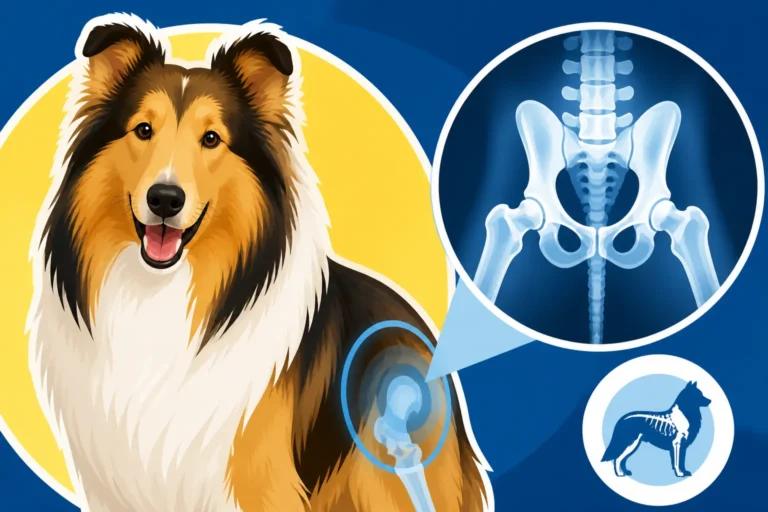
Another emerging area of concern, particularly for active, larger breeds, relates to orthopedic health. If a Collie puppy is spayed before her growth plates have fully closed (which often happens around 12-18 months of age for larger breeds), the removal of sex hormones can sometimes lead to longer bone growth. This can, in turn, subtly alter joint angles, potentially increasing the risk of issues like hip dysplasia or cruciate ligament tears later in life. While Hip Dysplasia in a Collie is often genetic, the timing of spaying is a modifiable environmental factor that some owners are now carefully considering. It's not a universal guarantee of problems, but it's a point of discussion to have with your veterinarian, especially if your Collie is active or structurally prone to joint issues.
Here's a simplified look at the potential impacts of spaying on a Collie's longevity and health:
| Potential Benefit of Spaying | Potential Risk/Consideration of Spaying |
|---|---|
| Eliminates Pyometra Risk | Potential increased risk for certain cancers (e.g., osteosarcoma, hemangiosarcoma) |
| Eliminates Ovarian Cancer Risk | Potential increased risk for orthopedic issues if spayed too early (e.g., cruciate tears, hip dysplasia) |
| Significantly Reduces Mammary Cancer Risk | Potential increased risk for urinary incontinence |
| Prevents unwanted pregnancies and associated complications | Potential increased risk for hypothyroidism |
| Reduces hormonally-driven behavioral issues (e.g., roaming during heat) | Weight gain, requiring careful dietary management |
| Changes in coat texture (though less common in Collies than some other breeds) |
It's clear there's a balancing act involved. The goal isn't just to add years, but to ensure those years are filled with comfort and good health. For many, the benefits of preventing pyometra and mammary cancer still outweigh the less common or potentially manageable risks. But it's about being informed.
Beyond Spaying: Comprehensive Factors Influencing Collie Longevity
While spaying is a significant health decision, it's just one piece of the larger puzzle when it comes to your Collie's overall lifespan. Many other factors play equally, if not more, critical roles in how long and how well your cherished companion lives. Knowing How Long a Collie Lives and What Ends It often comes down to a combination of genetics, environment, and daily care.
First and foremost is genetics. A well-bred Collie from parents with good health clearances is simply starting life with a better hand. Responsible breeders screen for conditions like Collie Eye Anomaly, and importantly, for the MDR1 mutation. You can learn more about The Three Genetic Tests a Collie Breeder Owes You to ensure you're getting a puppy with the best possible genetic foundation. While spaying can influence disease risk, it can't change underlying genetic predispositions. For instance, spaying won't impact a Collie's susceptibility to Epilepsy in the Collie or other hereditary conditions not directly related to reproductive hormones.
Beyond genetics, daily care is paramount. A high-quality diet tailored to your Collie's age, activity level, and any specific health needs is foundational. Overweight dogs, spayed or not, face a myriad of health problems that can shorten their lives, including joint issues, diabetes, and heart disease. If you’re worried about Whether a Neutered Collie Gains Weight, this is a very real concern that needs proactive management through diet and exercise. Regular, appropriate exercise is also vital for maintaining a healthy weight, strong muscles, and mental well-being. A Collie needs its physical and mental stimulation to thrive.
Preventive veterinary care is another huge factor. Regular check-ups, appropriate vaccinations, and consistent parasite prevention (heartworm, fleas, ticks) can prevent many illnesses that could otherwise shorten a Collie's life. Being vigilant about symptoms, knowing Signs a Collie Is Bloating, or recognizing changes in behavior can lead to early diagnosis and treatment, which is often key to a positive outcome. Pet insurance, such as plans offered by Healthy Paws, can be an invaluable tool to ensure you can always afford the best possible care, from routine visits to unexpected emergencies, allowing you to prioritize your Collie's health without financial strain. This kind of safety net can truly impact longevity by making comprehensive care accessible.
And let's not forget mental and emotional health. Collies are sensitive, intelligent dogs that thrive on companionship and routine. A secure, loving environment, consistent training, and plenty of positive interaction contribute to a lower-stress life, which can indirectly impact overall health and lifespan. Stress, just like in humans, can have physiological effects that compromise the immune system and general well-being.
Making the Decision: Balancing Benefits and Risks
Ultimately, the decision of whether and when to spay your Collie is a personal one, best made in close consultation with your trusted veterinarian. There is no one-size-fits-all answer, and what's right for one Collie might not be ideal for another. Your vet can provide tailored advice based on your dog's individual health, genetic background, lifestyle, and your own comfort level with the potential risks and benefits.
When discussing spaying, here are some points you might want to bring up with your vet:
- Age of Spay: If you're considering waiting beyond the traditional 6-month mark, discuss the pros and cons for your specific Collie. For some, waiting until after the first heat cycle, or even until full skeletal maturity (around 12-18 months), might be an option worth exploring to mitigate potential orthopedic risks.
- Breed-Specific Risks: Ask your vet if they have specific insights into how spaying might impact Collies, given their moderate size and known health predispositions.
- Lifestyle: Does your Collie live in an area where accidental pregnancies are a high risk? Is she very active in dog sports, making orthopedic health an even greater concern? These factors can weigh into the decision.
- Behavioral Impact: While not directly related to longevity, spaying can sometimes influence behavior. Discuss any concerns you have about potential changes or existing behavioral patterns.
- Alternatives: While spaying is the most common sterilization method, there are other options like ovariectomy (removal of ovaries only) or hysteropreservation (which removes the uterus but preserves ovaries, thus preserving hormones), though these are less common and come with their own set of considerations. For most owners, spaying (ovariohysterectomy) remains the standard.
Remember, the goal is to promote the longest, happiest, and healthiest life possible for your Collie. This involves a holistic approach that includes excellent nutrition, regular exercise, consistent preventive care, a loving home, and informed medical decisions. While spaying definitively removes the risk of certain life-threatening conditions like pyometra, the newer understanding of potential long-term effects means it's a conversation worth having in depth. Organizations like Healthy Paws, providing pet insurance, underscore the reality that healthcare decisions for our beloved companions often come with financial implications, and having that support can empower us to make choices based on health, not just cost.
In the end, whether your spayed Collie lives longer compared to an intact one is a complex question with many variables. It's less about a simple "yes" or "no" and more about understanding the full spectrum of health effects and making the best, most informed choice for your individual dog.
Disclaimer
This article is for general informational purposes only and does not constitute professional advice. Laws, prices and regulations vary by location and change over time. Consult a qualified professional for guidance on your specific situation.