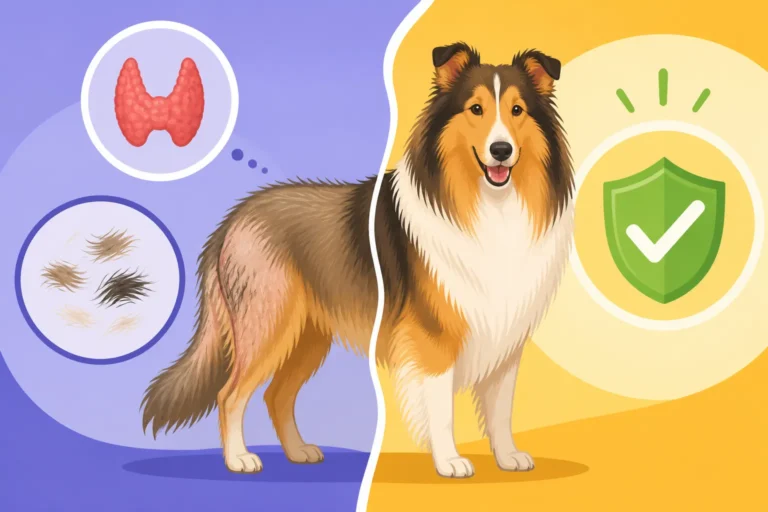
Whether a Collie Should Be Neutered Late
The decision of when to neuter your beloved Collie can feel like walking a tightrope, can't it? For years, we were told one thing, and now, it seems the veterinary community is discussing a different approach, leaving many of us scratching our heads and worrying about making the 'wrong' choice for our furry family members. This guide aims to cut through the confusion, exploring the factors that influence neutering timing, especially for a breed like the Collie, and help you understand the nuances so you can have a truly informed conversation with your vet.
Understanding the Traditional Advice on Neutering
For a long time, the advice on neutering puppies was pretty straightforward: get it done early, often before six months of age. This was largely driven by a combination of convenience for new puppy owners, a desire to prevent unwanted litters, and a belief that it was universally beneficial for the dog's health and behavior.
The 'Early Neutering' Norm and Its Origins
Think back a decade or two, and almost every vet visit for a young puppy would include a recommendation for neutering or spaying around five or six months old. This standard timing became ingrained in veterinary practice for several compelling reasons. From a practical standpoint, puppies are smaller at this age, making surgical procedures often less complicated, and recovery typically quicker. It also aligned with the timeline for completing puppy vaccinations, offering a convenient window to tackle both major milestones.
Beyond logistics, there was a strong public health component. Animal shelters and rescue organizations tirelessly advocated for early neutering as a crucial strategy to combat pet overpopulation. Unwanted litters contribute significantly to the number of animals in shelters, and preventing reproduction was, and still is, a critical goal. For many, neutering before sexual maturity seemed like the most effective way to prevent accidental pregnancies, especially for female dogs.
Why Early Neutering Became Common Practice
The practice wasn't just about preventing puppies; it was also linked to perceived health benefits. For female dogs, spaying before their first heat cycle was widely believed to drastically reduce the risk of mammary cancer and completely eliminate the risk of pyometra, a life-threatening uterine infection. These were very real and serious concerns, and early spaying offered a clear preventative measure.
For male dogs, early neutering was touted as a way to prevent testicular cancer and certain prostate issues later in life. Additionally, it was often recommended to curb undesirable behaviors like marking, roaming, and inter-male aggression, which are often hormone-driven. The idea was that by removing the source of these hormones early, you could prevent these behaviors from ever developing or at least mitigate their intensity. It seemed like a win-win: prevent disease and manage behavior, all while helping control pet overpopulation. However, as our understanding of canine physiology has deepened, particularly concerning breed-specific development, the conversation has become a lot more nuanced, especially for breeds like our beloved Collies.
The Evolving Science: Why Timing Matters for Collies
Fast forward to today, and you'll find a growing body of research suggesting that the timing of neutering might not be a one-size-fits-all recommendation. For a medium-to-large breed like the Collie, the impact of sex hormones on their growth plates, skeletal development, and even some behavioral traits is now receiving much more attention.
Hormonal Influence on Growth and Development
Think of a puppy's bones as having "growth plates" at their ends – these are areas of cartilage that gradually harden into bone as the dog matures. Sex hormones, like testosterone in males and estrogen in females, play a critical role in signaling these growth plates to close. When a dog is neutered early, before these hormones have had their full effect, the growth plates can remain open for a longer period. This can lead to a phenomenon known as "leggy" growth, where the bones grow longer than they otherwise would, potentially resulting in altered joint angles and changes in overall body proportion.
For a breed like the Collie, which is known for its elegant yet sturdy build, these subtle changes can have downstream effects. Longer limbs might alter the biomechanics of their joints, potentially influencing the likelihood of developing conditions like Hip Dysplasia in a Collie. It's not just about aesthetics; it's about the very foundation of their physical health and how their body is designed to move and support itself throughout its lifespan. Many vets are now recommending waiting until a dog is skeletally mature, which can be anywhere from 12 to 18 months or even later, depending on the breed and individual.
Breed-Specific Considerations for Collies
The size and growth rate of a breed are crucial factors in determining optimal neutering timing. While a smaller toy breed might reach skeletal maturity relatively quickly, a Collie, being a medium-sized herding dog, has a longer developmental period. Their growth plates typically close later than those of smaller breeds. Interrupting this natural hormonal process prematurely can have breed-specific implications that weren't fully appreciated in the past.
For Collies, there's also the consideration of their temperament and neurological development. While early neutering can reduce some hormone-driven behaviors, for a sensitive and intelligent breed like the Collie, some behavioral experts suggest that allowing them to reach full hormonal maturity can contribute to better emotional stability and confidence. This doesn't mean you'll have an uncontrollable dog if you wait, but rather that their natural development is allowed to proceed as intended. It's a balance, and understanding your individual Collie's personality is key. This nuanced view has led many owners to consider carefully What Neutering Changes in a Collie beyond just reproduction.
Potential Health Implications of Early vs. Late Neutering in Collies
When it comes to the long-term health of our Collies, the timing of neutering presents a complex picture, with different risks and benefits associated with both early and later procedures. Owners are increasingly seeking to understand these potential trade-offs.
Musculoskeletal Health Concerns
One of the most talked-about concerns regarding early neutering in larger breeds, including Collies, revolves around joint health. As mentioned, the sex hormones play a vital role in the proper closure of growth plates. When these hormones are removed too early, the bones can grow longer, potentially affecting the geometry of the joints. Studies have indicated a possible link between early neutering and an increased risk of certain orthopedic conditions, such as hip dysplasia, elbow dysplasia, and cranial cruciate ligament (CCL) tears.
For a breed like the Collie, which is generally active and possesses a moderate build, maintaining sound joint health throughout its life is paramount. While not every early-neutered Collie will develop these issues, and genetics certainly play a significant role, postponing neutering until after skeletal maturity (typically around 12-18 months for Collies) allows the bones and joints to develop naturally under the influence of hormones. This can contribute to stronger, more stable joint structures, potentially reducing the risk of orthopedic problems later in life, especially as the dog enters its senior years and you consider Caring for a Collie Past Nine.
Cancer Risks and Hormonal Cancers
The topic of cancer is another area where the timing of neutering sparks much discussion. Traditionally, early spaying was strongly advocated to prevent mammary tumors in female dogs, and it largely succeeds in significantly reducing this risk. For males, neutering eliminates the risk of testicular cancer and can reduce the incidence of certain prostate conditions.
However, recent research has also explored potential links between neutering and other types of cancers. Some studies suggest a possible increased risk of certain cancers, like osteosarcoma (bone cancer) or hemangiosarcoma, in both males and females who are neutered, especially at younger ages. The precise mechanisms are still being researched, but it's hypothesized that the absence of sex hormones, which also have protective effects, might play a role in the development of some non-reproductive cancers. It’s a bit of a balancing act: reduce the risk of one type of cancer, but potentially slightly increase the risk of another. This is why discussions about Whether a Collie Gets Cancer Often are so important with your veterinarian, weighing the risks for your individual dog.
Behavioral Aspects and Emotional Maturity
Collies are known for their sensitive, intelligent, and often reserved personalities. While early neutering is sometimes suggested to prevent unwanted behaviors like aggression, roaming, or marking in males, the reality is more complex. For some Collies, particularly those who are naturally more timid or anxious, removing hormones too early might actually exacerbate fearful behaviors or increase anxiety, as hormones play a role in confidence and coping mechanisms. Testosterone, for instance, can contribute to a dog's self-assurance.
Conversely, waiting until a male Collie reaches social maturity (which can be past a year of age) might allow him to develop a more confident and stable temperament before undergoing the hormonal changes of neutering. For females, the impact on behavior is often less discussed but still present; some owners report changes in their spayed females' energy levels or confidence. It's important to remember that behavior is multifaceted, influenced by genetics, early socialization, training, and environment, not solely by hormones. However, the timing of neutering can be one piece of that intricate puzzle. Thinking about The Age a Collie Finally Settles can also influence your decision regarding neutering timing.
To help visualize some of these points, here’s a quick overview:
| Factor/Condition | Early Neutering (before 6-12 months) | Later Neutering (after 12-18 months) |
|---|---|---|
| Unwanted Pregnancies | Effectively prevented (especially females) | Still prevented, but carries risk if not done before sexual maturity |
| Mammary Cancer (females) | Significantly reduced risk | Reduced risk, but less so if done after multiple heat cycles |
| Pyometra (females) | Risk eliminated | Risk eliminated once spayed, but present if intact |
| Testicular Cancer (males) | Risk eliminated | Risk eliminated once neutered, but present if intact |
| Orthopedic Issues | Potentially increased risk of CCL tears, hip/elbow dysplasia | Potentially reduced risk, allowing natural growth plate closure |
| Other Cancers | Some studies suggest a potential link to increased risk of certain other cancers | Research is ongoing, but some breeds show lower risk of certain cancers |
| Behavioral Development | Can prevent hormone-driven behaviors, but may impact confidence in some | May allow for fuller emotional and social maturity, enhancing confidence |
| Urinary Incontinence (females) | Slightly increased risk in some breeds | Potentially lower risk |
Making an Informed Decision for Your Collie
Ultimately, deciding when to neuter your Collie isn't a simple choice with a universally "right" answer. It requires a thoughtful evaluation of several factors unique to your dog and your circumstances.
Consultation with Your Veterinarian
This is perhaps the most critical step in the entire process. Your veterinarian knows your Collie's individual health history, their genetic background (if you've shared information from your breeder, for example, on tests like The Three Genetic Tests a Collie Breeder Owes You), and can perform a thorough physical examination to assess their current development. They can discuss the latest research findings, explain how these apply specifically to the Collie breed, and help you weigh the risks and benefits based on your dog's sex, size, and anticipated adult weight.
Don't be afraid to ask detailed questions. Inquire about their personal experience with late neutering in Collies, any observed health trends, and what they recommend as the ideal window for your dog. A good vet will be happy to engage in this conversation, providing you with all the information you need to feel comfortable with your decision. Remember, veterinary medicine is constantly evolving, and what was considered best practice years ago might be viewed differently today with new research.
Weighing the Pros and Cons for Your Specific Dog
When you sit down to make this decision, consider not just the broad scientific data, but also your Collie's unique characteristics and your lifestyle.
For a Female Collie:
- Pros of Later Spaying (after first heat): Potentially reduced risk of certain orthopedic issues and potentially a lower risk of spay incontinence. Allowing her to complete her growth naturally.
- Cons of Later Spaying: Higher risk of mammary tumors if spayed after multiple heat cycles. A temporary risk of unwanted pregnancy if not carefully managed during heat cycles. The inconvenience and mess of a heat cycle.
For a Male Collie:
- Pros of Later Neutering (after full growth): Potentially reduced risk of certain orthopedic issues. May contribute to a more confident and less anxious temperament, as hormones play a role in brain development and maturity.
- Cons of Later Neutering: Potential for hormone-driven behaviors like marking, roaming, or increased interest in intact females. Increased risk of testicular cancer if not neutered.
Also, think about your household: Do you have other intact dogs? Can you reliably prevent unwanted breeding if you wait? What are your comfort levels with managing a female Collie through a heat cycle, or a male Collie who might be more prone to wander or mark?
Many owners also wonder about the financial aspect. Should you choose to wait, having a pet insurance plan in place, perhaps from a provider like Healthy Paws, can offer peace of mind. Should any unforeseen health issues arise, whether related to neutering timing or not, having coverage can help manage the costs of veterinary care. This allows you to focus on your Collie's health without added financial stress. Furthermore, considering insurance options from Healthy Paws early in your Collie's life, especially if you plan on later neutering, can be a smart move to ensure coverage for potential future conditions that might not be considered "pre-existing" if the policy is in place before diagnosis.
Ultimately, the goal is to optimize your Collie's health and well-being for their entire life. Whether that means neutering them at the traditional age or waiting until they are more mature is a highly personal choice best made in partnership with your trusted veterinarian. Don't let fear of "getting it wrong" paralyze you; instead, gather information, discuss openly, and make the decision that feels right for you and your beloved companion. Many Collie owners find that investing in a good pet insurance policy, such as those offered by Healthy Paws, provides an extra layer of security regardless of when they decide to proceed with neutering.
Disclaimer
This article is for general informational purposes only and does not constitute professional advice. Laws, prices and regulations vary by location and change over time. Consult a qualified professional for guidance on your specific situation.