Whether Sun Makes a Collie’s Dermatomyositis Worse
It's incredibly distressing to watch your beloved Collie develop skin issues, especially when those mysterious lesions seem to worsen after a sunny day. Many Collie owners grapple with the painful reality of Dermatomyositis, an inherited condition that can flare up unpredictably, leaving you wondering if the very sunshine you enjoy is causing your dog more harm. This guide will walk you through the undeniable link between sun exposure and Dermatomyositis flare-ups in Collies, offering practical advice to help you protect your sensitive companion.
Dermatomyositis in Collies: Understanding the Condition
Dermatomyositis (DM) is a fascinating and often heartbreaking immune-mediated disease that primarily affects the skin, and sometimes the muscles, of genetically predisposed dogs, particularly Collies, Shetland Sheepdogs, and some other herding breeds. It’s not an infection, but rather an autoimmune response where the body mistakenly attacks its own tissues, leading to inflammation and damage. For us Collie owners, recognizing the signs early and understanding the underlying mechanisms is crucial for managing this complex condition.
What Does Collie Dermatomyositis Look Like?
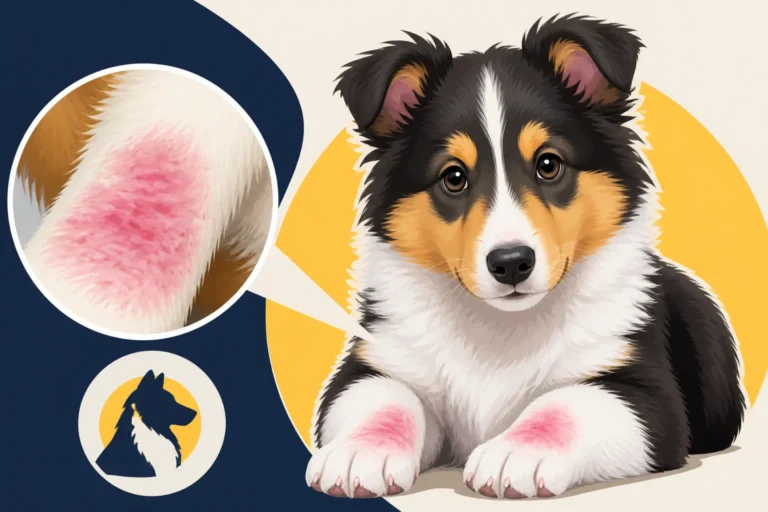
The initial symptoms of DM often appear in Collie puppies, typically between 7 weeks and 6 months of age, though they can sometimes manifest later, even into adulthood. You might first notice changes around the face, particularly the bridge of the nose, around the eyes, on the ear tips, and sometimes on the lips. These areas can develop redness, scaling, hair loss (alopecia), and crusting. It’s easy to mistake these for scrapes or puppy play injuries at first, but they tend to persist and often recur. You might see similar lesions on bony prominences like the elbows, hocks, and tail tip. These aren't just cosmetic issues; they can be itchy, painful, and prone to secondary infections. Sometimes, these skin lesions can be quite deep and become Whether a Collie's Skin Lesions Scar Permanently.
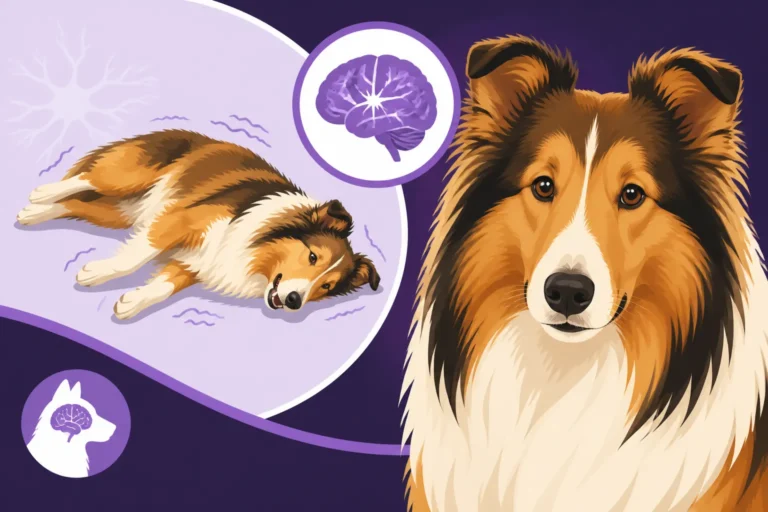
Beyond the skin, in more severe cases, DM can affect the muscles. This can lead to muscle atrophy, making your Collie appear thinner or less robust than they should be. This muscle loss is particularly noticeable in the head and limbs. You might observe weakness, difficulty swallowing, or a stiff gait. It’s a very concerning progression, and understanding Whether a Collie With Dermatomyositis Loses Muscle is vital for anticipating the scope of the disease. For a deeper dive into diagnosing this condition, it’s worth exploring Dermatomyositis and the Collie Risk Panel which breeders and owners often use.
The Genetic Roots of Collie Dermatomyositis
Dermatomyositis is very much an inherited condition in Collies. Research has identified specific genetic markers that contribute to a Collie's risk of developing DM. It's not a simple dominant or recessive gene; instead, it's polygenic, meaning multiple genes work together to determine an individual's susceptibility and the severity of the disease. Specifically, Whether a Collie's DMS Risk Comes From Three Genes is a key area of study, with certain gene combinations significantly increasing the risk. This is why you'll often hear about "risk scores" associated with DM. Understanding How Dermatomyositis Risk Is Scored in a Collie can give breeders and owners insight into the likelihood of a dog developing the condition, or passing it on. Unfortunately, even with genetic testing, the disease expression can vary widely; some dogs with high-risk genetics may only show mild symptoms, while others with similar genetics suffer severely.
The Unavoidable Truth: How Sun Exposure Aggravates Collie DM
When your Collie has Dermatomyositis, the sun isn't just a pleasant source of warmth; it can be a significant trigger for frustrating and painful flare-ups. This is a critical piece of information for any owner living with a DM-affected Collie, as UV radiation has a direct, detrimental effect on their sensitive skin.
Photosensitivity: The Link Between UV and DM Lesions
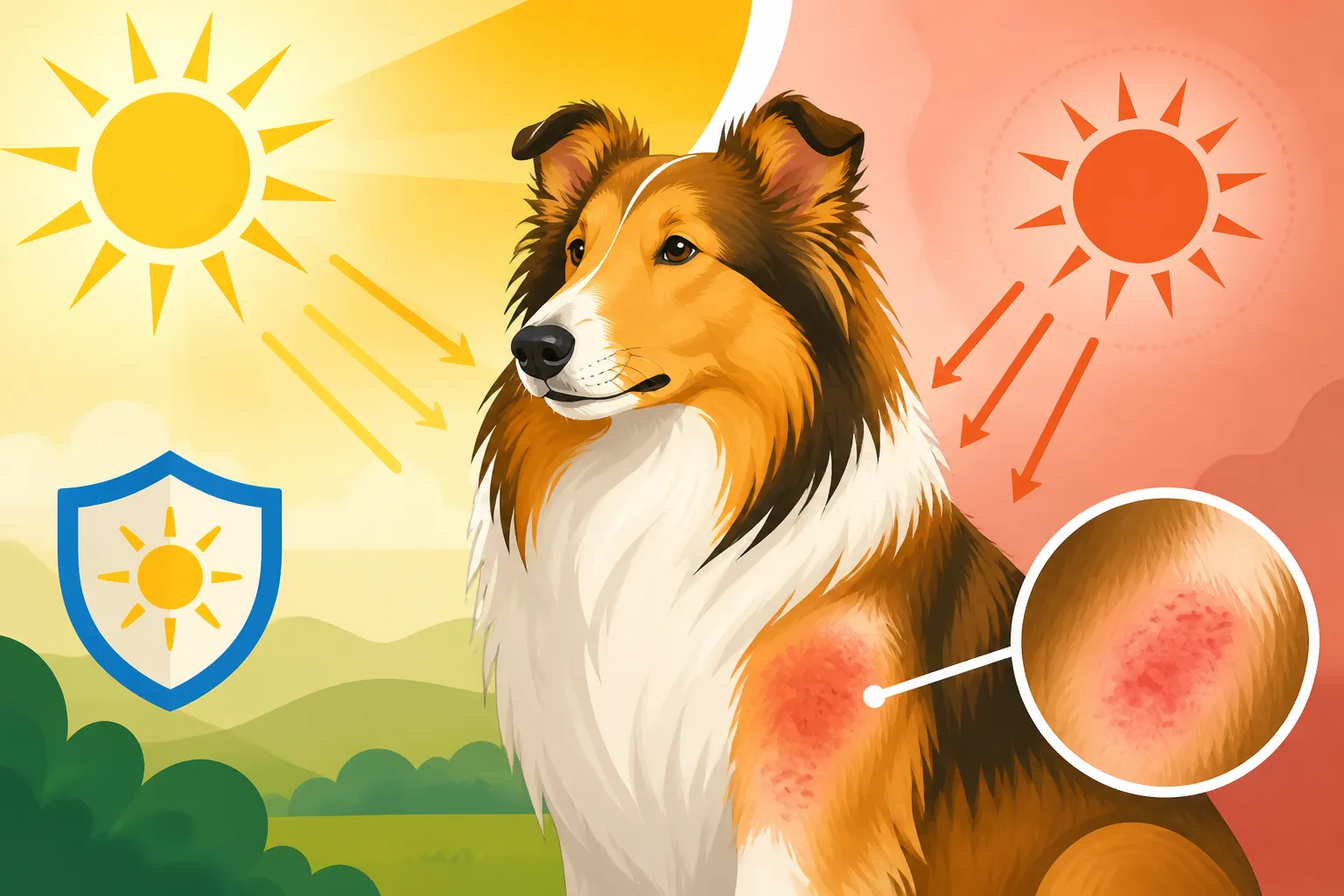
Collies with Dermatomyositis are inherently photosensitive. This means their skin reacts adversely to ultraviolet (UV) light, which is present in sunlight. While researchers are still fully unraveling the precise mechanisms, it's understood that UV radiation can damage skin cells, leading to an inflammatory response. In a dog already predisposed to an immune-mediated skin condition like DM, this UV-induced inflammation can kick the disease into overdrive, causing existing lesions to worsen dramatically or triggering new ones. Think of it this way: for a dog with DM, their skin is already on high alert, and UV light acts like a loud alarm, sending their immune system into an attack mode that targets their own skin cells.
This photosensitivity isn't unique to DM. Other conditions like What Collie Nose Actually Is, which involves a loss of pigment and increased sun sensitivity on the nose, also demonstrate how delicate a Collie's skin can be in the face of UV exposure. However, with DM, the impact is more widespread and severe, often manifesting as intensifying redness, ulceration, hair loss, and crusting on already affected areas like the face, ears, and bony prominences. You might notice that after a particularly bright or long day outdoors, your Collie's skin looks angrier, more inflamed, and generally more uncomfortable.
Observing the Worsening Symptoms
It’s often a subtle but undeniable pattern. Perhaps your Collie has some mild scaling on their ear tips, and after a few days of playing in the backyard, those tips become overtly red, crusty, and even bleed. Or maybe the hair thinning on their nose suddenly looks more pronounced, almost bald, with distinct red edges. These are direct indicators that the sun is exacerbating the DM lesions. It’s important to distinguish this from general sunburn – though Collies can certainly get Whether a Collie's Nose Burns in the Sun – the effects of sun on DM-affected skin are a pathological worsening of the disease itself, not just an ordinary burn.
Owners often report that sunny weather is a reliable predictor of a flare-up. Even in cooler months, if the sun is bright and your Collie spends significant time outdoors, the UV exposure can be enough to trigger an inflammatory cascade. This means that simply reducing warmth isn't enough; it's the direct sunlight and its UV rays that are the culprits. This can be incredibly frustrating, as we all want our dogs to enjoy the outdoors, but it underscores the need for proactive protection.
Shielding Your Collie: Practical Sun Protection Strategies for DM
Living with a Collie affected by Dermatomyositis means becoming a master of sun protection. It's not about keeping them indoors 24/7, which would be cruel and impractical, but about implementing smart strategies to minimize harmful UV exposure. This requires a bit of creativity and consistency, but it's absolutely vital for their comfort and health.
Timing Walks and Outdoor Play
One of the simplest yet most effective ways to reduce sun exposure is to adjust your daily routine. Aim for walks and outdoor playtime during the early morning hours or later in the evening, after the sun's intensity has significantly diminished. The sun is typically at its strongest between 10 AM and 4 PM, so avoiding these peak hours is a golden rule. Even on overcast days, remember that UV rays can penetrate clouds, so don't let a cloudy sky lull you into a false sense of security.
For quick potty breaks during the day, try to guide your Collie to shady areas of the yard. If you have a fenced yard, consider creating a designated shaded spot with an umbrella or a shade sail, giving your dog a cool, protected retreat when they need to be outside briefly. Even a few minutes of intense midday sun can contribute to a flare-up.
Protective Clothing and Gear
Yes, protective clothing for dogs is a thing, and it can be a lifesaver for Collies with DM. Look for lightweight, breathable fabrics designed for UV protection, similar to rash guards for humans. These can cover large portions of their body, including the back, chest, and flanks, where skin can be thinned or sensitive.
For areas like the nose and ear tips, which are often highly affected, specialized gear might be necessary. You can find dog-specific sun visors or hats that offer shade for the face. While it might take some time for your Collie to get used to wearing these, patience and positive reinforcement are key. Remember, Whether a Collie Needs Sunscreen on Its Muzzle is a very real consideration, and sometimes a combination of protective clothing and topical protection is needed.
Safe Canine Sunscreens
Just like humans, dogs can benefit from sunscreen, but only if it's formulated specifically for them. Never use human sunscreen on your Collie, as many ingredients (like zinc oxide and para-aminobenzoic acid/PABA) are toxic if ingested, and dogs will invariably lick themselves.
Look for pet-safe sunscreens that contain titanium dioxide as the active ingredient. Always patch-test a small area of skin first to ensure there's no adverse reaction. Apply sunscreen to vulnerable, less hairy areas that are difficult to cover with clothing, such as the bridge of the nose, ear tips, and any thinly furred patches. Reapplication is important, especially if your Collie gets wet or rubs the cream off. Chat with your vet or a board-certified veterinary dermatologist for specific product recommendations.
Here's a quick overview of sun protection strategies:
| Protection Method | Description | Key Considerations |
|---|---|---|
| Timing Outdoor Activities | Restricting walks/play to early morning or late evening. | Avoid 10 AM – 4 PM. Even cloudy days have UV. |
| Shade Provision | Utilizing natural shade (trees) or creating artificial shade (umbrellas, shade sails) in the yard. | Essential for even short outdoor stints. |
| Protective Clothing | Dog-specific UV-protective shirts, rash guards, or even lightweight jackets. | Ensure breathability. Introduce gradually with positive reinforcement. |
| Dog Sun Visors/Hats | Designed to shade the face, nose, and ear tips. | May require training for acceptance. |
| Pet-Safe Sunscreen | Topical creams formulated for dogs, applied to exposed, less hairy areas. | Must be zinc oxide/PABA-free. Test first. Reapply frequently. Consult your vet. |
Beyond Sunlight: A Holistic Approach to Managing Collie Dermatomyositis
While managing sun exposure is paramount for Collies with Dermatomyositis, it's just one piece of a larger, holistic puzzle. DM is a chronic condition that often requires a multi-faceted approach involving veterinary care, medication, and supportive measures to keep your Collie as comfortable and healthy as possible. Remember, Whether a Collie's Dermatomyositis Needs Lifelong Medication is often the case, so prepare for ongoing management.
Partnering with Your Veterinarian and Specialists
The first and most important step is to work closely with your veterinarian. They can confirm the diagnosis, often through a skin biopsy, and rule out other conditions that might present similarly, like allergies or infections. For complex cases, your vet may refer you to a board-certified veterinary dermatologist. These specialists have extensive experience with conditions like DM and can offer advanced diagnostic tools and treatment plans tailored to your Collie's specific needs. A referral to a dermatologist might involve What a Collie's Dermatologist Referral Costs, but the specialized care is often invaluable. They understand the nuances of the disease and can help you navigate treatment options, managing both skin and potential muscle involvement.
Medication and Supportive Therapies
Treatment for Dermatomyositis typically involves medications aimed at modulating the immune system and reducing inflammation. Corticosteroids like Prednisone are often used to control flare-ups and manage inflammation, though long-term use requires careful monitoring due to potential side effects. Other immunosuppressants, such as cyclosporine, azathioprine, or mycophenolate mofetil, might be prescribed, sometimes in combination with steroids, to minimize side effects and achieve better control.
Beyond pharmaceuticals, various supportive therapies can aid in managing symptoms. This includes medicated shampoos and conditioners to soothe the skin and prevent secondary infections, as well as fatty acid supplements (like fish oil) which can have anti-inflammatory properties and support skin barrier health. For Collies experiencing muscle atrophy, physical therapy might be recommended to help maintain muscle mass and function. It's also worth noting that Whether Stress Triggers a Collie's Skin Flare is a known factor, so creating a calm, consistent environment for your dog can also be beneficial.
The Role of Diet and Lifestyle
While there isn't a specific "DM diet," ensuring your Collie receives a high-quality, balanced diet is essential for overall health and immune function. Some owners explore novel protein diets or hypoallergenic foods if their Collie also has concurrent food sensitivities, which can sometimes exacerbate skin issues. Discuss any dietary changes with your vet.
Considering the long-term nature and potential costs associated with Dermatomyositis, exploring pet insurance can provide immense peace of mind. Companies like Healthy Paws often offer comprehensive coverage that can help mitigate the financial burden of chronic conditions, including medications, specialist visits, and ongoing care. Having a plan like Healthy Paws in place means you can focus on your Collie's health without the added stress of unexpected vet bills.
For dogs with DM, consistent, gentle grooming is also important. Regular, soft brushing can help remove loose hair and prevent matting, especially around lesions, but always be incredibly careful not to irritate sensitive skin. Maintaining a comfortable home environment, free from extreme temperatures and sharp objects that could injure delicate skin, is also beneficial. Your vet is truly your best partner in developing a comprehensive management plan that addresses all aspects of your Collie’s Dermatomyositis, from sun protection to medication and supportive care.
Disclaimer
The information provided in this article is for educational purposes only and is not intended to be a substitute for professional veterinary advice. Always consult with a qualified veterinarian for any health concerns or before making any decisions related to your Collie's medical care.