Whether a Collie With Dermatomyositis Loses Muscle
Finding out your beloved Collie has Dermatomyositis (DMS) is upsetting enough, watching their skin develop lesions and their beautiful coat suffer. But then, a new, chilling concern creeps in: could this condition be affecting more than just their skin and fur? Many owners worry if a Collie with Dermatomyositis loses muscle, and the answer, unfortunately, is that muscle involvement is indeed a very real and serious aspect of this disease for some dogs. This guide will walk you through what muscle loss looks like, why it happens, and how to help your Collie.
Understanding Dermatomyositis in Collies
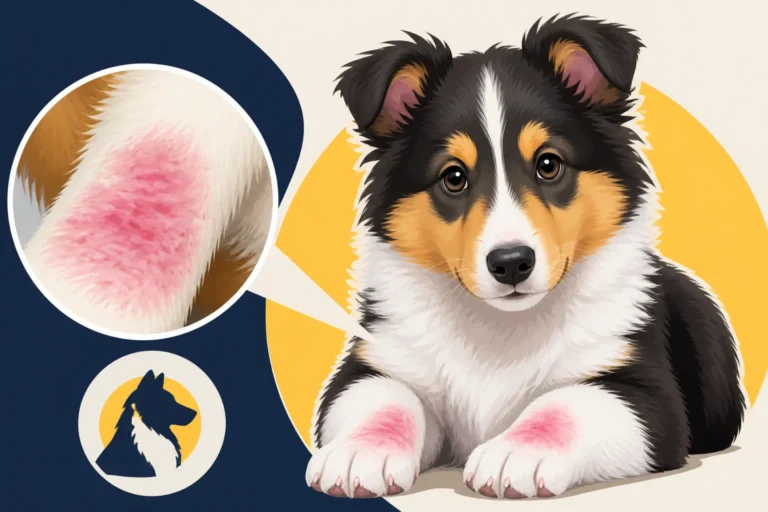
Dermatomyositis (DMS) is a complex, inherited autoimmune disease that primarily affects the skin, blood vessels, and muscles of genetically predisposed Collies. It’s not just a superficial skin condition; it has a deeper impact. While you might first notice the classic skin lesions, like crusting, scaling, and hair loss around the eyes, ears, muzzle, and bony prominences, it's crucial to understand that DMS is a systemic issue.
The Immune System's Misdirected Attack
At its core, Dermatomyositis involves the immune system mistakenly attacking healthy cells, particularly those in the skin and muscle. Think of it like a confused internal defense system. Instead of targeting outside invaders like bacteria or viruses, it starts to see parts of the body itself as threats. In Collies, this autoimmune response is linked to specific genes, making it a hereditary condition. This means that while environmental factors or stress might trigger a flare, the underlying predisposition is already there. For more on the genetic side, you might want to look into Dermatomyositis and the Collie Risk Panel to understand how risk factors are identified.
Common Skin Manifestations
The most visible signs of DMS are typically on the skin. You might observe redness, scaling, and crusting that can look a lot like a severe allergic reaction or even ringworm at first glance. These lesions often appear in specific areas: around the eyes, which can sometimes lead to what looks like a "surprised" or "alarmed" expression due to hair loss on the brows; on the ear tips, which might become raw and crusted; and on the bridge of the nose. You'll also often find them on the bony points of the body, like the elbows, hocks, and tail tip, because these areas experience more friction and minor trauma, which can exacerbate the immune response. These skin issues can come and go, sometimes improving on their own only to flare up again later, often triggered by things like sun exposure. For a deeper dive into this, see The Weeks a Collie Puppy First Shows Dermatomyositis and Whether a Collie's Skin Lesions Scar Permanently.
Beyond the Skin: Systemic Impact
While the skin lesions are what often catch an owner's eye first, DMS can indeed have a broader impact on a Collie's health. The autoimmune attack isn't exclusively confined to the epidermis. The same misguided immune cells that target the skin can also affect other tissues, and for many Collies, this unfortunately includes the muscles. This is where the concern about muscle loss originates, moving the disease from a cosmetic or discomfort issue to something that can significantly impact a dog's mobility and quality of life. Recognizing this systemic potential is key to effective management, ensuring your vet looks beyond just topical treatments.
The Link Between Dermatomyositis and Muscle Involvement
It's a distressing thought, isn't it? That a condition starting with skin issues could delve deeper and affect your Collie's ability to move freely. Unfortunately, muscle inflammation and subsequent muscle loss are known complications of Dermatomyositis in Collies, although the severity can vary greatly from one dog to another.
How Muscle Atrophy Develops
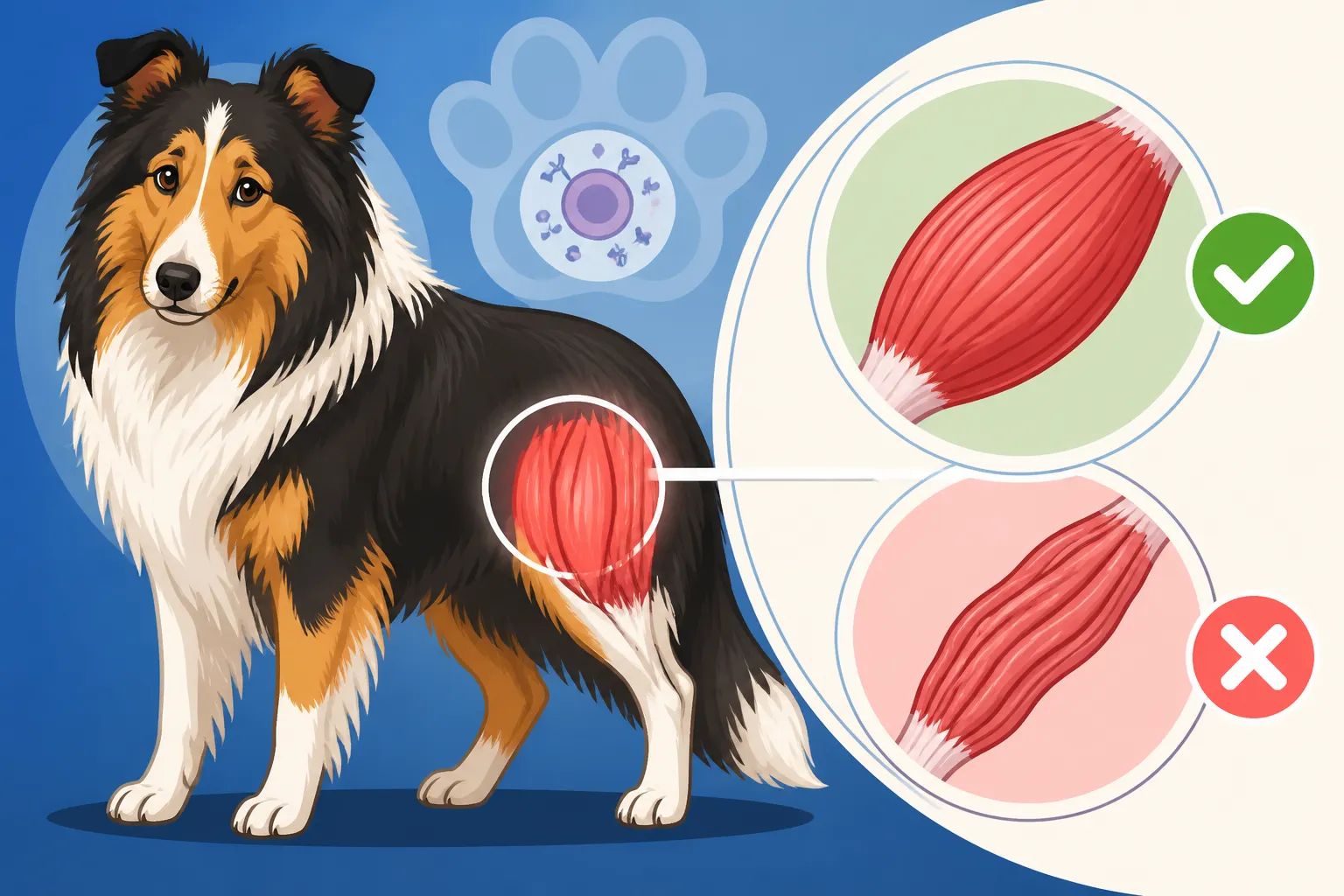
Muscle atrophy, or muscle loss, in Collies with DMS happens when the immune system targets the small blood vessels and muscle fibers themselves. This isn't just a secondary effect; it's a direct part of the disease process. The inflammation damages muscle tissue, making it harder for the muscles to function properly. Over time, as these muscles are either damaged or not used adequately due to pain or weakness, they begin to waste away. This process can be subtle at first, often mistaken for a Collie just being less active, especially if they are already prone to resting. However, if left unchecked, it can progress to noticeable weakness and difficulty with everyday movements.
Recognizing Signs of Muscle Loss
Spotting muscle loss in a Collie can be tricky because their glorious double coat can hide a lot. However, there are tell-tale signs once you know what to look for.
- Changes in Gait: Your Collie might develop a stiff or stilted walk, especially in their hind legs. They might seem reluctant to jump into the car, go up stairs, or even rise from a lying position. You might notice them "bunny hopping" with their hind legs when they run, or simply moving more slowly.
- Difficulty with Physical Activities: Activities they once enjoyed, like a spirited game of fetch or a long walk, might become challenging. They might tire more quickly or even refuse to participate altogether. Their stamina could drop significantly.
- Visible Muscle Wasting: If you run your hands along your Collie's back, especially over their hips and shoulders, you might feel a noticeable decrease in muscle bulk. The muscles might feel softer or less defined than they used to. The muscles of the head, particularly those around the temples (temporal muscles), can also be affected, making their skull appear more prominent.
- Pain or Discomfort: While not always obvious, muscle inflammation can be painful. Your Collie might vocalize when touched in certain areas, flinch, or become withdrawn. They might avoid certain positions or movements that cause discomfort.
It's important to remember that not every Collie with DMS will experience severe muscle atrophy. Some might only have mild skin lesions, while others battle persistent skin issues and significant muscle involvement. The severity of the disease can fluctuate, but ongoing vigilance for these signs is crucial.
| Symptom Category | Common Skin Symptoms | Potential Muscle Symptoms |
|---|---|---|
| Appearance | Redness, scaling, crusting, hair loss on face, ears, legs, tail tip | Visible muscle wasting (especially hindquarters, temporal muscles), prominent bone structure |
| Texture | Fragile skin, dry patches, sometimes scarring | Muscles feel softer, less defined, sometimes tense from pain |
| Behavior | Itching, rubbing affected areas, sensitivity to touch | Stiffness, reluctance to move, difficulty rising, changed gait, fatigue, reluctance to jump/climb |
| Location | Muzzle, around eyes, ear tips, elbows, hocks, tail | Hind legs, shoulders, temporal muscles (head), sometimes neck |
| Progression | Can wax and wane, often exacerbated by sun | Can be gradual, sometimes progressing with skin flares or independently |
Differentiating from Other Conditions
It's vital to work closely with your veterinarian to confirm that any observed muscle loss is indeed related to DMS and not another condition. Other issues like orthopedic problems (Signs a Collie Has Hip Dysplasia), neurological disorders, or even simple aging can lead to muscle wasting. Your vet might recommend a muscle biopsy to definitively diagnose inflammatory myopathy (muscle disease) associated with DMS. This involves taking a small sample of muscle tissue for laboratory analysis, which can show the characteristic inflammatory changes and help rule out other causes. This diagnostic step is crucial for accurate treatment planning.
Managing Muscle Loss and Overall Health in Collies with DMS
When your Collie is diagnosed with Dermatomyositis and shows signs of muscle loss, it's natural to feel overwhelmed. But there are many proactive steps you can take, in conjunction with your veterinary team, to manage the condition and improve your dog's quality of life.
Comprehensive Veterinary Care is Paramount
Managing DMS, especially with muscle involvement, requires a multifaceted approach guided by a vet who understands the complexities of the disease. This is not a condition to self-diagnose or treat with over-the-counter remedies.
- Diagnosis and Monitoring: As mentioned, a definitive diagnosis often involves skin and sometimes muscle biopsies. Once diagnosed, regular follow-ups are essential to monitor both skin lesions and muscle condition. Your vet will assess muscle mass, gait, and overall mobility. They might also recommend blood tests to check for other systemic impacts or to monitor medication side effects.
- Immunosuppressive Medications: Since DMS is an autoimmune disease, medications that modulate the immune system are often prescribed. Steroids (like prednisone) are common, especially during flare-ups, to reduce inflammation. Other immunosuppressants, such as cyclosporine or azathioprine, might be used, often in combination with steroids or as steroid-sparing agents for long-term management. These medications need careful dosing and monitoring due to potential side effects. Discussions about Whether a Collie's Dermatomyositis Needs Lifelong Medication are common, and the answer often depends on individual response.
- Pentoxifylline: This medication is often used in DMS cases because it improves blood flow to the skin and muscles and has anti-inflammatory properties. It can be quite effective for both skin and muscle symptoms.
- Topical Treatments: For skin lesions, medicated shampoos, conditioners, and topical ointments can help manage discomfort, prevent secondary infections, and promote healing.
- Specialist Consultations: In complex cases, your primary vet might recommend consulting with a veterinary dermatologist or an internal medicine specialist. These experts have deeper knowledge and experience with autoimmune diseases and can offer advanced diagnostic and treatment options. The costs associated with these specialized referrals can be significant, so understanding What a Collie's Dermatologist Referral Costs is helpful. This is also where a good pet insurance plan from a company like Healthy Paws can truly make a difference, helping cover the unexpected expenses of specialist care.
Nutritional Support for Muscle Health
Diet plays a crucial role in supporting a Collie with muscle loss. Providing the right nutrients can help maintain existing muscle mass and support muscle repair.
- High-Quality Protein: Ensure your Collie's diet is rich in high-quality animal protein. Protein is the building block of muscle, and adequate intake is vital for dogs experiencing atrophy. Look for dog foods where meat is the first ingredient.
- Omega-3 Fatty Acids: Fish oil, rich in EPA and DHA, has powerful anti-inflammatory properties that can help reduce the underlying inflammation contributing to muscle damage. Many vets recommend supplementing with fish oil, even if their food contains some.
- Antioxidants: Vitamins E and C, along with other antioxidants, can help protect muscle cells from oxidative stress and support immune function.
- Balanced Diet: Always ensure the diet is complete and balanced for your Collie's life stage and activity level. If you're considering significant dietary changes or supplements, always discuss them with your vet or a veterinary nutritionist to avoid imbalances.
Tailored Exercise and Physical Therapy
While muscle loss can make exercise difficult, it's not a reason to stop moving entirely. Appropriate, gentle exercise and physical therapy are crucial to prevent further atrophy and maintain mobility.
- Low-Impact Exercise: Short, frequent walks on soft surfaces can help maintain muscle tone without putting excessive strain on joints. Avoid high-impact activities or long, strenuous sessions, especially during flare-ups.
- Hydrotherapy: Swimming or underwater treadmill sessions are excellent for building muscle strength and improving range of motion without bearing full weight, which can be less painful for inflamed muscles. Many veterinary rehabilitation centers offer these services.
- Range of Motion Exercises: Your vet or a certified canine physical therapist can teach you gentle stretches and passive range of motion exercises to perform at home. These help keep joints flexible and prevent contractures as muscles weaken.
- Supportive Devices: In some cases, supportive devices like harnesses (especially those that support both front and rear ends) or even custom braces might be recommended to help with mobility and reduce strain.
- Heat Therapy: Warm compresses or heated pads can help soothe aching muscles and improve blood flow before gentle exercise or stretching.
Remember that Whether Sun Makes a Collie's Dermatomyositis Worse is a consideration for many Collies, so plan outdoor activities for cooler parts of the day or use protective clothing to shield sensitive skin.
Living with a Collie Diagnosed with Dermatomyositis
A diagnosis of Dermatomyositis, particularly when muscle loss is a factor, changes things. It requires an ongoing commitment to care, vigilance, and adaptation. But it doesn't mean your Collie can't live a full, happy life with proper management.
Creating a Supportive Home Environment
Making small adjustments at home can significantly improve your Collie's comfort and mobility, especially if they are experiencing muscle weakness.
- Non-Slip Surfaces: If your home has slippery floors (hardwood, tile), consider runners, rugs, or non-slip socks to provide better traction. This reduces the risk of slips and falls, which can be painful and further strain weakened muscles.
- Ramps or Steps: Invest in ramps or pet steps to help your Collie get onto furniture, into the car, or navigate stairs more easily. This minimizes jumping and heavy impacts that could worsen muscle pain or damage.
- Comfortable Bedding: Provide soft, orthopedic bedding that supports your Collie's joints and muscles. Raised beds can also be easier for them to get into and out of.
- Accessible Food and Water: Ensure food and water bowls are at a comfortable height, so your Collie doesn't have to bend down too far, which can be challenging with neck or shoulder muscle weakness. Raised bowls can be beneficial here.
- Protection from Triggers: Identify and minimize potential triggers for skin flares or overall discomfort. For many Collies, this includes sun exposure, so consider sun shirts or applying pet-safe sunscreen to vulnerable areas. Also, be mindful of Whether Stress Triggers a Collie's Skin Flare, and try to maintain a calm, predictable environment.
Emotional and Mental Well-being
Living with a chronic condition can be tough on a dog, both physically and emotionally. Their mental well-being is just as important as their physical health.
- Maintain Routine: Collies thrive on routine. A predictable schedule for meals, walks, medications, and rest can reduce stress and help them feel secure.
- Gentle Interaction: Be mindful of how you handle your Collie. Be gentle when petting, grooming, or lifting them, especially if they have sensitive skin or sore muscles.
- Mental Stimulation: Even if physical exercise is limited, mental stimulation is crucial. Puzzle feeders, short training sessions for familiar cues, scent games, or gentle interactive toys can keep their minds engaged and prevent boredom and frustration. For more ideas on how to engage their minds, you might want to read Forty Five Minutes a Day, and Half of It in Its Head.
- Observation and Communication: Pay close attention to your Collie's body language and any subtle changes in behavior. They can't tell you in words if they're in pain or feeling unwell, so you become their voice. Communicate openly and honestly with your vet about anything you observe.
The Financial Realities and Support Systems
Managing a chronic condition like DMS can become a significant financial burden. The ongoing veterinary visits, medications, specialized diets, and potential therapies can add up quickly. This is where strategic planning and considering pet insurance become incredibly valuable. A robust pet insurance policy, such as those offered by Healthy Paws, can provide peace of mind by covering a substantial portion of these medical costs, allowing you to focus on your Collie's care without constant financial worry. It's truly an investment in their long-term health.
Connecting with other Collie owners who are managing DMS can also be incredibly supportive. Online forums, breed-specific groups, or local clubs often have members who can share experiences, tips, and emotional support. Groups like the Collie Health Foundation are also excellent resources, funding research and providing information that directly benefits Collies with conditions like DMS. Knowing you're not alone in this journey can make a world of difference.
Always remember, while Dermatomyositis is a serious condition, many Collies with proper diagnosis and diligent management can still enjoy a good quality of life. Your commitment and partnership with your veterinary team are the keys to helping them thrive.
Disclaimer
This article is for general informational purposes only and does not constitute professional advice. Laws, prices and regulations vary by location and change over time. Consult a qualified professional for guidance on your specific situation.