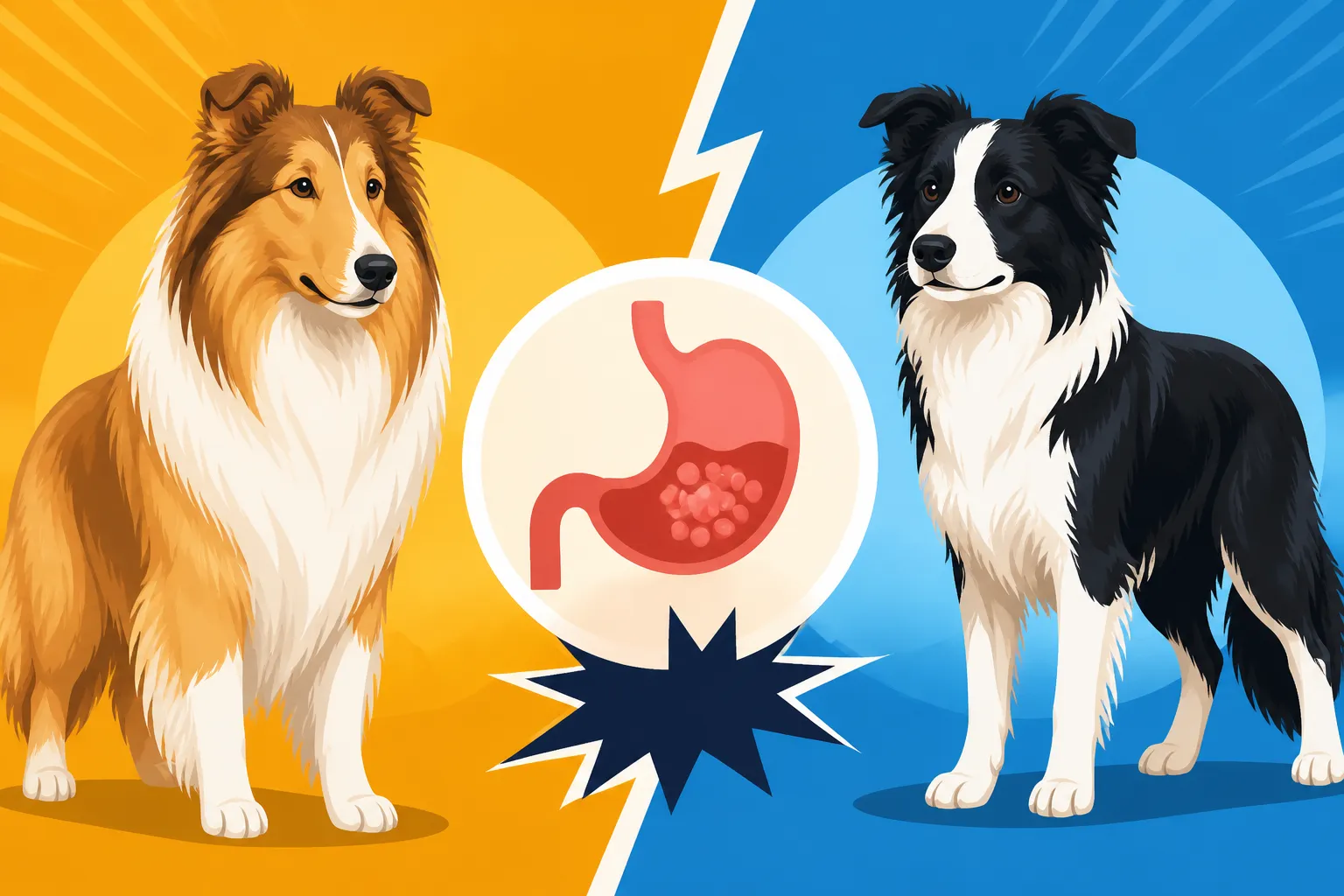
Whether a Collie Gets Bloat More Than a Border Collie
One of the most terrifying emergencies a dog owner can face is bloat, medically known as Gastric Dilatation-Volvulus (GDV). It's a condition that strikes suddenly, progresses rapidly, and can be fatal in a matter of hours, leaving pet parents feeling utterly helpless and frantic. Many folks with deep-chested breeds, or those considering one, often wonder how their beloved companion measures up against others in terms of risk. When it comes to herding dogs, particularly Collies and Border Collies, it's natural to question if one breed is inherently more prone to this silent killer than the other. This guide aims to unpack the nuances of bloat, comparing the specific risks for Collies and Border Collies, and arm you with the knowledge to protect your furry family member.
Understanding the Silent Threat of Bloat
Bloat, or Gastric Dilatation-Volvulus (GDV), isn't just an upset tummy; it's a catastrophic medical emergency where a dog's stomach fills with gas, food, or fluid (dilatation) and then twists upon itself (volvulus). This twisting cuts off blood supply to the stomach and can lead to organ damage, shock, and death if not treated immediately. It’s one of those things that, once you’ve seen it or even just read about it, it truly haunts you. The sheer speed with which a happy, healthy dog can go from normal to critical is astounding and incredibly distressing.
When the stomach twists, it traps gas and fluid, causing immense pressure on other organs, including the diaphragm and major blood vessels. This pressure makes it hard for your dog to breathe and for blood to return to the heart, quickly leading to a life-threatening state of shock. The dog's abdomen will often become visibly distended and hard, though sometimes the bloat isn't obvious, especially in dogs with thick coats or those in the early stages. The pain is excruciating, and dogs often show signs of discomfort, restlessness, and non-productive retching. Understanding How Fast Bloat Kills a Collie underscores the critical need for immediate veterinary intervention. This isn't a condition where you can "wait and see" if your dog feels better. Every minute truly counts.
Bloat Risk Factors in Collies
Collies, with their elegant, somewhat refined appearance, often carry a deep, but not excessively wide, chest. This particular body type — deep and narrow — is a primary anatomical risk factor for bloat. It's a cruel irony that a breed known for its beauty and grace could have an inherent structural predisposition to such a dangerous condition. It’s not about how "big" a dog is, but rather the shape of their chest that makes a difference.
The anatomy of a Collie means their stomach has more room to swing and twist if it fills with gas. Think of it like a pendulum in a tall, narrow space; it has more arc to travel before hitting the sides. This isn't to say every Collie will bloat, but the potential is undeniably there. Beyond body shape, other factors that can increase risk in Collies include eating too quickly, eating one large meal a day versus multiple smaller ones, excessive exercise before or after eating, stress, and even genetic predisposition, though bloat is a complex condition with multiple contributing factors. While there isn't a specific "bloat gene" identified in Collies, if a Collie has close relatives who have bloated, their risk might be elevated. For more detail on this, you might want to read Why a Collie's Chest Shape Raises Bloat Risk.
Bloat Risk Factors in Border Collies
Border Collies, while also herding dogs, generally possess a different build than their Collie cousins. They typically have a more athletic, leaner, and often less "deep" chest configuration, which, on paper, might suggest a slightly lower anatomical risk for GDV compared to breeds with the classic deep-chested, narrow build. However, this doesn't mean Border Collies are immune or low-risk; far from it. Bloat can affect any dog, and Border Collies have their own set of behavioral and lifestyle factors that can increase their chances of developing it.
Border Collies are renowned for their high energy levels, intense work ethic, and sometimes neurotic tendencies. These traits can inadvertently contribute to bloat risk. For instance, a Border Collie might "bolt" their food, eating very quickly and swallowing a lot of air in the process. They might also drink large quantities of water rapidly after intense exercise, another known trigger. Their intelligence and drive can also manifest as anxiety or stress in certain environments, which has been implicated as a potential bloat factor. Even if their chest isn't as dramatically deep, a Border Collie who eats too fast, gulps air, or experiences high levels of stress around mealtimes could still be at significant risk. Their high drive means they're often ready to play or work at a moment's notice, making it crucial for owners to manage their activity levels around feeding times.
Comparing Bloat Risk: Collies vs. Border Collies
When we put Collies and Border Collies side-by-side regarding bloat risk, it's not a simple case of one being entirely safe and the other being highly susceptible. Both breeds can and do experience GDV, but the primary contributing factors might lean slightly differently.
Collies typically align more closely with the classic anatomical profile for bloat: a deep, relatively narrow chest. This structural predisposition is a significant concern for owners. Therefore, even a calm, slow-eating Collie still carries this inherent architectural risk. Owners must be vigilant about managing environmental and behavioral triggers in addition to this baseline anatomical factor.
Border Collies, while usually having a less pronounced deep-chested build, are often characterized by their intense energy, quick eating habits, and potential for stress. These behavioral factors can elevate their risk despite a less "textbook" anatomical predisposition. A Border Collie who gulps food, drinks heavily, or is stressed could easily trigger GDV.
Here's a quick comparison of their general risk profiles:
| Feature | Collie | Border Collie |
|---|---|---|
| Chest Shape | Generally deep and relatively narrow (higher anatomical risk) | Typically athletic, leaner, less dramatically deep (lower anatomical risk baseline) |
| Eating Speed | Can vary, but fast eating increases risk | Often prone to rapid eating/bolting food |
| Activity Level | Moderate to high, requires careful management around meals | Very high; intense exercise around meals is a significant risk |
| Stress/Anxiety | Can be sensitive, stress can contribute | Can be prone to anxiety/nervousness, a known factor |
| Genetic Link | Complex; not a single gene, but family history matters | Complex; not a single gene, family history still relevant |
Ultimately, while the Collie might tick more boxes for the anatomical risk factors often cited in veterinary literature for GDV, the Border Collie's behavioral predispositions, especially related to their high energy and eating habits, bring their overall risk into a comparable realm. It’s less about which breed is "more" at risk and more about recognizing that both breeds are vulnerable and require careful management and awareness from their owners.
Proactive Measures and Early Detection
Regardless of whether you own a Collie or a Border Collie, being proactive about bloat prevention and knowing the signs of trouble are absolutely vital. This is where you, as their dedicated owner, become their first and best line of defense. The fear of bloat is real, but with knowledge and preparation, you can significantly reduce the chances of it happening and increase the survival rate if it does.
Dietary Management and Feeding Practices
One of the easiest and most impactful ways to reduce bloat risk is through how and what you feed your dog. This isn't just about the food itself, but the entire dining experience.
- Slow Down Mealtime: For dogs that eat too quickly, investing in a slow feeder bowl or a puzzle feeder can be a game-changer. These bowls have obstacles that force your dog to eat around them, slowing down their ingestion significantly and reducing the amount of air they swallow. Even placing a large, clean rock or a tennis ball in their regular bowl can achieve a similar effect for some dogs.
- Multiple Smaller Meals: Instead of one large meal, try splitting your dog’s daily food allowance into two or three smaller meals throughout the day. This reduces the amount of food and gas in the stomach at any one time. For example, if your Collie eats 3 cups of food a day, offer 1.5 cups in the morning and 1.5 cups in the evening. For more guidance on this, consider checking out Whether a Collie's Meals Should Be Split.
- Avoid Vigorous Exercise Around Meals: This is a big one. Absolutely no strenuous exercise for at least an hour before and two hours after eating. This means no running, jumping, or intense play. A calm walk on a leash is fine, but anything that gets their heart rate soaring or their body twisting should be avoided. This downtime is crucial for proper digestion and to prevent the stomach from jostling around. Remember, Whether a Collie Should Rest After Eating is not just a suggestion, it's a vital safety rule.
- Water Intake: Monitor water intake, especially after exercise. Don't let your dog gulp down huge amounts of water immediately after a strenuous activity. Offer smaller, controlled amounts, or wait a while before allowing them free access to their water bowl.
Considering a Preventive Gastropexy
For breeds at elevated risk of bloat, a preventive surgical procedure called a gastropexy can be considered. This procedure permanently attaches the stomach to the abdominal wall, preventing it from twisting (volvulus), although it won't prevent the stomach from filling with gas (dilatation). It's a bit like tacking down a rug to prevent it from sliding around.
A gastropexy can be performed conventionally, but it’s increasingly common to do it laparoscopically, which is less invasive and has a faster recovery time. Many owners choose to have this done at the same time their dog is spayed or neutered, as it only requires one anesthetic event. Discussing this option with your veterinarian is crucial, especially if you have a Collie with a deep chest or a family history of bloat. Knowing Whether a Collie Should Have a Preventive Gastropexy is a conversation you should have early in your dog's life. While it's a financial commitment, the peace of mind it offers can be invaluable, especially when considering What a Collie's Emergency Visit Costs if GDV does strike. Having a robust pet insurance plan like those offered by Healthy Paws can also make these decisions easier by helping to manage unexpected veterinary expenses.
Recognizing the Signs of Bloat
Even with the best preventative measures, bloat can still happen. This is why knowing the warning signs and acting immediately is non-negotiable. Don't hesitate; if you suspect bloat, get to an emergency vet right now. Time is of the essence.
The key signs to watch for include:
- Restlessness and Pacing: Your dog can't get comfortable, constantly shifting position.
- Drooling: Excessive drooling, sometimes with frothing.
- Non-Productive Retching (Dry Heaves): This is perhaps the most classic and concerning sign. Your dog looks like they're trying to vomit but nothing comes up, or only a small amount of foamy saliva.
- Distended Abdomen: The belly may appear swollen and feel tight or drum-like to the touch. This can be harder to spot on a long-coated Collie.
- Pain: Whining, groaning, or guarding their abdomen.
- Weakness or Collapse: As the condition progresses, your dog may become weak, collapse, or show signs of shock (pale gums, rapid heart rate).
If you see any of these signs, especially the non-productive retching or a distended abdomen, consider it an immediate emergency. It's better to be safe than sorry and have your vet tell you it's a false alarm than to delay and lose precious time. Familiarize yourself with Signs a Collie Is Bloating so you can react swiftly. Many responsible owners find that pet insurance, like plans from Healthy Paws, provides a safety net for these sudden and expensive emergencies, ensuring they can make critical care decisions without immediate financial strain. Considering Whether Pet Insurance Is Worth It on a Collie can offer a lot of reassurance.
Living with a Bloat-Prone Breed
Owning a Collie or a Border Collie means taking their unique health considerations seriously. While bloat is a scary prospect, it's not a death sentence for every dog it affects, especially with early detection and swift veterinary care. Don't let the fear overshadow the joy of sharing your life with these incredible dogs.
Instead, let it fuel your commitment to being an informed and prepared owner. Regular vet check-ups are always important, especially as your dog ages. Discuss your dog's specific risk factors with your veterinarian. They can offer tailored advice based on your dog's individual health, weight, and lifestyle. Understanding your Collie's overall health profile, including broader concerns like How Long a Collie Lives and What Ends It or specific genetic predispositions highlighted by The Three Genetic Tests a Collie Breeder Has Already Paid For, contributes to a comprehensive approach to their well-being.
By implementing careful feeding practices, managing exercise around mealtimes, staying vigilant for symptoms, and discussing preventative surgeries like gastropexy, you are doing everything in your power to safeguard your beloved Collie or Border Collie. The peace of mind that comes from knowing you've taken these steps, perhaps bolstered by the financial security of a pet insurance policy from a provider like Healthy Paws, allows you to focus on the love and companionship these wonderful dogs bring into our lives.
Disclaimer
The information provided in this article is for educational purposes only and is not intended to be a substitute for professional veterinary advice, diagnosis, or treatment. Always seek the advice of your veterinarian or other qualified health provider with any questions you may have regarding a medical condition.