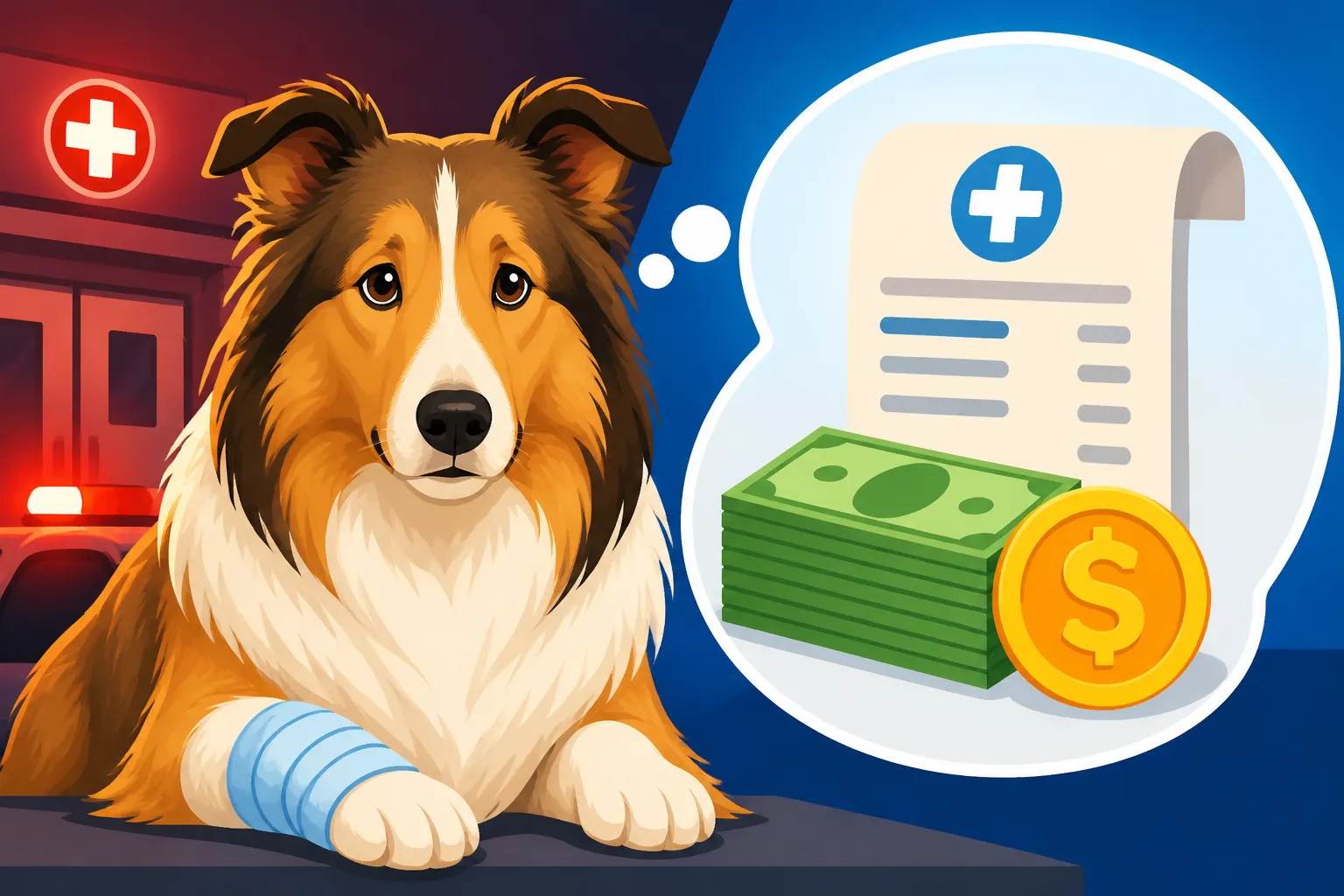
What a Collie’s Emergency Visit Costs
The sudden, unexpected sound of your Collie crying out in pain, or the sight of them suddenly weak and disoriented, is every dog owner's worst nightmare. In those terrifying moments, your only thought is getting them help, but the looming question of emergency vet costs can add immense stress to an already frantic situation. This guide is here to walk you through what to expect financially when your beloved Collie needs urgent care, helping you understand the charges so you can focus on what matters most: your dog's recovery.
The Initial Shock: Understanding Emergency Exam Fees
When you rush your Collie into an emergency veterinary clinic, whether it's the middle of the night or a busy Saturday afternoon, you're not just paying for a quick check-up. You're accessing a dedicated facility with specialized equipment and staff trained to handle critical situations at a moment's notice. This immediate availability and expertise come with a distinct cost structure that differs significantly from a routine wellness visit.
The Triage and Initial Assessment
The very first step at an emergency vet, often before you even fill out paperwork, is triage. A veterinary technician or nurse will quickly assess your Collie's condition, looking for signs of immediate danger or distress. They'll take vital signs, check mucous membranes, and observe breathing and responsiveness. This initial assessment helps them determine the urgency of your dog's situation and prioritize care, much like an emergency room for humans. This crucial first look ensures that the most critical cases are seen without delay.
Following triage, a veterinarian will perform a full emergency examination. This is often more comprehensive and time-sensitive than a regular vet visit, focusing on pinpointing the immediate problem. The base fee for this emergency exam is typically higher than a scheduled appointment fee at your regular vet, reflecting the specialized nature of the service and the around-the-clock availability. You'll also often see an "after-hours" or "weekend" surcharge built into these fees, as staffing a 24/7 facility with skilled professionals is a considerable overhead for any clinic. These fees can feel steep, but they cover the readiness and rapid response that can literally save your Collie's life.
Diagnostic Investigations Begin
Once the initial exam is complete, the vet will likely recommend a battery of diagnostic tests to understand what's truly going on inside your Collie. These tests are vital for accurate diagnosis and effective treatment, and they are where costs can really start to climb.
Common initial diagnostics include blood work, which can assess organ function, red and white blood cell counts, and electrolyte balance. You might see charges for a Complete Blood Count (CBC), a Chemistry Panel, and potentially specific tests for pancreatitis or clotting times, especially if surgery is a possibility. X-rays are another frequent diagnostic tool, used to visualize bones, soft tissues, and to check for things like foreign objects, organ enlargement, or fluid in the chest or abdomen. If your Collie is experiencing severe abdominal pain, an ultrasound might be recommended to get a more detailed look at internal organs, which can be particularly useful for ruling out serious conditions like bloat, a life-threatening emergency in deep-chested breeds like Collies. Each of these tests, from the basic blood panel to advanced imaging, comes with its own fee, adding up quickly to form the bulk of the initial bill.
Medication and Pain Management
Stabilizing your Collie often involves immediate administration of medications. If your dog is in pain, anti-inflammatory drugs or stronger pain relief might be given right away. If they're nauseous and vomiting, anti-emetics are common. For dogs in shock or experiencing dehydration, intravenous (IV) fluids are a standard treatment.
These initial doses of medication are included in your emergency visit cost. The specific drugs used depend entirely on your Collie's condition. For instance, if your dog is having an allergic reaction, antihistamines and steroids might be administered. If there's an infection, antibiotics could be started. The cost of these medications reflects not just the drug itself, but also the rapid delivery and the immediate medical oversight required. Sometimes, a short-term prescription might be sent home with you, while other times, if hospitalization is required, medication will be administered continuously, adding to the daily care costs. The goal is always to stabilize your Collie and alleviate their immediate suffering, setting the stage for more definitive treatment.
Common Collie Emergencies and Their Cost Implications
Collies, like all breeds, are susceptible to a range of health issues that can suddenly escalate into emergencies. Some are general dog problems, while others carry specific breed risks. Understanding these can help you mentally prepare for potential costs.
Addressing Sudden Illnesses
One of the most frequent reasons for an emergency vet visit is a sudden onset of illness, often manifesting as gastrointestinal upset. Imagine your Collie suddenly developing severe vomiting and diarrhea, becoming lethargic and refusing to eat. This scenario is incredibly distressing for any owner.
When you bring your Collie in with such symptoms, the vet will perform an exam and likely recommend a fecal test to check for parasites, blood work to assess for dehydration or infection, and possibly X-rays to rule out a foreign body obstruction or bloat. Treatment will often involve anti-nausea medications, antibiotics if a bacterial infection is suspected, and subcutaneous or intravenous fluids to combat dehydration. The cost for such a visit, including diagnostics and initial treatment, can easily run into several hundred dollars. If a foreign body is suspected and requires surgery, the costs can escalate dramatically into the thousands. For ongoing management of sensitive stomachs or if your Collie needs a specialized diet after recovering from a GI emergency, you might find services like Chewy to be a convenient and cost-effective way to get prescription foods or long-term medications delivered right to your door.
Trauma and Accidents
Accidents happen, even to the most careful Collie. Being hit by a car, getting into a serious dog fight, or taking a bad fall can all lead to severe trauma requiring immediate and extensive veterinary care. These are often the most expensive emergencies due to the complexity of injuries.
When a Collie suffers trauma, the emergency clinic's first priority is stabilization. This can involve stopping bleeding, addressing shock, providing pain relief, and possibly placing splints or casts. Diagnostics will likely include multiple X-rays to check for fractures, internal bleeding, or organ damage, and potentially an ultrasound to assess internal injuries. Depending on the extent of the trauma, your Collie might need surgery for broken bones, internal organ repair, or extensive wound care. Hospitalization, often for several days, with continuous monitoring, IV fluids, and pain management, is common. These situations can quickly lead to bills in the thousands or even tens of thousands of dollars, making a strong case for having pet insurance like Healthy Paws, which can significantly alleviate the financial burden of such unpredictable, high-cost events.
Collie-Specific Concerns
While general illnesses and traumas affect all breeds, Collies do have specific vulnerabilities that can lead to emergency situations.
One major concern for Collies, given their deep chests, is bloat, or Gastric Dilatation-Volvulus (GDV). This is an incredibly rapid and life-threatening condition where the stomach twists, trapping gas and food, and cutting off blood supply. If you suspect Signs a Collie Is Bloating, time is absolutely of the essence. Emergency treatment involves stabilizing the dog, decompressing the stomach, and almost always requires emergency surgery to untwist the stomach and often to tack it to the abdominal wall (gastropexy) to prevent recurrence. The costs for bloat surgery and the subsequent critical care can be among the highest emergency vet bills you'll ever face. For more in-depth information, you can read about Bloat in a Deep Chested Collie and How Fast Bloat Kills a Collie.
Another critical breed-specific issue is the MDR1 mutation. Many Collies carry this gene mutation, which makes them highly sensitive to certain common drugs. If an MDR1-affected Collie is given a contraindicated medication, even in a small dose, it can lead to severe neurological symptoms, including ataxia, seizures, coma, and even death. Emergency treatment for an MDR1 Reaction Costs to Treat in a Collie and involves aggressive supportive care, IV fluids, activated charcoal to absorb the drug, and intensive monitoring, often for several days. Knowing your Collie's MDR1 status (you can read more in Assume Your Collie Has the MDR1 Mutation) and carrying What a Collie Owner Should Carry to an Emergency Visit is crucial for prevention, as treatment for a reaction is both intensive and expensive. You can also review The Drug List That Can Kill a Collie to be extra cautious.
Finally, some Collies can be prone to epilepsy, and while many can be managed with daily medication, some experience cluster seizures or status epilepticus, where seizures are prolonged or occur in rapid succession. This can be a life-threatening event, and emergency intervention is necessary to stop the seizures and prevent brain damage. The cost involves emergency anticonvulsant medications, IV fluids, monitoring, and potentially an overnight stay. Understanding Whether a Collie's Seizure Is an Emergency can help you act quickly.
Here's a simplified breakdown of typical emergency vet cost components:
| Cost Component | Description | Influence on Bill |
|---|---|---|
| Emergency Exam Fee | Initial assessment, physical exam, vet consultation. | High (Base fee, often with after-hours surcharge) |
| Triage Fee | Quick initial assessment by vet tech. | Moderate (Often separate or bundled) |
| Diagnostics | Blood tests (CBC, chemistry), X-rays, ultrasound, urinalysis, fecal. | Very High (Multiple tests add up quickly) |
| Medications | Pain relief, anti-nausea, antibiotics, IV fluids, anti-seizure drugs. | High (Depends on type and quantity) |
| Hospitalization | Overnight stay, continuous monitoring, IV fluid maintenance. | Very High (Daily rate, scales with duration and intensity of care) |
| Procedures/Surgery | Foreign body removal, bloat surgery, wound repair, fracture repair. | Extremely High (Can be thousands, includes anesthesia, surgical fees, materials) |
| Specialist Consult | Referral to internal medicine, ophthalmology, cardiology, etc. | High (Additional fee on top of emergency care) |
| Supply Charges | Bandages, catheters, syringes, Elizabethan collars. | Moderate (Accumulates with treatment) |
Beyond the Immediate: Hospitalization and Ongoing Care
Sometimes, an emergency visit isn't a one-and-done deal. Your Collie might need to stay at the clinic for hours, overnight, or even several days for continued treatment, monitoring, or surgery. This extended care significantly adds to the overall cost.
Intensive Care and Monitoring
If your Collie's condition is severe or unstable, they will be admitted for hospitalization and potentially placed in intensive care. This means round-the-clock monitoring by veterinary staff, who are tracking vital signs, administering medications on a strict schedule, and adjusting IV fluid rates as needed.
The cost of hospitalization is typically calculated on a daily basis and can vary widely depending on the level of care required. A simple overnight stay for observation with IV fluids will be less expensive than continuous, critical care with specialized equipment like oxygen therapy, blood transfusions, or continuous ECG monitoring. You might see itemized charges for things like IV fluid pumps, oxygen administration, specific medications given throughout the day and night, and continuous monitoring fees. Each day your Collie spends recovering under intensive supervision can add hundreds or even thousands of dollars to your bill, especially if specialist consultations (e.g., with an internal medicine specialist or a critical care vet) are also required.
Surgical Interventions and Recovery
For many severe emergencies, surgery becomes necessary. This is especially true for conditions like bloat, internal bleeding from trauma, or foreign body obstructions. The costs associated with surgery are comprehensive and often the largest single component of an emergency bill.
These fees typically include the surgeon's fee, the cost of anesthesia (which requires continuous monitoring by a dedicated technician or anesthesiologist), surgical supplies, and post-operative pain management. After surgery, your Collie will need a recovery period, often involving more days of hospitalization for observation, wound care, and continued pain relief. This post-operative care is crucial for preventing complications and ensuring a smooth recovery. You might also be charged for things like suture removal appointments or follow-up imaging to check healing progress. The sheer number of skilled professionals and specialized equipment involved in a complex surgical procedure, from the initial consultation to the final discharge, contributes to the substantial expense.
Managing the Aftermath and Long-Term Costs
Even after your Collie is discharged from the emergency clinic, the financial implications often don't end there. You'll likely receive detailed discharge instructions, including specific medications to administer at home and follow-up appointments with your regular veterinarian or a specialist.
These follow-up visits are important to ensure your Collie is recovering well and to adjust any ongoing treatments. There might be costs for new prescriptions, special bandages, or therapeutic diets if your Collie's condition requires dietary changes. For example, a Collie recovering from severe pancreatitis might need a low-fat prescription diet indefinitely. For these types of specialized nutritional needs, services like Ollie can be beneficial, offering customized, human-grade meal plans delivered to your door that cater to specific dietary requirements your vet might recommend post-emergency. Beyond the tangible costs, there's also the emotional toll, the worry, and the time spent caring for a recovering pet. Being prepared for these ongoing needs, both financial and emotional, is part of being a responsible Collie owner.
Preparing for the Unthinkable: Financial Strategies
No one wants to imagine their Collie in an emergency, but being financially prepared can make a critical difference in those moments. Having a plan can help you make clear-headed decisions about your dog's care without the added burden of crushing financial stress.
The Value of Pet Insurance
One of the most effective ways to mitigate the high costs of emergency veterinary care is pet insurance. It works much like human health insurance, where you pay a monthly premium, and in return, the insurer covers a percentage of your vet bills after you meet a deductible.
For a Collie, pet insurance can be particularly valuable given their predisposition to certain breed-specific emergencies like bloat and drug sensitivities related to MDR1. Companies like Healthy Paws offer comprehensive plans that cover accidents, illnesses, and emergency care, providing a safety net when unexpected medical needs arise. While you'll still pay the vet directly, the reimbursement from your insurance can significantly reduce your out-of-pocket expenses. When considering a policy, pay close attention to the deductible amount, the reimbursement percentage (e.g., 70%, 80%, or 90%), and any annual limits. It's also crucial to understand what counts as a pre-existing condition, as these are typically not covered. The sooner you get insurance for your Collie, the better, as it helps avoid conditions being classified as pre-existing. Many owners find that Whether Pet Insurance Is Worth It on a Collie is a question best answered by the peace of mind it provides during a crisis.
Emergency Savings and Credit Options
Even with pet insurance, it's wise to have an emergency fund specifically for your Collie's care. Your deductible and co-insurance percentage will still need to be paid upfront, and some procedures or conditions might not be fully covered. Aim to have at least a few thousand dollars set aside in an easily accessible savings account, earmarked for pet emergencies. This fund acts as an immediate resource when every second counts.
If you find yourself facing a substantial bill without adequate savings or insurance, there are other options to explore. Many veterinary clinics offer payment plans or work with third-party medical credit providers. These options can help break down a large sum into more manageable monthly payments. However, be mindful of interest rates and terms. It's always best to discuss these financial arrangements openly with the emergency vet staff as soon as possible. Never let financial concerns delay life-saving treatment for your Collie; open communication can often lead to viable solutions.
Communication with Your Emergency Vet
When your Collie is critically ill or injured, you're likely overwhelmed. But clear communication with the veterinary team is paramount. Don't hesitate to ask for a detailed estimate of costs before approving extensive diagnostics or treatments.
Veterinary staff are accustomed to discussing financial aspects and can often provide a range of options, from the most comprehensive treatment plan to more conservative approaches, along with their associated prognoses and costs. Ask for an itemized breakdown of anticipated charges so you understand where your money is going. If cost is a major concern, discuss it honestly. Sometimes, treatment can be phased, or certain diagnostics can be prioritized over others, though this should always be done with a full understanding of the potential impact on your Collie's outcome. Remember, these professionals are there to help your dog, and they also understand the realities of unexpected expenses.
Disclaimer
This article is for general informational purposes only and does not constitute professional advice. Laws, prices and regulations vary by location and change over time. Consult a qualified professional for guidance on your specific situation.