The Drug List That Can Kill a Collie
The sheer thought of giving your beloved Collie a medication that could inadvertently cause severe neurological damage or even be fatal is a terrifying reality for many owners. It’s a unique and heavy burden that comes with owning these magnificent dogs, due to a specific genetic mutation that many Collies carry. This guide is here to shed light on the critical drug sensitivities associated with the MDR1 gene, providing you with essential knowledge to protect your Collie and empower you in discussions with your veterinarian.
Understanding the MDR1 Gene Mutation in Collies
For Collie owners, the term "MDR1 mutation" is often whispered with a mix of concern and confusion. It’s a genetic quirk that profoundly impacts how your dog processes certain medications, turning common, safe drugs into potential poisons. This isn't just a minor sensitivity; it's a fundamental difference in physiology that demands careful attention.
What the MDR1 Gene Does
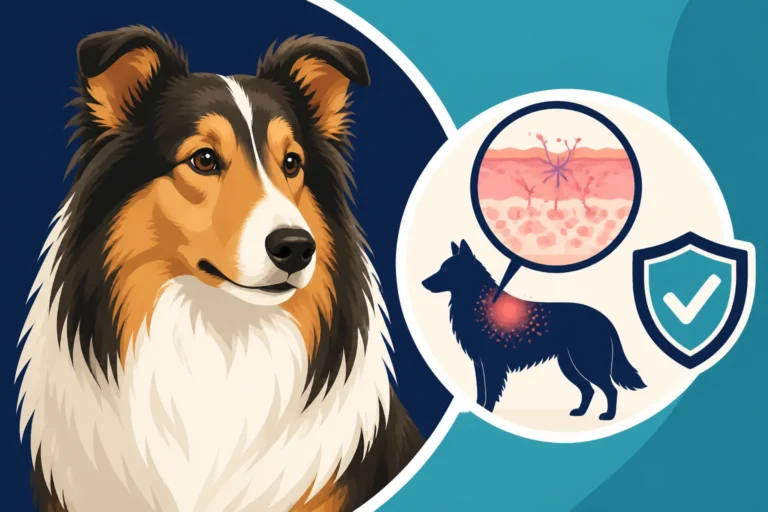
The MDR1 gene, formally known as Multi-Drug Resistance 1, codes for a protein called P-glycoprotein. Think of P-glycoprotein as a tiny, highly efficient pump located in various parts of the body, including the brain, intestines, kidneys, and liver. Its main job is to pump toxins and certain drugs out of sensitive areas, like the brain, and out of the body through excretion. It acts as a crucial protective barrier.
In Collies and several other herding breeds, a specific mutation in this gene means that the P-glycoprotein pump either doesn't work effectively or isn't produced at all. This defect means that drugs that would normally be expelled from the brain or quickly metabolized are instead allowed to build up to toxic levels, leading to severe and often life-threatening neurological symptoms. It’s not about the drug itself being inherently bad, but rather your Collie's inability to handle it properly due to this missing or faulty cellular "security guard."
Prevalence and Inheritance in the Breed
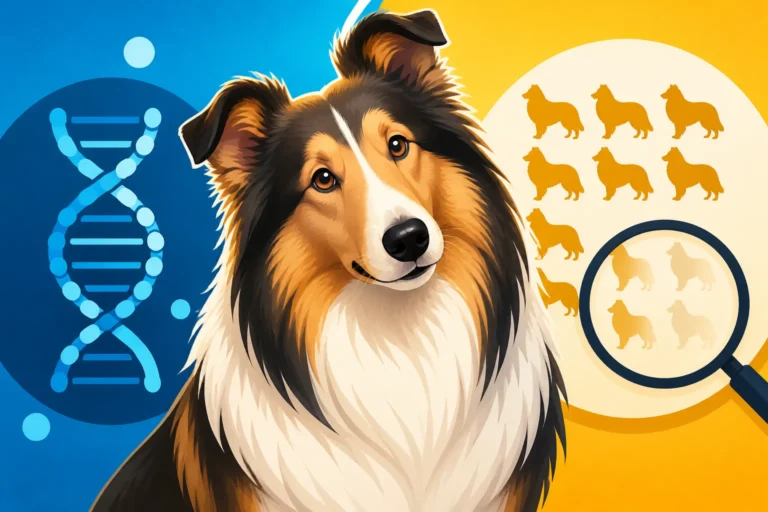
It might shock you to learn just how common this mutation is within the Collie breed. Studies have shown that a significant percentage of Collies carry at least one copy of the mutated MDR1 gene. While numbers can vary slightly depending on the specific bloodlines and regions studied, it's safe to say that a large portion of the breed is affected. This is why many experts strongly advise that you Assume Your Collie Has the MDR1 Mutation until proven otherwise. It’s better to err on the side of caution when your dog’s life is at stake.
The inheritance pattern is also crucial to grasp. MDR1 is an autosomal recessive trait, but its clinical expression is actually dominant with incomplete penetrance for some drugs. What this really means in practical terms is that even if your Collie only inherits one copy of the mutated gene (heterozygous, meaning they are a carrier), they can still experience adverse reactions to certain medications, although often less severe than those with two copies (homozygous affected). This fact alone underscores why knowing your dog's MDR1 status is not just helpful, but absolutely vital for their safety.
The Absolute No-Go Drugs for Your Collie
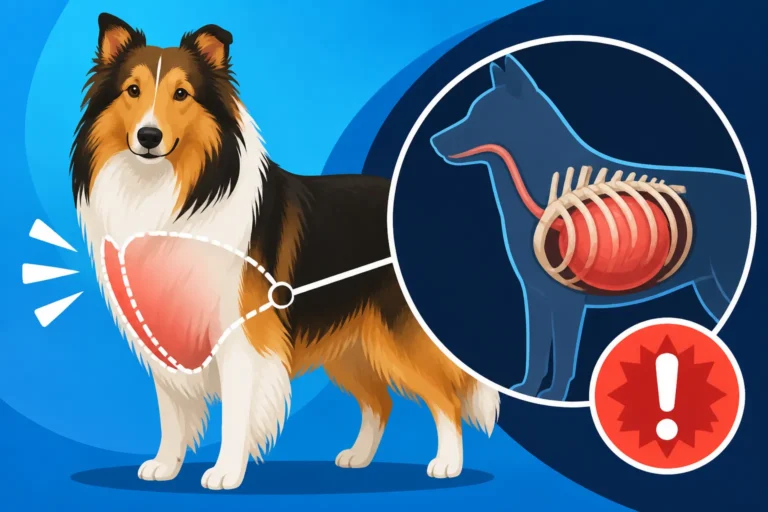
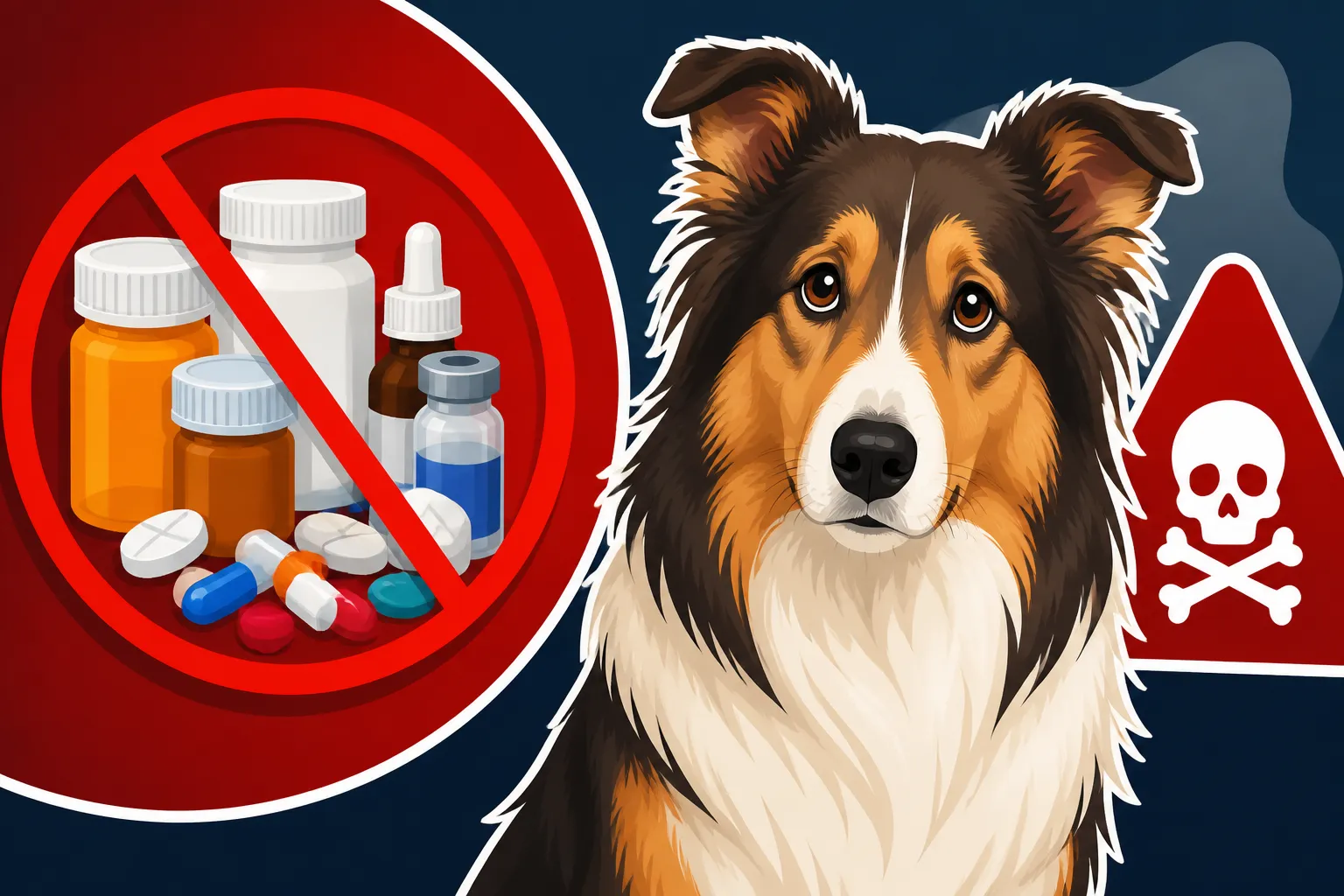
When it comes to MDR1, there are certain medications that simply must be avoided at all costs. These are the "red light" drugs, where the risk of severe toxicity and death is incredibly high for an affected Collie. Administering these drugs to a susceptible dog can lead to devastating neurological effects because they bypass the compromised blood-brain barrier and accumulate rapidly.
Ivermectin and Related Macrocyclic Lactones
Perhaps the most infamous drug on this list is ivermectin. It's a powerful antiparasitic commonly used in livestock and sometimes in dogs for various conditions, including heartworm prevention and treatment for mites or intestinal worms. However, for an MDR1-affected Collie, even tiny doses of ivermectin can be lethal. If you've ever heard a vet warn about Collies and ivermectin, this is why.
When an MDR1 Collie receives ivermectin, the drug crosses into the central nervous system unchecked, leading to profound neurotoxicity. Symptoms can appear within hours and escalate quickly: disorientation, excessive salivation, vomiting, dilated pupils, blindness, tremors, seizures, coma, and ultimately, death. This reaction is not a mild inconvenience; it is a life-threatening medical emergency. Therefore, it's imperative that your Collie never be given ivermectin, especially at the higher doses used for treating active parasitic infections, and that you understand What Happens When an MDR1 Collie Gets Ivermectin so you can avoid it.
Loperamide and Other Opioid Analgesics
Loperamide, often sold under the brand name Imodium, is another common over-the-counter medication that poses a significant threat to MDR1 Collies. It's an opioid derivative used to treat diarrhea by slowing down gut motility. In people and unaffected dogs, it generally stays localized in the gut. However, in an MDR1-affected Collie, loperamide can cross the blood-brain barrier and cause severe neurological depression, mimicking an opioid overdose.
Symptoms might include staggering, sedation, profound lethargy, respiratory depression, and even coma. While it's tempting to reach for a quick fix for an upset stomach, using loperamide on your Collie without knowing their MDR1 status is a dangerous gamble. There are many safer alternatives for managing diarrhea in Collies, and it's essential to confirm with your vet that any prescribed or recommended medication is safe, especially since Whether Loperamide Is Dangerous to a Collie is a question many owners should be asking.
Chemotherapy Agents
Unfortunately, the list of dangerous drugs extends into more specialized treatments. Certain chemotherapy drugs, while vital for cancer treatment in unaffected dogs, are extremely problematic for MDR1 Collies. Medications like vincristine, vinblastine, and doxorubicin are all substrates for the P-glycoprotein pump. This means that an MDR1-affected Collie cannot effectively remove these drugs from their system, leading to dramatically increased toxicity.
The consequences of administering these chemotherapy agents to an MDR1 Collie can be severe, including heightened bone marrow suppression, gastrointestinal issues, and systemic toxicity that can be fatal. If your Collie ever faces a cancer diagnosis, it is absolutely paramount that their MDR1 status is known before any chemotherapy protocol is initiated. This information directly influences the choice of drugs and the dosage adjustments necessary to prevent catastrophic side effects, confirming Whether Chemotherapy Drugs Are Riskier for a Collie is a very real concern.
Medications Requiring Extreme Caution and Dosage Adjustment
Not every drug on the "MDR1 problematic" list is an absolute no-go. Many require significant dosage reductions, careful monitoring, or should only be used if absolutely necessary and under strict veterinary supervision. This category demands vigilance and open communication with your vet, as the line between therapeutic and toxic can be very fine.
Anesthetics and Sedatives
The thought of your Collie needing surgery or a procedure requiring sedation can be stressful enough, but for an MDR1-affected dog, it adds another layer of concern. Several commonly used anesthetics and sedatives, such as acepromazine and butorphanol, are affected by the MDR1 mutation. These drugs, when given in standard doses to an MDR1 Collie, can result in prolonged sedation, respiratory depression, and a much longer recovery time than expected.
It's not that these drugs are entirely off-limits, but rather that dosages must be meticulously adjusted. A vet experienced with MDR1 Collies will often start with a much lower dose and carefully observe the dog's response, adjusting as needed. This proactive approach minimizes risk, but it underscores the importance of a detailed discussion with your veterinary team about your Collie's MDR1 status well in advance of any planned procedure. This ensures Whether Anesthesia Is Riskier for an MDR1 Collie is managed appropriately with suitable alternatives or reduced dosages.
Antiparasitics for Fleas, Ticks, and Heartworm
This is an area where a lot of confusion and anxiety can arise, particularly regarding common preventatives. While high doses of ivermectin are certainly dangerous, many heartworm preventatives contain ivermectin or similar macrocyclic lactones (like milbemycin oxime) at extremely low microfilaricidal doses. At these low, preventative doses, most MDR1-affected Collies (even those homozygous affected) do not experience adverse reactions because the amount of drug that crosses the blood-brain barrier is minimal.
However, "most" isn't "all," and individual sensitivities can vary. Some vets may still prefer to use alternative heartworm preventatives that are not substrates for the P-glycoprotein pump, such as moxidectin (though some forms are also affected) or selamectin, or even doxycycline for heartworm treatment (not prevention). For flea and tick control, generally, products like those containing fipronil (Frontline), afoxolaner (NexGard), fluralaner (Bravecto), or sarolaner (Simparica) are considered safe for MDR1 Collies as they are not P-glycoprotein substrates. Always double-check with your vet, and confirm Whether Heartworm Preventive Is Safe for a Collie and Whether Flea Treatment Is Safe for an MDR1 Collie before administering anything new.
Antibiotics and Anti-Emetics
While not as immediately life-threatening as ivermectin, some antibiotics and anti-emetics also warrant a second look. For instance, erythromycin, an antibiotic, can be a P-glycoprotein substrate. Its accumulation in MDR1-affected dogs might lead to increased gastrointestinal upset or other side effects. Similarly, the anti-emetic drug metoclopramide (Reglan), used for nausea and vomiting, can potentially accumulate in the brain of an MDR1 Collie, though reactions are generally less severe and dosage adjustments are usually sufficient.
The key takeaway here is not to avoid these drug classes entirely, as they are often crucial for treating bacterial infections or managing severe nausea. Instead, it's about making your vet aware of your Collie's MDR1 status. This allows them to make informed decisions, potentially choosing alternative drugs or adjusting dosages to minimize risks, ensuring your dog gets the treatment they need without unnecessary complications.
Practical Steps to Protect Your MDR1 Collie
Knowing about the MDR1 mutation is one thing; actively protecting your dog is another. This requires proactive measures, clear communication, and a commitment to being your Collie's best advocate. It can feel like a lot to manage, but these steps are crucial for their long-term health and safety.
Informing Your Veterinarian
This is, without a doubt, the most critical step. Your veterinarian is your primary partner in your Collie's health, and they must be aware of your dog's MDR1 status. Don't assume they know, even if they treat many Collies; it's always best to explicitly state it. When you visit a new clinic or see an emergency vet, make this information clear from the outset.
Politely but firmly inform them that your Collie has (or is suspected to have) the MDR1 mutation and provide them with a copy of your dog's genetic test results if you have them. Ask them to flag your Collie's chart prominently. This simple action, Whether a Collie's Chart Should Be Flagged at the Clinic, can literally save your dog's life, ensuring that every vet and technician who interacts with your pet is aware of their unique sensitivity before prescribing or administering any medication. A good vet will appreciate your diligence and work with you.
What to Carry for Emergency Visits
Emergencies are, by definition, unexpected and often happen when you least expect them – perhaps at an unfamiliar clinic or in the middle of the night. In these high-stress situations, you need to be prepared to advocate for your Collie immediately. Create a small "MDR1 emergency kit" that you can grab whenever you take your Collie to the vet, especially for urgent care.
This kit should include a printed copy of your Collie's MDR1 genetic test results, a concise list of the absolute "no-go" drugs and those requiring caution, and contact information for your regular veterinarian. Consider having your Collie wear a Whether a Collie Should Wear a Medical Tag indicating their MDR1 status. This visible alert can be invaluable if you're incapacitated or if your dog is found by others. It's a small effort that can make a monumental difference when seconds count.
Knowing the Signs of a Drug Reaction
Despite all precautions, accidents can happen. Perhaps a miscommunication occurred, or an emergency vet unfamiliar with the nuance of MDR1 made an error. Therefore, it's vital for you, as the primary caregiver, to be able to recognize the signs of a drug reaction. Being able to spot these symptoms early can allow for prompt intervention and potentially reverse the effects before they become irreversible.
Common Signs an MDR1 Collie Is Having a Drug Reaction often involve the nervous system. These can include:
- Neurological: Stumbling, disorientation, loss of balance (ataxia), excessive drooling, tremors, seizures, severe lethargy, dilated pupils, blindness.
- Gastrointestinal: Vomiting, severe diarrhea.
- Respiratory: Shallow or labored breathing.
If you observe any of these symptoms after your Collie has been given medication, even if it was deemed "safe," do not hesitate. Contact your veterinarian or an emergency animal hospital immediately. Time is of the essence, and swift action can significantly improve the prognosis for your dog.
Testing for the MDR1 Mutation
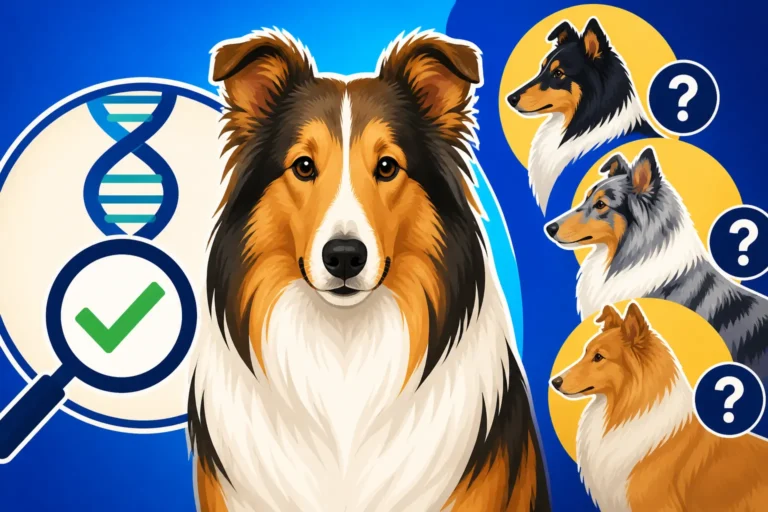
The only definitive way to know your Collie's MDR1 status is through genetic testing. Guessing or assuming based on breed alone is a gamble you don't want to take. Fortunately, testing is straightforward, relatively inexpensive, and provides lifelong peace of mind.
Why Every Collie Should Be Tested
Given the potentially fatal consequences of administering certain drugs to an MDR1-affected Collie, genetic testing isn't just a good idea – it's an essential part of responsible Collie ownership. Without testing, you're constantly guessing, and every veterinary visit carries an unspoken risk. If your Collie is an unknown quantity, your vet may have to resort to less effective or more expensive treatments to avoid potential drug interactions, or worse, accidentally administer a dangerous medication.
Knowing your Collie's status allows for proactive, safe, and effective medical care throughout their entire life. It also helps breeders make informed decisions to reduce the prevalence of the mutation in future generations. It truly removes a significant layer of anxiety and replaces it with actionable knowledge.
The Testing Process and Labs
The good news is that testing for MDR1 is incredibly simple and non-invasive. Most tests are performed using a cheek swab or a small blood sample, which you can often collect yourself at home or have your vet collect. You send the sample to a specialized veterinary genetics laboratory, and in a few weeks, you'll receive a report detailing your Collie's genotype.
Some reputable labs that offer MDR1 testing include:
- Washington State University (WSU) Veterinary Clinical Pharmacology Lab: Historically, WSU pioneered the MDR1 test and remains a highly respected resource.
- Embark Veterinary: Offers comprehensive DNA testing including MDR1, often part of a larger panel.
- OFA (Orthopedic Foundation for Animals): Many breed clubs recommend OFA for health clearances, and they list certified labs that offer MDR1 testing.
Before you send off a sample, it’s worth checking Which Lab Runs the Collie MDR1 Test that best suits your needs, as some offer panels for multiple genetic conditions, which can be a comprehensive approach to understanding your Collie's overall genetic health. The cost is usually quite reasonable, especially when you consider that What an MDR1 Test Costs for a Collie is a one-time expense for lifelong invaluable information.
Interpreting Your Collie's Results
Once you get your results back, you'll see one of three possible genotypes:
| Genotype | Description | Risk Level | Practical Implications |
|---|---|---|---|
| N/N (or +/+) | Your Collie has two normal copies of the MDR1 gene. | No Risk | Can metabolize and excrete drugs normally. Standard drug dosages apply. Still wise to inform vet for breed awareness. |
| N/M (or +/-) | Your Collie has one normal and one mutated copy of the MDR1 gene (carrier). | Moderate Risk | May show sensitivity to certain drugs, particularly at higher doses. Dosage adjustments and careful monitoring are crucial for specific medications. Should not be bred to other carriers. |
| M/M (or -/-) | Your Collie has two mutated copies of the MDR1 gene (affected). | High Risk | Highly susceptible to severe, life-threatening reactions to affected drugs. Absolute avoidance or drastic dosage reductions and close monitoring are mandatory. Should not be bred. |
Understanding these results empowers you and your vet to make the safest and most informed decisions regarding your Collie's medical care. If your Collie tests N/M or M/M, it’s not a death sentence, but a clear roadmap for preventing serious harm.
Living Safely with an MDR1-Affected Collie
Having an MDR1-affected Collie requires diligence, but it doesn't mean your dog can't live a full, happy, and healthy life. It simply means you need to be a more informed and proactive advocate for their care. With awareness and good communication, the risks are highly manageable.
Everyday Preventative Care Considerations
Your daily routine and preventative care choices are crucial. This includes everything from routine worming to flea and tick treatments. While many common preventatives are safe at the micro-doses prescribed for heartworm, it's always best to discuss your Collie's MDR1 status with your vet before any new medication is given. For instance, if your vet recommends a dewormer for a suspected parasitic infection, ensure they choose one that is safe for MDR1 Collies, as Whether an MDR1 Collie Can Be Wormed Safely depends entirely on the specific product.
Always purchase medications, especially over-the-counter ones, from your veterinarian or a trusted pharmacy that can verify the safety for MDR1 Collies. Avoid self-medicating your dog with human drugs or unverified supplements, as many common ingredients can unexpectedly interact with the compromised P-glycoprotein pump.
Navigating Veterinary Visits and Procedures
Each vet visit, from a routine check-up to an unexpected illness, is an opportunity to reinforce your Collie's MDR1 status. Always remind the veterinary staff, especially if it's not your usual vet or if your dog is seeing a specialist. A simple note on your dog's carrier or a quick mention during check-in can make a world of difference.
For any planned procedures requiring anesthesia, discuss the specific anesthetic protocol with your vet in advance. Ask them what drugs they plan to use and verify that alternatives or reduced dosages will be considered for your MDR1 Collie. Don't be afraid to ask questions. A good veterinary team will appreciate your engagement and prioritize your dog's safety. Consider using a service like Healthy Paws for pet insurance, as they can help cover unexpected costs if a specialized, safer drug or a longer monitoring period is required due to MDR1 sensitivity.
The Importance of a Knowledgable Vet
While many general practice veterinarians are aware of the MDR1 mutation, the depth of their knowledge can vary. Ideally, you want a veterinarian who is well-versed in the specifics of MDR1, not just generally aware. They should be comfortable with alternative medications, dosage adjustments, and understanding the nuances of drug interactions for affected dogs.
If you feel your current vet isn't fully informed or comfortable managing an MDR1 Collie, it might be worth seeking out a clinic with a deeper understanding of herding breed sensitivities. Online communities for Collie owners can often provide recommendations for vets in your area who have a strong reputation for managing MDR1 cases. Remember, you are your Collie's advocate, and ensuring they receive knowledgeable care is paramount. A pet insurance like Healthy Paws can also give you the flexibility to seek care from a specialist if needed, without as much financial burden.
The Broader Impact of MDR1 Awareness
The conversation around MDR1 in Collies goes beyond individual dog care; it touches on responsible breeding, breed health, and the future of our beloved companions. Increasing awareness and education is a community effort that benefits all Collies.
Responsible Breeding and Genetic Testing
For breeders, MDR1 testing is not just recommended, but an ethical imperative. Responsible breeders test their breeding stock for MDR1 and use those results to make informed decisions. While it might seem intuitive to only breed N/N (clear) dogs, completely eliminating N/M (carrier) dogs from the breeding pool too quickly could drastically reduce genetic diversity in the breed, leading to other unforeseen health issues.
Instead, the goal is to breed intelligently to reduce the number of M/M (affected) puppies. This means that an N/M dog can still be a valuable part of a breeding program if carefully paired with an N/N dog. This ensures no affected puppies are produced while maintaining genetic diversity. This practice is part of a larger commitment to improving breed health, as highlighted by discussions around The Three Genetic Tests a Collie Breeder Owes You.
Educational Resources and Support
You are not alone in navigating the complexities of MDR1. Numerous resources exist to help Collie owners understand and manage this condition. Breed clubs, like the Collie Club of America, often provide educational materials and lists of recommended labs for genetic testing. Online forums and social media groups dedicated to Collies can be invaluable for connecting with experienced owners who have firsthand knowledge of living with MDR1-affected dogs.
Organizations like the Collie Health Foundation also play a crucial role, often funding research into genetic conditions like MDR1 and providing grants to help owners and breeders. Don't hesitate to tap into these communities and resources. The collective knowledge and support can be incredibly reassuring and helpful, reinforcing that you're part of a larger network dedicated to the health and well-being of Collies. Having comprehensive pet insurance through a provider such as Healthy Paws can give you peace of mind that you'll have support for any health challenges, including those related to genetic conditions like MDR1.
A Call for Continued Vigilance
While awareness of MDR1 has grown significantly over the years, the mutation persists in the breed. This means that new Collie owners, emergency veterinary staff, and even seasoned vets in different regions might still not be fully up to date on all its implications. Therefore, your vigilance remains critically important. Every time you explain your Collie's MDR1 status to a new vet or share your experiences with another Collie owner, you contribute to a safer environment for all Collies.
By being informed, proactive, and vocal, you become an indispensable part of your Collie's health defense team. The drug list that can kill a Collie is a serious matter, but with knowledge and care, it's a risk that can be successfully managed, allowing your beautiful companion to thrive for many happy years.
Disclaimer
The information provided in this article is for educational and informational purposes only and does not constitute veterinary advice. Always consult with a qualified veterinarian regarding any medical concerns or before making any decisions about your Collie's health or treatment plan. Drug dosages and safety protocols can change, and only a licensed veterinarian can provide advice tailored to your specific pet's needs and health status.