Whether a Collie Should Wear a Medical Tag
The worry that something might happen to your beloved Collie, especially a sudden medical emergency, can be truly consuming. It's a natural fear for any dedicated dog owner, but for those of us with Collies, it's compounded by a handful of very specific breed health concerns that can turn a routine vet visit or an unexpected accident into a life-threatening situation in mere moments. This guide is here to walk you through why a medical tag isn't just a good idea, but a crucial piece of your Collie's safety net, helping you ensure they get the right care when it matters most.
Why Medical Tags Are Especially Important for Collies
When you own a Collie, you’re often aware of the breed’s unique genetic predispositions, which are unfortunately not always common knowledge outside of breed-specific veterinary circles. This is where a medical tag becomes an invaluable silent advocate for your dog, communicating critical information to anyone who might find or help your Collie in an emergency. It’s about taking proactive steps to bridge that knowledge gap and potentially save your dog's life.
Navigating the MDR1 Mutation Risk
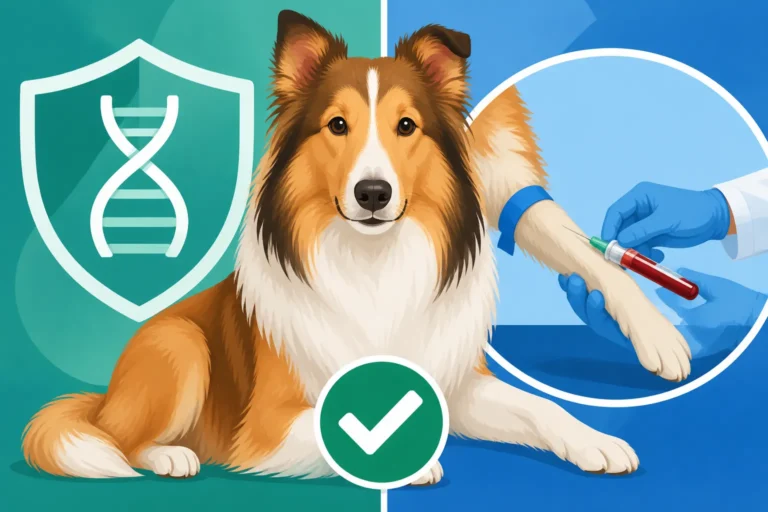
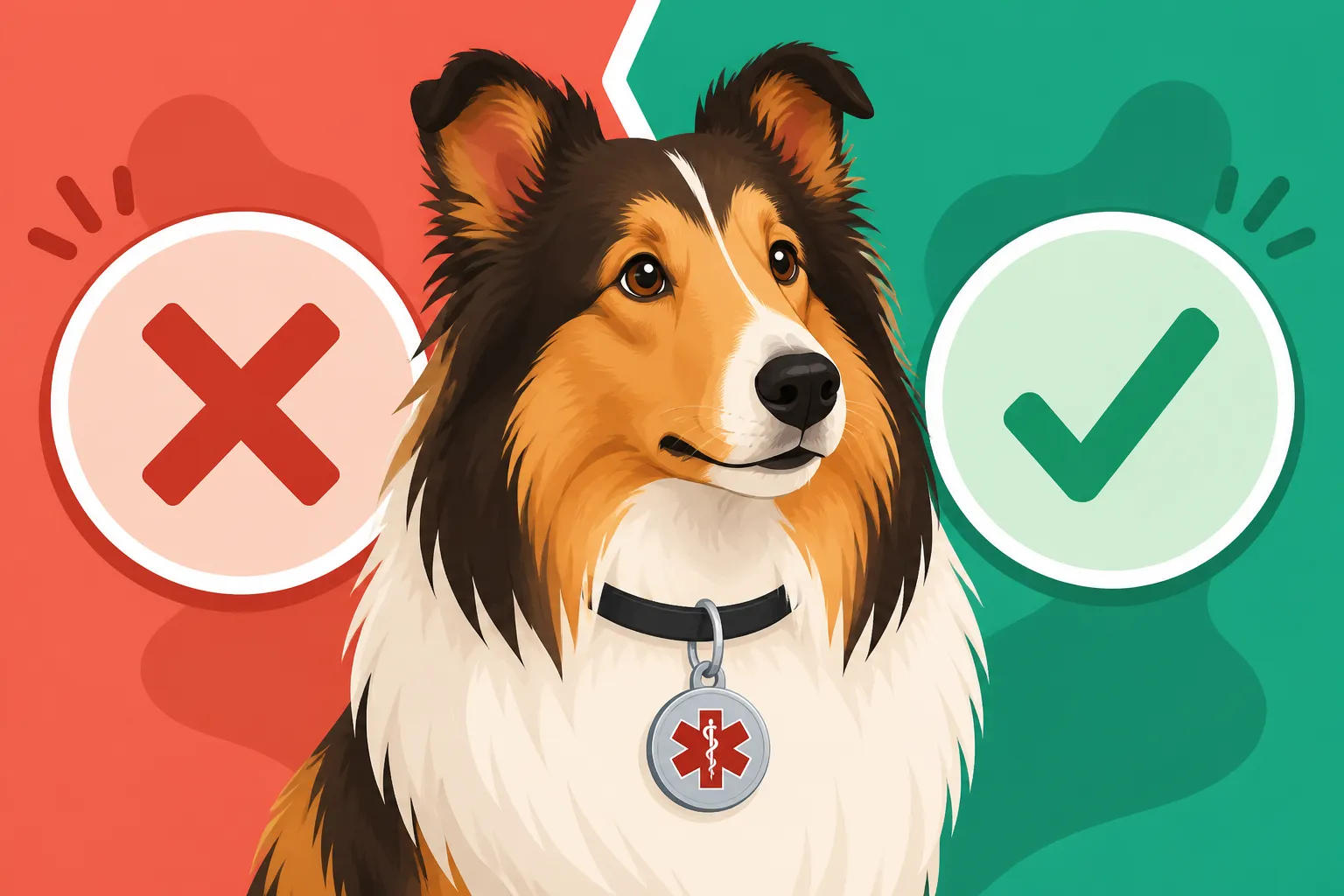
The Multidrug Resistance 1 (MDR1) gene mutation is perhaps the most well-known and critical health concern for Collies. This genetic quirk affects how certain common medications are processed, leading to severe, often fatal, neurological reactions if the wrong drugs are administered. Imagine the terror of your Collie being rushed to an emergency vet after an accident, only for them to unknowingly be given a medication that could kill them. It’s a terrifying scenario, and it’s precisely why a medical tag stating "MDR1 Sensitive" or "MDR1 Affected" is paramount. It’s a direct warning that bypasses any delay in accessing their medical records.
Many owners have learned firsthand the painstaking efforts required to educate every vet, every groomer, and even every pet sitter about this mutation. Even seasoned veterinarians might not immediately recall the comprehensive The Drug List That Can Kill a Collie off the top of their heads in a stressful emergency. A simple, clear statement on a tag can be the difference between appropriate care and a tragic mistake. It’s not about undermining professional care, but about empowering emergency personnel with immediate, life-saving information.
Highlighting Other Breed-Specific Health Concerns
Beyond MDR1, Collies can be prone to other conditions that might warrant a quick heads-up on a medical tag, especially if they are severe or require immediate specialized attention. For instance, some Collies might suffer from Collie Eye Anomaly Affects Most Collies, So Ask How Badly, though this is less critical for emergency medical care. More pressing might be conditions like epilepsy or a history of bloat. If your Collie has Epilepsy in the Collie and is prone to seizures, a tag could alert responders to this condition, prompting them to monitor for seizures or take precautions.
Similarly, if your Collie has a history of gastrointestinal issues or has undergone a preventive gastropexy for Bloat in a Deep Chested Collie, this information could be beneficial. While you can't list everything, choosing the most impactful, urgent conditions for a tag is a smart move. Think about what single piece of medical information would most significantly alter immediate emergency treatment if your regular vet isn't available.
What Information to Include on a Collie's Medical Tag
Deciding what to engrave on such a small piece of real estate can feel like a daunting task. You want to provide enough crucial information without making it too cluttered or overwhelming for someone to read quickly. It’s a balance between brevity and clarity, focusing on the most actionable data that a rescuer or emergency vet would need.
Essential Contact and Identification Details
The most fundamental purpose of any dog tag is identification, and a medical tag is no different. Your Collie should always have their name, your phone number, and ideally, a secondary contact number. This allows anyone who finds them to quickly reunite you. However, a medical tag needs to go a step further. Listing your veterinarian's name and phone number is incredibly helpful, as they hold your Collie’s complete medical history. In an emergency, first responders or an unfamiliar vet can contact them for vital details.
Consider including your home address if space allows, especially if your Collie is prone to escaping or wandering. You might also add a microchip number, although this is usually something a vet scans for. The idea is to have multiple layers of identification. Many pet insurance providers, like Healthy Paws, also emphasize the importance of visible ID tags, not just for reuniting pets, but for streamlining emergency care should something happen while you're away from home.
Prioritizing Key Medical Alerts
This is where the "medical" part of the tag really shines for Collies. As discussed, "MDR1 Sensitive" or "MDR1 Affected" is non-negotiable for a Collie medical tag. This single phrase can prevent a catastrophe. You might also add "See Vet for Drug List" to prompt further inquiry. If your Collie has a severe allergy to a common medication or food ingredient, that would also be a critical piece of information.
For other conditions, consider their immediate impact. For example, if your Collie is diabetic and requires insulin, a tag saying "Diabetic – Insulin Dependent" could be vital. If they have a known seizure disorder, "Epileptic – Prone to Seizures" could alert rescuers to specific symptoms or immediate needs. The goal is to provide information that dictates or significantly alters immediate treatment in a crisis situation.
Here's a quick reference for information to consider for your Collie's medical tag:
| Category | Essential Information | Optional/Helpful Information |
|---|---|---|
| Identification | Collie's Name, Your Phone # | Secondary Phone # (e.g., partner, emergency contact), Home Address |
| Medical Alert (Collie-Specific) | MDR1 Sensitive / MDR1 Affected | See Vet for Drug List, Allergies (e.g., "Penicillin Allergy") |
| Medical Alert (General) | Diabetic, Epileptic, Heart Condition | Specific Medication Name (if critical & regularly given), "Needs Meds" |
| Veterinary Info | Your Vet's Name & Phone # | (Less common on tag, usually in records) |
| Other | Microchip Number | Pet Insurance Provider (e.g., Healthy Paws) |
Types of Medical Tags and Where to Get Them
Just like collars and leashes, medical tags come in a variety of styles and materials. The best one for your Collie will depend on factors like how much information you need to convey, your dog's activity level, and your personal preference. What's most important is that the tag is durable, legible, and securely attached.
Engraved Metal Tags
These are the classic, most common type of dog tag. They are typically made from stainless steel, brass, or aluminum and are engraved with your chosen text. They are durable and relatively inexpensive. For a Collie, a good quality engraved metal tag, like those from local pet stores or online retailers such as Chewy or Amazon, is usually sufficient. The downside is limited space; you can only fit so many lines of text, which means you have to be very concise with your medical alerts.
When choosing an engraved tag, opt for a deeper engraving rather than a laser etching, as the latter can wear off more quickly, especially on an active Collie. Consider the size of the tag as well – you want it large enough to be easily read but not so large that it bothers your dog or gets caught on things. Some companies, like Boomerang Tags, offer flat tags that attach flush to the collar, which can be less noisy and less prone to getting snagged.
Silent/Slide-On Tags and Silicone Tags
If the jingle-jangle of traditional tags annoys you or your Collie, silent tags are a fantastic alternative. These often slide directly onto the collar, eliminating noise and reducing the chance of them getting lost or snagged. These can be particularly good for a Rough Collie whose abundant coat might obscure a dangling tag. Silicone tags are another quiet option, often coming in bright colors that can make them more noticeable. Some silicone tags allow for custom text inserts, offering more space than traditional engraved tags.
You can often find these types of tags through specialized pet supply websites or at larger pet retailers. Their main advantage is their durability against wear and tear from friction and their silent nature. However, ensure the text is still clearly visible against the material, as some colors or textures can make legibility a challenge.
QR Code and USB Tags for More Information
For Collies with multiple or complex medical needs, a standard engraved tag simply might not offer enough space. This is where modern QR code tags and USB tags come step in. A QR code tag typically has a small, scannable code that links to an online profile you create for your dog. This profile can store extensive information: full medical history, medication lists, emergency contacts, vet details, insurance information (like your Healthy Paws policy number), and even photos. Similarly, USB tags contain digital files with the same data.
While incredibly comprehensive, these options rely on the rescuer having a smartphone to scan the QR code or a computer to access the USB. This might not be immediately available in every emergency scenario, especially in a chaotic roadside situation. Therefore, it's often best to combine a QR code tag with a concise, traditionally engraved tag that covers the absolute basics (e.g., "MDR1 Affected – Scan for full details"). This ensures that critical information is always immediately visible, even without technology.
Integrating Medical Tags with Other Safety Measures
A medical tag is a powerful tool, but it's just one piece of a comprehensive safety strategy for your Collie. Think of it as part of a multi-layered defense system, each element reinforcing the others to give your dog the best possible chance in an emergency.
Microchipping and Vet Record Flags
Every Collie should be microchipped, and it’s a legal requirement in many places. While a microchip doesn’t offer immediate visual information like a tag, it’s a permanent form of identification that can’t be lost. It's crucial to ensure your microchip registration information is up-to-date with your current contact details. Beyond the microchip, it's vital to have your veterinarian flag your Collie's chart with prominent medical alerts, especially for conditions like MDR1 sensitivity. This helps ensure that anyone looking at your Collie's file will immediately see the warnings.
When you enroll with a pet insurance provider like Healthy Paws, they often emphasize the importance of both microchipping and having clear medical records, as these streamline the claims process and ensure proper care. A conversation with your vet about How a Collie Owner Tells the Vet About MDR1 and other concerns should include discussing how to effectively flag their chart.
Emergency Preparedness and Communication
Having a medical tag is fantastic, but what if your Collie is found by someone who doesn't immediately check their tag, or isn't familiar with its significance? This is where broader emergency preparedness comes in. Always have a "Go Bag" or an emergency kit for your Collie, especially when traveling. This bag could contain copies of their medical records, a list of their medications, your vet's contact information, and proof of their microchip. You might even include a note clearly stating "My Collie has the MDR1 mutation" in a prominent place.
Educating everyone who spends time with your Collie – pet sitters, family members, dog walkers – about their specific medical needs is also paramount. A medical tag is a backup, but direct communication is always the first line of defense. Consider creating a laminated card with your Collie's critical medical info and contact details that you can give to anyone caring for your dog, or even keep in your own wallet. For a more detailed look into what to carry, check out What a Collie Owner Should Carry to an Emergency Visit.
Ensuring the Tag's Effectiveness and Durability
A medical tag is only as good as its readability and presence on your Collie's collar. It's not a set-it-and-forget-it item; regular checks are necessary to ensure it remains a reliable source of information. After all, what good is a tag with vital details if it's too faded to read or has gone missing?
Regular Inspection and Maintenance
Your Collie's tag will be exposed to all sorts of elements and wear and tear, especially if they are an active dog. Make it a habit to check their medical tag regularly – at least once a month. Look for signs of fading, scratching, or cracks in the material. Engraving can wear down over time, particularly on softer metals like aluminum. If the text becomes difficult to read, it's time for a replacement.
Also, check the integrity of the attachment mechanism, whether it's a split ring, an S-hook, or a slide-on design. These can weaken or become loose, leading to the loss of the tag. It's a small check that takes mere seconds but can prevent a huge headache and potential risk for your Collie. Think of it as part of their routine grooming and health check-up, just like checking for mats or trimming nails.
Positioning for Visibility
For Rough Collies, whose majestic coats are truly glorious but also incredibly dense, positioning of the tag is crucial. A dangling tag can easily get lost within the profuse ruff around their neck, making it difficult for someone to spot and read quickly. Consider a slide-on tag that lies flat against the collar, or ensure a traditional tag is positioned on the underside of the neck where it might be less obscured by the mane.
Brightly colored tags can also aid visibility, especially if your Collie has a darker coat. The goal is to make the medical information as accessible and immediate as possible. If someone finds your Collie in distress, you want them to see that critical medical alert at first glance, without having to dig around in their fur.
Disclaimer
The information provided in this article is for general informational purposes only and does not constitute veterinary advice. Always consult with a qualified veterinarian for any health concerns or before making any decisions about your Collie's medical care.