What a Collie Owner Should Carry to an Emergency Visit
Facing a sudden veterinary emergency with your beloved Collie is one of the most terrifying experiences a dog owner can endure. The panic, the rush, the fear for your dog's well-being – it's all-consuming. This guide is here to walk you through exactly what to gather and carry with you when you need to rush your Collie to the emergency vet, ensuring you're as prepared as possible during a highly stressful time.
The Panic of a Collie Emergency: Why Preparation Matters
When your Collie suddenly falls ill or suffers an injury, every second feels like an hour. The last thing you want to be doing is scrambling for paperwork or trying to remember crucial details about their medical history while your heart races. Being prepared isn't about expecting the worst, but rather about empowering yourself to act swiftly and effectively when the unexpected happens, providing the best possible outcome for your furry family member.
Understanding the Unique Challenges of Collie Health
Collies, with their gentle nature and stunning looks, come with a few genetic quirks that make emergency preparedness even more critical. Many Collies carry the MDR1 gene mutation, for example, which makes them incredibly sensitive to certain common medications that can be lethal if administered incorrectly. This isn't just a minor intolerance; it's a life-or-death situation that demands immediate, informed action from you and your veterinary team. Similarly, deep-chested breeds like Collies are at a higher risk for conditions like bloat, a gastric emergency that can kill within hours. Knowing these specific risks and having your Collie's health information at your fingertips can literally mean the difference between life and death, allowing the emergency vet to bypass guesswork and administer the correct treatment without delay. The more you know and the more information you can provide, the better equipped the vet will be to help your Collie.
The Importance of a Grab-and-Go Emergency Kit
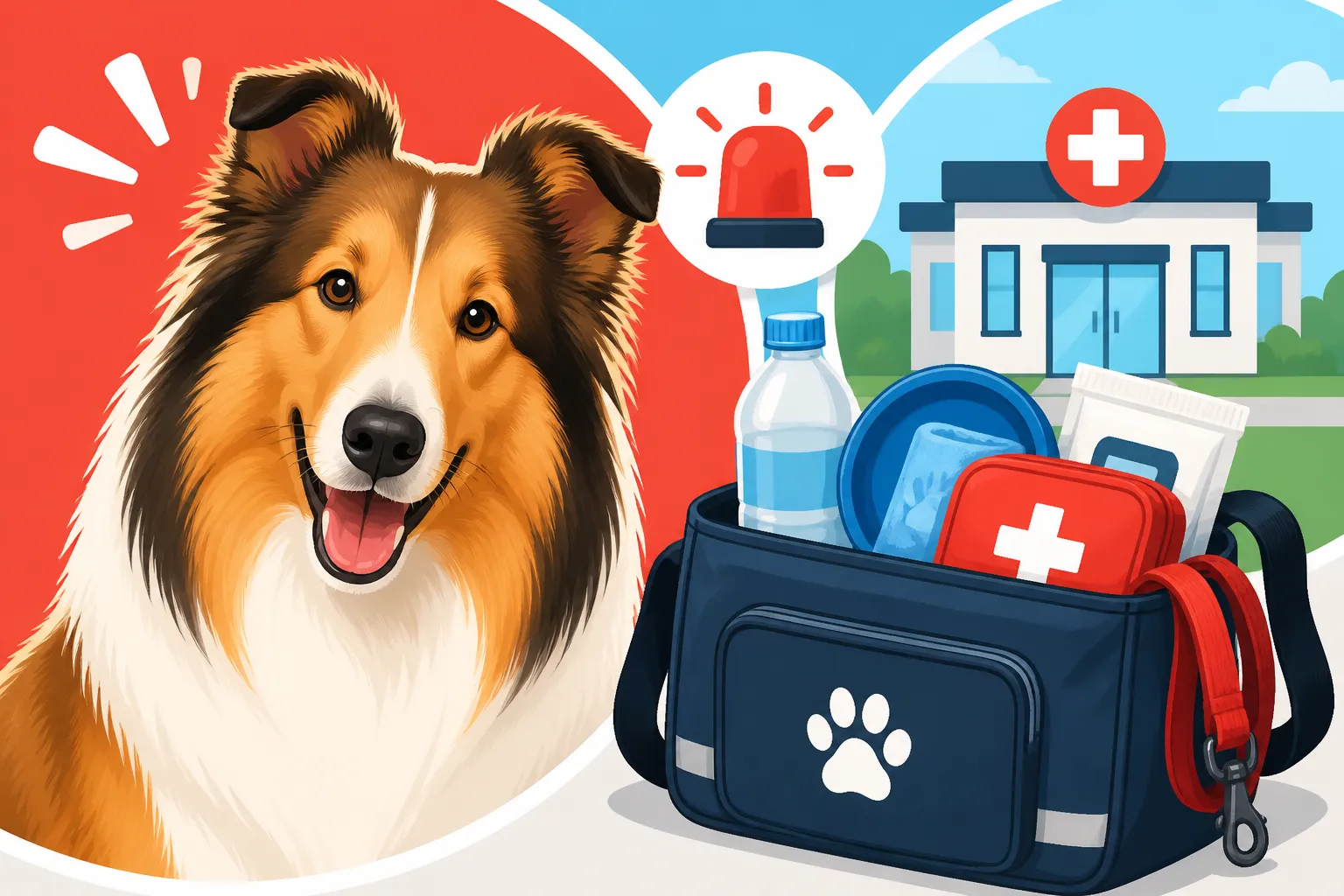
Imagine this scenario: it's 2 AM, your Collie is suddenly struggling to breathe, and you're racing out the door. In that moment of sheer terror, remembering every piece of critical information or searching for a specific document is nearly impossible. That's where a pre-packed, grab-and-go emergency kit comes in. This isn't just a convenience; it's a lifesaver. Having a designated bag with all essential documents, medications, and comfort items means you can focus solely on your Collie, knowing that everything the vet needs is already organized. It reduces the mental load on you, making a harrowing experience slightly less chaotic and allowing you to remain a calm, effective advocate for your dog.
Essential Documents and Information for Your Vet
When you arrive at an emergency clinic, the veterinary staff don't know your Collie. They need a quick, accurate snapshot of their health history to make the best decisions. This is where your organized documents become invaluable.
Comprehensive Medical Records are Your Collie's Voice
Think of your Collie's medical records as their autobiography, detailing their health journey. These records need to be up-to-date and easily accessible. Ideally, you should have both digital copies (on your phone or easily shareable via email) and a physical printout in your emergency kit. What should these records include?
- Vaccination History: Dates of last rabies, distemper/parvo, kennel cough, leptospirosis, and other relevant vaccinations. This ensures the vet knows your Collie's immunity status and whether any symptoms could be related to preventable diseases.
- Previous Diagnoses and Conditions: Any chronic conditions, past illnesses, or significant diagnoses. For example, if your Collie has a history of Collie Eye Anomaly Affects Most Collies, So Ask How Badly or was diagnosed with Dermatomyositis and the Collie Risk Panel, this information is crucial as it might influence their current symptoms or potential treatments. Even if it seems unrelated, knowing a full history paints a complete picture.
- Surgical History: Dates and details of any past surgeries, including spay/neuter, teeth extractions, or more complex procedures. Any post-operative complications should also be noted.
- Allergies: A clear list of any known allergies your Collie has, whether to medications, specific foods, or environmental factors. An allergic reaction could mimic other severe conditions, or knowledge of an allergy could prevent the vet from administering a contraindicated drug.
- Medications and Supplements: A detailed list of all current medications, including dosage, frequency, and the condition they're treating. Don't forget any supplements they might be taking, as even natural supplements can interact with prescription drugs.
Having these details compiled means the emergency vet doesn't have to spend precious minutes calling your regular vet (who might be closed anyway) or trying to piece together information from a distressed owner.
The Critical MDR1 Drug List
This point cannot be stressed enough for Collie owners. The Multi-Drug Resistance 1 (MDR1) gene mutation is prevalent in Collies, and it makes them highly sensitive to a range of common veterinary medications. These drugs, which are perfectly safe for most other breeds, can cause severe neurological damage, coma, or even death in an MDR1-affected Collie. It’s absolutely vital to carry a comprehensive list of these contraindicated drugs.
Even if you've already had your Collie tested for MDR1 (and if you haven't, please consider it; knowing their status is empowering), and you Assume Your Collie Has the MDR1 Mutation, having this list on hand is non-negotiable. You need to be able to tell any new vet or emergency clinic staff exactly which drugs your Collie must never have. We're talking about drugs like ivermectin, loperamide (Imodium), acepromazine, and many others found on The Drug List That Can Kill a Collie. This list should be printed clearly, perhaps laminated, and kept prominently in your emergency bag. It's also a good idea to ensure your regular vet has this flagged in your Collie's chart, but during an emergency, don't rely solely on that. Be your Collie's advocate. Having this written list to hand to an emergency vet, along with a note about Which Drugs an MDR1 Collie Must Never Have, will ensure they are immediately aware of this critical genetic sensitivity.
Insurance Information and Contact Details
Emergencies can be incredibly expensive, and the last thing you want to worry about when your Collie is in distress is how you're going to pay for it. This is why having pet insurance is such a relief for many Collie owners. If you have pet insurance, like Healthy Paws, make sure you have your policy number, the insurer's contact information, and details about your coverage readily available. This can save you from trying to dig through emails or call customer service while managing a crisis. Many policies, including those from Healthy Paws, allow for direct payment to the vet or quick reimbursement, which can ease the financial burden significantly. Knowing these details can also help the vet team understand your financial options and discuss treatment plans accordingly.
Beyond insurance, keep a list of important contact numbers:
- Your regular veterinarian's clinic name and phone number (even if they're closed, their answering service might provide useful information).
- The emergency veterinary clinic's address and phone number (if you have a preferred one).
- Emergency contacts for yourself, in case you're incapacitated or need someone else to make decisions.
Medications and Supplies Your Collie Might Need
Beyond the paperwork, certain physical items can make a huge difference in an emergency situation, both for your Collie's treatment and their comfort.
Current Prescriptions and Supplement List
If your Collie is on any ongoing medications, especially for chronic conditions, bring them with you. Even if the emergency vet won't administer them immediately, seeing the actual medication bottles provides crucial information about dosage, formulation, and prescription history. This is particularly important if your Collie suffers from Epilepsy in the Collie and is on anti-seizure medication; the emergency vet will need to know the exact drug and dosage to avoid interactions or manage breakthrough seizures. If you can't bring the actual medications, a clearly written list with drug names, dosages, frequency, and the reason for administration is the next best thing. Don't forget any herbal remedies or supplements, as these can also have unforeseen interactions with emergency treatments.
Comfort Items for Your Stressed Collie
Emergency vet clinics are inherently stressful environments. They're unfamiliar, often noisy, and filled with strange smells and worried people. Collies are known to be sensitive dogs, and this stress can exacerbate their condition or make examination difficult. Bringing a familiar comfort item can provide a small anchor of familiarity in a disorienting situation.
- Favorite Blanket or Towel: Something that smells like home and you. This can be used to line their carrier or a bed in the exam room, offering a comforting scent and a soft place to rest.
- Small, Favorite Toy: A small, soft toy can offer a sense of security. Avoid anything that could be a choking hazard if your Collie is distressed and prone to chewing.
- An Unwashed Item of Your Clothing: The scent of their owner can be incredibly calming for a stressed dog. An old T-shirt or sock, even if placed near them, can provide reassurance.
These items aren't just for emotional support; a calmer Collie is often easier for the veterinary staff to examine and treat, leading to better care outcomes.
Water and a Collapsible Bowl
It seems simple, but fresh water is often overlooked in the rush. Your Collie might be dehydrated, or may need to take medication. Emergency clinics will have water, of course, but having your own familiar bowl and a bottle of water ensures immediate access and comfort, especially if you're waiting for a prolonged period. A collapsible silicone bowl is lightweight and takes up minimal space in your emergency kit.
Practical Items for the Owner's Peace of Mind
While your Collie is the priority, don't forget about your own needs. Being able to function effectively will allow you to be a better advocate for your dog.
Personal Identification and Payment Methods
You'll need your driver's license for identification and any necessary paperwork. More importantly, have multiple forms of payment ready. This might include credit cards, debit cards, or even some cash. As mentioned, veterinary emergencies can be costly, and you don't want to be in a position where you can't pay for immediate, life-saving care. Some clinics might require a deposit upfront, particularly for complex procedures. Having a few options helps ensure you're covered.
Phone Charger and a Notepad
Emergency visits can stretch on for hours, sometimes through the night. Your phone will be your lifeline for updates from the vet, contacting family, or even just distracting yourself during agonizing waits. A portable power bank or a wall charger is essential.
A small notepad and pen are also incredibly useful. In stressful situations, it’s easy to forget details or mix up instructions. Write down:
- What the vet tells you about your Collie’s condition and prognosis.
- Any questions you have.
- Instructions for aftercare or follow-up appointments.
- Medication schedules.
This documentation will be invaluable once you're home and trying to remember everything.
A Small Snack and Drink for Yourself
You might be at the clinic for hours without access to food or drink, especially if it's late at night. A small, non-perishable snack (like a granola bar) and a bottle of water can keep your energy levels up and prevent you from feeling faint or overly weak, allowing you to remain clear-headed for your Collie.
Preparing for Specific Collie Emergencies
Knowing what specific health issues Collies are prone to can help you recognize early signs and be better prepared for a vet visit focused on those conditions.
Recognizing and Responding to Bloat
Bloat, or Gastric Dilatation-Volvulus (GDV), is a terrifyingly rapid and fatal condition if not treated immediately. It's more common in large, deep-chested breeds like Collies. While this guide focuses on what to carry, understanding the signs means you'll know when to carry your emergency kit to the car and hit the road. If your Collie starts pacing, retching non-productively, has a distended abdomen, or is generally distressed, these are critical Signs a Collie Is Bloating. Don't wait. Grab your bag and go. For more in-depth knowledge, understanding Bloat in a Deep Chested Collie can help you recognize risk factors and symptoms. Your preparedness means you won't waste a second trying to remember symptoms or gather items once you see these signs.
Managing an MDR1 Drug Reaction
A drug reaction due to the MDR1 mutation is another reason why your pre-prepared information is crucial. If your Collie is showing Signs an MDR1 Collie Is Having a Drug Reaction, such as neurological symptoms like disorientation, excessive salivation, blindness, ataxia (loss of coordination), or seizures, you need to get to an emergency vet immediately. Having your MDR1 drug list in hand ensures that even if you're too distraught to speak clearly, the vet staff will quickly understand the immediate, life-threatening risk and can tailor their treatment. The seconds saved by your preparation can directly impact recovery.
When to Seek Emergency Care vs. Urgent Care
It's not always clear whether a situation warrants a full-blown emergency visit or if it can wait for your regular vet's hours or an urgent care appointment. Here’s a general guide:
Emergency Care (Go NOW):
- Severe bleeding that doesn't stop with pressure.
- Collapse or sudden weakness.
- Difficulty breathing (gasping, blue gums, struggling).
- Suspected bloat (non-productive retching, distended abdomen).
- Uncontrolled seizures or clusters of seizures.
- Severe trauma (hit by car, bad fall).
- Swallowing toxins (poison, medication, dangerous food).
- Inability to urinate or defecate (especially in males, could be a blockage).
- Extreme pain (crying out, aggressive when touched).
Urgent Care (Call your vet/urgent care for advice, might not need ER):
- Mild limping or lameness.
- Minor cuts or scrapes.
- Vomiting or diarrhea without other severe symptoms (especially if still eating/drinking).
- Ear infections or minor skin rashes.
- Mild lethargy or loss of appetite (if not persistent or severe).
When in doubt, always call your veterinary clinic or emergency vet for advice. They can help you triage the situation over the phone and tell you whether to rush in.
Here’s a quick checklist to help you pack your emergency bag:
| Category | Item | Notes |
|---|---|---|
| Collie's Medical Docs | Up-to-date Vaccination Records | Proof of current rabies, distemper, etc. |
| List of Diagnoses/Conditions | Include dates, severity, and treatments (e.g., CEA, Dermatomyositis). | |
| Surgical History | Dates and details of any past operations. | |
| Known Allergies (Food/Medication) | Crucial for preventing adverse reactions. | |
| MDR1 Specific | Printed MDR1 Drug List | Clear, concise list of drugs to avoid for your Collie. |
| Collie's MDR1 Test Results | If tested, a copy of the official results. | |
| Medications & Comfort | Current Prescription Meds | In original bottles if possible, or detailed list of name, dose, frequency. |
| List of Supplements | Include dosage and reason for administration. | |
| Small, Familiar Blanket/Towel | For comfort and warmth. | |
| Favorite Soft Toy | For reassurance, if appropriate. | |
| Collapsible Water Bowl & Bottled Water | For immediate hydration needs. | |
| Owner's Essentials | Photo ID | Driver's license or other valid identification. |
| Multiple Payment Methods | Credit cards, debit cards, cash for potential deposits/treatment. | |
| Pet Insurance Information | Policy number, customer service contact for Healthy Paws or other provider. | |
| Phone Charger (Portable/Wall) | Keep your communication lifeline charged. | |
| Notepad and Pen | To jot down vet instructions and questions. | |
| Small Snack & Drink for Yourself | To maintain your energy during long waits. | |
| Contact Info | Your Regular Vet's Info | Clinic name, address, phone number. |
| Emergency Vet's Info | Clinic name, address, phone number (if different from current location). | |
| Emergency Contact Persons | Family/friends who can help. |
Disclaimer
The information provided in this article is for educational purposes only and is not intended to be a substitute for professional veterinary advice, diagnosis, or treatment. Always seek the immediate advice of your veterinarian or other qualified animal health provider with any questions you may have regarding a medical condition or emergency with your Collie.