Which Drugs an MDR1 Collie Must Never Have
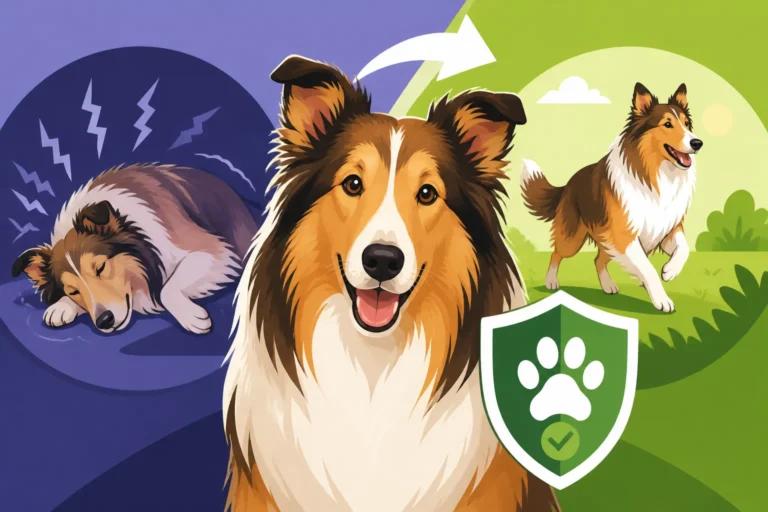
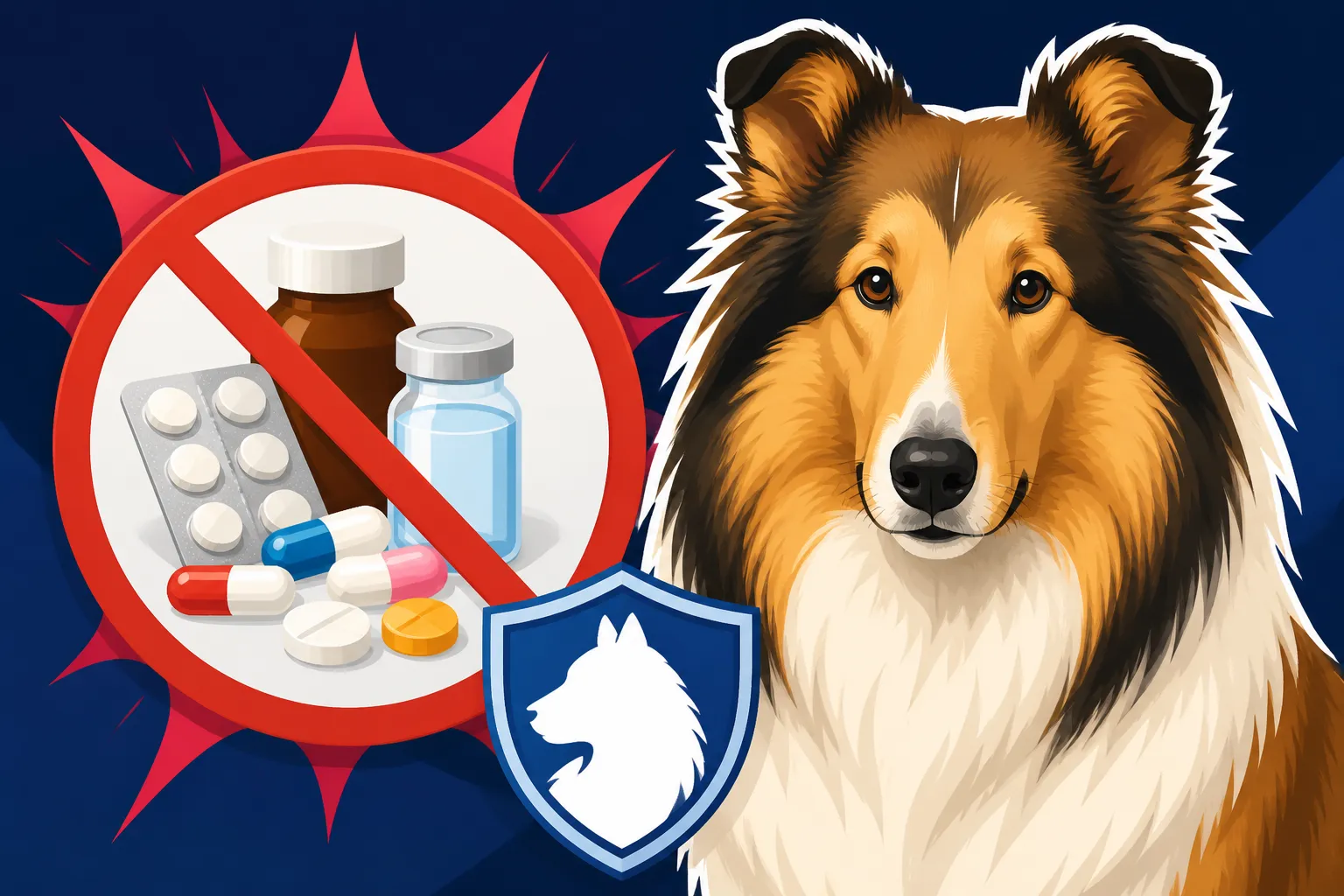
Standing in a veterinary clinic while reading a list of medications that could unexpectedly poison your dog is one of the most stomach-churning experiences a Collie owner can face. The Multi-Drug Resistance 1 mutation fundamentally alters how your dog processes everyday pharmaceuticals. This comprehensive guide outlines the exact drugs an MDR1 Collie must never have, explains the science behind drug sensitivity, and provides actionable steps to keep your dog safe during routine and emergency care.
Understanding the MDR1 Mutation and the Blood-Brain Barrier
How the P-Glycoprotein Pump Fails
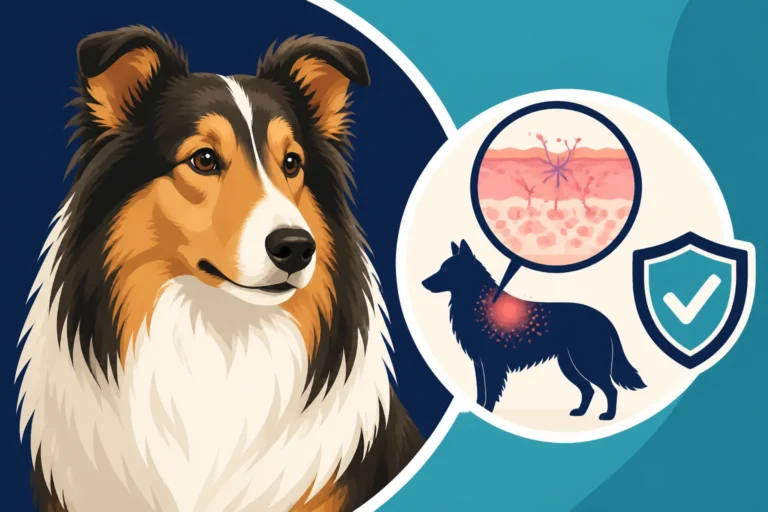
To understand why certain medications pose a lethal threat to your dog, you have to look at the blood-brain barrier. In a normal, healthy dog, a specialized transport protein called P-glycoprotein acts as a strict security guard at the cell membranes. This protein actively pumps foreign substances, toxins, and specific medications out of the brain tissue and back into the bloodstream so the liver and kidneys can safely flush them away. It is a brilliant natural defense mechanism designed to keep delicate neurological tissue safe from circulating poisons.
When a Collie carries the gene mutation known as ABCB1-1Delta (commonly called the MDR1 mutation), the code for creating this functional protein is broken. Without operational P-glycoprotein pumps, the blood-brain barrier becomes porous to specific chemical compounds. Instead of being actively repelled, these drugs cross directly into the central nervous system, accumulating in high concentrations within the brain and spinal cord. Understanding What the MDR1 Mutation Actually Does to a Collie is the essential first step toward recognizing why a simple dose of medicine can turn into a life-threatening crisis.
When these toxins enter the central nervous system unchecked, the dog experiences severe neurotoxicity. What should have been a standard therapeutic dose of medication suddenly functions as an unchecked poison. The loss of this single biological flushing system is the root cause behind the long list of restricted drugs every Collie owner must memorize or keep on hand.
Why Certain Medications Become Neurotoxic
Neurotoxicity occurs when a drug accumulates in the brain tissue at levels far exceeding therapeutic intent. In a dog with functional P-glycoprotein pumps, a drug might enter the brain in tiny amounts, but the pumps constantly clear it out, maintaining a safe, low concentration. In an MDR1-affected dog, the drug enters and simply stays there, building up with every passing minute as the liver processes the rest of the body’s supply far too slowly to prevent central nervous system overload.
The symptoms of this drug accumulation are heartbreaking and terrifying to watch. They typically begin with subtle neurological signs such as drooling, dilated pupils, and mild disorientation. As concentrations rise, the dog loses coordination, entering a state known as ataxia where their hind legs wobble like they are intoxicated. If the medication remains in the system, this progresses to tremors, blindness, complete inability to stand, seizures, respiratory depression, coma, and ultimately death.
Because the body cannot naturally pump the drug out of the brain tissue, medical intervention requires intensive supportive care, often lasting for days or weeks while the drug slowly degrades. This prolonged medical crisis is why prevention is absolute. Knowing which compounds cross that barrier allows you to shield your dog long before a syringe or pill ever touches their mouth.
The Difference Between Mutant Homozygous and Heterozygous Collies
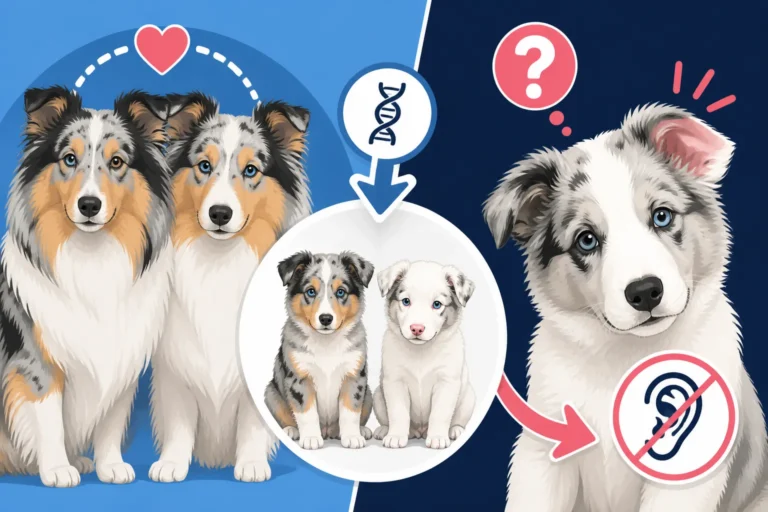
Genetics in the Collie world are rarely all-or-nothing, and the MDR1 mutation is a classic example of incomplete dominance. A dog can be tested as clear (normal/normal), mutant/mutant (homozygous affected), or mutant/normal (heterozygous carrier). Understanding where your dog sits on this spectrum dictates the level of risk they face, though prudent owners often choose to Assume Your Collie Has the MDR1 Mutation until genetic test results officially prove otherwise.
A homozygous mutant dog (mutant/mutant) has inherited two copies of the defective gene—one from each parent. These dogs produce zero functional P-glycoprotein. For a mutant/mutant Collie, high-risk drugs like high-dose ivermectin or loperamide are strictly forbidden, as even minute amounts can trigger catastrophic neurotoxicity. They possess no built-in defense mechanism against these specific chemical classes, making strict avoidance the only safe path forward.
A heterozygous carrier dog (mutant/normal) possesses one intact gene and one mutated gene. These dogs do produce some functional P-glycoprotein, but at significantly reduced levels compared to a normal dog. While they can tolerate standard preventive doses of certain medications better than homozygous dogs, they remain vulnerable to toxicity at higher therapeutic dosages. Vet teams must exercise extreme caution with carrier dogs as well, often adjusting drug protocols down or choosing alternative medications entirely to eliminate any margin of error. It is always critical to evaluate Whether One Copy of MDR1 Is Enough to Harm a Collie when reviewing treatment plans with your practitioner.
MDR1 GENETIC STATUS COMPARISON
| Genetic Status | Gene Copies | P-Glycoprotein Function |
|---|---|---|
| Clear (Normal/Normal) | Two functional genes | 100% Normal clearing capacity |
| Carrier (Mutant/Normal) | One functional gene | Partial clearing capacity (~50%) |
| Affected (Mutant/Mutant) | Zero functional genes | 0% Functioning transport pumps |
High-Risk Antiparasitics and De-Wormers
Ivermectin and High-Dose Avermectins
Ivermectin is the drug that historically brought the MDR1 mutation to light. In the late twentieth century, veterinarians noticed that while most dog breeds tolerated high doses of ivermectin given for demodectic mange or severe parasite infestations, Collies routinely suffered severe neurological collapse or died after receiving the exact same dosage. We now know that avermectins rely almost entirely on P-glycoprotein to keep them out of the mammalian central nervous system.
For an MDR1-affected Collie, receiving a high therapeutic dose of ivermectin—such as the dosage used to treat skin mites or generalized mange—is frequently fatal. The drug flooded into the brain tissue, binding to GABA receptors and shutting down central nervous system function. Observing What Happens When an MDR1 Collie Gets Ivermectin at these elevated levels remains one of the classic, textbook cases of veterinary toxicological emergencies.
Other drugs in the avermectin family, including doramectin, abamectin, and eprinomectin, share this exact same chemical structure and metabolic pathway. None of these compounds should ever be administered to an MDR1 Collie in large doses. Even livestock formulations or farm run-off containing ivermectin—such as horse wormer paste or fresh manure from recently treated livestock—pose an extreme, immediate threat to a curious Collie walking near barnyards.
Milbemycin, Moxidectin, and Selamectin Realities
Beyond ivermectin, the broader family of macrocyclic lactones includes milbemycin oxime, moxidectin, and selamectin. These drugs are the active ingredients in many of the most popular monthly parasite preventives on the market today. Understandably, owners often panic when they see these names on a label, worrying that every worming medication will harm their dog.
The distinction here comes down entirely to dosage. At the very low concentrations used for monthly heartworm prevention, products containing milbemycin, moxidectin, or selamectin are generally considered safe for MDR1 Collies, including homozygous mutant dogs. The FDA approval process for these specific heartworm preventives requires testing in MDR1-sensitive breeds at several times the label dose to ensure safety margins. The danger arises when these exact same active ingredients are prescribed at much higher doses to treat active parasite infections like sarcoptic mange, demodex, or intestinal hookworms.
When prescribed at high therapeutic dosages, milbemycin and moxidectin bypass what little protective buffering the body has, building up in brain tissue just like ivermectin. Therefore, while your Collie can safely take their monthly heartworm bite, they must never be given off-label, high-dose treatments using these same chemicals. Always confirm with your veterinarian that any prescribed antiparasitic sticks rigorously to standard, low-dose preventive guidelines.
Safe Heartworm Preventives Versus Dangerous Treatments
Navigating parasite prevention requires a clear distinction between monthly prophylactic care and aggressive treatment protocols. Monthly heartworm preventives formulated specifically for dogs are engineered to use tiny micro-gram amounts of active ingredients. These low doses are sufficient to eliminate microscopic heartworm larvae in the bloodstream without requiring high levels of P-glycoprotein to clear the brain tissue.
However, danger surfaces when owners inadvertently use livestock-grade antiparasitics or attempt to treat an established heartworm infection or severe mite infestation using macrocyclic lactones. High-dose treatments designed to kill adult parasites or burrowing mites push drug concentrations into the toxic range for MDR1 dogs. If a Collie contracts heartworm disease, the treatment protocol must be managed with immense care, avoiding high-dose avermectins completely.
To keep your Collie safe, stick exclusively to standard, FDA-approved canine preventives purchased directly from your veterinarian or a verified pharmacy. Never estimate doses from large-animal pastes or liquid pour-ons. By maintaining strict adherence to approved monthly doses and avoiding high-concentration treatments, you eliminate the single most common cause of accidental MDR1 poisoning.
Dangerous Sedatives, Anesthetics, and Pain Medications
Acepromazine and Tranquilizer Risks
Acepromazine is a widely used tranquilizer and sedative in veterinary medicine, often prescribed to calm anxious dogs during grooming, thunderstorms, or medical exams. However, acepromazine is heavily dependent on P-glycoprotein for proper clearance and distribution in the body. In a Collie with the MDR1 mutation, the drug’s effects are dramatically amplified and extended far beyond normal clinical parameters.
When an MDR1 Collie receives a standard dose of acepromazine, the sedative crosses into the brain in excessive quantities and remains there for an extended duration. Rather than experiencing mild sedation, the dog may suffer severe, prolonged central nervous system depression, profound hypotension (dangerously low blood pressure), and complete collapse. A dose that would simply make a Golden Retriever drowsy for a few hours can leave an affected Collie completely incapacitated for a full day or longer.
Because of this heightened sensitivity, guidelines generally recommend reducing the dosage of acepromazine by 30% to 50% in carrier dogs, and avoiding it entirely or reducing it by up to 75% in homozygous mutant dogs. Most modern veterinary professionals prefer to bypass acepromazine altogether for Collies, opting instead for safer, alternative anti-anxiety medications and sedatives that do not rely on the P-glycoprotein pathway.
Butorphanol and Opioid Sensitivity
Butorphanol is an opioid medication commonly used in veterinary clinics as a sedative, pain reliever, and cough suppressant. Like acepromazine, butorphanol relies on P-glycoprotein pumps to regulate its entry into the central nervous system and facilitate its elimination. When given to an MDR1 Collie, butorphanol produces significantly stronger and more prolonged sedation than intended.
The primary concern with opioids in MDR1-affected dogs is profound respiratory depression and excessive sedation. As the drug concentrates in the brain tissue, it dampens the brainstem’s automatic drive to breathe, leading to dangerously slow, shallow respiration. What was meant to be a routine post-operative pain controller can quickly turn into a medical emergency requiring constant monitoring and reversal agents.
If butorphanol or related opioids must be used for surgical analgesia, the dosage must be adjusted downward significantly. Many veterinarians choose alternative pain management protocols, combining non-steroidal anti-inflammatory drugs (NSAIDs) with localized nerve blocks or non-P-glycoprotein-dependent analgesics. Careful pre-operative planning ensures your Collie remains comfortable without compromising their respiratory drive.
Surgical Protocols and Safer Anesthetic Alternatives
Surgeries, dental cleans, and emergency procedures require careful anesthetic planning for any dog, but for an MDR1 Collie, the anesthesia protocol demands absolute precision. Evaluating Whether Anesthesia Is Riskier for an MDR1 Collie is a conversation every owner should have with their surgical team long before any elective procedure. The key to safe surgery lies in choosing drugs that bypass the defective transport mechanism completely.
Modern veterinary medicine offers several safe, highly effective anesthetic agents that do not depend on P-glycoprotein. Inhalant anesthetics such as isoflurane and sevoflurane are processed primarily through the lungs and respiratory system, making them exceptionally safe options for MDR1 dogs. Induction agents like propofol are rapidly metabolized by the liver without relying on brain transport proteins, allowing for smooth, controllable anesthetic induction and quick recovery times.
When planning surgery, your vet should construct a customized protocol that avoids high-risk pre-anesthetics like acepromazine and unadjusted opioids. By combining local anesthetics, propofol induction, and gas maintenance, your Collie can safely undergo necessary medical procedures with minimal risk of delayed recovery or neurological complications.
Over-The-Counter Hazards and Everyday Medications
Loperamide and Gastrointestinal Traps
One of the most dangerous, easily accessible hazards for an MDR1 Collie sits right in the family medicine cabinet: loperamide, commonly sold under brand names like Imodium. Used routinely by humans to treat simple diarrhea, loperamide is actually an opioid derivative designed to target receptors in the gastrointestinal tract. In normal humans and non-mutant dogs, P-glycoprotein keeps the drug strictly out of the brain, allowing it to calm the gut without causing central nervous system effects.
In an MDR1-affected Collie, that protective barrier fails completely. Understanding Whether Loperamide Is Dangerous to a Collie is vital, as giving standard OTC loperamide to an affected dog allows the chemical to pour directly into the brain tissue. The result is rapid, severe neurotoxicity, leading to profound sedation, loss of motor control, respiratory arrest, and potentially death.
Never give over-the-counter anti-diarrheal medications to a Collie without explicit, direct instruction from a veterinarian who is fully aware of the dog’s MDR1 status. Simple canine gastrointestinal upset can be safely managed with bland diets, veterinary-specific probiotics, or targeted prescription medications that carry no risk of crossing the blood-brain barrier. Keeping human medicine cabinets securely locked is a non-negotiable rule for every Collie home.
DRUG RISK CATEGORIZATION FOR MDR1 COLLIES
| Risk Category | Common Examples | Primary Clinical Concern |
|---|---|---|
| Extremely Dangerous | High-dose Ivermectin, | Rapid, severe neurotoxicity, coma, |
| (Strict Avoidance) | Loperamide (Imodium) | respiratory failure, death |
| Moderate High Risk | Acepromazine, | Profound over-sedation, severe |
| (Adjust Dose/Avoid) | Butorphanol, Vincristine | low blood pressure, toxicity |
| Safe at Low Doses | Monthly preventives | Tested safe at tiny, micro-gram |
| (Preventive Level) | (Milbemycin, Moxidectin) | prophylactic dosage levels |
Certain Antibiotics and Antifungals
While antiparasitics and sedatives get the most attention, several common antimicrobial medications also interact with the P-glycoprotein transport system. Fluoroquinolones—a broad class of antibiotics that includes drugs like enrofloxacin (Baytril), marbofloxacin, and ciprofloxacin—rely partly on P-glycoprotein for proper cellular transport. In MDR1 Collies, high doses of these antibiotics can increase the risk of central nervous system side effects, including lowered seizure thresholds and tremors.
Antifungal medications, particularly ketoconazole, itraconazole, and erythromycin (an antibiotic), act as potent P-glycoprotein inhibitors. Even if a Collie is only a carrier, taking these medications can temporarily shut down what little functional P-glycoprotein they have left. This creates a temporary “mutant” state where other, normally safe medications suddenly accumulate in the brain and cause unexpected toxic reactions.
When your Collie requires treatment for a bacterial or fungal infection, always remind your veterinarian of their genetic status. Safer alternative antibiotics, such as penicillins, cephalosporins, and amoxicillin, process through completely different metabolic pathways and pose no threat to the blood-brain barrier. Careful selection ensures infections are treated aggressively without risking neurological complications.
Chemotherapy Agents and Specialized Treatments
Oncology presents a complex challenge for dogs carrying the MDR1 gene. Several crucial chemotherapy drugs—most notably vincristine, vinblastine, and doxorubicin—are major substrates for P-glycoprotein. These powerful medications are designed to target rapidly dividing cells, but they require efficient liver clearance and cellular pumping to prevent severe, systemic toxicity in the rest of the body.
In an MDR1 Collie, these chemotherapy agents remain in the body at toxic concentrations for far longer than normal. The drug accumulates in healthy tissues, leading to severe bone marrow suppression, catastrophic gastrointestinal sloughing, extreme weakness, and heightened risk of fatal sepsis. Research into Whether Chemotherapy Drugs Are Riskier for a Collie shows that affected dogs require drastic dose reductions—often 30% to 50%—to prevent life-threatening complications while still providing anti-cancer benefits.
If your Collie ever faces a cancer diagnosis, working alongside a board-certified veterinary oncologist who understands MDR1 pharmacogenomics is essential. Protocols can be meticulously tailored using alternative chemotherapy agents or carefully scaled dosages, ensuring your dog receives compassionate, effective treatment without suffering severe drug-induced toxicity.
Managing Vet Visits, Emergency Care, and Insurance
Flagging Veterinary Charts and Medical Alerts
Preventing accidental drug exposure requires active, clear communication between you and your dog’s care team. You should never assume a new clinic, relief vet, or veterinary technician knows your dog’s breed risks automatically. Learning How a Collie Owner Tells the Vet About MDR1 effectively can save your dog’s life during a routine office visit or frantic emergency intake.
Start by ensuring your dog’s primary chart has a brightly colored, unmissable alert flag placed right on the front cover or top banner of their electronic record. This flag should state clearly: “MDR1 MUTANT – DO NOT ADMINISTER ACEPROMAZINE, IVERMECTIN, LOPERAMIDE, OR UNAPPROVED SEDATIVES.” Every time a technician takes your dog back for a treatment, gently re-confirm that they are aware of the MDR1 alert.
In addition to clinic chart warnings, equip your Collie with physical medical alerts. A engraved tag on their collar reading “MDR1 Gene Mutation – Drug Sensitive” alerts staff immediately if your dog is ever found loose or brought in by a Samaritan. Many owners also place brightly colored sleeve bands over their dog’s leash that clearly display their drug allergy status during public outings.
Emergency Room Preparedness and Rapid Action
Emergency veterinary clinics are high-stress, fast-paced environments where decisions are made in seconds. If your dog suffers a sudden injury, bloat, or toxic ingestion, an emergency vet may need to administer sedatives or pain medications immediately upon arrival. Being prepared in advance guarantees your Collie’s genetic risk is communicated instantly, even in the chaos of a trauma bay.
Keep a pre-printed “Emergency Medical Card” inside your glove compartment and saved as an image on your smartphone. Knowing exactly What a Collie Owner Should Carry to an Emergency Visit gives you immense peace of mind. This card should list your dog’s microchip number, exact MDR1 genotype (e.g., Mutant/Mutant), a list of strictly prohibited drugs, safe alternative medications, and your primary veterinarian’s contact details. Handing this card directly to the triage technician ensures immediate compliance with safe drug protocols.
If an accidental exposure ever occurs—such as a Collie eating horse wormer off the ground or getting into human medications—rapid action is crucial. Transport your dog to the nearest emergency facility immediately, bringing the exact package or substance they ingested. Early gastrointestinal decontamination, including induced vomiting and activated charcoal administration, can prevent the drug from ever reaching the bloodstream and crossing the compromised blood-brain barrier.
Financial Considerations and Insurance Coverage
Managing a dog with genetic sensitivities often involves specialized veterinary care, custom drug compounding, and occasionally emergency hospitalization if exposure occurs. These medical needs highlight the importance of planning ahead financially. Investing in comprehensive pet insurance early in your dog’s life ensures that financial constraints never stand in the way of optimal, safe care.
When exploring insurance options, look for providers that fully cover hereditary and genetic conditions without confusing exclusions. Companies like Healthy Paws offer policies designed to cover unexpected illnesses, emergency toxicity treatments, and specialized diagnostic testing, provided the condition was not diagnosed prior to enrollment. Having robust coverage from Healthy Paws means that if your MDR1 Collie ever requires overnight ICU monitoring or specialized non-P-gp medications, the financial burden is dramatically lightened.
Securing coverage through Healthy Paws while your Collie is still a puppy ensures that inherited breed risks are covered seamlessly across their lifespan. Knowing that a provider like Healthy Paws is standing behind your financial planning allows you to focus 100% on advocating for your dog’s safety and wellbeing, rather than stressing over emergency clinic invoices during a crisis.
MDR1 DRUG SAFETY SUMMARY & ALTERNATIVES
| Drug Class | High-Risk / Avoid | Safe Alternative Options |
|---|---|---|
| Sedatives | Acepromazine | Dexmedetomidine, Midazolam |
| Pain Relief | High-dose Butorphanol | NSAIDs, Local Nerve Blocks, Gas |
| Anti-Diarrheal | Loperamide (Imodium) | Bland Diet, Probiotics, Tylosin |
| Antiparasitics | High-dose Ivermectin | FDA-approved low-dose preventives |
Comparative Analysis of High-Risk Medications and Safe Alternatives
Understanding how to substitute high-risk medications with safe alternatives empowers you to advocate for your dog during medical consultations. The table above summarizes the primary drug categories where MDR1 Collies face extreme vulnerability, contrasting dangerous compounds with widely accepted, safe alternatives.
When discussing treatment plans with your vet, remember that managing an MDR1 Collie is not about avoiding veterinary medicine altogether. It is simply about selecting precise, modern alternatives that respect your dog’s unique biological barriers. Modern veterinary pharmacology offers a vast array of compounds that bypass the P-glycoprotein transport system entirely, allowing your Collie to receive world-class, painless, and effective medical treatment throughout their life.
By testing your Collie early, keeping physical and digital alert cards on hand, maintaining open dialogue with your veterinary team, and protecting your family with solid coverage like Healthy Paws, you transform what sounds like a scary diagnosis into a simple, manageable part of daily life. Your Collie depends on you to be their voice and guardian—and equipped with the right information, you can keep them safe, happy, and thriving for years to come.
Disclaimer
This article is for general informational purposes only and does not constitute professional advice. Laws, prices and regulations vary by location and change over time. Consult a qualified professional for guidance on your specific situation.