What Go Normal Means in a Collie’s Eye Exam
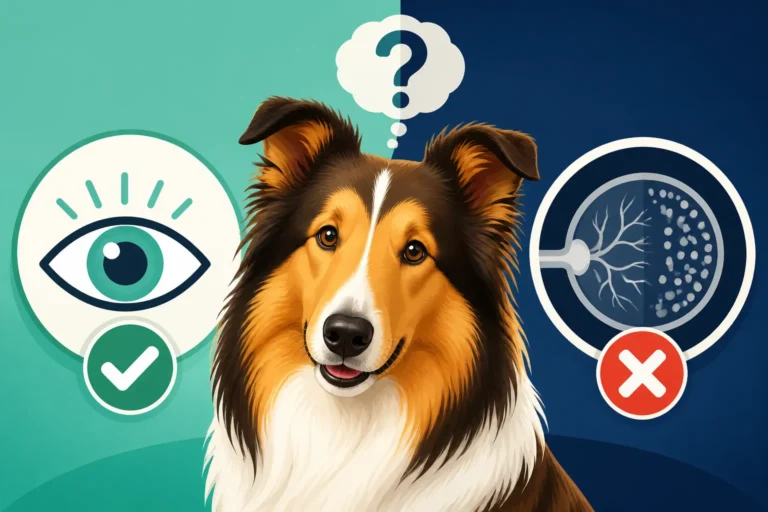
There’s a moment in every Collie puppy owner’s journey that can feel like holding your breath: the puppy eye exam. You’ve brought your tiny fluffball in, full of hope, and then the veterinary ophthalmologist says, "Your puppy has CEA, but it's a 'Go Normal'!" You hear "normal," and a wave of relief washes over you, but then your mind races. What exactly does "Go Normal" mean? Is it truly normal? What about their future? This guide is here to unravel that specific phrase, explain the science behind it, and help you understand what it means for your beloved Collie.
Understanding Collie Eye Anomaly (CEA) in Brief
Let's start by demystifying Collie Eye Anomaly, or CEA. It's one of those terms that can make any new Collie owner's heart sink, but understanding it is the first step to managing it.
What is CEA and Why is it a Concern for Collies?
Collie Eye Anomaly is a congenital, inherited developmental abnormality of the eye that affects Collies, Shetland Sheepdogs, Australian Shepherds, and a few other breeds. It’s not an infection or something they "catch"; it's something they're born with, a glitch in the blueprint, if you will. The condition affects several structures within the eye, primarily the choroid, which is the vascular layer that provides oxygen and nutrients to the retina. When a Collie has CEA, there's a thinning or underdevelopment of this layer, known as choroidal hypoplasia (CH). In some cases, it can be much more severe, leading to colobomas (defects in the optic nerve or retina), or even retinal detachment, which can cause significant vision impairment or blindness. It's prevalent enough that it’s not a question of if Collie Eye Anomaly Affects Most Collies, So Ask How Badly, but often how badly. The condition varies wildly in its expression, from barely noticeable to profoundly debilitating.
The Genetic Basis of CEA and How it's Inherited
The reason CEA is such a persistent concern in Collies is its mode of inheritance. It's an autosomal recessive genetic condition. This means that a dog needs to inherit two copies of the defective gene – one from each parent – to actually be affected by the condition. Dogs that inherit only one copy are considered carriers; they don't typically show signs of the disease themselves, but they can pass the gene on to their offspring. Thanks to modern genetics, we've identified the specific gene responsible, known as the NHEJ1 gene (sometimes referred to as the CH/CEA gene). This discovery has been a game-changer for breeders, allowing for much more informed decisions than ever before. Knowing the genetics helps us understand how to slowly, responsibly, reduce its prevalence without damaging the overall gene pool, a careful balancing act that dedicated breeders strive for.
The Importance of Early Eye Exams for Collie Puppies
This brings us to the famous (or infamous) "five to seven-week puppy eye check." There's a very specific reason why this tiny window of time is absolutely critical for Collies. During these weeks, a veterinary ophthalmologist can look at the back of the puppy's eye before certain pigment cells in the choroid fully develop. After this developmental stage, particularly by around 8 to 12 weeks of age, these pigment cells can multiply and spread, effectively covering up the signs of mild choroidal hypoplasia. This masking phenomenon is precisely what leads to the "Go Normal" diagnosis. If you wait too long, you might miss the subtle signs that indicate a puppy is indeed affected by CEA, even if their vision appears perfectly fine. This is why you'll often hear breeders emphasize that Why a Collie Puppy Is Eye Checked at Five to Seven Weeks is non-negotiable.
The Puppy Eye Exam: A Deep Dive into the Process
When you take your precious Collie puppy for their eye exam, it's more than just a quick peek. It's a specialized procedure designed to catch subtle signs that could impact their vision.
What Happens During a Five to Seven-Week Eye Check?
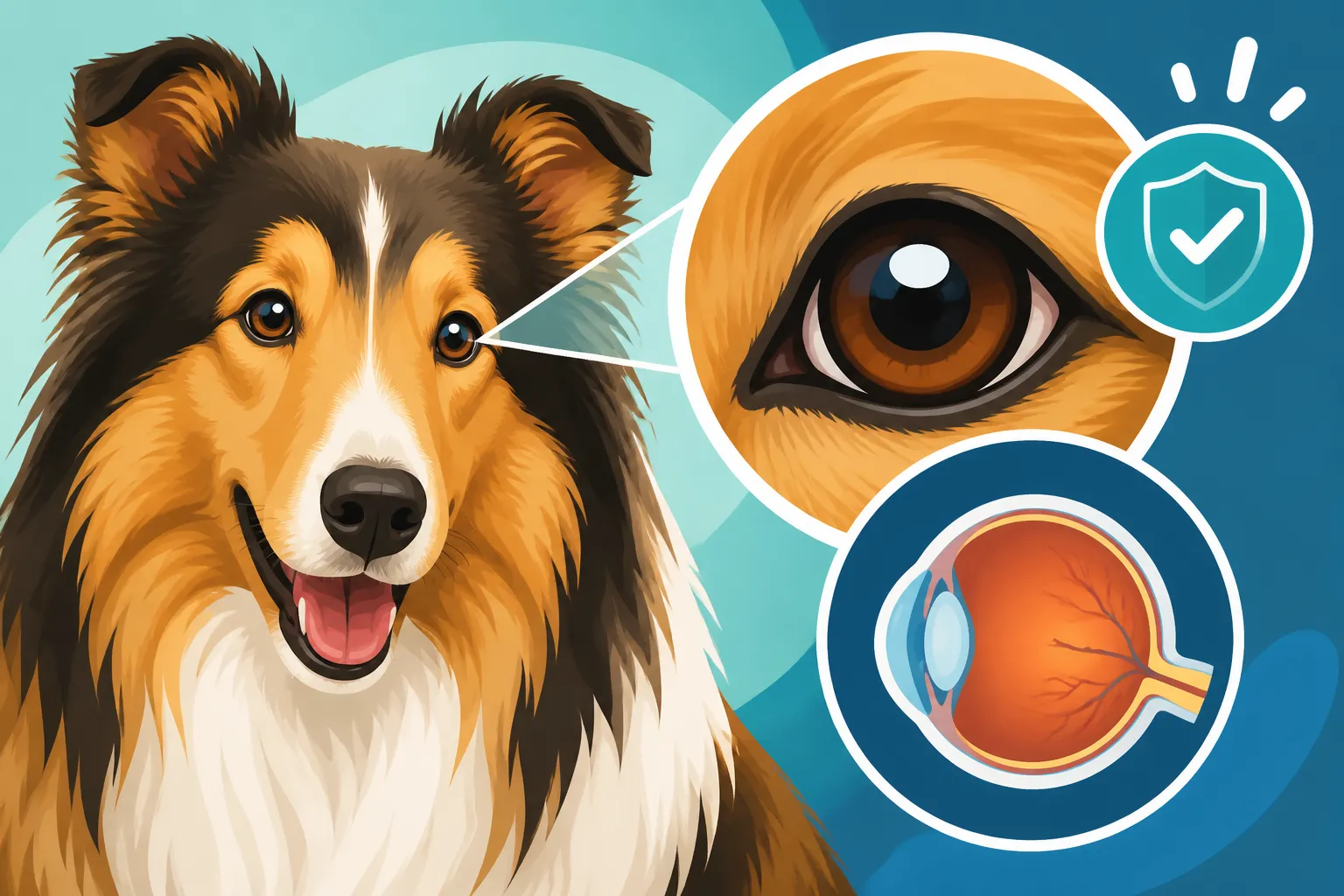
The process usually begins with dilating eye drops administered by the vet or a technician, which makes the pupil much larger, allowing for a clearer view of the back of the eye. After about 20-30 minutes, when the drops have taken effect, the veterinary ophthalmologist will take the puppy into a darkened room. Using an ophthalmoscope, a specialized instrument with a light source, they'll carefully examine the puppy's fundus – the interior surface of the eye, opposite the lens. They're looking for any abnormalities in the choroid, retina, and optic nerve. They'll methodically scan the area, noting any thinning of the choroid, any unusual folds or detachments of the retina, or any malformations of the optic nerve head. It’s a delicate process that requires a steady hand and a trained eye.
Common Abnormalities Found During a CEA Eye Exam
During this examination, the ophthalmologist is specifically looking for several tell-tale signs of CEA. The most common finding is Choroidal Hypoplasia (CH). This refers to the thinning or underdevelopment of the choroid, the layer of blood vessels and pigment beneath the retina. In mild cases, it might look like a pale area or a noticeable absence of the normal vascular pattern. This is the abnormality most likely to "go normal" as the puppy matures.
More severe forms include Colobomas, which are actual structural defects or pits in the optic nerve or retina. These are generally more concerning as they directly impact the functionality of the eye and can be associated with vision loss, depending on their size and location. A large coloboma, especially one involving the optic nerve, can lead to blind spots or even total blindness in the affected eye.
The most severe, and thankfully less common, manifestation of CEA is Retinal Detachment. This is when the retina separates from the underlying choroid. This condition is an emergency and can cause acute vision loss or total blindness in the affected eye. It's a serious complication that can sometimes stem from a large coloboma. Understanding What Collie Eye Anomaly Does to the Back of the Eye helps owners grasp the spectrum of issues.
Who Performs These Specialized Eye Exams?
While your regular veterinarian might be excellent for general care, puppy eye exams for genetic conditions like CEA are best performed by a board-certified veterinary ophthalmologist. These specialists have undergone extensive additional training beyond veterinary school, focusing entirely on diseases and conditions of the eye. They are often certified by organizations like the American College of Veterinary Ophthalmologists (ACVO) and are uniquely skilled in diagnosing these subtle developmental abnormalities. Their expertise is crucial because they know precisely what to look for and how to interpret the findings accurately within that critical five to seven-week window. This specialization ensures the most reliable diagnosis, which is paramount for both the puppy's future and for responsible breeding practices.
Decoding "Go Normal": What It Truly Signifies
Now, let's get to the heart of the matter: "Go Normal." This phrase often causes a mix of relief and confusion for Collie owners, and understanding its true meaning is key.
The Phenomenon of Retinal Folding and Pigmentation
The term "Go Normal" describes a phenomenon unique to milder forms of Choroidal Hypoplasia (CH) in Collie puppies. Here's how it works: in the early weeks of a puppy's life, before the choroid is fully developed, an ophthalmologist can see the underlying thinning. However, as the puppy grows, pigment cells in the choroid start to mature and multiply. In puppies with mild CH, this developing pigment can literally spread over the affected area, effectively masking the choroidal defect. It's like painting over a faint bruise – the bruise is still there, but you can't see it anymore. By the time the puppy is around two to three months old, these pigment cells can completely obscure the signs of CH, making the eye appear perfectly normal during a later examination. The retinal folding, which might be present in some affected puppies, also tends to smooth out as the eye grows, further contributing to the "normal" appearance.
Why "Go Normal" Means Visually Unaffected, Not Genetically Clear
This is the most critical distinction to grasp about "Go Normal." When an ophthalmologist says a puppy "went normal," they mean that, visually, the signs of CEA are no longer detectable. The dog's vision is not impaired by the CEA, and they are unlikely to suffer any vision problems related to the condition throughout their life. This is, of course, wonderful news for the pet owner.
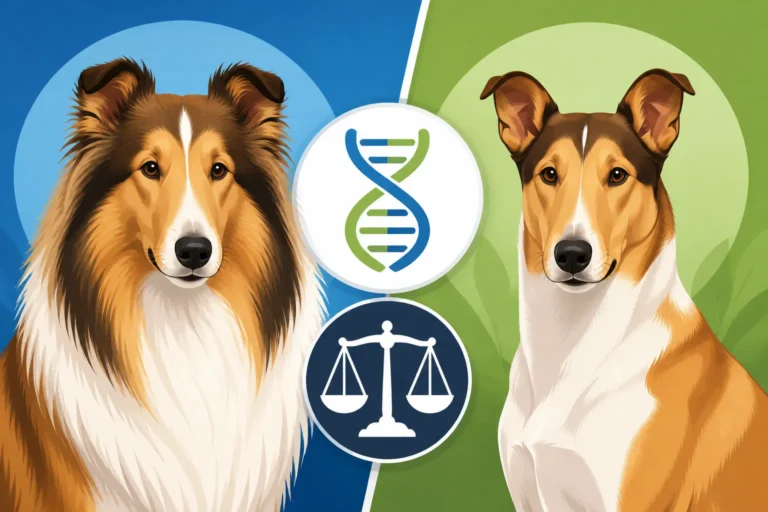
However, and this is a huge however, "Go Normal" does not mean the dog is genetically clear of CEA. The genetic mutation that caused the choroidal hypoplasia is still present in their DNA. It simply means that their eye has developed enough pigment to obscure the visual signs of their genetic condition. Think of it this way: the dog still has two copies of the CEA gene, making them genetically "affected," but their phenotype (what you see) appears normal. This is why a simple eye exam, even by a specialist, isn't enough for breeding decisions if a dog "goes normal." Without DNA testing, a visually "normal" dog could still be a genetic carrier or even affected. For breeders, this difference is monumental, as Whether a Clear Tested Collie Can Still Produce Affected Puppies if one parent carries the gene is a real concern.
Implications for Health, Breeding, and Everyday Life
For the average Collie owner whose dog has a "Go Normal" diagnosis, the implications for their dog's health are overwhelmingly positive. You can breathe a sigh of relief knowing that your furry friend is highly unlikely to experience any vision loss or issues due to CEA. They will live a happy, visually normal life, and no special care or treatment is typically needed for their eyes. It removes a major worry that many potential Collie owners face.
However, the implications for breeding are profound and absolutely vital. A Collie that "goes normal" is still genetically affected (CH/CH). If this dog were to be bred to another dog that is either a carrier (N/CH) or affected (CH/CH) without prior DNA testing, there's a significant risk of producing puppies with more severe forms of CEA, including colobomas or retinal detachment, even if the "Go Normal" parent appears perfectly fine. This is why responsible breeders rely on DNA testing in addition to eye exams. They need to know the genetic status, not just the visual presentation, to make informed pairing decisions and work towards reducing the incidence of severe CEA in future generations. For the everyday owner, it means being aware of this genetic status if considering breeding, but otherwise, enjoying your healthy-eyed companion.
The Crucial Role of DNA Testing Alongside Eye Exams
While the puppy eye exam is invaluable, especially for identifying overtly affected puppies, DNA testing has revolutionized how we approach CEA in Collies. It provides clarity that a visual exam simply cannot.
The Advantages of DNA Testing for CEA
The primary advantage of DNA testing for CEA is its definitive nature. Unlike the visual eye exam, which can be masked by pigment as a puppy matures, a DNA test tells you exactly your dog's genetic status: Clear (N/N), Carrier (N/CH), or Affected (CH/CH). This means there's no ambiguity, no "going normal" to confuse the issue. The test identifies the presence or absence of the specific gene mutation responsible for CEA.
Furthermore, DNA testing can be performed at any age, from a tiny puppy to an adult dog, using a simple cheek swab. This is incredibly useful for rescue Collies whose history might be unknown, or for adult dogs being considered for breeding later in life. It directly addresses the limitation of the "Go Normal" phenomenon, revealing those dogs that are genetically affected but appear visually normal. This comprehensive genetic insight is why it's considered one of The Three Genetic Tests a Collie Breeder Owes You.
When and Why to Perform a DNA Test for CEA
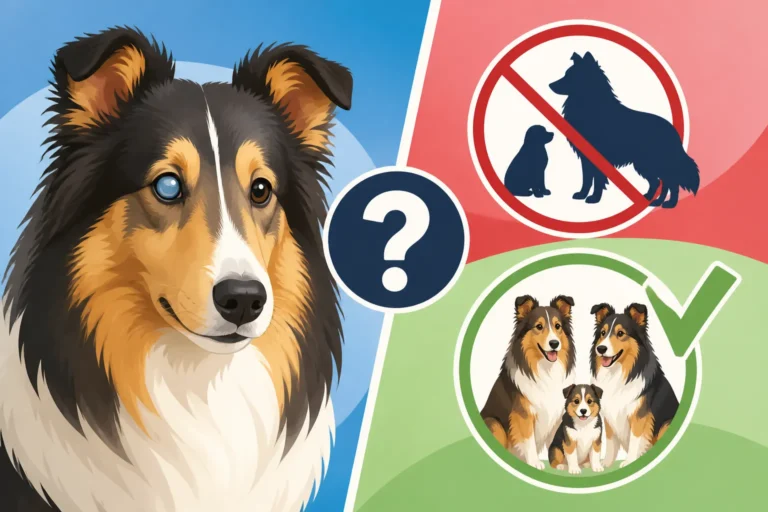
Ideally, every Collie used for breeding should have a DNA test for CEA before being bred. This allows breeders to make informed decisions about pairing dogs to avoid producing affected puppies. For instance, a genetically affected dog (CH/CH) can be safely bred to a genetically clear dog (N/N) without producing any clinically affected offspring, though all puppies would be carriers (N/CH). This strategy helps preserve valuable genetics while managing the disease.
For pet owners, if your puppy received a "Go Normal" diagnosis, a DNA test can confirm their genetic status. While it won't change their visual health, it provides peace of mind or crucial information if you ever consider responsible breeding. For rescue Collies, a DNA test is highly recommended, especially since their lineage is often unknown. Just as you'd ask Whether a Rescue Collie Should Be MDR1 Tested First, adding CEA testing to that list is a wise step to understand their genetic health profile. Knowing their genetic status allows for appropriate management and ensures they don't unknowingly contribute to the genetic spread of the disease if they were ever accidentally bred.
Interpreting DNA Test Results: Clear, Carrier, Affected
Understanding the results of a CEA DNA test is straightforward, yet profoundly important for breeders and owners alike. Here’s a breakdown:
| Result Type | Genetic Code | Interpretation for Dog's Health | Breeding Implications |
|---|---|---|---|
| Clear | N/N | The dog does not carry the CEA gene mutation. Visually unaffected. | Can be bred to any dog without producing affected puppies. |
| Carrier | N/CH | The dog carries one copy of the CEA gene mutation. Visually unaffected (unless also mildly affected). | Should only be bred to a genetically Clear (N/N) dog to avoid producing affected puppies. |
| Affected | CH/CH | The dog carries two copies of the CEA gene mutation. May be visually affected (mild to severe) or "Go Normal." | Should only be bred to a genetically Clear (N/N) dog to avoid producing affected puppies. |
As you can see, a "Clear" dog has no copies of the mutation and cannot pass it on. A "Carrier" has one copy; they are typically visually normal themselves but can pass the mutation to 50% of their offspring. An "Affected" dog has two copies; they will pass a copy to 100% of their offspring, and this is the category where "Go Normal" dogs fall. They are genetically affected, even if their eyes appear normal. This chart clearly illustrates why Whether a Collie's Eye Test Can Be Done by DNA Instead is a relevant question – DNA testing offers a level of certainty that physical examination alone cannot.
Living with a Collie and CEA: Practical Considerations
Once you understand what "Go Normal" means, you can approach your Collie's care and future with confidence and responsibility.
Managing a Collie with a "Go Normal" Eye Exam
For a Collie whose eye exam resulted in a "Go Normal" diagnosis, the practical day-to-day management is refreshingly simple: there isn't any special eye care needed! The whole point of the "Go Normal" phenomenon is that the physical signs of mild CEA have been masked by normal pigment development, and their vision is, for all intents and purposes, perfectly normal. You won't need special drops, frequent rechecks for CEA, or any adjustments to their environment. Your focus can shift to all the other wonderful aspects of Collie ownership, like their impressive coat care, their intelligent minds, and their unique sensitivities. Just like you'd be mindful of medications if you Assume Your Collie Has the MDR1 Mutation, you're simply aware of their genetic history, but it typically won't dictate their daily eye care. Enjoy your visually healthy Collie!
Breeder Responsibility and Ethical Practices
For breeders, the concept of "Go Normal" underscores the immense responsibility they carry. Ethical breeding practices demand transparency and a deep understanding of canine genetics. When a puppy "goes normal," a responsible breeder will still acknowledge the underlying genetic affected status and will use DNA testing to confirm it. This information is crucial for future breeding decisions to ensure that they are not unknowingly contributing to the propagation of severe CEA. The goal is to reduce the prevalence of the disease without unduly shrinking the gene pool – a delicate balance. This often means carefully selecting breeding pairs so that at least one parent is genetically clear (N/N), even if the other parent is "Affected" (CH/CH) or "Carrier" (N/CH). By doing so, they ensure that no clinically affected puppies (those with severe vision impairment) are produced. This thoughtful approach helps maintain genetic diversity while gradually phasing out genetic diseases. Discussions around Whether Breeding Only Clear Collies Would Shrink the Gene Pool highlight this ongoing ethical challenge.
The Financial Aspect of Testing and Care
Understanding the financial implications of CEA testing and care is also part of being a responsible Collie owner. A puppy eye exam performed by a veterinary ophthalmologist can cost anywhere from $75 to $200, depending on your location and clinic. While it seems like an upfront cost, it's an invaluable investment for that crucial early diagnosis. What a Collie Puppy Eye Exam Costs is a small price to pay for peace of mind. DNA testing for CEA (often part of a larger panel that includes other Collie-specific genetic conditions like MDR1) typically ranges from $50 to $150 per test. While these costs might seem like a lot, they are significantly less than treating a severely affected dog with vision impairment or surgical interventions.
In terms of pet insurance, it's worth noting that genetic conditions like CEA are often considered "pre-existing" if diagnosed before a policy is active. If your Collie puppy is diagnosed as "Go Normal" during the initial eye exam, and later you decide to get a DNA test, it's generally best to secure pet insurance before any diagnostic procedures if you want potential complications covered. Companies like Healthy Paws offer comprehensive coverage for accidents and illnesses, but as with any hereditary condition, it's always best to check their specific terms regarding pre-existing conditions and congenital diseases. The proactive approach of early testing, while an investment, can save you significant emotional and financial stress down the line.
Disclaimer
Please remember that this article provides general information and guidance. Always consult with a qualified veterinary professional, especially a board-certified veterinary ophthalmologist, for any specific health concerns or before making any decisions regarding your Collie's care, treatment, or breeding.