Whether a Rescue Collie Should Be MDR1 Tested First
Bringing a rescue Collie into your home is an incredibly heartwarming experience, but it often comes with a host of unknowns, especially concerning their health history. One of the biggest worries for any Collie owner, particularly with a rescue whose background might be a mystery, is the risk of the MDR1 gene mutation. This guide will walk you through exactly why testing for MDR1 is not just recommended, but an absolutely critical first step for any newly adopted Collie, ensuring their safety and your peace of mind from day one.
The Invisible Threat: Understanding MDR1 in Collies
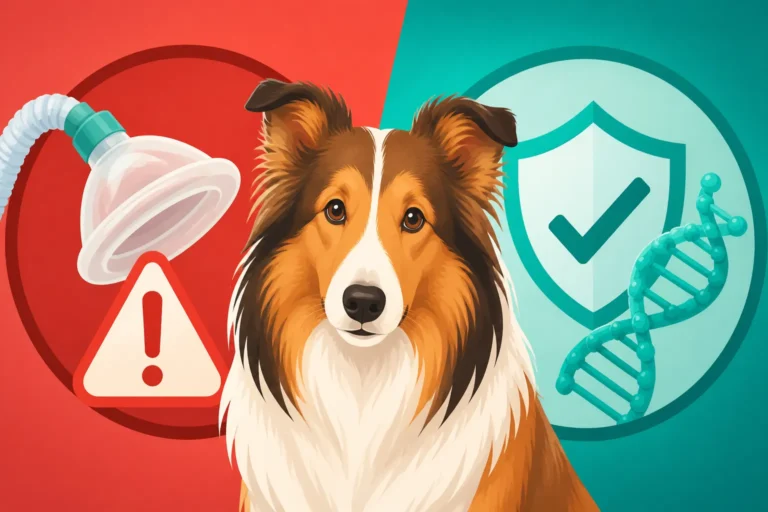
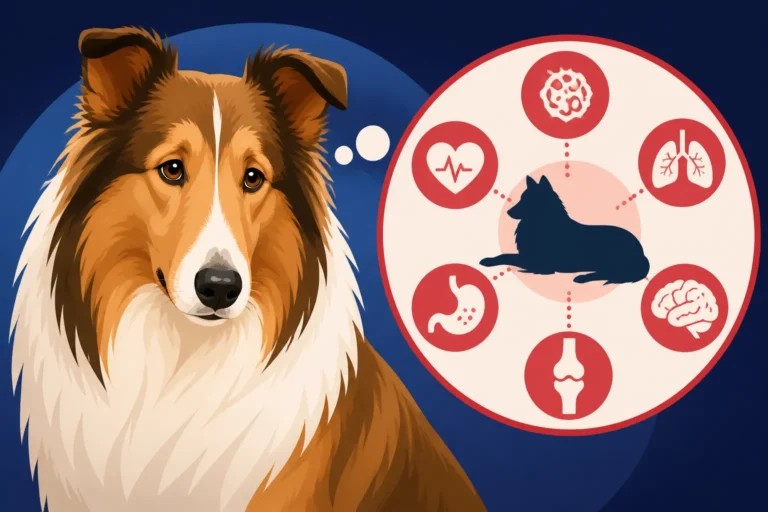
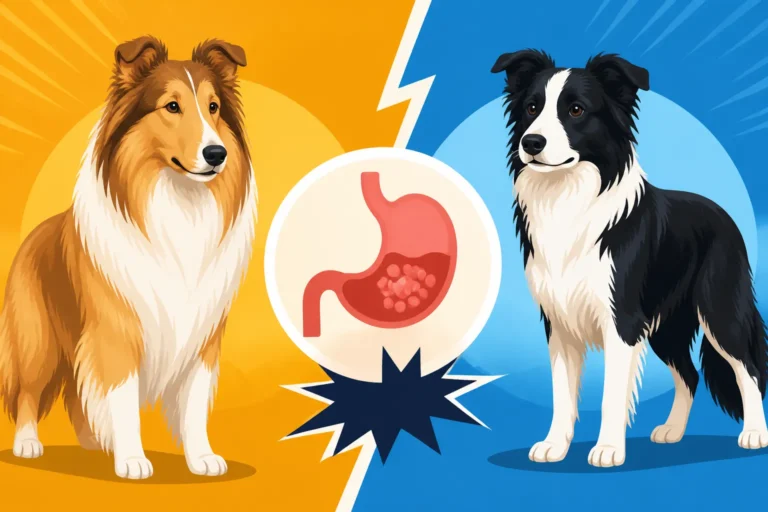
The Multidrug Resistance 1 (MDR1) gene mutation, also often referred to as ABCB1, is a significant genetic quirk found predominantly in herding breeds, with Collies being particularly susceptible. What this mutation does, in simple terms, is compromise a dog's ability to properly metabolize and eliminate certain drugs from their system. Normally, a protein called P-glycoprotein, produced by the healthy MDR1 gene, acts like a tiny bouncer at the blood-brain barrier, preventing harmful substances and many medications from entering the brain. When a Collie has the mutated MDR1 gene, this P-glycoprotein isn't produced correctly, or at all, allowing dangerous levels of certain drugs to cross into the brain, leading to severe neurological toxicity, coma, or even death.
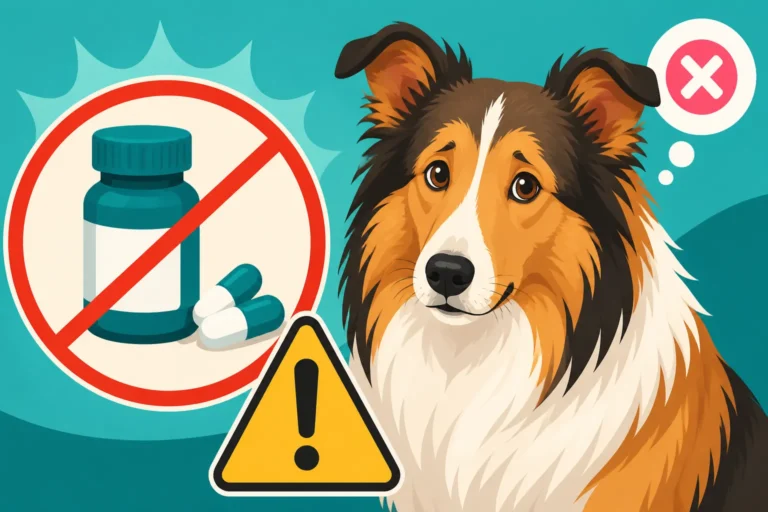
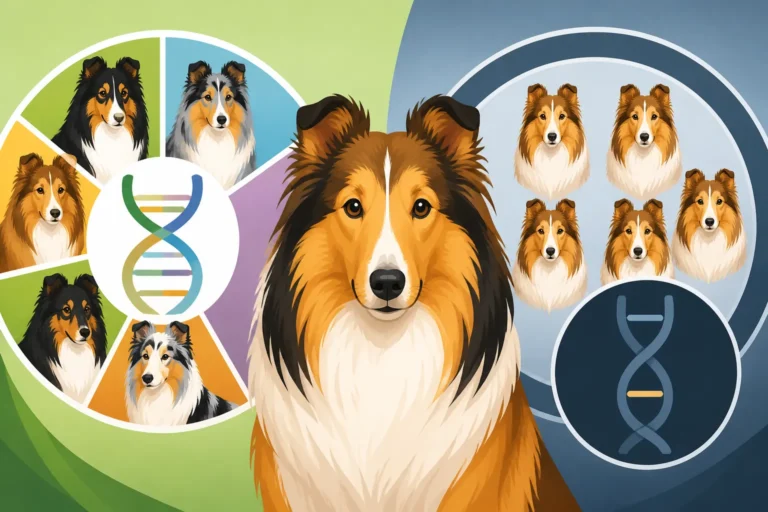
This isn't just about a mild sensitivity; we're talking about life-threatening reactions to medications that are otherwise routine for other breeds. Imagine giving your dog a common dewormer or even an anti-diarrhea medication, only to have them collapse. It's a terrifying thought, and unfortunately, a very real risk for an untested Collie. The genetic legacy of this mutation is widespread. You might be surprised to learn that many Collies carry this gene, and it's not always obvious just by looking at them. An MDR1 Collie looks no different than any other. This is precisely why knowing their status is so vital.
When you bring home a rescue Collie, their past medical records might be incomplete, or nonexistent. You might not know if their previous owners were aware of their genetic predispositions, or if they were ever tested. This lack of history creates a huge blind spot, putting your new family member at undue risk. Without an MDR1 test, every trip to the vet, every new medication prescribed, becomes a roll of the dice. Even emergency situations, where quick treatment is paramount, can turn deadly if the veterinary team isn't aware of this crucial genetic factor. This uncertainty is precisely why we advocate for proactive testing.
Why Immediate MDR1 Testing for a Rescue Collie is Non-Negotiable
Adopting a rescue means embracing their unknown journey, but when it comes to critical health factors like the MDR1 mutation, you simply cannot afford to wait. The very first vet visit for your new rescue Collie should include a discussion about MDR1 testing. Why "first"? Because medical emergencies don't send appointment reminders. Your Collie could develop a sudden illness, suffer an injury, or need an unplanned surgery that requires medication from the contraindicated list. If you haven't tested them, your vet might inadvertently administer a drug that could be fatal.
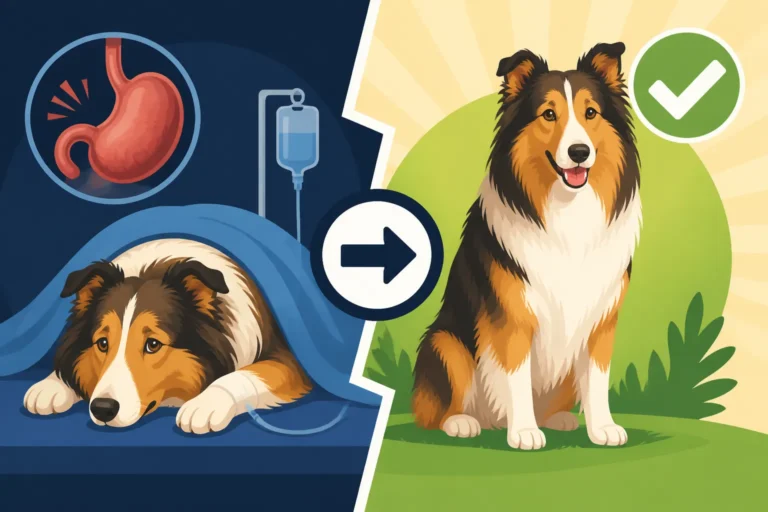
Consider a hypothetical, but very real, scenario: your new rescue Collie, settling into your home, gets into something toxic in the yard or develops an acute gastrointestinal upset. You rush to the emergency vet, and they might suggest a standard anti-diarrhea medication like loperamide or a sedative for anxiety during examination. Both of these are on the list of drugs dangerous to an MDR1-positive Collie. Without prior knowledge of your dog's MDR1 status, the vet is operating blind, and your Collie's life could be on the line. This is why having that information readily available from the outset is paramount. You simply cannot assume your Collie has the MDR1 mutation; you need to know for certain.
Beyond immediate dangers, having your rescue Collie tested right away provides invaluable peace of mind for both you and your veterinary team. It allows your vet to flag your Collie's chart at the clinic with their MDR1 status, ensuring that every future prescription or treatment plan is carefully reviewed for potential risks. This proactive approach helps build a safer, more informed treatment strategy throughout your Collie's life. It also empowers you, as the owner, to ask informed questions and advocate effectively for your dog's specific needs, especially during stressful emergency visits where you might feel overwhelmed. Having this information helps you tell the vet about MDR1 effectively.
Practical Steps for Testing and Management
Getting your rescue Collie tested for the MDR1 mutation is a straightforward process, thankfully. Most veterinary clinics can facilitate the collection of a simple cheek swab or blood sample. This sample is then sent to a specialized laboratory for analysis. The cost of an MDR1 test for a Collie is generally quite reasonable, especially when weighed against the potential cost of treating a severe drug reaction. Labs like Washington State University's Veterinary Clinical Pharmacology Laboratory (VCPL) are well-known for providing accurate and reliable MDR1 testing services. They were pioneers in identifying and researching this mutation, making them a trusted choice.
Once you have the results, it's crucial to share them immediately with your veterinarian. If your Collie tests positive for one or two copies of the mutated gene, your vet will need to update their file. This means they'll be vigilant about avoiding the specific drugs an MDR1 Collie must never have. They can also discuss alternative medications and adjusted dosages for necessary treatments. For example, even if an MDR1 Collie is having seizures, specific seizure drugs need adjusting. It's also a good idea to ensure your Collie wears a medical tag indicating their MDR1 status, perhaps noting "MDR1 Sensitive." This small detail could be a lifesaver if they ever get lost or need emergency care when you're not present.
It's important to remember that some rescue organizations might already test their Collies for MDR1 before adoption. Always ask for any existing health records or genetic test results when you adopt. If they have them, verify which lab performed the test and ensure the documentation is legitimate. This can save you the effort and cost of retesting, but if there's any doubt or missing information, a retest is always the safest bet. Furthermore, consider investing in pet insurance, like a policy from Healthy Paws, early in your Collie's life. While pre-existing conditions typically aren't covered, having insurance in place can help with future unexpected medical costs related to monitoring or treating other health issues, potentially easing the financial burden of owning a dog with a known genetic sensitivity.
Here's a quick reference for some common drugs and their MDR1 risk:
| Drug Category | Common Examples | MDR1 Risk (Affected Collies) | Notes |
|---|---|---|---|
| Antiparasitics | Ivermectin (high dose), Selamectin, Milbemycin | High | Heartworm preventatives are usually low-dose & safe, check formulation. |
| Antidiarrheals | Loperamide (Imodium) | High | Can cause severe neurological symptoms. |
| Chemotherapy Drugs | Doxorubicin, Vinblastine, Vincristine | High | Often require significant dose reduction. |
| Sedatives/Anesthetics | Acepromazine, Butorphanol | Moderate to High | May cause prolonged sedation or respiratory depression; dose adjustment needed. |
| Steroids | Dexamethasone | Moderate | Can lead to increased blood levels and adverse effects. |
Always consult your veterinarian for specific guidance on your Collie's medications.
Ensuring a Safe and Healthy Future for Your MDR1-Positive Collie
Discovering your rescue Collie is MDR1-positive isn't a life sentence; it's simply a piece of crucial information that empowers you to provide the best possible care. Living with an MDR1-positive Collie means you need to be a vigilant advocate for their health. This involves maintaining open communication with your vet, reminding them of the MDR1 status at every visit, and questioning any new medication prescribed, no matter how routine it seems. Many Collies recover from a reaction if treated quickly, but prevention is always the best course of action.
Daily life adjustments are often minimal. Most common preventives, like heartworm medication or flea treatments, are available in formulations safe for MDR1-positive Collies, often in lower, safer doses. It’s usually the higher-dose medications, or certain specific drugs, that pose the significant risk. You'll simply become more accustomed to checking labels and having a quick chat with your vet or pharmacist. You might even find yourself researching whether an MDR1 Collie can be wormed safely before you buy a new product.
For emergencies, preparation is key. Keep a laminated card in your wallet and your Collie's carrier or leash bag that clearly states "MDR1 Positive: Avoid Ivermectin, Loperamide, Acepromazine, etc." List the most critical drugs. Make sure anyone who might care for your dog, from a pet sitter to a family member, is aware of this condition. Having an emergency fund or a robust pet insurance plan like those offered by Healthy Paws can also provide a financial safety net for any unexpected vet visits, ensuring that your MDR1-positive Collie always receives the necessary care without financial stress adding to the worry. Your dedication to understanding and managing this genetic factor will ensure your beloved rescue Collie thrives for years to come.
Disclaimer
The information provided in this article is for educational purposes only and is not intended to be a substitute for professional veterinary advice. Always consult with a qualified veterinarian for any health concerns or before making any decisions related to your Collie's medical care.