Whether a Collie Survives Bloat Surgery
The sudden onset of bloat in a Collie is one of the most terrifying emergencies a dog owner can face. That desperate dash to the vet, the frantic worry, and the overwhelming question: if we opt for surgery, will our beloved Collie even make it through? This guide aims to shed light on the survival rates and factors involved in bloat surgery for Collies, offering clarity and support during an incredibly stressful time.
Understanding Bloat and Its Dire Urgency in Collies
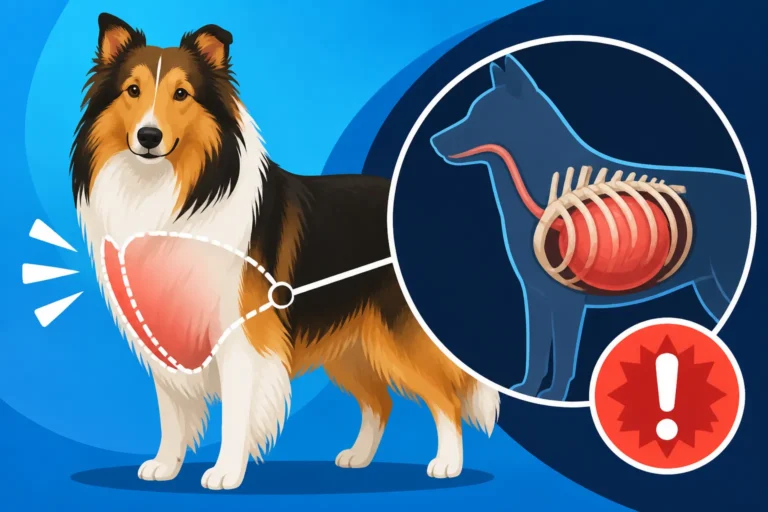
Bloat, scientifically known as Gastric Dilatation-Volvulus (GDV), is a medical emergency where the stomach fills with gas and then twists on itself. This twisting, or volvulus, traps the gas, cuts off blood supply to the stomach, and can quickly affect other organs like the spleen and heart. It's a condition that progresses with frightening speed, and knowing the signs and risks is paramount for any Collie owner.
Why Collies Are Particularly at Risk for Bloat
Collies, with their elegant, deep-chested build, unfortunately, fall into a category of breeds predisposed to bloat. It's not just their conformation; there are likely genetic factors at play as well. While we adore their classic silhouettes, that deep chest creates a larger abdominal cavity where the stomach has more room to distend and twist. This physical characteristic is a significant reason why Collies are often discussed in the context of GDV. Understanding Why a Collie's Chest Shape Raises Bloat Risk can help you grasp the physiological mechanics that contribute to this terrifying condition.
Beyond their physical build, certain feeding habits can also increase risk. Fast eaters, those who eat one large meal a day, or dogs that exercise vigorously immediately after eating are often cited as being at higher risk. Stress and anxiety can also play a role, making it a multifaceted issue with both genetic and environmental components. It's a situation that keeps many Collie owners on edge, always vigilant for the slightest hint of trouble.
Recognizing the Alarming Signs of Bloat
The signs of bloat can appear suddenly and escalate rapidly. As a Collie owner, being able to spot these early indicators is crucial for giving your dog the best chance of survival. The most common and urgent signs include:
- Retching without vomiting: This is perhaps the most classic sign. Your Collie will try to throw up but only bring up foam or nothing at all, indicating a blockage.
- Distended abdomen: The stomach area, especially on the left side, might appear swollen or feel hard and taut to the touch. This can be harder to spot on a long-coated Rough Collie but is often noticeable.
- Restlessness and discomfort: Your dog might pace, whine, or try to get comfortable without success. They might look at their flank or refuse to lie down.
- Drooling and excessive panting: These are signs of pain and distress.
- Weakness and collapse: As the condition progresses, your Collie may become weak, have pale gums, and eventually collapse as their cardiovascular system struggles.
If you observe any of these symptoms, especially a combination of them, you absolutely cannot wait. Bloat is a true emergency where every minute counts. The article Signs a Collie Is Bloating offers more detailed insights into what to look for, and it truly is a situation where you need to act immediately, as How Fast Bloat Kills a Collie can be astonishingly quick. Don't second-guess yourself; when in doubt, get to an emergency veterinary clinic.
The Surgical Intervention for Bloat and Its Necessity
When bloat is diagnosed, surgery is almost always the only viable treatment option to save your Collie's life. This isn't a procedure to take lightly; it's invasive and carries risks, but the alternative is almost certainly fatal. Understanding what the surgery entails can help you feel a bit more informed during a profoundly stressful time.
Emergency Surgery: What Happens When Bloat Strikes
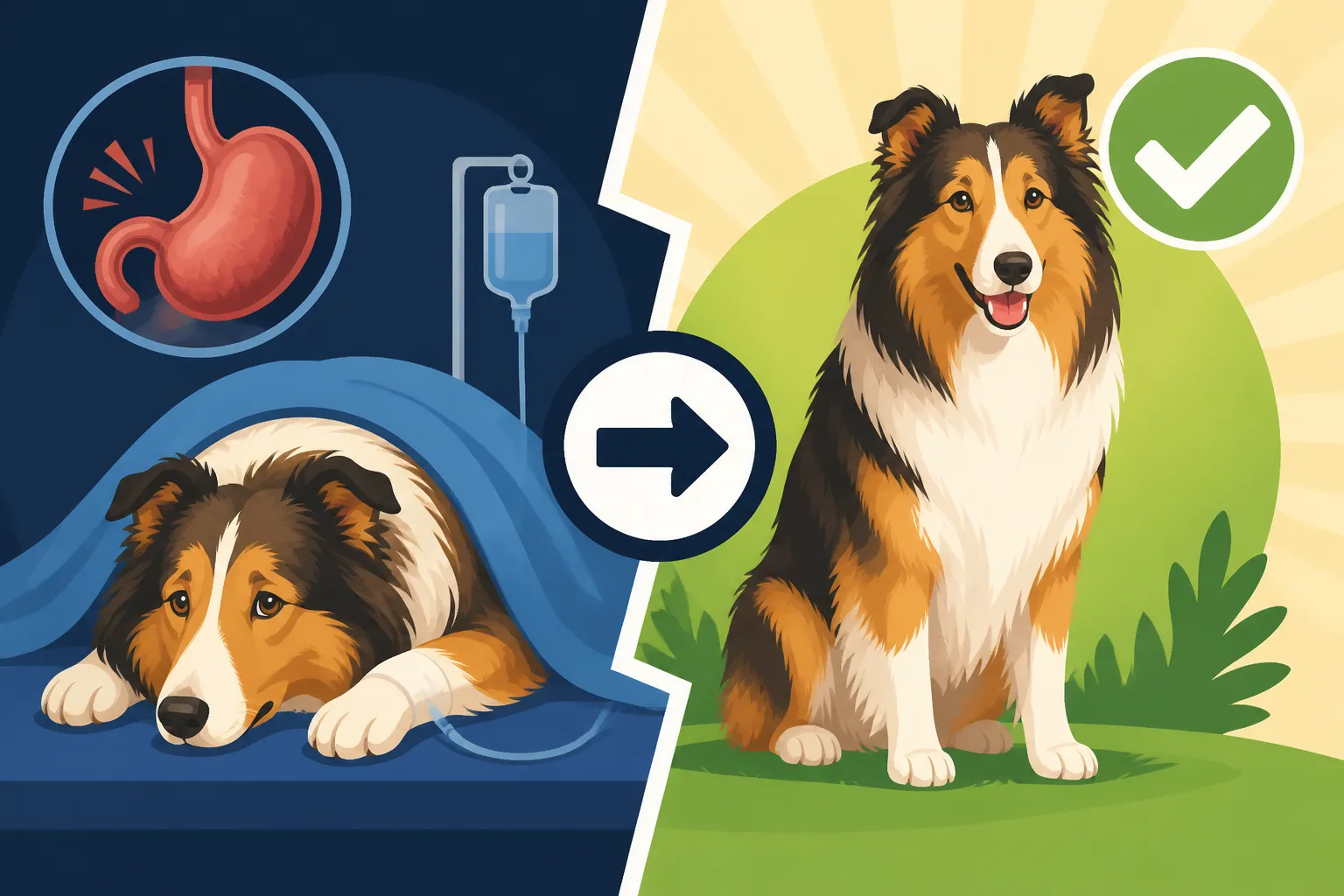
Once your Collie arrives at the emergency vet and GDV is confirmed (usually via X-rays), the veterinary team will stabilize your dog as much as possible before surgery. This often involves intravenous fluids to combat shock and pain medication. They might also attempt to decompress the stomach by inserting a tube or needle, but this is usually a temporary measure.
The actual surgery, known as a gastrotomy and gastropexy, involves opening the abdomen. The veterinary surgeon will carefully untwist the stomach, known as derotation. Once the stomach is in its correct anatomical position, the surgeon will assess it for any irreversible damage to the stomach wall. If parts of the stomach tissue have died due to lack of blood supply, those sections may need to be removed, which significantly complicates the prognosis. Finally, and crucially, a procedure called a gastropexy is performed. This involves tacking the stomach wall to the abdominal wall, preventing it from twisting again in the future. This is a vital step to prevent recurrence, which can be just as deadly. It’s an intense, time-sensitive operation, often costing thousands of dollars, making discussions about pet insurance, like plans offered by Healthy Paws, incredibly relevant for long-term ownership.
Prophylactic Gastropexy: A Preventive Measure
Given the high risk and sudden nature of bloat in Collies, many owners and veterinarians consider a prophylactic gastropexy. This is a preventive surgery performed on healthy, at-risk dogs to permanently tack the stomach to the abdominal wall before bloat ever occurs. While it doesn't prevent the stomach from dilating (filling with gas), it does prevent the deadly twisting.
This elective procedure is significantly less risky than emergency surgery on an already compromised dog. It can often be performed laparoscopically, which is minimally invasive, leading to a faster recovery. Many owners choose to have this done when their Collie is already under anesthesia for another procedure, such as spaying or neutering. If you're considering this, discussing Whether a Collie's Gastropexy Can Share Its Neuter Anesthesia with your vet is a common and practical approach. The upfront cost of a prophylactic gastropexy is an investment in peace of mind and your Collie's future health, potentially saving you from the devastating financial and emotional cost of an emergency situation.
Factors Influencing Post-Surgery Survival
Successfully getting your Collie through bloat surgery is a monumental step, but the journey doesn't end there. The period immediately following the operation, and the subsequent recovery phase, are critical. Several factors can significantly influence the chances of survival and a smooth recovery.
The Critical First Hours Post-Surgery
The hours immediately after surgery are often the most precarious for a Collie that has undergone bloat intervention. The body has been through immense trauma, and systems are trying to re-regulate. Dogs are particularly susceptible to post-operative complications such as cardiac arrhythmias, which are irregular heartbeats that can be life-threatening. The veterinary team will closely monitor vital signs, administer intravenous fluids to maintain hydration and blood pressure, and manage pain aggressively.
Organ function, especially kidney and liver, is also closely watched, as prolonged lack of blood flow during the bloat episode can cause damage. The vet will be looking for signs of shock or internal bleeding. It's a constant vigil, and the quality of post-operative intensive care can make a huge difference in the outcome. This intensive monitoring is part of why What a Collie's Emergency Visit Costs can be so substantial, underscoring the value of comprehensive pet insurance like Healthy Paws.
Potential Complications During Recovery
While the immediate danger of the twisted stomach is addressed, several complications can arise during the recovery period, some of which can be severe:
- Peritonitis: This is an infection of the abdominal cavity, often caused if any stomach contents leaked during the surgery or if a damaged part of the stomach ruptures. It's a serious, life-threatening complication requiring aggressive treatment.
- Sepsis: A systemic inflammatory response to infection, sepsis can quickly lead to multi-organ failure.
- Stomach wall necrosis: Even after derotation, portions of the stomach wall might have suffered irreversible damage and could die, leading to perforation and peritonitis. In some cases, this necrotic tissue may not be apparent during the initial surgery, only becoming problematic a day or two later.
- Pancreatitis: Inflammation of the pancreas can occur due to the systemic shock and reduced blood flow during the bloat episode.
- Recurrence (without gastropexy): If a gastropexy was not performed during the emergency surgery, there's a significant risk of bloat recurring. This highlights why the prophylactic procedure is so valuable.
These complications are why a Collie recovering from bloat surgery needs continuous, specialized care for several days, often in a veterinary hospital. Owners face a harrowing waiting period, clinging to every update from the vet.
Post-Operative Care and Monitoring at Home
Once your Collie is stable enough to come home, your job as a caregiver truly begins. The post-operative care instructions will be extensive and strict, but adhering to them diligently is crucial for preventing setbacks and ensuring a full recovery. Key aspects usually include:
- Strict rest: Limiting activity is vital to allow internal healing. No jumping, running, or strenuous play. Leash walks only for bathroom breaks.
- Medication administration: Your vet will prescribe pain relievers, antibiotics, and potentially medications to protect the stomach lining or address any arrhythmias. Ensuring these are given on schedule is critical.
- Dietary management: Small, frequent meals of easily digestible food are typically recommended. Your vet might suggest specific brands or a bland diet. Splitting your Collie's meals into several smaller portions throughout the day is a widely recommended practice to reduce bloat risk, as detailed in Whether a Collie's Meals Should Be Split.
- Incision care: Keeping the surgical incision clean and dry, and preventing your Collie from licking or chewing it (often with an Elizabethan collar), is essential to prevent infection.
- Monitoring for complications: You'll need to watch for any signs of worsening condition, such as lethargy, vomiting, diarrhea, refusal to eat, fever, or issues with the incision.
- Limited water intake initially: Your vet will guide you on how much water to offer and when, gradually increasing it. Also, ensuring your Collie rests after eating and drinking is important; you can learn more about this in Whether a Collie Should Rest After Eating.
This intensive care can feel overwhelming, but your commitment to following your vet's instructions precisely will have a huge impact on your Collie's recovery and long-term health.
Prognosis and Long-Term Outlook After Bloat Surgery
The question on every owner's mind is, "Will my Collie make it, and what will their life be like afterward?" While bloat is incredibly serious, advances in veterinary medicine mean that survival rates are often much better than some might fear, especially with prompt intervention.
Overall Survival Rates and What to Expect
The good news is that with prompt veterinary attention and surgical intervention, the survival rate for Collies undergoing bloat surgery can be quite good, often ranging from 75% to 85% if there's no severe stomach necrosis. However, if portions of the stomach are found to be necrotic (dead tissue) during surgery, the survival rate drops significantly, sometimes to 50% or even lower, depending on the extent of the damage.
The timing of the surgery is arguably the most critical factor. The faster your Collie gets to the operating table after symptoms appear, the better the prognosis. Delays of even a few hours can significantly worsen outcomes due to organ damage and systemic shock. This is why vigilance and rapid action are key. It's also worth noting that while the immediate post-operative period is high-risk, Collies who survive the first 72 hours typically have a very good chance of a full recovery.
Preventing Recurrence: The Role of Gastropexy
One of the most profound benefits of bloat surgery, beyond saving your dog in the moment, is the gastropexy. This procedure, where the stomach is surgically attached to the abdominal wall, dramatically reduces the risk of recurrence. Without a gastropexy, the chance of a Collie experiencing bloat again is estimated to be as high as 75-80%. With a successful gastropexy, this risk drops to less than 5%, effectively preventing the deadly twisting of the stomach.
This makes the gastropexy component of the surgery just as important as the derotation itself for long-term survival. If your Collie undergoes emergency bloat surgery and a gastropexy isn't performed (perhaps due to the severity of the case or surgical complications), discussing a follow-up prophylactic gastropexy once your dog has fully recovered is a conversation you should absolutely have with your veterinarian.
Life After Bloat: Adjusting for Ongoing Health
For Collies who successfully recover from bloat surgery, life can return to a relatively normal state. However, many owners choose to implement certain management strategies to further minimize risk and support overall health:
- Dietary adjustments: Continuing with multiple small meals a day, rather than one large one, is a common recommendation. Using slow feeder bowls can also help prevent gulping air with food.
- Rest after meals: Encouraging your Collie to rest for at least an hour before and after eating and drinking can help prevent stomach distension.
- Monitoring: While the risk of recurrence is low with a gastropexy, remaining observant for any unusual symptoms or signs of discomfort is always wise.
- Weight management: Keeping your Collie at a healthy weight can reduce overall strain on their body.
- Stress reduction: Since stress can be a contributing factor, maintaining a calm environment and consistent routine can be beneficial.
It's a testament to their resilience and the dedication of veterinary teams that many Collies not only survive bloat surgery but go on to live full, happy lives. While the experience is undoubtedly traumatic for both dog and owner, being prepared, acting quickly, and committing to thorough post-operative care can lead to a positive outcome.
Disclaimer
This article is intended for informational purposes only and does not constitute medical advice. Always consult with a qualified veterinarian for any health concerns or before making any decisions about your Collie's medical care.