Whether a Collie’s Gastropexy Can Share Its Neuter Anesthesia
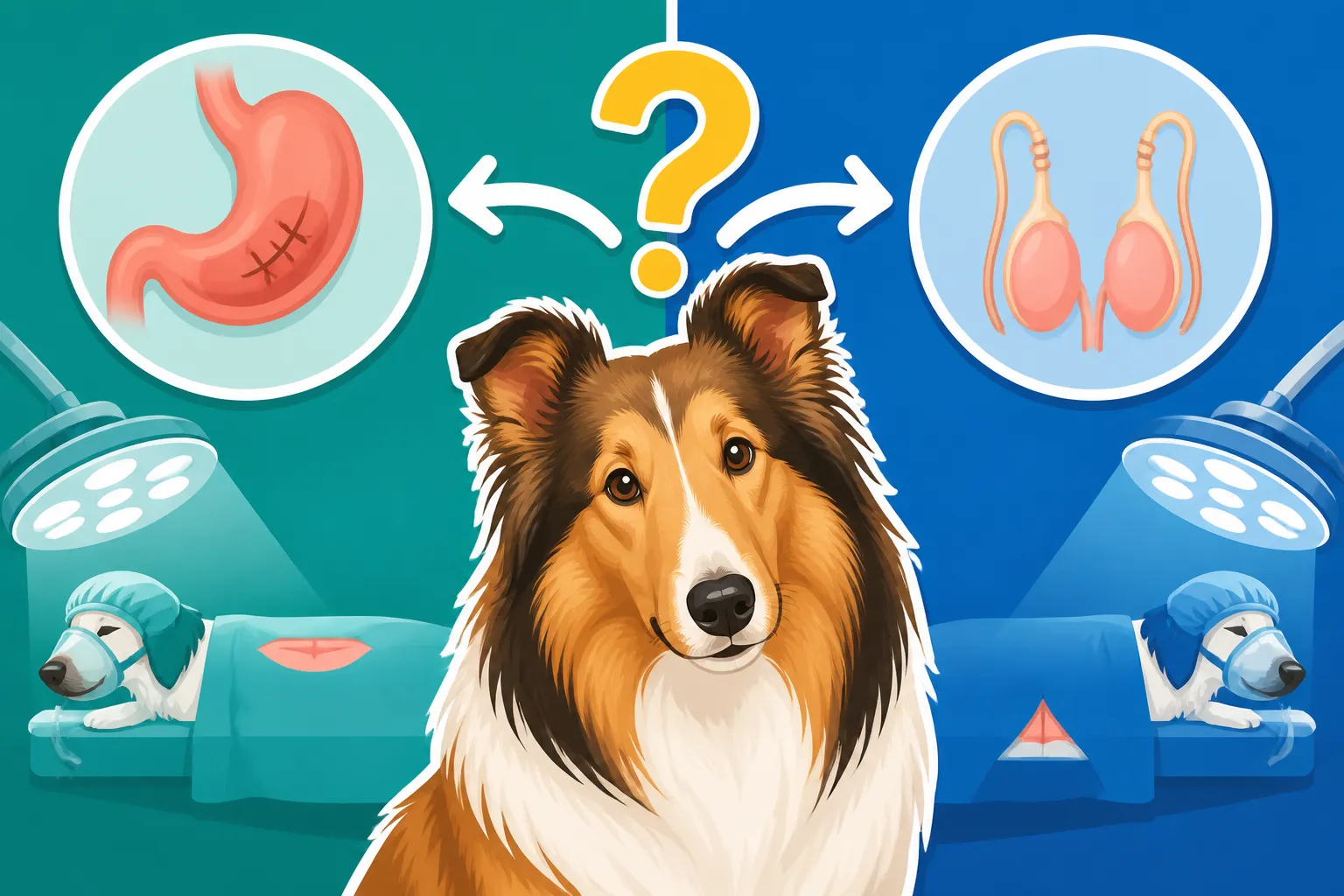
The thought of your precious Collie undergoing anesthesia once is daunting enough, let alone considering multiple procedures. It’s a really common question among Collie owners whether preventative surgeries like a gastropexy can just be bundled in with a routine neuter. We're all looking for ways to minimize stress and recovery time for our dogs, but when it comes to combining a neuter with a gastropexy, there's a lot more to unpack than just convenience. This guide will walk you through the nuances, risks, and benefits to help you make an informed decision for your beloved four-legged family member.
Understanding Gastropexy and Neuter Procedures
It’s completely natural to want to consolidate veterinary visits and anesthesia events. After all, nobody enjoys seeing their dog groggy after surgery. However, understanding what each procedure truly involves, and the unique considerations for our Collies, is the first step in making a sound judgment.
What Each Procedure Entails
Let's break down these two distinct surgical procedures that are often discussed together.
First, the neuter, or castration for male dogs, is a relatively straightforward elective surgery. It involves the removal of the testicles, which eliminates the dog's ability to reproduce and often reduces certain hormone-driven behaviors. This procedure is typically performed on healthy young dogs and is considered a common, low-risk surgery when done by an experienced veterinarian. The incision is usually small, and recovery is generally quick, with most dogs feeling much better within a few days to a week, provided they are kept calm and prevent licking the incision site.
Then there's the gastropexy. This is a surgical procedure where the stomach is permanently attached to the abdominal wall. The primary purpose of a gastropexy is to prevent Gastric Dilatation-Volvulus (GDV), commonly known as bloat. Bloat is a life-threatening condition where the stomach fills with gas and twists, trapping both food and gas, and cutting off blood supply. It's an emergency that can kill a dog in hours. Collies, being deep-chested dogs, are predisposed to bloat, making the preventative gastropexy a significant consideration for many owners. You can read more about Bloat in a Deep Chested Collie to understand the risks. A preventative gastropexy is an elective procedure, meaning it’s planned in advance, whereas an emergency gastropexy is performed when a dog is already experiencing bloat, often along with untwisting the stomach. The preventative procedure is less invasive and has a better prognosis than an emergency one. It’s important to note that a gastropexy, even preventative, is a more involved abdominal surgery than a routine neuter.
Anesthesia Considerations for Collies
Anesthesia is always a serious consideration for any surgical procedure, and for Collies, there are specific factors that demand extra attention. Our Collies, like many other herding breeds, are famously known for carrying the Multidrug Resistance 1 (MDR1) gene mutation. If your Collie carries this mutation, it means they have a compromised blood-brain barrier, making them highly sensitive to certain common veterinary drugs. This sensitivity can lead to severe neurological reactions, coma, or even death if the wrong medications are administered. You absolutely must Assume Your Collie Has the MDR1 Mutation until proven otherwise with a genetic test.
When planning any surgery that requires general anesthesia, whether it's a neuter, a gastropexy, or something else entirely, it is imperative that your veterinarian is aware of your Collie's MDR1 status. This isn't just a minor detail; it's a critical safety measure. They will need to adjust anesthetic protocols, drug dosages, and choose specific medications that are safe for MDR1-sensitive dogs. Some commonly used drugs for sedation, pain control, and even certain anti-diarrhehea medications (like loperamide) can be problematic. A knowledgeable vet will consult The Drug List That Can Kill a Collie and make appropriate substitutions to ensure your Collie's safety. This careful planning adds a layer of complexity to any anesthetic event for our breed, making the decision to extend anesthesia time even more weighty.
The Pros and Cons of Combining Procedures
The idea of tackling two surgical procedures at once for your Collie can seem appealing on the surface. You might think, "One trip, one recovery, less stress overall!" But when you peel back the layers, there are distinct advantages and, more importantly, some significant disadvantages and risks to consider. It’s a real balancing act, and what seems efficient might not always be what’s best for your individual dog.
Potential Advantages
From a logistical standpoint, combining a neuter with a preventative gastropexy does offer some clear benefits. The most obvious is that your Collie only undergoes general anesthesia once. The thought of your dog being put under multiple times can be distressing, and minimizing this risk by having a single anesthetic event is certainly attractive to many owners. This means only one round of pre-anesthetic bloodwork, which can save a bit of money and reduce the number of times your dog has to be stressed by vet visits. It also means a single recovery period at home, simplifying the post-operative care schedule slightly, as you're only managing one set of restrictions and monitoring.
Another perceived advantage is cost savings, albeit usually minor in the grand scheme. While you're paying for two surgeries, you're only paying for one anesthetic induction, one set of recovery monitoring, and one visit to the veterinary clinic for the procedure itself. Some veterinary practices might offer a slight discount for bundling elective procedures, as it optimizes their surgical schedule. For instance, if you're already paying What Neutering a Collie Costs, adding a preventative gastropexy might not feel like a massive jump in the total bill compared to two separate anesthetic events. However, it's crucial to get a detailed estimate from your vet to understand the true financial implications, as the gastropexy itself is a more complex surgery and often carries a higher individual fee.
Significant Disadvantages and Risks
While the advantages of combining procedures might seem appealing, the disadvantages and risks, especially for a Collie, often outweigh them. The most critical factor is the increased surgical and anesthetic time. A routine neuter is usually quite fast, perhaps 30-60 minutes under anesthesia. A preventative gastropexy, while not as long as an emergency bloat surgery, is still an involved abdominal procedure that can add another 30-60 minutes, or even more, to the total time. Prolonged anesthesia directly correlates with increased risks, including hypothermia, delayed recovery, and greater strain on the dog's organs, particularly the kidneys and liver. For a Collie, whose What the MDR1 Mutation Actually Does to a Collie already makes them more susceptible to certain drug interactions, every minute under anesthesia must be carefully considered.
The invasiveness of the surgery also increases significantly. A neuter involves a relatively small incision. A gastropexy, on the other hand, involves opening the abdominal cavity and suturing the stomach to the body wall. Performing both simultaneously means a larger overall surgical site, more tissue manipulation, and therefore, potentially more post-operative pain and a more complicated recovery. Your Collie will be recovering from two abdominal procedures, not just one. This translates to stricter activity restrictions, more intense pain management, and a longer period of vulnerability for incisions. It can be particularly challenging to manage pain effectively given the potential limitations with certain pain medications due to the MDR1 mutation. You need to ensure your vet understands How a Collie Owner Tells the Vet About MDR1 to select safe pain protocols.
Consider the potential for complications. While rare, any surgery carries risks like infection, bleeding, or adverse reactions to anesthesia. When you combine two surgeries, you inherently double the potential points of failure and increase the severity of any complication that might arise. If a complication does occur, identifying which procedure caused it, or if it was a synergistic effect, can be difficult. Moreover, if your Collie experiences significant post-surgical pain or discomfort from the combined procedures, it can make adhering to recovery protocols, such as kennel rest or preventing licking, much harder. This can lead to stress, slower healing, or even necessitate an emergency vet visit, which can be incredibly costly, both emotionally and financially. Knowing What a Collie's Emergency Visit Costs can highlight the importance of careful planning.
Here's a quick comparison to help visualize the trade-offs:
| Feature | Neuter Only | Gastropexy Only (Preventative) | Combined Neuter & Gastropexy |
|---|---|---|---|
| Anesthesia Time | Short (30-60 min) | Moderate (30-60 min) | Long (60-120+ min) |
| Surgical Invasive-ness | Low (testicle removal) | Moderate (abdominal surgery, stomach attached) | Moderate-High (two abdominal procedures) |
| Recovery Time | Short (3-7 days) | Moderate (7-14 days) | Longer (10-21 days, more restricted) |
| Pain Management | Generally straightforward | More significant | Most complex, potentially MDR1 challenges |
| Risk of Complications | Low | Low-Moderate | Moderate-High (due to extended time/invasiveness) |
| Cost (Procedure Only) | Base cost | Higher than neuter alone | Higher than individual procedures, usually not a "deal" |
| Pre-anesthetic Bloodwork | One round | One round | One round |
| Overall Stress to Dog | Relatively low | Moderate | Higher |
Ultimately, while the desire to simplify procedures is understandable, the consensus among many veterinarians and experienced Collie owners leans toward separating these surgeries due to the increased risks.
Making the Right Decision for Your Collie
Choosing the best course of action for your Collie's health requires careful thought, open communication with your veterinary team, and a realistic understanding of the recovery process. This isn't a "one size fits all" situation, and what's right for one dog might not be ideal for another.
Consulting with Your Veterinarian
This cannot be stressed enough: your veterinarian is your most valuable resource in this decision-making process. Don't rely solely on online information; have a thorough, in-depth conversation with them. Start by clearly communicating your Collie's full medical history, including their confirmed or assumed MDR1 status. Ask them about their specific experience performing gastropexies, particularly preventative ones on deep-chested breeds. It's often beneficial to seek out a vet who has a strong understanding of Collies' unique health needs and sensitivities.
Discuss your Collie's individual health status: Are they young and healthy? Do they have any underlying conditions? What is their temperament like? A calm, easy-going Collie might handle an extended recovery better than a high-strung, energetic one. Inquire about their typical anesthetic protocols for Collies, specifically asking about drug choices and monitoring during a longer surgery. Don't be afraid to ask about their pain management plan for a combined procedure, considering the MDR1 mutation in Collies. A good veterinarian will be transparent about the pros, cons, and their recommendations, tailoring the advice to your specific dog. If you have any doubts, seeking a second opinion from another trusted vet, especially one known for their experience with Collies or large breed surgeries, is a perfectly reasonable step.
Post-Operative Care and Recovery
The recovery period is where the real challenge of combining these surgeries becomes evident. Recovering from a routine neuter typically involves about 7-10 days of restricted activity, preventing jumping, running, and rough play, along with diligent monitoring of the incision site. When you add a gastropexy, which is a more invasive abdominal procedure, that recovery period generally extends to 2-3 weeks, sometimes longer, with even stricter limitations. Your Collie will have two distinct surgical sites to heal, and the internal sutures from the gastropexy require significant time to strengthen.
Imagine trying to keep an active Collie calm and quiet for weeks! This means strict leash walks, no off-leash play, avoiding stairs if possible, and potentially needing to keep them crated for extended periods. Managing their pain becomes paramount, and as discussed, this can be complex with MDR1-affected Collies. You'll need to administer prescribed medications diligently, watch for any signs of discomfort, infection, or complications like swelling, discharge, or lethargy. It's a full-time commitment, and it's essential to be realistic about whether you can provide that level of dedicated care. Many Collie owners find that while a preventative gastropexy is an excellent idea for long-term health, separating it from the neuter, perhaps by a few weeks or months, allows for two more manageable recovery periods, reducing overall stress on both the dog and the owner.
Thinking ahead, while standard neuter costs might be lower, unexpected complications from combined surgeries could lead to higher bills. This is where pet insurance, like policies offered by Healthy Paws, can really make a difference. While many policies won't cover elective procedures like preventative gastropexy or neutering itself, they can be a lifesaver for unforeseen complications or the treatment of bloat if a preventative gastropexy wasn't done or fails. It's always a good idea to consider Insuring a Collie Against Inherited Disease and other unexpected health issues to prepare for any eventuality.
Ultimately, the decision to combine a Collie's neuter with a preventative gastropexy is a significant one. While the appeal of "one and done" is strong, the increased anesthetic time, surgical invasiveness, and extended recovery challenges often lead veterinarians and experienced owners to recommend performing these procedures separately. Prioritizing your Collie's safety and comfort, and having a thorough discussion with your vet about their individual needs, will always lead to the best outcome.
Disclaimer
The information provided in this article is for educational purposes only and is not a substitute for professional veterinary advice. Always consult with a qualified veterinarian regarding your Collie's specific health needs and before making any decisions about their medical care or surgical procedures.