Whether a Collie Should Rest After Eating
It's a common scene in many Collie households: your beloved dog finishes their meal, looks at you expectantly, and you immediately wonder if that playful wag of the tail means a romp in the yard, or if you should be holding them back. That moment of hesitation is completely valid, because for Collies, like many deep-chested breeds, the seemingly simple act of eating followed by activity carries a hidden, life-threatening risk. This guide will meticulously break down why post-meal rest is crucial for your Collie, what "rest" actually entails, and how to safeguard your cherished companion against a silent killer: bloat.
The Critical Connection Between Eating and Bloat in Collies
The worry about a Collie's activity level after a meal isn't just an old wives' tale; it's rooted in a very serious medical condition known as gastric dilatation-volvulus, or GDV, more commonly called bloat. As Collie owners, understanding this risk isn't optional; it's a fundamental part of responsible care that could one day save your dog's life.
Understanding Gastric Dilatation-Volvulus GDV
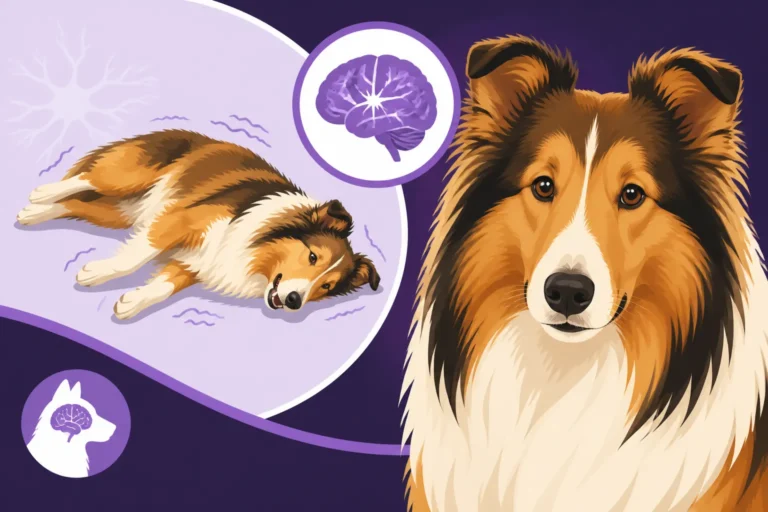
Imagine your dog's stomach filling with gas, expanding like a balloon, and then, horrifically, twisting upon itself. That's essentially what happens during bloat, and it's every deep-chested dog owner's nightmare. In the initial "dilatation" phase, the stomach fills rapidly with gas and sometimes fluid, becoming distended. This alone is incredibly painful and puts pressure on surrounding organs, making it hard for your Collie to breathe and affecting blood flow.
What makes GDV so terrifyingly dangerous is the "volvulus" part – the twisting. When the distended stomach rotates, it effectively pinches off its own blood supply, as well as the entry and exit points (the esophagus and small intestine). This traps the gas and fluid inside, leading to shock, tissue death, and ultimately, if not treated immediately, the death of your dog. Collies are particularly susceptible to bloat due to their deep, narrow chests, a characteristic feature that, unfortunately, makes it easier for their stomachs to flip when distended. Learning more about Bloat in a Deep Chested Collie is vital for every owner.
The speed at which this can happen is astonishing and heartbreaking. One minute your Collie might seem a little uncomfortable, and the next they could be in critical condition. It's not just a digestive upset; it's a true medical emergency that requires immediate veterinary intervention, often involving complex surgery. The critical role of swift action cannot be overstated, as every minute counts in improving the outcome for your dog.
How Post-Meal Activity Increases Risk
So, how does running around after dinner contribute to this catastrophic event? It's largely mechanical. When a dog eats, their stomach fills, becoming heavier and more mobile within the abdominal cavity. If your Collie then engages in strenuous activity—think zoomies, jumping off the couch, vigorous tug-of-war, or even rough play with another dog—that full, heavy stomach can slosh, bounce, and churn.
This violent movement can cause the stomach to swing, rotate, and ultimately twist. It’s akin to trying to spin a filled water balloon. The energy of the movement, combined with the weight and distention of the stomach, creates the perfect storm for it to flip over. Additionally, intense exercise can lead to rapid, panting respiration, which can draw more air into the stomach, exacerbating the gas build-up and increasing the stomach's size and therefore its likelihood of twisting.
We often see this when a dog, especially a younger, boisterous Collie, finishes their meal and immediately wants to play fetch or go for a run. Their enthusiasm is heartwarming, but it's a severe risk. While it might seem harmless, the internal forces at play during such activities are significant. It’s not just about what they eat, but how they digest it in the context of their physical environment. Understanding Why a Collie's Chest Shape Raises Bloat Risk further clarifies this genetic predisposition.
Defining "Rest" for Your Collie After Meals
Knowing that activity after eating is risky is one thing, but figuring out what "rest" truly means for an active, intelligent Collie can be a puzzle for many owners. It’s not about absolute stillness, but about reducing the specific types of movements that can contribute to bloat.
The Ideal Post-Meal Routine
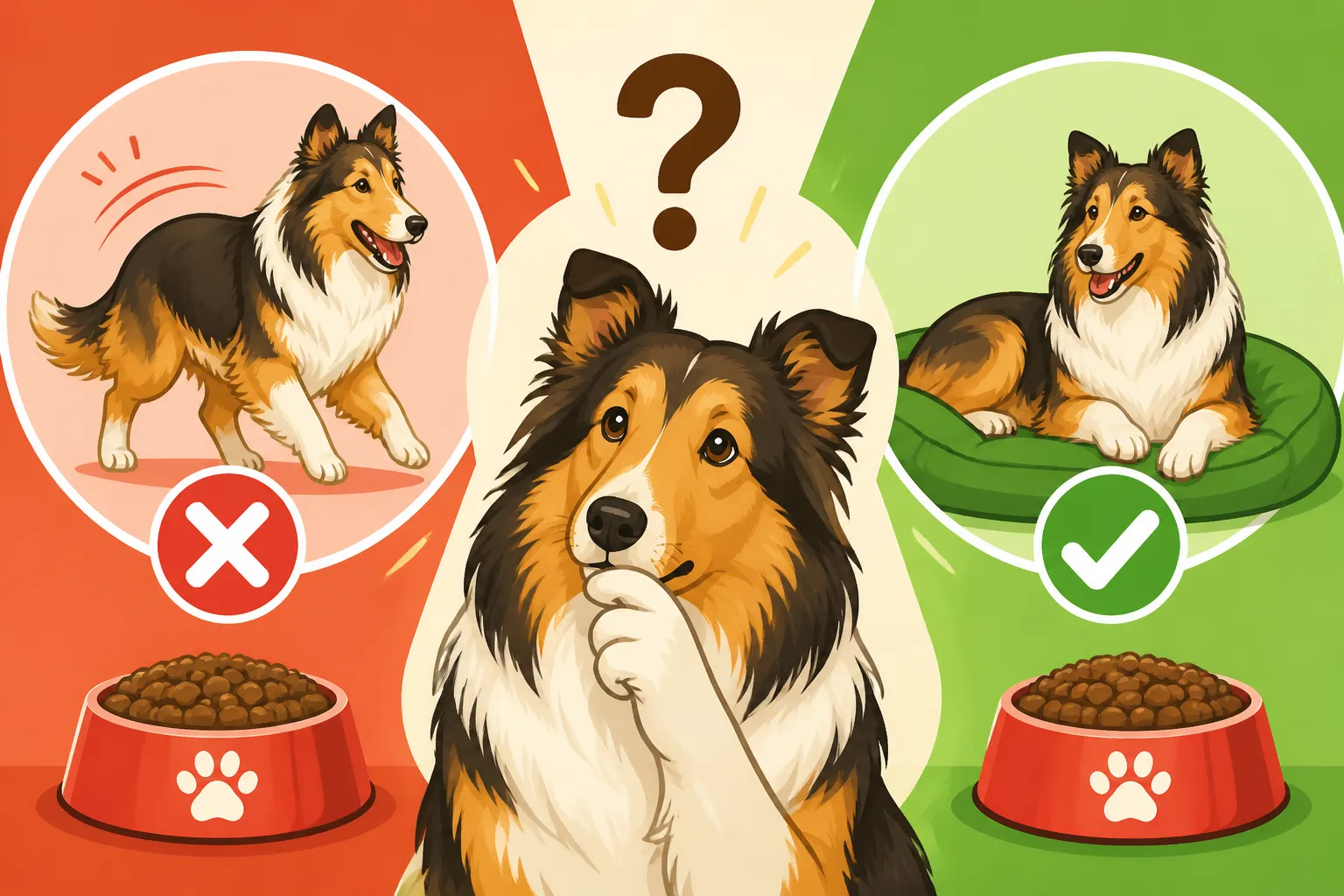
When we talk about "rest" for a Collie after eating, we're looking for a period of low-impact, calm activity, or ideally, actual relaxation. The general recommendation is to enforce a quiet period of at least 30-60 minutes, and ideally up to two hours, after your Collie has eaten. This allows their food to settle and begin the digestive process without undue jostling of the stomach.
During this time, "rest" should look like:
- Quiet time indoors: Lying down on their bed, chewing on a mild, non-strenuous chew toy (like a Kong filled with something they can lick slowly), or simply napping.
- Supervised, calm outdoor breaks: A very short, leisurely potty break on a leash, without any running, jumping, or intense sniffing. This is strictly business, then back inside for more rest.
What to absolutely avoid during this critical window:
- High-intensity exercise: Running, playing fetch, chasing squirrels, roughhousing with other dogs or people.
- Jumping activities: Leaping on and off furniture, jumping up to greet people, or negotiating steep stairs rapidly.
- Bumpy car rides: The jostling of a car on a rough road can be enough to disturb a full stomach.
- Strenuous training sessions: Anything that involves a lot of quick movements, standing on hind legs, or rapid changes in direction.
It might feel restrictive, especially for a young, energetic Collie, but this period of calm is a small trade-off for their health and safety.
Practical Tips for Managing Mealtime Peace
Implementing a post-meal rest period can sometimes be challenging, especially if you have a busy household or multiple dogs. Here are some practical tips to make it easier:
First, establish a consistent feeding schedule. Dogs thrive on routine, and knowing when mealtime is will help them settle into a post-meal rhythm. Feed your Collie in a quiet, designated area where they won't be disturbed by children, other pets, or household hustle and bustle. This allows them to eat calmly and feel secure. If you have multiple dogs, ensure they eat separately and have their own calm spaces for resting afterwards. This prevents competitive eating or immediate post-meal play wrestling.
Consider using a crate during this rest period, if your Collie is crate-trained and views it as a safe, comfortable den. This provides a clear boundary for quiet time and prevents them from self-initiating strenuous activities. Offer a favorite puzzle toy or a long-lasting chew (again, nothing that encourages frantic chewing or gulping) to keep them engaged while they settle. For those moments when you might forget or get distracted, having a clear routine in place acts as a built-in reminder for everyone in the family.
Other Factors Beyond Post-Meal Activity
While post-meal rest is crucial, it's part of a larger picture when it comes to bloat prevention in Collies. Several other factors related to eating habits can also significantly influence the risk.
Eating Habits and Bloat Risk
The way your Collie eats can be just as important as what they do after eating.
- Eating too fast: A common culprit is rapid ingestion of food, often called "gulping" or "scarf and barf." When your Collie eats at lightning speed, they swallow a lot of air along with their food, leading to gastric distention. This excess air can then contribute to the stomach swelling and increasing the chance of it twisting. To combat this, invest in a slow feeder bowl (also known as a puzzle bowl). These bowls have ridges or obstacles that force your Collie to eat around them, significantly slowing down their mealtime and reducing air intake.
- Eating large, single meals: Feeding one massive meal a day can overwhelm your Collie's digestive system and result in a very full, heavy stomach that's more prone to moving around. Instead, aim to split their daily food portion into two or three smaller meals throughout the day. This reduces the volume of food in the stomach at any one time, making it less distended and potentially less risky. For a detailed discussion on this, you might find "Whether a Collie's Meals Should Be Split" very helpful.
- Eating from raised bowls: This is a somewhat controversial topic. For many years, it was thought that raised bowls reduced bloat risk, particularly for deep-chested breeds. However, some studies have suggested that in certain breeds, raised bowls might actually increase the risk, possibly by encouraging faster eating or changing the angle of the esophagus. The current consensus is that there's no definitive proof either way, and it may vary by individual dog. If you use a raised bowl, observe your Collie's eating speed carefully. If they're still gulping air, a slow feeder bowl on the floor might be a better option. Discuss this with your veterinarian to make an informed decision based on your Collie’s specific needs.
Recognizing the Signs of Bloat
Even with the most diligent preventative measures, bloat can sometimes occur. Knowing the signs is paramount because timely recognition and immediate veterinary care are the only things that can save your Collie's life. This is not a condition you can "wait and see" with.
Be on the lookout for a combination of these symptoms:
- Restlessness and pacing: Your Collie might be unable to get comfortable, constantly shifting position.
- Distended abdomen: The most classic sign is a visibly swollen, taut abdomen, especially on the left side, which may feel hard to the touch. This isn't always obvious under a thick Collie coat, so you might need to feel their belly.
- Unproductive retching or gagging: Your Collie will try to vomit but nothing, or very little, comes up. This is a hallmark sign and indicates obstruction.
- Excessive drooling: A sign of discomfort and nausea.
- Pain: Whining, groaning, or guarding their abdomen if you try to touch it.
- Weakness or collapse: As the condition progresses, your Collie may become weak, lethargic, or even collapse due to shock.
- Rapid, shallow breathing: Difficulty breathing due to pressure on the diaphragm.
If you observe any of these signs, especially productive retching and a distended abdomen, consider it an immediate emergency. Do not hesitate. Call your emergency vet clinic (or your regular vet if it's during business hours) on your way, so they can prepare for your arrival. Every minute counts. Learn more about Signs a Collie Is Bloating to be fully prepared. The swiftness required also highlights the value of having pet insurance like Healthy Paws, as emergency bloat surgery can be incredibly expensive, often running into thousands of dollars. Thinking about What a Collie's Emergency Visit Costs can put this into perspective and help you prepare financially.
Proactive Measures and Long-Term Strategies
Preventing bloat is an ongoing commitment for Collie owners, encompassing not just mealtime management but also broader lifestyle adjustments and, in some cases, medical interventions.
Lifestyle Adjustments for Deep-Chested Breeds
Beyond immediate post-meal rest and careful eating habits, a holistic approach to your Collie's well-being can contribute to reducing bloat risk.
Stress Reduction: Believe it or not, stress can be a contributing factor to bloat. Just like in humans, stress can impact a dog's digestive system. Try to maintain a calm and predictable environment for your Collie. Avoid sudden, drastic changes to their routine, if possible. If your Collie is prone to anxiety, consider consulting with a professional trainer or vet about strategies to manage their stress, whether through enrichment, exercise tailored to their temperament, or, in some cases, calming supplements or medication. A calm dog is often a healthier dog.
Hydration and Water Intake: While drinking excessive amounts of water immediately before or after a meal can theoretically contribute to stomach distention, restricting water intake is generally not recommended as it can lead to other health problems. Instead, ensure your Collie always has access to fresh water but avoid letting them gulp down huge amounts of water right before or after eating. If your Collie is a very fast drinker, consider using a slow-water bowl or offering smaller amounts more frequently.
Regular Veterinary Check-ups: Consistent vet visits are crucial for overall health monitoring. Your vet can provide personalized advice on diet, exercise, and preventative care tailored to your Collie's age, health status, and individual risk factors. They can also keep you informed about the latest research and recommendations regarding bloat prevention.
Considering a Preventive Gastropexy
For many deep-chested breeds, including Collies, one of the most effective long-term strategies for bloat prevention is a surgical procedure called a prophylactic gastropexy. This elective surgery permanently attaches the stomach to the abdominal wall, preventing it from twisting (volvulus). It does not prevent the stomach from dilating (filling with gas), but it eliminates the most deadly component of GDV – the twist.
Here’s what you should know:
- What it entails: The surgery involves suturing a portion of the stomach to the inside of the abdominal wall. It can often be performed laparoscopically, which is less invasive and has a faster recovery time.
- When it's typically done: Many owners choose to have a gastropexy performed at the same time as spaying or neutering, as it consolidates two surgical procedures into one anesthetic event. This means one recovery period and often, a reduced overall cost compared to separate surgeries. For those interested, exploring Whether a Collie's Gastropexy Can Share Its Neuter Anesthesia can provide more details.
- Pros: Significantly reduces the risk of fatal bloat, offering immense peace of mind. It’s a one-time procedure.
- Cons: It is still surgery, carrying inherent risks of anesthesia and complications, though these are generally low in healthy dogs. It also incurs a cost.
It’s an important decision that should be made in consultation with your veterinarian, weighing your Collie's individual risk factors, age, and overall health. While it can prevent the fatal twist, remember it doesn't prevent the stomach from filling with gas, so still be vigilant for signs of stomach upset. Pet insurance providers like Healthy Paws might cover elective procedures such as gastropexy, or at least the emergency costs if bloat (dilatation without volvulus) occurs in the future. It’s always wise to check your policy details or inquire with them directly about coverage for preventative measures and emergency care for conditions like bloat. Learning more about Whether a Collie Should Have a Preventive Gastropexy can help you make an informed choice.
| Activity Level After Eating | Risk of Bloat | Recommended Action |
|---|---|---|
| High Activity | High | Avoid entirely (running, jumping, intense play) |
| Moderate Activity | Medium | Avoid (fast walking, stairs, rough car rides) |
| Low Activity | Low | Acceptable (leisurely potty break on leash) |
| No Activity | Very Low | Ideal (napping, quiet chewing, calm lounging) |
Disclaimer
The information provided in this article is for general educational purposes only and is not intended as a substitute for professional veterinary advice. Always consult with your veterinarian regarding your Collie's specific health concerns, treatment options, and preventative care strategies, especially concerning serious conditions like bloat.