Whether a Collie Should Have a Preventive Gastropexy
It’s a terrifying thought for any Collie owner: that sudden, dramatic onset of pain, the distended abdomen, the frantic trips to the emergency vet. Gastric Dilatation-Volvulus, or "bloat," is a devastating condition that strikes deep-chested breeds like Collies, often without warning, and can turn fatal in a matter of hours. This guide will walk you through understanding why Collies are prone to bloat, what a preventive gastropexy involves, and the critical factors to consider when deciding if this surgery is right for your beloved companion.
Understanding the Frightening Reality of Bloat in Collies
Bloat, specifically Gastric Dilatation-Volvulus (GDV), is a medical emergency that sends shivers down the spine of every large breed dog owner. For Collies, with their distinctive deep chests, the risk is a very real and present concern. It’s not just an upset stomach; it’s a life-threatening crisis that demands immediate action.
What Gastric Dilatation-Volvulus (GDV) Actually Is
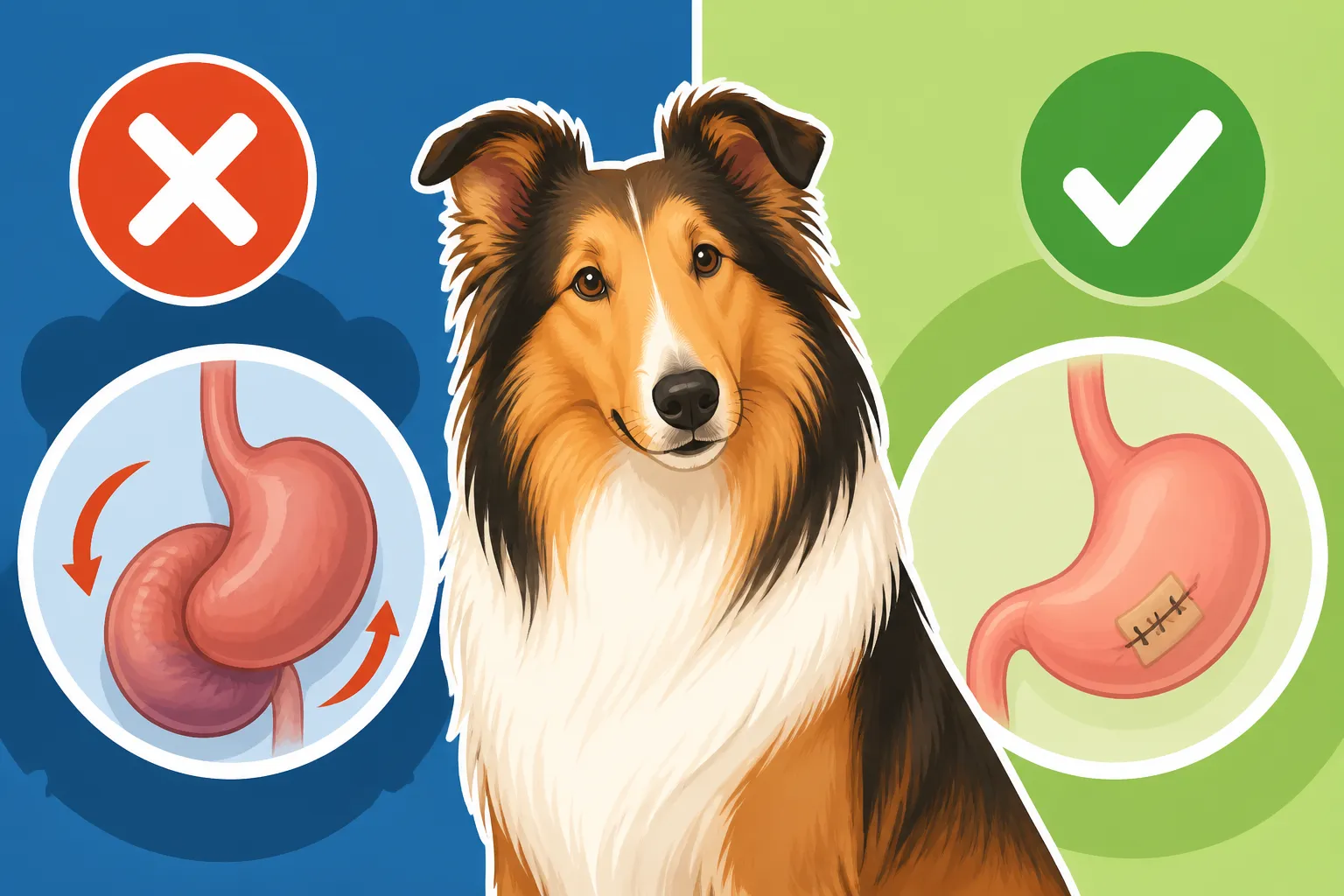
Imagine your Collie’s stomach filling rapidly with gas, expanding like a balloon. This is the "dilatation" part of GDV. If it stopped there, it would be extremely uncomfortable and painful, but often manageable with veterinary intervention. However, in GDV, the problem escalates dramatically. The enlarged stomach then twists on its axis, completely cutting off both the entrance and exit. This "volvulus" part traps the gas, food, and fluids inside, and critically, it also kinks the blood vessels supplying the stomach and, sometimes, the spleen.
This twisting action can lead to a cascade of life-threatening events. The lack of blood flow quickly causes tissue death in the stomach wall, toxins build up and are released into the bloodstream, and the immense pressure can impact breathing and heart function. Without emergency surgery, the outcome is almost always fatal. It's a race against time, where every minute counts from the moment symptoms appear. The urgency is why conditions like bloat are often considered when discussing things like How Fast Bloat Kills a Collie.
Why Collies Are Particularly at Risk
Collies, both Rough and Smooth varieties, fall squarely into the category of breeds predisposed to GDV due to their body conformation. Their deep, narrow chests are a hallmark of the breed, and unfortunately, this body type creates the ideal anatomical conditions for the stomach to distend and twist. It’s less about being overly active or a specific diet, and more about the mechanics of how their internal organs are suspended within that chest cavity.
Beyond body shape, other factors can increase a Collie's risk. Rapid eating, consuming large meals, excessive activity before or after eating, high stress levels, and even age can play a role. There's also a strong genetic component to GDV, suggesting that if a Collie's close relatives have bloated, their risk might be higher. Understanding these contributing factors, and recognizing the Why a Collie's Chest Shape Raises Bloat Risk, is crucial for any Collie owner.
Recognizing the Urgent Signs of Bloat
One of the most terrifying aspects of bloat is how quickly it progresses. Knowing the signs is not just helpful, it's potentially life-saving. Early symptoms might be subtle, but they rapidly escalate. You might see your Collie attempting to vomit but bringing nothing up (non-productive retching), pacing restlessly, drooling excessively, or acting generally uncomfortable. They might try to stretch out or look at their side, indicating abdominal pain.
As the condition worsens, their abdomen will become visibly distended and feel hard to the touch. They may show signs of shock, such as pale gums, rapid heart rate, weakness, or collapse. Any of these signs, especially the non-productive retching or a distended abdomen, warrant an immediate trip to the emergency veterinarian. Do not wait to see if it improves; assume it is bloat and seek urgent care. Learning to spot these crucial indicators means knowing the Signs a Collie Is Bloating is vital for every owner.
What a Preventive Gastropexy Entails
Given the severe risks associated with GDV, many Collie owners consider a preventive measure: the gastropexy. This surgical procedure aims to prevent the stomach from twisting, thereby eliminating the most dangerous aspect of bloat. It's not a decision to be taken lightly, but understanding the procedure can help you and your vet make an informed choice.
The Surgical Procedure: Securing the Stomach
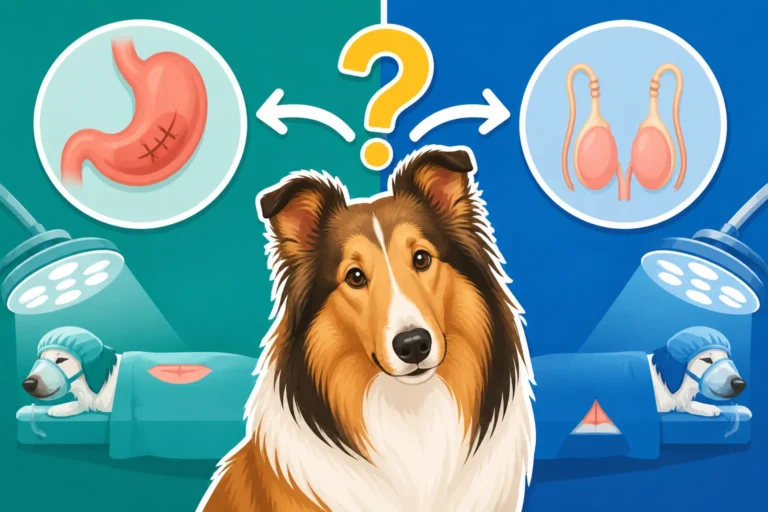
A preventive gastropexy is a surgical procedure where a portion of the stomach is permanently attached to the abdominal wall. This attachment prevents the stomach from rotating, which is the "volvulus" part of GDV. It doesn't prevent the stomach from dilating (filling with gas), but it ensures that even if it does dilate, it cannot twist. This drastically reduces the life-threatening nature of a bloat episode. If a dog with a gastropexy experiences stomach distension, it can still be uncomfortable and require vet attention to relieve the gas, but the critical, often fatal, torsion is avoided.
The goal is to create a strong, lasting adhesion between the stomach and the body wall. There are different techniques, but all aim for this permanent fixation. The surgery typically involves making an incision into the abdomen, identifying the pyloric (outlet) end of the stomach, and then suturing it to the right side of the abdominal wall. This secure connection acts as an anchor, holding the stomach in its correct anatomical position.
Different Approaches: Open vs. Laparoscopic Gastropexy
Over the years, veterinary medicine has advanced, offering different methods for performing a gastropexy, each with its own advantages and recovery profiles.
-
Open Gastropexy: This is the traditional method, requiring a larger incision into the abdomen, similar to a spay or neuter surgery. The vet directly visualizes and manipulates the stomach, performing the attachment manually. While more invasive, it's a very effective and time-tested method, often performed by general practitioners. The recovery time is generally longer due to the larger incision, but the success rate in preventing torsion is excellent. For some owners, the idea of a major abdominal surgery can be daunting, but it remains a solid option.
-
Laparoscopic Gastropexy: This minimally invasive technique is becoming increasingly popular. It involves making one or two small incisions through which a camera (laparoscope) and specialized surgical instruments are inserted. The surgeon views the internal organs on a monitor and uses the instruments to perform the stomach attachment. This method significantly reduces incision size, leading to less pain, faster recovery times, and often fewer complications associated with wound healing. However, it requires specialized equipment and training, so it may not be available at all veterinary clinics and can sometimes be more expensive due to the advanced technology and specialist fees. The decision between an open and laparoscopic procedure often depends on vet availability, cost, and the specific patient's needs.
How a Gastropexy Protects Your Collie
It's crucial to understand that a gastropexy doesn't prevent bloat itself – your Collie's stomach can still fill with gas. What it does prevent is the life-threatening twisting (volvulus) of the stomach. This distinction is important because while the immediate, fatal emergency is averted, your Collie could still experience discomfort from gas buildup.
In a dog with a gastropexy, if their stomach dilates, it will remain in its normal anatomical position. The gas can then be relieved more easily by your veterinarian, often without requiring emergency surgery. This means that instead of a frantic, expensive, and high-risk emergency procedure, you're likely facing a less invasive and more predictable veterinary visit. It transforms a potentially fatal situation into a serious but manageable health concern, offering invaluable peace of mind for Collie owners who are constantly vigilant about this breed-specific risk.
Key Considerations Before Electing Gastropexy
Deciding whether to pursue a preventive gastropexy for your Collie involves weighing several factors, from your dog's age and health to the financial implications and your comfort level with surgery. There's no one-size-fits-all answer, and a thorough discussion with your veterinarian is paramount.
Age and General Health of Your Collie
The ideal time for a preventive gastropexy is often when a Collie is young and healthy. Many veterinarians recommend performing it concurrently with spaying or neutering, typically around 6-18 months of age. At this stage, dogs are generally robust, recover well from anesthesia, and haven't yet developed any significant health issues that could complicate surgery. Combining procedures can also reduce the overall cost and the number of times your Collie needs to undergo anesthesia. This dual-purpose surgery is often explored when considering Whether a Collie's Gastropexy Can Share Its Neuter Anesthesia.
However, gastropexy can also be performed on older Collies, especially if they are deemed to be at high risk or if an owner has experienced a previous bloat episode with another dog. In older dogs, a more thorough pre-surgical workup is essential to assess organ function and overall health, ensuring they are good candidates for anesthesia and recovery. Any underlying conditions, such as heart murmurs, kidney issues, or even Whether a Collie Gets Thyroid Disease, need to be carefully evaluated and managed before elective surgery.
Individual Risk Factors and Family History
While all deep-chested breeds carry a risk of bloat, individual Collies can have varying degrees of susceptibility. One of the strongest predictors is a family history of GDV. If a Collie’s parents or siblings have bloated, their own risk significantly increases. This is why a reputable breeder will often provide information about the health history of their lines.
Beyond genetics, other individual factors can influence risk. A naturally anxious or stressed Collie might be more prone to bloat. Eating habits, such as gulping food quickly, can also increase the likelihood of ingesting too much air. While some of these factors can be managed with behavioral adjustments and slow-feeder bowls, a preventive gastropexy offers a physical safeguard against the most severe outcome. Your veterinarian can help you assess your Collie's specific risk profile based on their breed, temperament, lifestyle, and family background.
Financial Commitments and Pet Insurance
The cost of a preventive gastropexy can vary significantly depending on your location, the veterinary clinic, the surgical technique (open vs. laparoscopic), and whether it's combined with another procedure. Generally, you can expect to pay anywhere from a few hundred dollars to well over a thousand, with laparoscopic procedures often on the higher end due to specialized equipment. For many owners, the question of What a Collie's Gastropexy Costs is a major factor.
This is where pet insurance can be a huge help. Many policies, particularly those from providers like Healthy Paws, will cover preventive gastropexy if it's not considered a pre-existing condition and if your veterinarian deems it medically necessary due to breed predisposition. It’s always wise to check your specific policy details or speak with a representative from Healthy Paws or your chosen insurer to understand coverage before scheduling the surgery. Proactive insurance enrollment when your Collie is a puppy, before any conditions arise, ensures the best coverage for future needs, including procedures like gastropexy or management of other breed-specific concerns such as Collie Eye Anomaly Affects Most Collies, So Ask How Badly. Considering Whether Pet Insurance Is Worth It on a Collie often comes down to weighing these potential costs against monthly premiums.
The Advantages and Disadvantages of Preventive Gastropexy
Like any surgical procedure, a preventive gastropexy comes with its own set of pros and cons. It's about weighing the significant benefits of preventing a deadly emergency against the inherent risks of surgery and the recovery period.
The Peace of Mind and Life-Saving Benefits
The primary and most compelling advantage of a preventive gastropexy is the immense peace of mind it offers Collie owners. Knowing that the most life-threatening aspect of bloat — the twisting stomach — has been mitigated is invaluable. This is especially true for owners who may have previously lost a dog to GDV or those who live far from emergency veterinary care. While your Collie could still bloat with gas, the critical emergency is largely avoided, transforming a potentially fatal event into a far more manageable one.
This procedure significantly reduces the need for frantic, late-night emergency visits that are both terrifying and incredibly expensive. The survival rate for emergency GDV surgery is lower than for a planned preventive gastropexy, and the recovery is much harder on the dog. By opting for prevention, you are actively increasing your Collie's chances of a longer, healthier life, protecting them from one of the most devastating conditions they can face.
Potential Surgical Risks and Post-Operative Complications
While highly beneficial, a gastropexy is still major surgery and carries inherent risks. Anesthesia, though generally safe, always poses a slight risk, especially for breeds that might have other genetic sensitivities. For example, some Collies have the Assume Your Collie Has the MDR1 Mutation, which can affect how they metabolize certain drugs, including some anesthetics. It's crucial to discuss your Collie's full genetic health panel with your vet to ensure the safest anesthetic protocol.
Other potential complications include infection at the surgical site, pain, bleeding, or suture dehiscence (where the surgical repair comes apart). Though rare, serious complications could require additional surgery. The choice of an experienced surgeon and a diligent post-operative care plan can significantly minimize these risks. It's important to remember that most Collies recover without issue, but being aware of the possibilities allows for informed decision-making.
The Recovery Process: What to Expect
The recovery period following a gastropexy, whether open or laparoscopic, requires careful management. Your Collie will need to be kept quiet and restricted from strenuous activity for several weeks to allow the surgical site to heal properly and for the stomach to form a strong adhesion to the abdominal wall. This means no running, jumping, or rough play. Leash walks for potty breaks will be the extent of their exercise initially.
You'll need to monitor the incision site daily for any signs of redness, swelling, discharge, or pain. Pain medication will be prescribed to keep your Collie comfortable, and antibiotics might be given to prevent infection. An Elizabethan collar (cone) will likely be necessary to prevent your Collie from licking or chewing at the incision, which can lead to infection or reopening the wound. Your vet will provide specific instructions for feeding and care during this period. While the recovery can be challenging, particularly for active Collies, it's a temporary phase that leads to long-term protection. Most Collies bounce back well and return to their normal selves within a few weeks.
Here's a quick comparison of the two main surgical approaches:
| Feature | Open Gastropexy | Laparoscopic Gastropexy |
|---|---|---|
| Incision Size | Larger, traditional incision | One or two small incisions (keyhole) |
| Invasiveness | More invasive | Minimally invasive |
| Pain Level | Generally more post-operative pain | Generally less post-operative pain |
| Recovery Time | Longer, typically 3-4 weeks strict restriction | Shorter, often 1-2 weeks strict restriction |
| Equipment Needed | Standard surgical tools | Specialized camera (laparoscope) and instruments |
| Availability | Widely available at most veterinary clinics | May require referral to a specialist or larger hospital |
| Cost | Often lower to moderate | Often higher due to technology and specialist fees |
| Visibility for Surgeon | Direct visualization of internal organs | Visualization on a monitor |
Making the Right Decision for Your Collie
The choice to pursue a preventive gastropexy is deeply personal and should be made in close consultation with your veterinarian. There are many factors at play, and ensuring your Collie's overall well-being is always the top priority.
Consulting Your Veterinarian: Your Most Trusted Resource
Your veterinarian is your most important ally in making this decision. They know your Collie's individual health history, temperament, and potential risks better than anyone. During a consultation, they will:
- Assess your Collie's overall health: A thorough physical exam and possibly blood work will determine if your Collie is a good candidate for surgery and anesthesia.
- Discuss breed and individual risk factors: They can help you understand how your Collie's specific characteristics contribute to their GDV risk.
- Explain the different surgical options: Your vet can detail the open versus laparoscopic procedures, including their availability and costs.
- Outline the benefits and risks specific to your Collie: They can provide a realistic picture of what to expect during and after surgery.
- Address your concerns: Don't hesitate to ask every question you have, no matter how small. This is a big decision, and you deserve to feel completely informed and comfortable.
They can also advise on other aspects of your Collie's care, such as nutrition and exercise, that contribute to their overall health and longevity, tying into broader discussions about How Long a Collie Lives and What Ends It.
Combining with Other Necessary Procedures
One common approach, as mentioned, is to perform a preventive gastropexy at the same time as spaying or neutering. This makes a lot of sense, as your Collie is already undergoing anesthesia and recovering from an abdominal incision. Combining these procedures can reduce the overall stress on your dog, minimize the total amount of anesthesia exposure, and potentially lower the cumulative cost compared to two separate surgeries.
If your Collie is already spayed or neutered, or if they are older, a standalone gastropexy can still be a viable option. Your vet will help you determine the best timing and approach based on your Collie's age and health status. The key is to schedule it at a time when you can dedicate the necessary post-operative care and ensure a smooth recovery. For owners of new puppies, discussing this possibility when first acquiring a dog is part of understanding What a Collie Puppy Costs in 2026 and the long-term health investments.
Beyond Surgery: Ongoing Management and Prevention
Even with a preventive gastropexy, continuing to practice good management strategies for bloat risk is important. While the most dangerous aspect (torsion) is prevented, your Collie can still experience gastric dilatation (gas bloat), which can be uncomfortable and still requires veterinary attention to relieve the gas.
- Feeding Habits: Continue to feed smaller, more frequent meals rather than one large meal a day. Consider using a slow-feeder bowl to prevent rapid eating and excessive air ingestion.
- Activity Around Meals: Avoid strenuous exercise or highly exciting play for at least an hour before and after meals.
- Dietary Choices: While no diet guarantees bloat prevention, some vets recommend consulting on the best food choices for your breed.
- Stress Reduction: Maintain a calm and consistent routine for your Collie, as stress can be a contributing factor.
Regular veterinary check-ups are also crucial to monitor your Collie's overall health. Your vet can advise on any new research or updated recommendations regarding bloat prevention and other breed-specific health concerns. Being proactive about their health, just like when Caring for a Collie Past Nine, ensures they have the best possible quality of life. Even with a gastropexy, knowing the symptoms of bloat and seeking immediate veterinary care if your Collie shows signs of severe discomfort or non-productive retching is essential, as prompt action can still make a difference.
Disclaimer
This article is for general informational purposes only and does not constitute professional advice. Laws, prices and regulations vary by location and change over time. Consult a qualified professional for guidance on your specific situation.