Whether a Collie Gets Degenerative Myelopathy
One of the most heart-wrenching things to witness as our beloved Collies age is a decline in their mobility. We often worry about everything from arthritis to hip issues, but when symptoms start hinting at something more sinister, like a neurological problem, it can send us into a spiral of anxiety. Degenerative Myelopathy is a scary term, and many dog owners wonder if this progressive, debilitating condition is something they need to actively worry about with their gentle, intelligent Collies. This guide aims to thoroughly explore whether Collies are at significant risk for Degenerative Myelopathy and what you, as a loving owner, need to know.
Understanding Degenerative Myelopathy in Dogs
Degenerative Myelopathy, often abbreviated as DM, is a truly cruel disease that robs a dog of its ability to move, slowly and inevitably. It’s a progressive neurological condition affecting the spinal cord, leading to hind limb weakness and eventual paralysis. For any dog owner, facing a diagnosis or even the possibility of DM is incredibly distressing because, at this time, there is no cure, only management of symptoms to maintain quality of life.
What Is Degenerative Myelopathy?
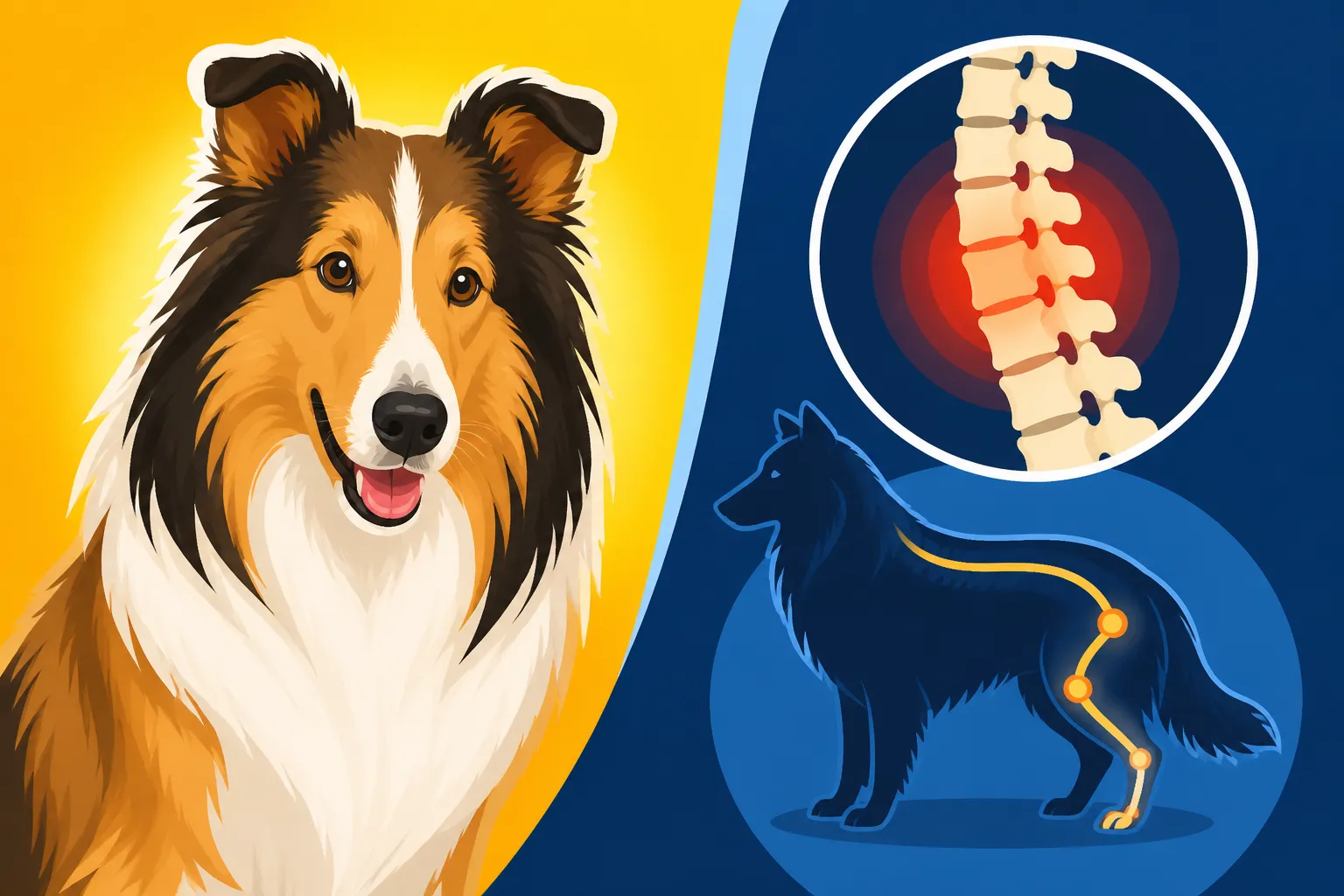
Imagine the spinal cord as a superhighway carrying vital messages between the brain and the rest of the body. In dogs with Degenerative Myelopathy, the protective myelin sheath around the nerves in the spinal cord begins to break down, particularly in the thoracic (chest) and lumbar (lower back) regions. This demyelination disrupts the nerve signals, much like frayed wires in an electrical system. The messages just can't get through efficiently, or at all. The process is non-inflammatory, meaning it's not caused by infection or injury in the typical sense, but rather a slow, insidious degeneration of the nerve fibers themselves.
The symptoms are typically insidious, meaning they start very subtly and worsen over time. It’s not an overnight collapse but a gradual decline in coordination and strength. Owners might first notice their dog stumbling, scuffing their nails, or having difficulty rising after lying down. The disease often progresses unevenly, sometimes affecting one hind leg more than the other initially, which can be confusing. It's a disease that attacks the very essence of a dog's freedom and joy in movement, leaving owners feeling helpless as they watch their companion fade.
Common Breeds Affected by DM
While any dog can theoretically develop DM, it's widely recognized to have a strong genetic predisposition in certain breeds. German Shepherds are arguably the poster children for DM, with a significant percentage of the breed being at risk. Other breeds with a known higher prevalence include Boxers, Pembroke Welsh Corgis, Chesapeake Bay Retrievers, Rhodesian Ridgebacks, Bernese Mountain Dogs, and standard Poodles. For these breeds, the fear of DM is a very real and often discussed topic among breeders and owners.
The reason these breeds are more commonly affected ties back to a specific genetic mutation. Breeders of these at-risk lines often perform DNA testing to try and reduce the incidence of DM in their puppies. This selective breeding is a crucial step in trying to safeguard the health of future generations. When we talk about Collies and DM, it's helpful to understand this broader context of breed-specific risk factors, as it frames the discussion around how prevalent – or not – this condition is for our beloved long-nosed companions.
The Genetics Behind DM
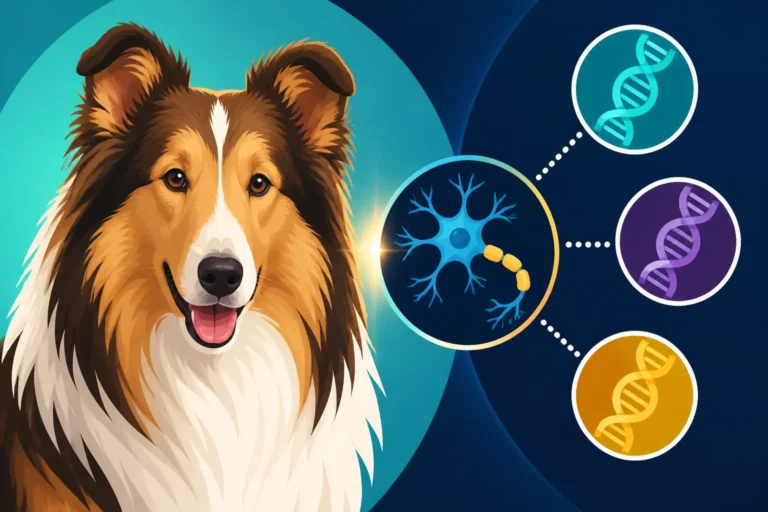
The genetic link for Degenerative Myelopathy has been traced to a mutation in the Superoxide Dismutase 1 (SOD1) gene. This gene is responsible for producing an enzyme that helps protect cells from damage. A specific mutation (SOD1-A) is strongly associated with DM in many breeds. Inheritance is recessive, which is a crucial point for understanding how it spreads through a population.
What does recessive mean in this context? It means a dog needs to inherit two copies of the mutated gene – one from each parent – to be at risk of developing the disease.
- Clear (N/N): The dog has two normal copies of the gene and is highly unlikely to develop DM related to this mutation, and cannot pass the mutation to offspring.
- Carrier (A/N): The dog has one normal copy and one mutated copy. Carriers are generally not expected to develop DM themselves, but they can pass the mutated gene to their offspring.
- At Risk (A/A): The dog has two copies of the mutated gene. This dog is genetically at risk for developing DM. It's important to note that "at risk" does not mean "will definitely get DM." Some dogs with two copies of the gene live their entire lives without showing symptoms, while others develop the disease. However, the vast majority of dogs that do develop DM are found to be A/A.
This genetic understanding has been a game-changer for breeders, allowing them to make informed decisions to reduce the frequency of the gene in their lines. For Collie owners, understanding this genetic basis is key to assessing their own dog's potential risk, even if it's considered low for the breed.
Is DM a Common Concern for Collies?
After diving into the frightening realities of Degenerative Myelopathy, the immediate question for any Collie owner is, "How much should I actually worry about this?" It's a valid concern, especially when you consider how many specific health issues Collies can face.
The Collie's Specific Genetic Health Profile
Collies, bless their hearts, come with their own unique set of genetic predispositions and health concerns that often take precedence in a breeder's and owner's mind. For instance, the MDR1 mutation is a huge topic for Collies, dictating which medications they can safely take. Owners often start by asking if they should Assume Your Collie Has the MDR1 Mutation until proven otherwise, a critical safety measure. Another primary concern is Collie Eye Anomaly Affects Most Collies, So Ask How Badly, a condition that needs early screening.
Breeders, when discussing the three genetic tests a Collie breeder has already paid for or should be doing, typically focus on these more prevalent Collie-specific issues, such as MDR1, CEA, and sometimes Gray Collie Syndrome or Dermatomyositis. While a full genetic panel might include a DM test, it's rarely at the top of the list of concerns for a responsible Collie breeder, simply because the breed isn't known for a high incidence of the SOD1 mutation that causes DM. This isn't to say it never happens, but it puts the risk into perspective when compared to other breeds or even other conditions within the Collie breed itself.
The Real Risk for Collies
So, let's get to the heart of the matter: the real risk of DM for your Collie. The good news is that Collies are generally not considered a high-risk breed for Degenerative Myelopathy. When you look at the breeds most commonly affected, Collies do not typically appear on those lists with the same frequency or urgency as, say, German Shepherds or Corgis. This should be a significant source of relief for Collie owners.
However, "not high-risk" does not mean "zero risk." Any dog, regardless of breed, could theoretically carry the SOD1 gene mutation or develop a similar neurological condition from other causes, though that would not be classified as DM. The key distinction is that the specific genetic mutation associated with DM in high-risk breeds is not widely prevalent in the Collie gene pool. This means that if you have a Collie presenting with hind-end weakness, your veterinarian will likely explore more common Collie-related issues or general geriatric conditions before jumping to a DM diagnosis. This distinction can save you a lot of initial worry, but it doesn't mean we completely ignore neurological symptoms.
Differentiating DM from Other Mobility Issues
This is where it gets tricky for any owner. How do you know if it's DM or something else entirely? Many conditions in aging dogs can mimic the early signs of DM, and given that DM is less common in Collies, these other issues are often more likely culprits.
Here's a table to help differentiate some common mobility issues from DM:
| Symptom Category | Degenerative Myelopathy (DM) | Hip Dysplasia / Arthritis | Spinal Cord Compression (IVDD) |
|---|---|---|---|
| Onset | Slow, insidious, progressive | Gradual, often intermittent, worsened by activity/weather | Acute, sudden worsening, often after jumping/trauma |
| Pain | Generally painless (loss of nerve function) | Often painful, stiff, lameness | Typically very painful, guarding, yelping |
| Affected Area | Primarily hind limbs, symmetrical weakness, eventually front limbs | Primarily hips/joints, often one-sided or asymmetrical lameness | Localized to compressed area, can affect hind limbs, often acute weakness/paralysis |
| Reflexes | Diminished or absent proprioception (knuckling), normal withdrawal reflex initially | Often normal or slightly reduced due to pain | Can be hyper-reflexive, absent, or normal depending on severity and location |
| Muscle Loss | Rapid, noticeable muscle atrophy in hind limbs | Slower atrophy, often due to disuse | Variable, can be rapid if nerve supply is cut off |
| Gait | Wobbly, uncoordinated, scuffing paws, crossing hind legs, wide stance | Stiff, bunny hopping, reluctance to jump/climb | Ataxic (uncoordinated), dragging limbs, can be complete paralysis |
For a Collie, conditions like Hip Dysplasia in a Collie or general arthritis in an older Collie are much more probable causes of hind leg weakness or an altered gait. If your Collie is starting to slow down, showing stiffness, or having trouble with stairs, these musculoskeletal issues are usually the first thing a vet will investigate. For example, if you notice Signs a Collie Has Hip Dysplasia, it's more likely to be that than DM.
Another possibility could be a disc issue, even if less severe than full-blown IVDD (Intervertebral Disc Disease). Nerve root impingement from spondylosis (spinal arthritis) is also a common age-related change that can cause similar symptoms to DM, but with different underlying pathology and often better prognosis or management. Your vet will conduct a thorough neurological exam to try and pinpoint the source of the problem, looking at things like proprioception (the dog's awareness of its paw placement), reflexes, and muscle tone.
Recognizing the Signs and What to Do
Even if DM is less common in Collies, knowing the signs is crucial for any responsible dog owner. Early detection, even if it leads to a diagnosis of a different condition, allows for quicker intervention and better management, ensuring your Collie remains as comfortable and active as possible for as long as possible.
Early Symptoms of DM
The onset of Degenerative Myelopathy is frustratingly subtle. It usually begins between 8 and 14 years of age, which means it can easily be mistaken for normal aging or other age-related issues. The initial signs almost always manifest in the hind limbs.
You might notice your Collie:
- Hind End Weakness: Perhaps they seem a bit wobbly when standing still, or their rear end sways more than usual. This weakness isn't typically painful, which is a key differentiator from many orthopedic issues.
- Scuffing Paws: One of the earliest and most classic signs is when the dog starts dragging or scuffing its hind paws, particularly when turning. You might hear their nails scraping on pavement or notice the top of their nails wearing down unevenly.
- Uncoordinated Gait (Ataxia): Their walk becomes less smooth. They might appear clumsy, stumble, or cross their hind legs when walking. It looks like they’re drunk or unsure of where their feet are going.
- Difficulty Rising: Getting up from a lying position, especially on slippery floors, becomes harder work. They might push off with their front legs first, struggling to get their hindquarters underneath them.
- Loss of Muscle Mass: Over time, you'll likely observe noticeable muscle atrophy in their hind legs, even if they're still moving around. This wasting happens because the nerves aren't properly stimulating the muscles.
These symptoms often start subtly, perhaps just an occasional stumble, and then gradually worsen over weeks or months. Keeping a diary of observations can be incredibly helpful for your vet in understanding the progression.
Progression of the Disease
DM is relentlessly progressive. Once symptoms begin, they typically worsen over a period of 6 to 12 months, though the rate of progression can vary slightly from dog to dog.
The disease usually follows a predictable, albeit heartbreaking, path:
- Increased Hind Limb Weakness: What started as a wobble becomes significant difficulty walking. Your Collie might struggle with stairs, jumping into the car, or even standing for long periods.
- Loss of Coordination: The ataxia becomes more pronounced. They may fall frequently, especially on uneven terrain or when changing direction.
- Incontinence: As nerve function deteriorates, control over bladder and bowels is often lost. This can be one of the most challenging aspects of care for owners, requiring diligent hygiene and management.
- Complete Hind Limb Paralysis: Eventually, the dog will lose the ability to use its hind legs entirely, becoming paraplegic.
- Front Limb Involvement: In the later stages, the degeneration can ascend the spinal cord to affect the front limbs, though this is less common and occurs much later in the disease's course.
It's a difficult journey, and the decision about when to say goodbye is often made when the dog's quality of life diminishes despite all efforts. Understanding the full progression helps owners prepare and make compassionate choices.
Diagnosing DM in Your Collie
Diagnosing Degenerative Myelopathy is a process of exclusion. There's no single definitive live animal test that gives an immediate "yes" or "no" answer, though the SOD1 DNA test is highly indicative.
Here's how a vet typically approaches a suspected DM case:
- Thorough Neurological Exam: This is the first and most critical step. The vet will test reflexes, proprioception (knowing where their feet are), and pain response. A classic DM sign is loss of proprioception (e.g., knuckling over without correcting the paw) with normal pain sensation in the limbs, meaning they can still feel you pinch their toe even if they can't move it properly.
- Ruling Out Other Conditions: This is where the exclusion comes in. Your vet will recommend tests to eliminate other potential causes of hind limb weakness, such as:
- X-rays: To check for arthritis, hip dysplasia (a common issue discussed in The Age a Collie's Hips Should Be X Rayed), spinal tumors, or disc disease.
- Bloodwork: To check for metabolic diseases, thyroid issues (which can affect mobility, see Signs a Collie's Thyroid Is Low), or infections. This routine check is part of what What a Collie's Bloodwork Costs covers and is important for senior Collies.
- MRI or CT Scan: These advanced imaging techniques can rule out spinal cord compression from disc herniations, tumors, or cysts that could be treated. If these scans come back clear, it strengthens the suspicion of DM.
- DNA Test for SOD1: While not a diagnostic for the disease, a positive result for two copies (A/A) of the SOD1 mutation in a dog showing classic clinical signs of DM, and with other conditions ruled out, makes the DM diagnosis highly probable. A negative result (N/N or A/N) virtually rules out DM caused by this specific mutation, though other, rarer neurological conditions could still be present. Wisdom Panel offers such tests as part of a larger panel, and other labs might offer it individually.
The only truly definitive diagnosis of DM is through post-mortem histopathological examination of the spinal cord. This means that for a living dog, DM is a diagnosis of high probability after ruling out everything else and often confirmed by the SOD1 gene test result.
Managing Life with a Collie with Suspected DM
Receiving a diagnosis, or even a strong suspicion, of Degenerative Myelopathy for your beloved Collie is devastating. It's natural to feel overwhelmed. While there's no cure, there is a lot you can do to manage the symptoms, maintain your Collie's comfort, and ensure they have the best possible quality of life for as long as possible. This is truly where the "caring for a Collie" journey takes a challenging turn, often leading to decisions about Caring for a Collie Past Nine.
Supportive Care and Quality of Life
The cornerstone of managing DM is providing aggressive supportive care aimed at maintaining muscle strength, mobility, and overall comfort. This is a battle against degeneration, and consistency is key.
- Physical Therapy (PT) and Exercise: Regular, controlled exercise is crucial to keep existing muscles strong and slow atrophy. This doesn't mean vigorous runs; it means focused activities.
- Structured Walks: Keep walks short, frequent, and on stable surfaces. Help your Collie maintain a steady gait.
- Hydrotherapy: Swimming or underwater treadmill therapy can be incredibly beneficial. The buoyancy of water reduces stress on joints while still allowing for muscle engagement. Many Collies enjoy water, and it’s a gentle way to exercise.
- Passive Range of Motion (PROM) Exercises: Your vet or a certified canine rehabilitation therapist can teach you how to gently move your Collie's limbs through their full range of motion. This helps maintain joint flexibility and stimulates muscles.
- Balance Exercises: Activities like cavaletti poles or using wobble boards can help improve proprioception and strengthen core muscles.
- Mobility Aids: As the disease progresses, your Collie will need assistance.
- Slings/Harnesses: A hind-end support sling or a full-body harness with a handle allows you to help your Collie up, steady them during walks, and assist with stairs.
- Wheelchairs/Carts: Many dogs with advanced DM thrive in custom-fit wheelchairs. These allow them to remain mobile, enjoy walks, and maintain independence, greatly improving their mental and physical well-being.
- Ramps and Non-Slip Surfaces: Install ramps for beds and cars. Lay down non-slip mats or rugs on slippery floors to prevent falls and build confidence.
- Comfort and Hygiene: As mobility decreases, so does the ability to keep themselves clean.
- Soft Bedding: Provide orthopedic beds to prevent pressure sores, especially if your Collie spends more time lying down.
- Regular Cleaning: Be diligent with cleaning after accidents to prevent skin irritation and infections, which can be challenging under all that Collie coat.
Remember, the goal is to keep your Collie active and engaged as much as possible, focusing on their mental health as well as their physical state. They may be losing function, but they still deserve joy.
Nutritional and Supplement Support
While no diet or supplement can stop the progression of DM, certain nutritional strategies and supplements might help support neurological health and manage secondary issues like inflammation or oxidative stress. Always discuss these with your veterinarian before introducing them.
- Antioxidants: Supplements like Vitamin E, Vitamin C, Coenzyme Q10, and Alpha-Lipoic Acid are often suggested to combat oxidative stress, which plays a role in neurodegenerative diseases. While not a cure, they might offer some cellular protection.
- Omega-3 Fatty Acids: EPA and DHA, found in fish oil, have anti-inflammatory properties that could help with any secondary inflammation or provide general neurological support. These are commonly recommended for overall canine health and often for conditions like Whether a Collie Gets Arthritis Early.
- B Vitamins: Specifically B1 (Thiamine), B6 (Pyridoxine), and B12 (Cobalamin) are crucial for nerve health. Your vet might recommend a B-complex supplement.
- L-Carnitine: Some studies have suggested L-Carnitine might be beneficial, as it plays a role in energy metabolism within cells, including nerve cells.
- High-Quality Diet: Ensure your Collie is on a well-balanced, high-quality diet appropriate for their age and activity level. Maintaining a healthy weight is paramount to reduce stress on weakening limbs. For an older Collie, sometimes a softer or more digestible food is also beneficial.
These are supportive measures, not treatments for the disease itself, but they can contribute to your Collie's overall well-being.
Financial Considerations and Pet Insurance
Let's be realistic: managing a chronic, progressive condition like DM, even if less common in Collies, can become a significant financial strain. From diagnostic tests to physical therapy, mobility aids, and ongoing supportive care, the costs can add up quickly. This is where proper financial planning and pet insurance become invaluable.
- Diagnostic Costs: The initial workup to rule out other conditions can involve multiple vet visits, X-rays, blood tests, and potentially expensive advanced imaging like MRIs. What a Collie's Bloodwork Costs is just one piece of a potentially larger puzzle.
- Ongoing Care: Physical therapy sessions, slings, wheelchairs, waterproof bedding, specialized diets, and supplements all have price tags. These are recurring costs that continue throughout the disease's progression.
- Medications: While DM itself doesn't have a specific drug treatment, your vet might prescribe medications to manage secondary issues like pain from compensatory muscle strain or urinary tract infections due to incontinence.
This is precisely why thinking ahead with pet insurance is so important. A reputable provider like Healthy Paws can offer crucial financial support for unexpected illnesses and accidents. If you've considered Insuring a Collie Against Inherited Disease early in your dog's life, before any symptoms appear, a diagnosis like DM could be covered, easing the burden of care. Having a plan in place, whether it's an emergency fund or a comprehensive pet insurance policy from a company like Healthy Paws, allows you to focus on your Collie's well-being without the added stress of overwhelming vet bills. It’s about being prepared for the unforeseen, even if the likelihood of a specific disease like DM in a Collie is lower.
Disclaimer
This article is for general informational purposes only and does not constitute professional advice. Laws, prices and regulations vary by location and change over time. Consult a qualified professional for guidance on your specific situation.