Assume Your Collie Has the MDR1 Mutation
It's a scary thought, but a substantial percentage of Collies carry a genetic mutation known as MDR1, which can turn common medications into life-threatening poisons. Many owners aren't even aware of this silent danger until an emergency arises. This comprehensive guide will walk you through everything you need to know about the MDR1 mutation, helping you understand its impact and, crucially, how to keep your beloved Collie safe.
Understanding the MDR1 Mutation: What It Is and Why It Matters
The MDR1 mutation is a widespread, yet often misunderstood, genetic health concern within the Collie breed. It's not just a minor sensitivity; it's a fundamental flaw in how certain drugs are processed by your dog's body, and ignorance of it can have fatal consequences. If you own a Collie, regardless of their background or current health, it's prudent to approach their care with the assumption that this mutation might be present.
The ABCs of MDR1: What It Stands For and Its Function
MDR1 stands for Multi-Drug Resistance 1. This gene is responsible for producing a protein called P-glycoprotein, which acts like a tiny, vigilant bouncer at the cellular level, particularly in the brain, liver, kidneys, and intestines. Its main job is to pump certain drugs and toxins out of these vital organs and back into the bloodstream or out of the body entirely. Think of it as your dog's natural protective barrier, meticulously preventing harmful substances from accumulating where they shouldn't.
For a Collie with a functional MDR1 gene, this system works perfectly, ensuring that medications are processed and eliminated safely. However, for those with the mutation, this critical pump mechanism is compromised or entirely absent. This means that drugs that would normally be harmless can cross the blood-brain barrier, for example, accumulating to toxic levels and causing severe neurological symptoms, organ damage, or even death.
The Genetic Reality for Collies: Prevalence and Inheritance Patterns
The genetic reality for Collies is stark: a significant portion of the breed carries the MDR1 mutation. Studies have shown that What Share of Collies Carry MDR1, with estimates often placing the number at well over half of all Collies, both Rough and Smooth varieties. This isn't a fault of breeding practices specific to one line but rather a deeply ingrained genetic characteristic that has been passed down through generations. The mutation is autosomal recessive, meaning a dog can inherit one copy from a parent and be a carrier (heterozygous), or two copies (homozygous affected), meaning they will definitely show drug sensitivities. Even a single copy of the mutated gene can make a Collie sensitive to certain medications, although often less severely than those with two copies. This is why the question of Whether One Copy of MDR1 Is Enough to Harm a Collie is so crucial.
The mutation isn't limited to purebred Collies, either. Any dog breed descended from herding lines, such as Australian Shepherds, Shetland Sheepdogs, Old English Sheepdogs, and even some mixed breeds, can also carry this genetic flaw. This broad prevalence underscores the importance of universal awareness and testing, rather than assuming only "certain" Collies are at risk.
The "Assume It" Mentality: Why Testing Is Crucial But Caution Is Paramount
Given the high prevalence, adopting an "assume it" mentality for your Collie is not about pessimism; it's about proactive safety. Until you have definitive proof through genetic testing, every single medication decision should be made as if your Collie carries the MDR1 mutation. This means communicating clearly with every veterinarian, vet tech, and emergency vet your dog encounters, stressing the potential for drug sensitivity. Even with a negative test result, a cautious approach is wise, as new drug interactions or sensitivities can always arise.
While genetic testing provides invaluable peace of mind and specific guidance, it's not always the first step for new owners or those with rescue Collies. The immediate priority is to understand the risks and operate under the safest possible protocol from day one. This foundational knowledge will empower you to advocate for your dog's health and make informed decisions, whether you're at your regular vet or in an unexpected emergency situation.
How the MDR1 Gene Works (Or Doesn't Work) in Collies
To truly grasp the danger of the MDR1 mutation, it's helpful to understand the elegant system it disrupts. When functioning correctly, the MDR1 gene is a silent guardian, working tirelessly to protect your Collie's most vulnerable systems. When it's compromised, that protection vanishes, leaving your dog susceptible to drug toxicities that are often completely avoidable with the right knowledge.
The Role of P-Glycoprotein: The Body's Natural Defense Mechanism
P-glycoprotein is a fascinating protein that belongs to a family of transporters called ATP-binding cassette (ABC) transporters. Its primary role is efflux, meaning it actively pumps substances out of cells. It's particularly abundant in tissues that form protective barriers, such as the intestinal lining (preventing absorption of toxins), kidney tubules (aiding excretion), the liver (detoxification), and most critically, the blood-brain barrier.
In the brain, P-glycoprotein is a gatekeeper. It prevents a wide range of drugs, chemicals, and toxins from entering the brain tissue, essentially maintaining the brain's delicate biochemical balance. For a healthy Collie, this protein ensures that therapeutic drug levels are maintained in the body, while preventing them from reaching dangerous concentrations in sensitive areas like the central nervous system. Without this crucial protein, those protective barriers crumble, turning therapeutic doses into potentially lethal ones.
The Impact of the Mutation: What Goes Wrong When P-Glycoprotein Is Faulty
When a Collie has the MDR1 mutation, there's a defect in the gene's DNA sequence that leads to either a non-functional or severely reduced P-glycoprotein. Imagine the vigilant bouncer at the club door suddenly falling asleep or, worse, not even showing up for work. Drugs that should be actively transported out of sensitive cells are no longer removed effectively. This allows them to build up inside the cells, especially those of the brain and central nervous system.
The severity of the impact often depends on whether your Collie has one copy (heterozygous) or two copies (homozygous affected) of the mutated gene. Even a single copy can lead to increased sensitivity, requiring careful dosage adjustments for many medications. With two copies, the risk is significantly higher, and certain drugs must be avoided entirely. This is why getting your Collie genetically tested is so important; it moves you from educated guesswork to precise, informed care. For more in-depth information, you can read about What the MDR1 Mutation Actually Does to a Collie.
Accumulation and Toxicity: Why Certain Drugs Become Deadly
The core problem with a faulty P-glycoprotein is drug accumulation. When these drugs aren't pumped out, they reach higher concentrations in vulnerable tissues than intended. For example, many common antiparasitic drugs, sedatives, and even some chemotherapy agents are substrates for P-glycoprotein. If an MDR1-mutant Collie is given a standard dose of ivermectin, for instance, that drug isn't efficiently pumped out of the brain as it would be in a normal dog. Instead, it crosses the blood-brain barrier in excessive amounts, leading to severe neurotoxicity.
Symptoms of such toxicity can range from disorientation, excessive drooling, and tremors to seizures, blindness, coma, and ultimately, death. The reaction time can vary, but once symptoms appear, immediate veterinary intervention is crucial, though often difficult to reverse completely. This direct link between drug accumulation and severe adverse reactions is what makes the MDR1 mutation such a critical concern for Collie owners, highlighting the necessity of always knowing The Drug List That Can Kill a Collie.
Identifying High-Risk Drugs for MDR1 Collies
Understanding which medications pose a threat is perhaps the most actionable piece of knowledge for any Collie owner. This isn't just about avoiding obvious dangers; it's about being vigilant with seemingly innocuous treatments and ensuring every vet visit starts with a clear discussion about your Collie's unique genetic sensitivity.
The "Must Avoid" List: Common Medications to Absolutely Steer Clear Of
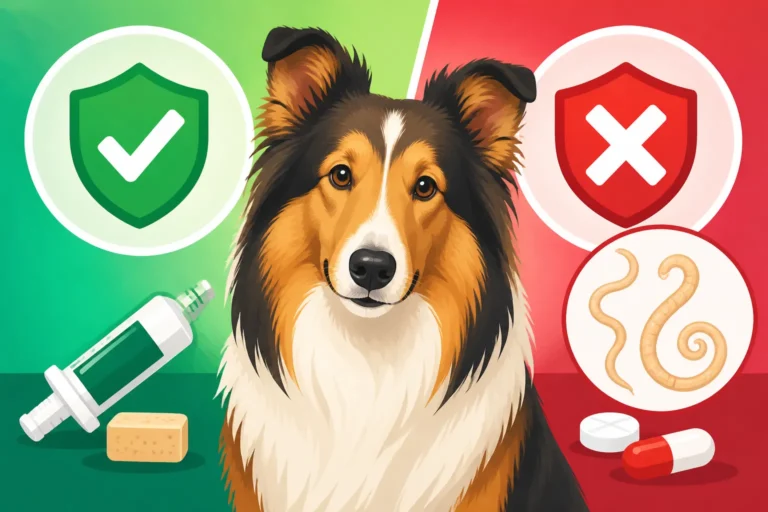
Certain drugs are absolute no-gos for any Collie with even one copy of the MDR1 mutation, or for any Collie whose MDR1 status is unknown. The risk of severe, life-threatening neurotoxicity with these medications is simply too high to gamble with.
- Ivermectin (at high doses): This is perhaps the most well-known culprit. While used at very low doses in some heartworm preventatives (which are generally considered safe), higher doses used for treating certain parasites (like demodectic mange) are extremely dangerous. What Happens When an MDR1 Collie Gets Ivermectin can be devastating.
- Loperamide (Imodium A-D): A common over-the-counter anti-diarrheal, loperamide can cause profound neurological depression, sedation, and coma in MDR1-affected dogs. Never administer this to your Collie without explicit veterinary guidance, assuming they are sensitive. You should know Whether Loperamide Is Dangerous to a Collie.
- Acepromazine: A tranquilizer often used for sedation before procedures or for travel anxiety. While sometimes used with extreme caution at drastically reduced doses in heterozygous dogs, it can cause severe and prolonged sedation in MDR1-affected Collies.
- Butorphanol: An opioid pain reliever and sedative. Similar to acepromazine, it requires extreme caution and significant dose reduction.
- Vinblastine, Vincristine, Doxorubicin: These are potent chemotherapy drugs. Whether Chemotherapy Drugs Are Riskier for a Collie is a resounding yes; they can accumulate to toxic levels, causing severe bone marrow suppression and gastrointestinal issues, beyond their already significant side effects.
This list isn't exhaustive, but it covers the most critical and common drugs that present immediate, severe danger. Always consult your veterinarian and explicitly mention your Collie's (presumed) MDR1 status before any new medication.
Drugs Requiring Extreme Caution: Those That Can Be Used with Severe Dosage Adjustments
Beyond the "never" list, there's a category of drugs that, while not outright forbidden, require extreme caution and often significant dosage reduction if your Collie is MDR1 affected. This is where precise genetic testing results become invaluable, allowing your vet to tailor treatment plans accordingly.
- Selamectin, Moxidectin, Milbemycin Oxime (in certain doses/formulations): These are found in many common heartworm and flea preventatives like Revolution, ProHeart, and Interceptor. At the low doses used for prevention, they are generally considered safe for most MDR1-affected Collies. However, higher therapeutic doses used to treat active parasite infections can be problematic. Always confirm with your vet that the specific product and dose are safe. Whether Heartworm Preventive Is Safe for a Collie is a frequent question that needs careful consideration of the specific drug. Likewise, Whether Flea Treatment Is Safe for an MDR1 Collie requires specific brand and dosage confirmation.
- Erythromycin: An antibiotic that can cause neurological symptoms.
- Cyclosporine: An immunosuppressant drug.
- Digoxin: A heart medication.
- Dexamethasone: A steroid.
The key here is communication and dose reduction. A heterozygous Collie might tolerate a half-dose of a drug that would be toxic at a full dose, while a homozygous affected Collie might need a quarter-dose or an entirely different medication. This is a nuanced area that absolutely requires expert veterinary guidance and careful monitoring.
Unexpected Dangers: Over-the-Counter and Environmental Risks
The danger of MDR1 isn't limited to prescription medications. Many common over-the-counter drugs, and even some environmental exposures, can pose a risk. It's crucial for Collie owners to be aware of these less obvious threats to prevent accidental exposure.
For instance, many multi-symptom cold and flu medications for humans contain ingredients like loperamide or other compounds that can interact negatively with a compromised P-glycoprotein system. Always keep human medications, even seemingly mild ones, well out of reach of your Collie. Similarly, be cautious with pest control products, especially those containing pyrethroids, which can sometimes exacerbate sensitivities in genetically predisposed dogs, though direct evidence for MDR1 interaction is less clear-cut than with other drugs.
Even seemingly innocent supplements or herbal remedies should be approached with caution. Because the P-glycoprotein system is involved in detoxifying a wide range of substances, anything that alters liver function or introduces novel compounds could theoretically present an unforeseen risk. Always discuss any supplements with your vet, especially if your Collie's MDR1 status is unknown or positive. When in doubt, it's always better to err on the side of extreme caution.
| Drug Category | Specific Examples | Risk Level for MDR1 Collies | Notes/Alternatives |
|---|---|---|---|
| Anti-parasitics | High-dose Ivermectin, Milbemycin (high dose), Moxidectin (high dose) | HIGH | Life-threatening neurotoxicity. Use low-dose preventatives specifically approved by vet. Consider Whether an MDR1 Collie Can Be Wormed Safely with careful product selection. |
| Anti-diarrheals | Loperamide (Imodium A-D) | HIGH | Severe neurological depression. Avoid completely. Alternative: Kaopectate or prescription GI meds not affecting MDR1. |
| Sedatives/Tranquilizers | Acepromazine, Butorphanol | HIGH (dose-dependent) | Profound, prolonged sedation. Use at significantly reduced doses, if at all, under strict vet supervision. Consider Whether an MDR1 Collie Can Take Any Sedative after thorough discussion. |
| Chemotherapy | Vincristine, Vinblastine, Doxorubicin | HIGH | Severe systemic toxicity. Requires drastic dose reduction and close monitoring by an oncologist aware of MDR1. |
| Antibiotics | Erythromycin | MODERATE | Potential for neurological symptoms. Use with caution; alternative antibiotics often available. |
| Heart Medication | Digoxin | MODERATE | Increased risk of toxicity. Requires careful dose monitoring. |
| Steroids | Dexamethasone | MODERATE | Increased risk of side effects. Use lowest effective dose. |
Communicating with Your Veterinarian About MDR1
Having a Collie with a potential MDR1 mutation means you need to be an active, informed advocate for their health. This isn't just about handing over a test result; it's about initiating clear, proactive conversations with your veterinary team and ensuring their awareness is as high as yours. It can be frustrating when you feel like you know more about a specific breed-related issue than the busy vet, but your persistence is vital.
Educating Your Vet: Why You Might Know More About This Specific Breed Issue
While veterinarians are highly trained professionals, the sheer number of breeds and their unique genetic quirks means they can't be experts on every single mutation. The MDR1 mutation in Collies, while significant, might not be at the forefront of every general practitioner's mind, especially if they don't see many Collies. This is where you, as the dedicated owner, come in. You might find yourself in a position where you need to politely but firmly educate your vet, presenting them with the facts and emphasizing the seriousness of the issue for your specific dog.
Start by clearly stating, "My Collie either has tested positive for the MDR1 mutation, or we are assuming he does until tested, so we need to be extremely careful with medications." Provide them with a copy of your Collie's genetic test results if available. Explain the P-glycoprotein's role and the specific drugs that pose the highest risk. This proactive communication ensures that your vet can cross-reference medications and make appropriate choices. It's about collaboration, not confrontation. For guidance on precisely How a Collie Owner Tells the Vet About MDR1, consider preparing a brief, clear summary.
Proactive Measures: Flagging Your Collie's Chart and Medical Tags
Beyond verbal communication, several proactive steps can help ensure your Collie's MDR1 status is never overlooked. The very first thing you should request from your vet clinic is to have your Collie's medical chart prominently flagged. This means a clear, unmissable alert in their digital or physical file that states "MDR1 POSITIVE/SENSITIVE – CAUTION WITH MEDICATIONS." This simple step acts as a failsafe, catching potential errors even if different staff members are involved in your dog's care.
In addition to clinic flags, consider having your Collie wear a special medical tag on their collar. This tag could state "MDR1 SENSITIVE" and include your contact information. This is particularly vital for situations where your Collie might be lost or need emergency care when you're not present. While it won't replace a vet's knowledge, it serves as an immediate visual cue for anyone assisting your dog. You can learn more about Whether a Collie Should Wear a Medical Tag and Whether a Collie's Chart Should Be Flagged at the Clinic for detailed advice.
Emergency Preparedness: What to Do in a Crisis Situation
Emergencies are, by definition, unexpected, but planning for them when you have an MDR1-sensitive Collie is non-negotiable. If your Collie ever requires emergency veterinary care, especially if you're traveling or at an unfamiliar clinic, it's critical to immediately inform them of the MDR1 mutation. Don't wait for them to ask. State it clearly and provide any documentation you have.
It's highly advisable to carry a laminated card or a digital file on your phone that lists your Collie's MDR1 status, the most dangerous drugs, and your regular vet's contact information. This "emergency cheat sheet" can be a lifesaver when stress levels are high. Knowing What a Collie Owner Should Carry to an Emergency Visit can make a significant difference. Furthermore, while awareness is growing, not all emergency vets may be fully familiar with the specifics of MDR1 in Collies. Be prepared to politely but firmly explain the risks and insist on cautious drug choices. While clinics like VCA and Banfield generally have standardized protocols, it’s always best to be explicit. The question of Whether Emergency Vets Know About MDR1 in Collies is still relevant, making your advocacy crucial.
Living Safely with an MDR1-Affected Collie
Managing a Collie with the MDR1 mutation isn't just about avoiding bad drugs; it's about integrating this knowledge into every aspect of their health and daily care. From routine preventatives to surgical procedures, your vigilance is the key to a long, healthy life for your furry friend.
Everyday Preventatives: Heartworm and Flea Treatments
The good news is that most common heartworm and flea preventatives are generally safe for MDR1-affected Collies when used at the prescribed preventative doses. The critical distinction is dose. Medications like ivermectin, milbemycin, and moxidectin are safe at the very low doses found in monthly heartworm pills, but dangerously toxic at the much higher doses used for treating existing parasitic infections.
When choosing these products, always discuss your Collie's MDR1 status with your veterinarian. Popular brands like Heartgard (ivermectin/pyrantel), Interceptor (milbemycin oxime), and Revolution (selamectin) are widely used and, at preventative doses, considered safe. However, there are nuances. Some vets might prefer non-ivermectin-based options for dogs with confirmed homozygous MDR1 mutations, just to be extra cautious. You should absolutely confirm Whether Heartworm Preventive Is Safe for a Collie and Whether Flea Treatment Is Safe for an MDR1 Collie with your vet for any specific product. If your Collie has a severe flea infestation requiring a stronger treatment, discuss alternatives that are known to be safe, such as those that are not substrates for the P-glycoprotein pump.
Managing Common Ailments: Pain Relief, Anti-Diarrheals, and Anesthesia
When your Collie needs treatment for common ailments, the MDR1 mutation means a different approach. For pain relief, non-steroidal anti-inflammatory drugs (NSAIDs) like carprofen (Rimadyl) or meloxicam (Metacam) are generally considered safe, as they are not typically substrates for the MDR1 protein. However, always ensure your vet is aware of the MDR1 status before prescribing any new medication. For severe pain, opioids like tramadol or buprenorphine may be used, but generally at reduced doses and with close monitoring, as some opioids can have an increased effect in MDR1-affected dogs.
As mentioned before, loperamide (Imodium) is a definitive no-go for anti-diarrhea treatment. Safer alternatives might include bland diets, probiotics, or other prescription anti-diarrheals that do not interact with MDR1. For procedures requiring anesthesia, Whether Anesthesia Is Riskier for an MDR1 Collie is a valid concern. While many anesthetic agents themselves aren't directly impacted by MDR1, pre-medications often include drugs like acepromazine or butorphanol, which are problematic. Your vet will need to select an anesthetic protocol that avoids these sensitive drugs and uses alternative pre-medications and induction agents, often opting for propofol and isoflurane/sevoflurane for maintenance.
Special Considerations: Breeding and Testing Offspring
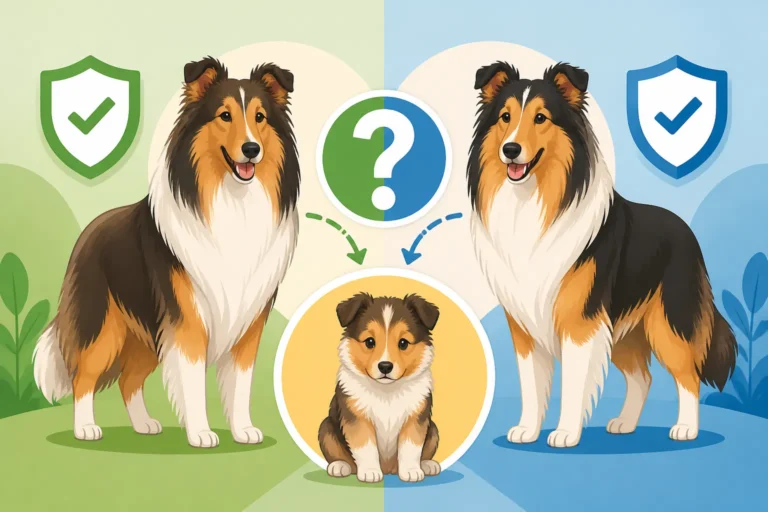
For responsible breeders, understanding and testing for the MDR1 mutation is paramount. Breeding two MDR1-affected dogs will produce 100% affected puppies. Breeding a carrier to an affected dog will produce 50% affected and 50% carriers. Even breeding two carriers can result in 25% affected offspring. Therefore, thorough genetic testing of all breeding stock is essential to reduce the prevalence of this mutation in future generations. For more information, please refer to The Three Genetic Tests a Collie Breeder Owes You.
If you own a Collie puppy, especially from a breeder who has not provided full genetic health testing, getting them tested for MDR1 should be a priority. This information empowers you to provide the safest care from puppyhood through their senior years. If you are considering adding a rescue Collie to your family, it is highly recommended to have them tested as soon as possible, as their genetic history may be unknown. Whether a Rescue Collie Should Be MDR1 Tested First is a critical question for their immediate and long-term well-being.
The Importance of Genetic Testing for MDR1
While the "assume it" mentality is the safest starting point, truly knowing your Collie's MDR1 status through genetic testing provides invaluable clarity and peace of mind. It allows for precise veterinary care and eliminates guesswork, which can be critical in emergencies.
Why Test? Confirming Your Collie's Status
The primary reason to test your Collie for the MDR1 mutation is to gain definitive knowledge about their genetic makeup. This test will tell you if your dog is:
- Homozygous Normal (N/N or -/-): They have two normal copies of the gene and are not affected by the mutation. They can safely receive all medications.
- Heterozygous (N/M or +/-): They have one normal and one mutated copy. They are carriers and may have drug sensitivities, often requiring reduced doses of certain medications.
- Homozygous Affected (M/M or +/+): They have two mutated copies. They are highly sensitive to drugs that are P-glycoprotein substrates, and many medications must be avoided entirely or used with extreme caution.
Knowing this status means your vet can make truly informed decisions, potentially avoiding unnecessary risks or allowing for safer, adjusted use of medications that might otherwise be withheld entirely. This level of precision significantly reduces the risk of adverse drug reactions, ensuring your Collie receives the most appropriate and safest care.
The Testing Process: How It's Done and What It Costs
Genetic testing for MDR1 is remarkably simple and minimally invasive. It typically involves a buccal swab, which is just a fancy way of saying a cheek swab. You or your vet will gently rub a specialized swab along the inside of your Collie's cheek to collect cells. This sample is then sent to a genetic testing laboratory. There's no blood draw involved, making it a stress-free process for your dog. Whether a Cheek Swab Is Enough for a Collie MDR1 Test is definitely yes, it's a standard and reliable method.
Several reputable laboratories offer MDR1 testing. Embark Veterinary, Optimal Selection, and the Washington State University Veterinary Clinical Pharmacology Lab (WSU VCPGL) are among the most recognized. The cost for an MDR1 test can vary but is generally quite affordable, often ranging from $60 to $100, sometimes less if bundled with other genetic tests. What an MDR1 Test Costs for a Collie is a small price to pay for such vital information. Many breeders test their puppies before they go to new homes, but if yours wasn't tested, or if you have a rescue, testing an adult Collie is perfectly possible and highly recommended. Whether an Adult Collie Can Be Tested for MDR1 is a common question, and the answer is a definitive yes, at any age.
Interpreting Results: Understanding Homozygous Normal, Heterozygous, and Homozygous Affected
Once your test results come back, understanding them is straightforward.
- N/N (Normal/Normal): This is the best-case scenario. Your Collie has two healthy copies of the MDR1 gene, produces fully functional P-glycoprotein, and is not at risk for drug sensitivities due to this mutation. You can proceed with standard veterinary care.
- N/M (Normal/Mutant) or Heterozygous: Your Collie has one normal and one mutated copy. While they still produce some functional P-glycoprotein, it's often not enough to fully protect them. They are considered sensitive and may experience adverse reactions, especially at higher doses of certain drugs. Your vet will need to be careful with medication selection and often significantly reduce dosages. This status is why knowing Whether One Copy of MDR1 Is Enough to Harm a Collie is so crucial.
- M/M (Mutant/Mutant) or Homozygous Affected: Your Collie has two mutated copies and produces little to no functional P-glycoprotein. They are highly sensitive to all MDR1-sensitive drugs, and many of these medications must be avoided entirely. This is the highest risk category, requiring the most stringent medication management.
Regardless of the result, this information is invaluable. It removes uncertainty and allows you and your vet to create a tailored, safe, and effective health plan for your Collie for their entire life.
Long-Term Health Management and Support
Living with a Collie, especially one confirmed or assumed to be MDR1-affected, is a lifelong journey of informed care. It requires ongoing vigilance, a proactive approach to their well-being, and leveraging available resources to ensure they thrive.
Ongoing Vigilance: A Lifelong Commitment to Safe Medication Practices
The MDR1 mutation isn't something that goes away or gets better; it's a permanent genetic characteristic. Therefore, your commitment to safe medication practices must be lifelong. This means consistently reminding every veterinary professional of your Collie's status, whether it's for routine vaccinations or an unexpected injury. Keep your Collie's medical records up-to-date and easily accessible.
It also means being proactive about learning. The field of veterinary medicine is always evolving, and new drugs are constantly being developed. Stay informed about any new medications your vet might prescribe and don't hesitate to ask if they are known MDR1 substrates. Reputable breed clubs and health foundations often publish updated drug lists and research findings. Never assume a drug is safe just because it's commonly used; always verify. This continuous vigilance is the cornerstone of protecting your Collie from adverse drug reactions.
Community and Resources: Finding Support and Up-to-Date Information
You don't have to navigate the complexities of MDR1 alone. There's a robust community of Collie owners, breeders, and veterinary professionals dedicated to canine health. Joining breed-specific forums, Facebook groups for Collie owners, or groups focused on MDR1 can provide invaluable support, shared experiences, and up-to-date information. These communities often share insights on specific veterinarians who are highly knowledgeable about MDR1, safe alternative treatments, and general care tips.
Beyond informal communities, organizations like the Collie Club of America and the Collie Health Foundation are excellent resources. They often fund research, provide educational materials, and maintain lists of known problematic drugs. Relying on such established resources ensures you're getting accurate, evidence-based information rather than hearsay. You may also find information on The Collie Health Foundation Funds relevant to ongoing research and support.
Considering Pet Insurance: Financial Preparedness for Unexpected Health Challenges
While the MDR1 test itself is affordable, managing an adverse drug reaction or the subsequent chronic conditions that can arise from it can be incredibly expensive. This is where pet insurance can offer a crucial safety net. Policies from providers like Healthy Paws can help cover the costs of emergency treatments, specialist consultations, hospital stays, and medications (even if they are specifically chosen to be MDR1-safe alternatives).
When considering pet insurance, it's vital to read the policy details carefully. Look for comprehensive plans that cover accidents and illnesses, and understand their stance on genetic conditions. While the MDR1 mutation itself is a pre-existing genetic condition, an acute drug reaction (an "accident" or "illness") could potentially be covered, or any subsequent care needed for complications. Pet insurance can provide significant peace of mind, ensuring you can always make health decisions based on what's best for your Collie, not just what you can afford out of pocket. Many owners find that having a robust pet insurance plan with a provider like Healthy Paws helps them feel prepared for the unexpected, especially with a breed prone to specific genetic sensitivities.
Disclaimer
The information provided in this article is for general educational purposes only and is not a substitute for professional veterinary advice. Always consult with a qualified veterinarian for any health concerns or before making any decisions related to your Collie's medical care, especially concerning medication. The list of drugs sensitive to the MDR1 mutation is continually being updated, so always verify the latest information with your veterinarian.