Whether an Adult Collie Can Be Tested for MDR1
It's incredibly common for Collie owners to live with a quiet dread, wondering if their beloved adult dog might be silently carrying a dangerous genetic secret: the MDR1 mutation. You might have adopted your Collie, or perhaps the concept of genetic testing wasn't widely known when they were a puppy. Regardless of the reason, the question of whether an adult Collie can still be tested for MDR1 and if it’s truly worth it is a valid and often anxiety-inducing one. This comprehensive guide is here to reassure you and walk you through every step of understanding, testing, and managing MDR1 in your adult Collie, providing the peace of mind you deserve.
Understanding the MDR1 Mutation and Its Impact on Adult Collies
The MDR1 mutation is a significant concern for Collie owners, and for good reason. It affects how certain vital medications are processed in your dog's body, potentially turning routine treatments into life-threatening events. This isn't just a puppy issue; an adult Collie, even one who has lived a long life seemingly without incident, can still be at risk.
Why MDR1 Testing is Crucial for Collies
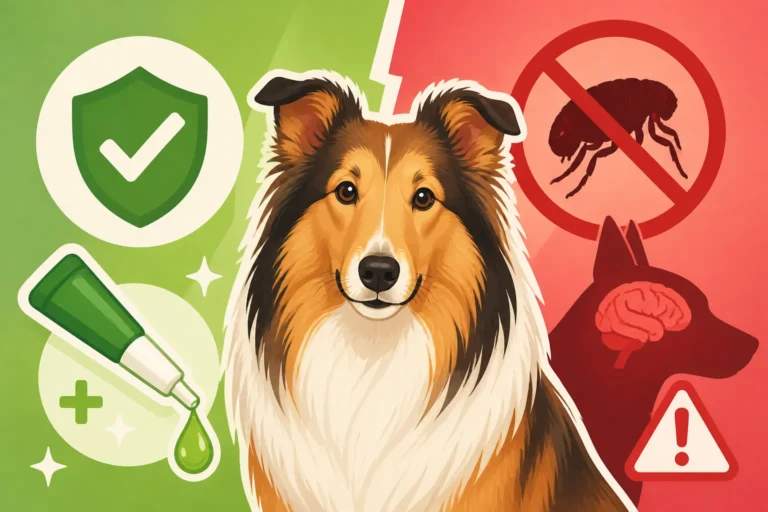
At its core, the MDR1 (Multi-Drug Resistance 1) gene, now more accurately referred to as ABCB1, is responsible for producing P-glycoprotein. Think of P-glycoprotein as a tiny, essential bouncer located in various parts of your dog's body, including the brain, intestines, and liver. Its job is to pump toxins and certain drugs out of cells, particularly protecting the brain from harmful substances. When a Collie has a mutation in this gene, this "bouncer" isn't working correctly, or isn't there at all. This means that drugs that would normally be expelled are allowed to build up to toxic levels, especially in the brain, leading to severe neurological symptoms, coma, or even death.
For years, it was understood that a significant portion of the Collie population, both Rough and Smooth varieties, carried this mutation. While awareness has grown, many Collies still exist whose status is unknown. This is precisely why understanding the gravity of the mutation is paramount. It’s not just about one specific drug; it’s about an entire class of medications that are routinely used in veterinary medicine, from anti-parasitics to sedatives and chemotherapy agents. Ignoring the possibility simply isn't an option for responsible Collie ownership.
The Urgency of Knowing an Adult Collie's MDR1 Status
You might be thinking, "My Collie is five, eight, ten years old – why test now?" The answer is simple: because unexpected health issues can arise at any age, and knowing their MDR1 status could literally save their life. Perhaps your Collie was a rescue, and their health history, including any genetic testing, is a complete mystery. Maybe you inherited your Collie from a relative, or you bought them years ago before the widespread availability and awareness of genetic panels. In these situations, your adult Collie could be a "silent carrier" or "affected" without you ever knowing.
Consider the common scenarios: a sudden illness requiring emergency surgery, an unexpected injury leading to severe pain, or even the routine need for sedation for dental cleaning. Each of these situations typically involves medications that could be deadly for an MDR1-affected Collie. The urgency stems from the fact that you want to proactively manage their healthcare, rather than reacting in a crisis when every second counts. The peace of mind that comes from knowing their genetic profile allows you and your veterinarian to make informed, safe treatment decisions throughout the remainder of their life.
Signs of an Undiagnosed MDR1 Reaction in an Adult
What does an MDR1 drug reaction actually look like? It's not always immediate and obvious, which makes it even scarier. If an adult Collie with an undiagnosed MDR1 mutation is given a problematic drug, the symptoms often manifest as neurological issues, as the drugs accumulate in the brain. You might see a sudden onset of weakness, staggering, or a complete lack of coordination, almost as if they're severely drunk. They could become disoriented, bumping into furniture or staring blankly.
More severe reactions can escalate to tremors, seizures, excessive drooling, blindness, or even collapse. In the most critical cases, the dog can fall into a coma or die. These signs are terrifying for any owner to witness, and they highlight why knowing their MDR1 status before such an event occurs is so critical. Early detection allows for preventative care, ensuring your beloved companion never has to experience such a horrific ordeal. For more detailed information on specific symptoms, you might want to read our article on Signs an MDR1 Collie Is Having a Drug Reaction.
The Simple Process of Testing an Adult Collie for MDR1
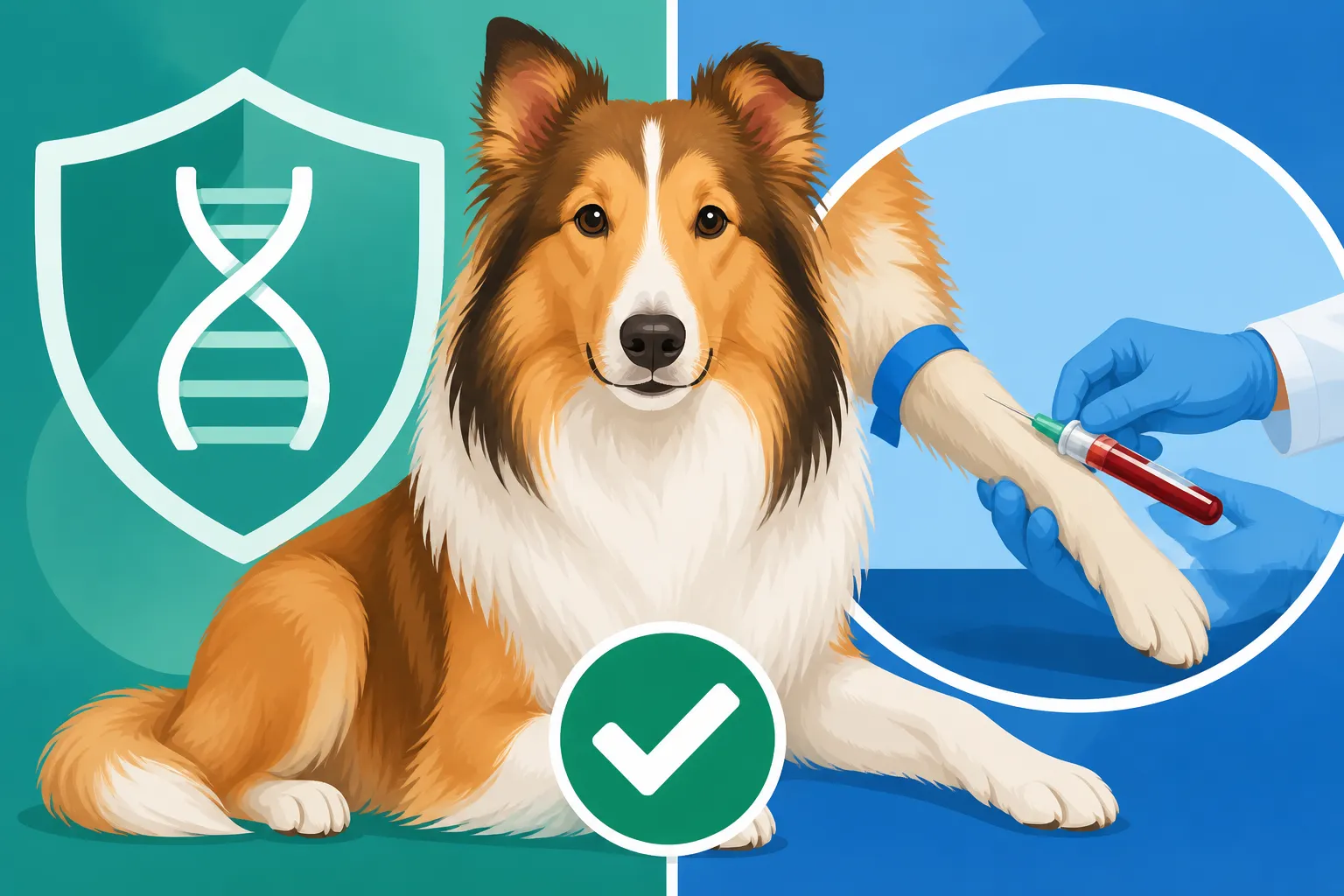
The good news is that testing an adult Collie for the MDR1 mutation is incredibly straightforward, non-invasive, and can be done quickly. You don't need a blood draw, and you don't even necessarily need a vet visit, though involving your vet is always a good idea for follow-up.
Collecting a DNA Sample from Your Adult Collie
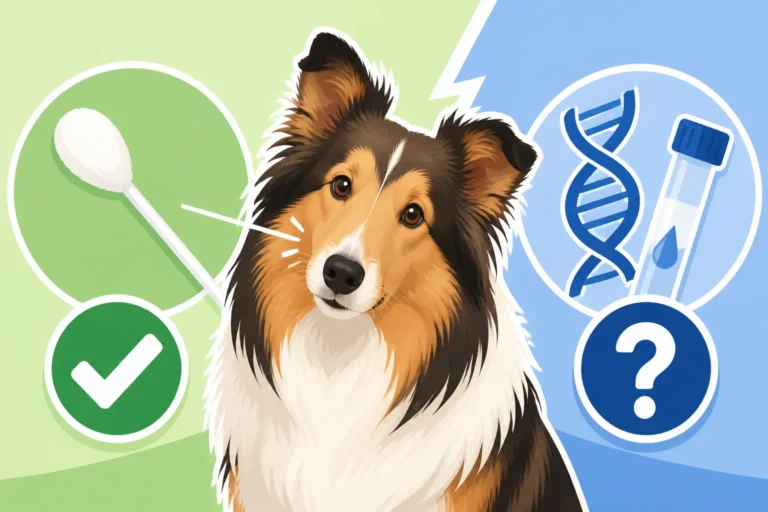
Testing for MDR1 primarily involves a simple cheek swab to collect DNA. You can often order a testing kit directly from a reputable genetic testing laboratory. Companies like OptiGen, GenSol Diagnostics, and Embark offer reliable MDR1 testing. When the kit arrives, it usually contains sterile cotton swabs that you gently rub on the inside of your Collie's cheek and gums for about 30-60 seconds. This collects loose epithelial cells, which contain their DNA. It’s similar to how human DNA tests are done, making it completely painless and stress-free for your dog.
It’s crucial to ensure your Collie hasn't eaten or drunk anything, or licked anyone, for at least an hour before swabbing to avoid contamination. This ensures a clean sample for accurate results. Once collected, you simply allow the swabs to air dry according to the kit's instructions, place them in the provided envelope, and mail them back to the lab. The entire process takes only a few minutes of your time. If you prefer, your veterinarian can also perform the swab during a regular check-up, adding an extra layer of confidence that the sample is correctly collected. Curious about the cost? We cover that in What an MDR1 Test Costs for a Collie.
Interpreting the Test Results for Adult Collies
Once the lab processes the sample, you'll receive a report detailing your Collie's MDR1 status. There are three possible outcomes, often referred to with symbols like N/N, M/N, or M/M, or terms like "Clear," "Carrier," or "Affected."
- N/N (Normal/Clear): This means your Collie has two normal copies of the MDR1 gene. Their P-glycoprotein pump works perfectly, and they can process all medications normally. They are not at risk for drug sensitivities related to this mutation.
- M/N (Carrier): This Collie has one normal gene copy and one mutated copy. They are a "carrier" of the mutation. While they often show fewer symptoms than affected dogs, they still have reduced P-glycoprotein function. This means they can be sensitive to certain drugs, but typically at higher doses or with prolonged exposure. Caution is still very much advised, and drug dosages might need to be adjusted by a vet. Many experts advise treating carriers as if they are affected for safety.
- M/M (Affected): This Collie has two copies of the mutated gene. Their P-glycoprotein pump is severely deficient or non-functional, making them highly sensitive to a wide range of common drugs. These dogs are at extreme risk for severe and life-threatening reactions if given problematic medications.
Understanding these results is vital because it directly dictates the necessary adjustments to their future medical care. Regardless of the age of your Collie, knowing this information provides a definitive answer and a clear path forward for safe veterinary practices. Our article What the MDR1 Mutation Actually Does to a Collie delves deeper into the genetic mechanics.
Communicating MDR1 Status to Your Vet
Receiving your adult Collie's MDR1 test results is only the first step; the next, and equally critical, step is to communicate this information clearly and unequivocally to your veterinarian. Do not assume your vet knows or will remember all breed-specific risks. Provide them with a copy of the official lab report to ensure it's permanently added to your Collie's medical file. Ask them to flag the chart prominently so that any veterinary professional, especially in an emergency, is immediately aware of this crucial genetic status.
This proactive communication is essential for several reasons. Firstly, it allows your regular vet to adjust future treatment protocols, medication choices, and dosages for your Collie. Secondly, and perhaps most importantly, it acts as a safeguard during emergencies. Imagine an accident where your regular vet isn't available, and your Collie is rushed to an unfamiliar emergency clinic. Having that MDR1 status clearly documented and flagged means that even an unfamiliar vet can immediately make life-saving decisions regarding medication. Being prepared is the best defense against accidental drug reactions. You can find more advice in How a Collie Owner Tells the Vet About MDR1.
Long-Term Management and Care for an MDR1-Positive Adult Collie
If your adult Collie tests as a carrier (M/N) or affected (M/M), it’s not a death sentence. It simply means you have invaluable knowledge that allows you to provide them with safer, more informed care throughout their remaining years. Management is about awareness and proactive choices.
Adjusting Medications and Routine Care
For an MDR1-positive Collie, the biggest adjustment involves medication. A comprehensive list of drugs to avoid or use with extreme caution exists, and your vet will be your best resource for navigating this. Common problematic drugs include:
- Ivermectin: Found in some heartworm preventatives and dewormers. High doses are highly toxic. While many heartworm preventatives today are safe at prescribed doses for MDR1 Collies, it's always best to double-check with your vet.
- Loperamide (Imodium®): A common anti-diarrheal medication.
- Acepromazine: A frequently used sedative.
- Butorphanol: An opioid pain reliever/sedative.
- Erythromycin: An antibiotic.
- Certain chemotherapy drugs: Such as Vincristine, Vinblastine, Doxorubicin.
The key is not to panic, but to be informed. Many safe alternatives exist for these medications. For example, specific heartworm preventatives like Heartgard Plus (ivermectin/pyrantel) are generally considered safe at their prescribed doses for MDR1 Collies, but there are also options like Interceptor Plus (milbemycin oxime/praziquantel) or Revolution (selamectin) that carry less risk. For pain management or sedation, your vet will know to select alternative drugs that don't interact with the P-glycoprotein pump. It's truly about knowledge empowering safe choices. Our detailed article The Drug List That Can Kill a Collie provides an extensive list of medications to be cautious of.
Preventing Accidental Exposures and Emergency Preparedness
Beyond just discussing medication with your vet, there are practical steps you can take at home and on the go to prevent accidental exposures and ensure readiness for any emergency. Firstly, ensure all medications in your home, both human and pet, are stored securely out of your Collie's reach. Accidental ingestion is a real risk.
Secondly, consider having your Collie wear a medical alert tag on their collar, clearly stating "MDR1 Positive." This is an invaluable tool if your dog ever gets lost or injured and needs veterinary attention from someone unfamiliar with them. In the same vein, carry a small, laminated card in your wallet or your Collie's emergency kit that lists their MDR1 status and the critical drugs to avoid. This provides immediate, crucial information to emergency vets. Reputable pet insurance providers like Healthy Paws often cover emergency care, but having this information readily available can prevent an emergency from becoming a tragedy, ensuring the best possible outcome for your Collie. Knowing Whether a Collie Should Wear a Medical Tag is a wise consideration.
The Financial and Emotional Impact of MDR1
The financial aspect of testing an adult Collie for MDR1 is relatively low, typically ranging from $70-$150, depending on the lab and whether it's part of a larger panel. Compared to the potential cost of treating an MDR1 drug reaction, which can run into thousands of dollars for hospitalization, intensive care, and supportive therapies, the test is a tiny investment. The true financial impact of an MDR1 diagnosis might come from using alternative, sometimes slightly more expensive, medications or requiring specialist consultations if a complex treatment is needed.
However, the emotional impact of knowing your Collie's status is priceless. It removes the lurking fear of accidental poisoning and empowers you to be their best advocate. It allows you to approach vet visits with confidence, knowing you've provided all the necessary information for their safety. While insurance, such as through Healthy Paws, can help mitigate unexpected vet bills, preventing an adverse drug reaction altogether is always the best path for your dog’s well-being and your peace of mind.
Dispelling Myths and Addressing Common Concerns
There's a lot of information, and sometimes misinformation, circulating about MDR1. It's important to separate fact from fiction, especially when it comes to adult Collies.
"Is it too late to test my older Collie?"
Absolutely not. This is one of the most common misconceptions. Many owners feel that if their Collie has lived to a certain age without issues, testing is redundant or too late to be beneficial. This couldn't be further from the truth. The MDR1 mutation is a lifelong genetic condition; it doesn't appear or disappear with age. An adult Collie who has never had a problem might simply have been lucky and never exposed to a problematic drug, or perhaps only received low, safe doses in the past.
Testing an older Collie provides vital information for their remaining years, which can be just as susceptible to illness or injury as their younger years. Older dogs are, in fact, often more likely to need medications for age-related conditions, making their MDR1 status even more critical. It’s never too late to gain knowledge that can protect your beloved companion from unnecessary suffering and extend their healthy life.
"My Collie has never had a problem before."
This statement, while comforting on the surface, doesn't negate the risk. As mentioned, an adult Collie might not have had a problem because they simply haven't encountered one of the 'problem' drugs, or they've only received them at doses too low to trigger a severe reaction. The manifestation of drug sensitivity can also vary greatly depending on the specific drug, the dosage, the individual dog's overall health, and whether they are a carrier (M/N) or affected (M/M). A carrier might react differently than an affected dog, and even affected dogs can have varying degrees of severity in their reactions.
Furthermore, some subtle neurological signs might have been missed or attributed to other causes in the past. It’s better to have the definitive genetic information than to rely on anecdotal evidence or good fortune. Preventing a potential catastrophe is always preferable to reacting to one.
The Benefits of Testing for All Collies, Regardless of Age
Ultimately, testing for the MDR1 mutation is beneficial for every Collie, regardless of their age, history, or perceived health status. For puppies, it allows for a lifetime of proactive care. For adult Collies, it fills in critical blanks, corrects previous oversights, and provides an immediate safety net for all future veterinary interventions. It's about empowering yourself and your veterinary team with the most complete picture of your dog's genetic health.
This simple, one-time test offers profound long-term benefits, protecting your Collie from potentially fatal adverse drug reactions and ensuring they receive the safest possible medical care throughout their entire life. Don't let your adult Collie's age deter you from gaining this essential knowledge. It's an act of love and responsible ownership that truly makes a difference.
MDR1 Genotype and Drug Sensitivity Overview
| Genotype | Description | P-glycoprotein Function | Drug Sensitivity Risk | Management Recommendation |
|---|---|---|---|---|
| N/N | Normal gene copies (Homozygous Normal) | Fully functional P-glycoprotein pump | No increased risk | Standard drug protocols. |
| M/N | One normal, one mutated gene copy (Heterozygous) | Reduced, but often partially functional P-glycoprotein | Moderate risk; dose-dependent reactions | Treat with caution; avoid problematic drugs or use reduced doses under vet guidance. |
| M/M | Two mutated gene copies (Homozygous Mutated) | Severely deficient or non-functional P-glycoprotein pump | High risk of severe, life-threatening reactions | Strict avoidance of problematic drugs; always use safe alternatives. |
Disclaimer
The information provided in this article is for general informational purposes only and is not a substitute for professional veterinary advice, diagnosis, or treatment. Always seek the advice of your veterinarian or other qualified health provider with any questions you may have regarding a medical condition. Never disregard professional veterinary advice or delay in seeking it because of something you have read in this article.