Whether a Cheek Swab Is Enough for a Collie MDR1 Test
If you're a Collie owner, the world of genetic testing can feel like a labyrinth, especially when it comes to something as critical as the MDR1 gene. You've heard about how crucial it is to know your dog's status, but then you encounter different testing methods – blood draws versus those little cheek swabs. It's perfectly natural to wonder if something as simple as a swab rubbed inside your dog's mouth is truly sufficient to uncover such vital health information. This guide will thoroughly explore why a cheek swab is indeed a highly effective and widely accepted method for testing your Collie for the MDR1 mutation, helping you confidently navigate this essential step in their care.
The Basics of MDR1 Testing in Collies
Understanding why we test for MDR1 is the foundation. It’s not just another acronym; it’s a critical piece of information that can literally save your Collie’s life. Then, we can delve into the practicalities of how that testing is done.
Understanding the MDR1 Mutation and its Importance
The MDR1 (Multi-Drug Resistance 1) gene, also known as ABCB1, is responsible for producing a protein called P-glycoprotein. Think of P-glycoprotein as a tiny, vigilant bouncer in your dog's body, especially active at the blood-brain barrier. Its job is to pump certain drugs and toxins out of sensitive areas like the brain, preventing them from accumulating to toxic levels. For many Collies, and several other breeds, a mutation in this gene means this P-glycoprotein doesn't work effectively, or at all.
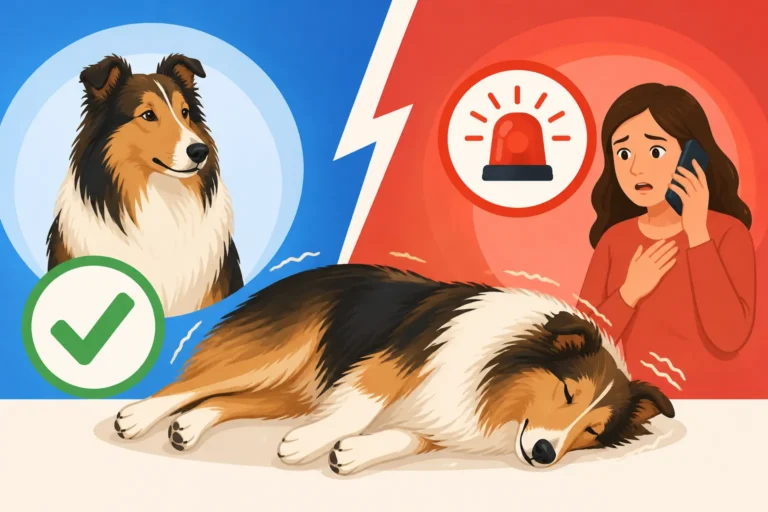
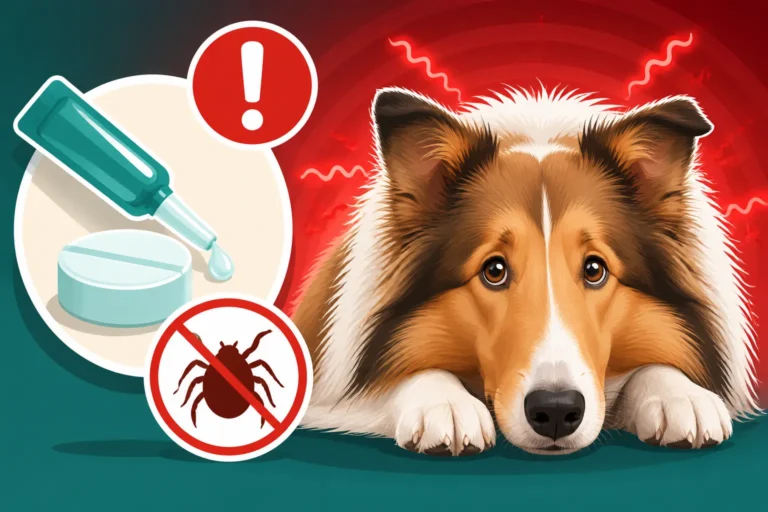
This isn't a minor issue; it's a profound sensitivity to common medications that would be perfectly safe for dogs without the mutation. If an affected Collie receives certain drugs at standard doses, those drugs can build up in their brain, leading to severe neurological symptoms, seizures, coma, and even death. It’s a terrifying prospect for any owner, which is why testing is not just recommended, but absolutely essential for Collies. Knowing your Collie's MDR1 status allows you and your veterinarian to make informed, safe decisions about their medical care, from routine deworming to emergency treatments. If you're wondering about the specifics, you can learn more about What the MDR1 Mutation Actually Does to a Collie.
Different Sample Types for DNA Testing
When it comes to DNA testing for dogs, there are a few common ways to collect a sample. Each method aims to get a small collection of cells that contain your dog's unique genetic code.
The most common methods include:
- Blood Samples: This is often seen as the "gold standard" because blood contains a high concentration of nucleated cells, meaning plenty of DNA. A veterinarian draws a small amount of blood, usually from a leg vein, and sends it to the lab.
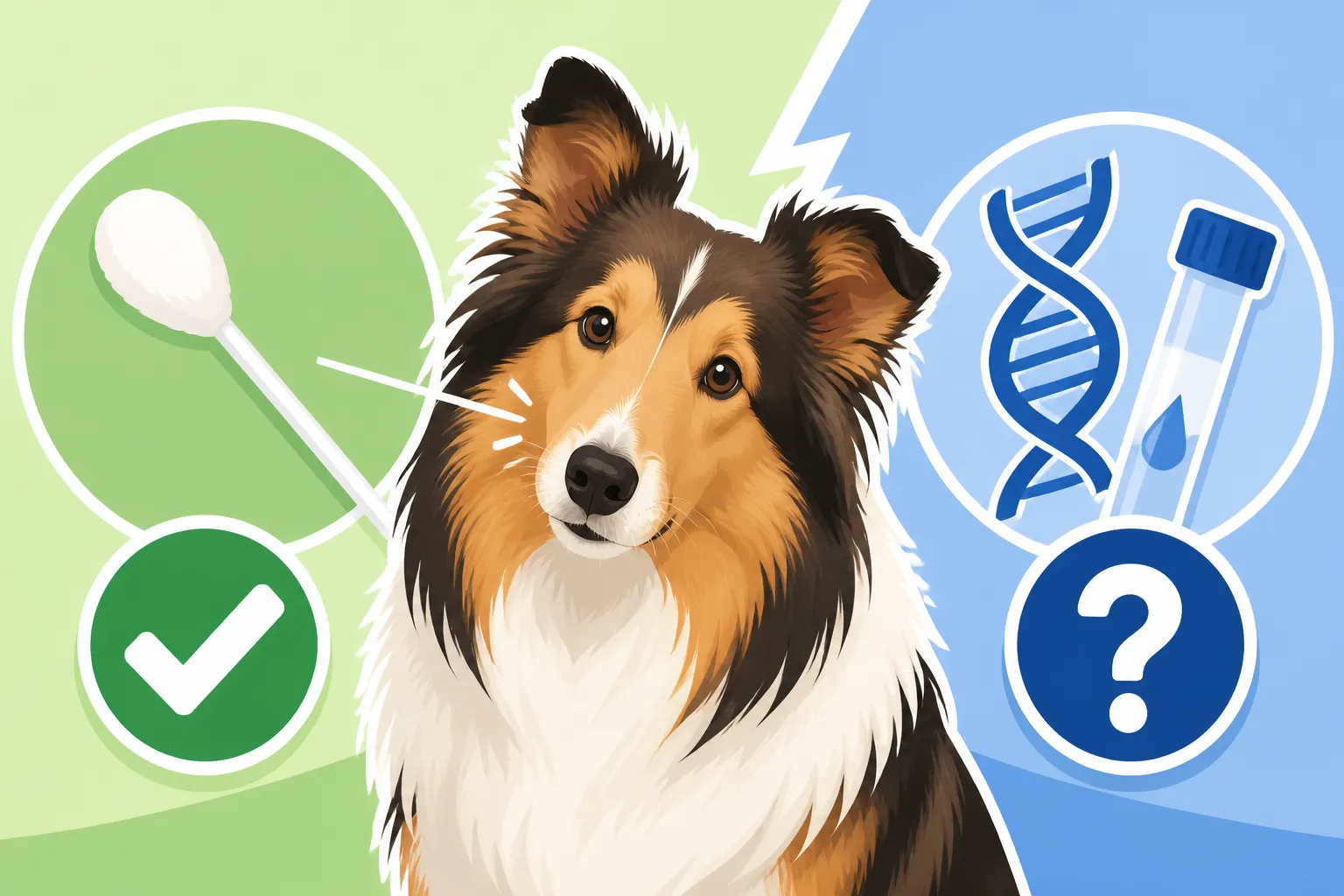
- Cheek Swabs (Buccal Swabs): These involve gently rubbing a specialized swab inside your dog's cheek to collect buccal cells, which are cells lining the mouth. It's a non-invasive, quick method that can often be done at home.
- Hair Follicles: Less common for routine genetic testing, but hair follicles (not just the hair shaft itself) contain DNA. This might be used in specific situations, but typically isn't the first choice for something like MDR1.
For many owners, the idea of a blood draw can be daunting, both for the dog and the wallet. The appeal of a less invasive, potentially at-home option like a cheek swab is strong, but it also raises the natural question: is it really as good? The good news is that for DNA tests like MDR1, the answer is a resounding yes.
The Reliability of Cheek Swabs for Collie MDR1 Tests
Let's cut right to the chase: yes, a cheek swab is absolutely enough for a Collie MDR1 test. Reputable genetic testing laboratories worldwide accept and recommend buccal swabs for this purpose, and their reliability is backed by scientific evidence.
How a Cheek Swab Collects DNA
When you take a cheek swab, you're not just collecting saliva – that's a common misconception. While saliva might be present, the primary goal is to gather buccal epithelial cells. These are the living cells that line the inside of your dog's mouth. These cells are constantly shedding and replenishing, making them easy to collect.
Each one of these buccal cells contains a complete set of your dog's DNA within its nucleus. So, by gently rubbing the swab firmly against the inner cheek, you're effectively scraping off thousands of these DNA-rich cells. The goal is to get a sufficient quantity of these cells onto the fibers of the swab, which the lab can then process to extract and analyze the DNA. This method is incredibly effective because DNA is present in virtually every nucleated cell of an animal's body, not just blood.
Why Cheek Swabs are Considered Reliable
The reliability of cheek swabs for genetic testing, including the MDR1 mutation, is well-established. Major veterinary genetic testing laboratories, such as those that run the full Collie DNA health panel, consistently validate and utilize cheek swab samples. They have robust protocols for DNA extraction from these samples.
Here's why they are reliable:
- Abundance of DNA: As mentioned, buccal cells contain plenty of high-quality nuclear DNA. As long as enough cells are collected, the genetic material is identical to that found in a blood sample.
- Non-Invasive: This is a huge benefit for both the dog and the owner. It causes minimal stress, making it easier to collect a sample from even the most sensitive or anxious Collie. For puppies, it’s far less traumatic than a blood draw.
- Convenience: You can often perform the collection at home, at your convenience, without a vet visit. This can be a significant cost-saver, as you're not paying for a veterinary technician's time or the facility fee just for a blood draw.
- Established Protocols: Reputable labs have refined their collection kits and extraction methods over years to ensure high success rates with cheek swabs. They provide clear instructions on how to take a good sample.
While it's possible to get a "no result" if the sample is insufficient, this is typically due to improper collection rather than an inherent flaw in the method itself. Most labs will provide a free re-swab kit if the first one doesn't yield enough DNA. This is a far cry from the days when blood was truly the only reliable source for genetic material. For more details on where to get these tests done, you might want to look into Which Lab Runs the Collie MDR1 Test.
Practical Considerations for At-Home Swab Collection
While cheek swabs are reliable, getting a good sample requires a little care and attention to detail. Think of it as a small art form, where precision pays off in preventing the need for a retest.
Best Practices for Ensuring a Good Sample
When you receive your MDR1 test kit, it will come with specific instructions from the lab, and it’s paramount that you follow them to the letter. However, here are some general best practices that will significantly increase your chances of getting a high-quality sample on the first try:
- Timing is Everything (Sort Of): Ideally, your Collie shouldn't have eaten, had a treat, or even drunk water for at least 30-60 minutes before swabbing. This minimizes food particles or excessive saliva that could interfere with DNA extraction or introduce foreign DNA.
- Isolation (if multiple dogs): If you have multiple dogs, especially if you're testing more than one, make sure they are separated during the collection process. This prevents accidental swapping of swabs or cross-contamination from nose-licking or shared toys.
- Gentle but Firm Rubbing: Don't just swirl the swab around. You need to apply a moderate amount of pressure and rub the swab firmly against the inside of your Collie's cheek, rotating it several times. Imagine you're trying to scrub off cells, not just moisten the swab. Focus on the area between the gums and the cheek wall.
- No Touching the Bristles: Once the swab has been in your dog's mouth, avoid touching the bristled end with your fingers or letting it touch any other surface. This prevents contamination with your own DNA or environmental DNA.
- Air Drying is Key: After swabbing, it's crucial to allow the swab to air dry completely before placing it back into its protective sleeve or tube. Moisture can promote bacterial growth, which degrades DNA. Lay the swab on a clean, dry surface, away from other dogs and drafts, for at least 10-15 minutes, or as instructed by the lab.
- Label Immediately: As soon as you've collected and dried the sample, label the tube or envelope clearly with your dog's name. This prevents mix-ups, especially if you're testing multiple Collies.
Taking these steps ensures that the lab receives a clean, sufficient sample, saving you time and the potential hassle of a retest.
When a Blood Sample Might Still Be Preferred
While cheek swabs are highly reliable for MDR1 testing, there are specific situations where a veterinarian might still suggest a blood sample, or where an owner might prefer it.
- Puppy Contamination Concerns: For very young puppies who are still nursing or interacting closely with their mother or littermates, there's a slight theoretical risk of maternal or littermate DNA contaminating a buccal swab. While labs have methods to account for this, some breeders or vets might opt for a blood draw to be absolutely certain, especially if the puppy is crucial for a breeding program.
- Existing Vet Visit: If your Collie is already at the vet for another procedure that requires a blood draw (like pre-surgical bloodwork or a routine wellness panel), it can be convenient to just add the DNA sample collection to that visit. It avoids a separate trip or the need for you to do the home collection. The vet might just charge for the collection itself, on top of the lab fee for the test. You can learn more about What an MDR1 Test Costs for a Collie.
- Owner Discomfort or Difficulty: Some owners might simply feel uncomfortable or unsure about collecting a cheek swab themselves, or they might have a particularly uncooperative Collie who makes it challenging. In such cases, having a trained vet professional handle it can provide peace of mind.
- Other Concurrent Blood Tests: If other genetic tests or health screenings require a blood sample (e.g., for specific blood disorders), consolidating all samples into one blood draw makes practical sense.
It's important to reiterate that these are generally exceptions, not the rule. For the vast majority of Collies and owners, a properly collected cheek swab is perfectly adequate for obtaining an accurate MDR1 test result.
The Lifelong Impact of MDR1 Testing
Getting your Collie tested for MDR1 isn't just a one-time task; it's an investment in their lifelong health and safety. The results empower you with knowledge that directly impacts their care.
Armed with Knowledge: Informing Your Vet and Emergency Care
Once you have your Collie's MDR1 status, you become their most important advocate. The results will typically categorize your dog as:
- Normal/Clear (N/N): Two normal copies of the gene, no drug sensitivity.
- Carrier (N/M): One normal and one mutated copy. May have some drug sensitivity, usually milder, but still requires caution.
- Affected (M/M): Two mutated copies. Highly sensitive to specific drugs and requires careful management.
This information must be clearly communicated to every veterinarian who treats your Collie. Don't assume they know, even if they specialize in Collies. It's a busy world, and every dog's chart needs a clear flag. Print out the results and keep a copy in your dog’s medical file at the clinic, and carry a copy with you, especially during travel or emergency situations. You can find more comprehensive details on The Drug List That Can Kill a Collie which is vital information to share. It’s also crucial to remember to discuss How a Collie Owner Tells the Vet About MDR1 to ensure there are no misunderstandings.
In an emergency, when quick decisions are being made, having this information readily available can prevent a fatal mistake. Some owners even invest in specialized ID tags or collar attachments that prominently display "MDR1 Affected" with a QR code linking to their dog's results. Knowing your dog's status can also play a role in pet insurance considerations. Some pet insurance providers, like Healthy Paws, focus on comprehensive coverage for unexpected accidents and illnesses, and while they might not directly cover the genetic test itself, having that vital health information can help you prevent costly emergency treatments down the line by avoiding known drug interactions. Proactive testing is a key part of responsible pet ownership, helping you anticipate and prevent potential health crises.
Broader Implications for Breeders and Rescue Collies
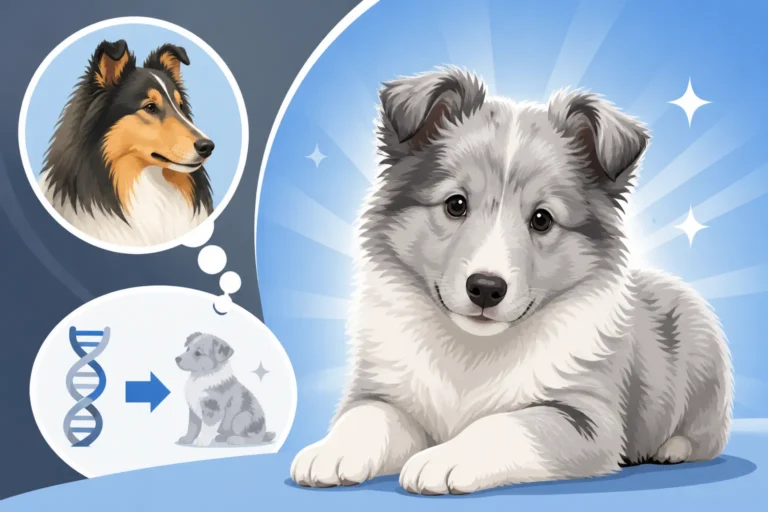
The impact of MDR1 testing extends far beyond individual pet ownership. For dedicated Collie breeders, testing their breeding stock is a fundamental responsibility. It allows them to make informed decisions to produce healthy puppies, striving to reduce the incidence of affected (M/M) offspring. Ethical breeders will always test their potential sires and dams and openly share the results with prospective puppy buyers, often including them in the puppy's health guarantee. This transparency is a cornerstone of responsible breeding, ensuring the longevity and health of the breed. For a wider perspective on necessary tests, consider reading The Three Genetic Tests a Collie Breeder Owes You.
Similarly, for Collie rescue organizations, MDR1 testing is invaluable. Many rescue Collies come with unknown backgrounds, and their genetic health status is a mystery. Testing these dogs allows the rescue to accurately inform potential adopters of their health needs, ensuring they go to homes prepared to manage any drug sensitivities. It also prevents the heart-wrenching scenario of an adopted dog suffering an adverse drug reaction because its MDR1 status was unknown. If you're considering adopting, asking Whether a Rescue Collie Should Be MDR1 Tested First is a very smart question. By making MDR1 testing a routine part of their intake process, rescues provide a safer future for the Collies in their care and peace of mind for their new families.
Comparison of DNA Collection Methods
To help you visualize the differences, here's a quick comparison of the two main methods for collecting DNA for your Collie's MDR1 test:
| Feature | Cheek Swab (Buccal Swab) | Blood Sample |
|---|---|---|
| Invasiveness | Non-invasive, low stress | Invasive, minor discomfort (needle stick) |
| Collection Site | Inside the cheek | Typically a vein (e.g., leg, neck) |
| Who Collects | Owner (at home) or veterinarian | Veterinarian or trained veterinary technician |
| Convenience | High, can be done at home on your schedule | Requires a vet appointment |
| Cost | Typically just lab fee (or small vet collection fee) | Lab fee + vet office visit/blood draw fee |
| DNA Quality | Excellent, if collected correctly | Excellent, generally higher concentration of cells |
| Contamination Risk | Low, if instructions followed carefully (e.g., no food) | Very low, sterile procedure |
| Typical Use | Routine genetic screening (MDR1, CEA, DM) | Comprehensive genetic panels, general health diagnostics |
As you can see, for a specific genetic test like MDR1, the cheek swab offers significant advantages in convenience and stress reduction without compromising accuracy.
Disclaimer
The information provided in this article is for general informational and educational purposes only and is not a substitute for professional veterinary advice. Always consult with a qualified veterinarian regarding your Collie's health, medical conditions, and any treatment options. Genetic testing results should always be discussed with your veterinarian to formulate the best care plan for your individual dog.