The Three Genetic Tests a Collie Breeder Owes You
Finding a Collie puppy can be an incredibly exciting time, full of dreams of a loyal, intelligent companion. But for many hopeful owners, the process quickly becomes overwhelming when faced with jargon, complicated health concerns, and the daunting task of sifting through breeders. It's easy to feel lost and anxious, wondering if you're making the right choice for a healthy future for your beloved dog. This guide is here to cut through the confusion and explain the absolute baseline genetic health tests that any responsible Collie breeder should have completed and be ready to discuss with you.
The Foundation: Why Genetic Testing Matters for Collies
When you bring a Collie into your home, you're not just getting a beautiful face and a sweet personality; you're also inheriting their genetic blueprint. This blueprint carries a wealth of information, some of it wonderful, like their inherent intelligence and herding instinct, and some of it potentially challenging, like predispositions to certain health conditions. Understanding these potential challenges before you commit to a puppy is not just about avoiding future heartache, it's about being a responsible, informed owner from day one.
The Hidden Dangers in Collie Genetics
Collies, like all purebred dogs, have a relatively small gene pool compared to their ancient ancestors. This means that certain genetic mutations, even those that are quite rare in the general dog population, can become surprisingly common within the breed. These mutations can lead to debilitating diseases, some of which are treatable, some manageable, and some tragically fatal. The frustrating part is that these conditions aren't always visible in a cute, fluffy puppy. A seemingly healthy pup could be carrying a ticking time bomb of genetic disease, ready to manifest months or even years down the line. It's a heavy thought, but it's why genetic testing has become such a cornerstone of ethical breeding.
Empowering Owners with Knowledge
Genetic testing isn't about shaming breeders or scaring off potential owners; it's about empowerment. It empowers breeders to make informed decisions about their breeding pairs, working towards healthier generations. More importantly, it empowers you, the prospective owner, to understand the health profile of your future companion. Imagine the peace of mind knowing that your puppy's parents have been tested, and their risks for major inherited conditions have been assessed. Or, if a risk exists, that you are fully aware and prepared. This knowledge allows you to prepare for specific care needs, discuss potential issues with your veterinarian proactively, and even budget for specialized care, potentially saving you significant stress and veterinary bills in the long run. Thinking about how an unexpected diagnosis could impact your finances, many owners wisely consider pet insurance providers like Healthy Paws from early on, knowing that genetic predispositions can sometimes lead to costly treatments.
MDR1: The Drug Sensitivity Test
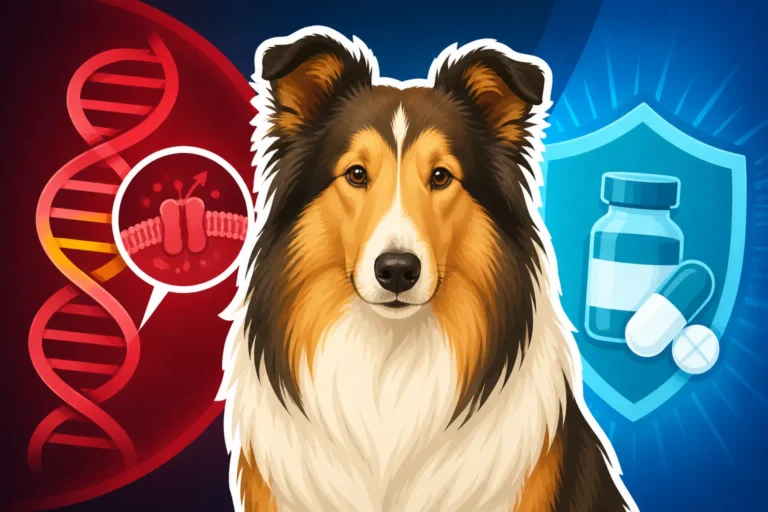
Perhaps the most widely known and critically important genetic test for Collies is the one for the MDR1 mutation, also known as the Multi-Drug Resistance 1 gene mutation. This isn't just a recommendation; for a Collie, it's an absolute necessity. The MDR1 gene produces a protein called P-glycoprotein, which acts like a pump, moving certain drugs out of the brain and other sensitive organs. When a Collie has a mutation in this gene, that pump doesn't work effectively, leading to dangerous accumulation of common medications in the brain.
What the MDR1 Mutation Actually Does
For Collies with two copies of the mutated MDR1 gene (meaning they are "affected" or "homozygous for the mutation"), administering certain common medications can be catastrophic. Even Collies with one copy (carriers or "heterozygous for the mutation") can show sensitivity, though typically less severe. The drugs that are problematic range from common dewormers and anti-diarrhea medications to sedatives and chemotherapy agents. When these drugs cross the blood-brain barrier and can't be pumped back out, they can become toxic, leading to neurological symptoms like tremors, disorientation, seizures, blindness, coma, and even death. It's a terrifying prospect, turning routine veterinary care into a potential minefield if you're not aware of your dog's status. For a deeper dive into the mechanics, you can learn more about What the MDR1 Mutation Actually Does to a Collie.
Identifying Affected Collies and Carriers
Fortunately, identifying Collies with the MDR1 mutation is straightforward and affordable thanks to a simple DNA test. This test can be performed using a cheek swab, making it non-invasive and easy for breeders to do on their breeding stock, and even on puppies before they go to their new homes. The results will typically come back as one of three genotypes:
- Clear (N/N or -/-): The dog does not carry the mutation and will not pass it on. They can tolerate all drugs normally.
- Carrier (N/M or +/-): The dog carries one copy of the mutation. They can pass it on to their offspring and may show mild to moderate sensitivity to certain drugs.
- Affected (M/M or +/+): The dog carries two copies of the mutation. They will pass it on to all offspring and are highly sensitive to problem drugs, requiring extreme caution.
Any reputable breeder will be able to provide the MDR1 test results for both parent dogs, giving you a clear picture of your puppy's likely status. If a puppy is born to two carrier parents, there's a 25% chance of being affected, 50% chance of being a carrier, and 25% chance of being clear.
Managing an MDR1-Positive Collie
If you own an MDR1-positive Collie, whether they are a carrier or affected, vigilance is key. It's not a death sentence, but it requires proactive management and communication with your vet. You'll need to know The Drug List That Can Kill a Collie and ensure that every vet, emergency clinic, or pet sitter is aware of your dog's sensitivity. Many owners opt for a medical alert tag for their Collie and ensure their vet's file is prominently flagged. Discussing alternative medications or adjusted dosages for essential treatments with your vet is crucial. For instance, common parasite preventives often contain drugs on the "watch list" for MDR1 Collies, so a vet familiar with the mutation can guide you towards safe options. This level of informed care truly demonstrates your commitment to your Collie's well-being.
Collie Eye Anomaly (CEA): Seeing Beyond the Surface
Collie Eye Anomaly, or CEA, is another incredibly common inherited condition within the Collie breed. Unlike MDR1, which can be entirely avoided by careful breeding, CEA is so widespread that it's nearly impossible to eliminate from the gene pool without severely restricting genetic diversity. The goal with CEA, therefore, is not necessarily to breed only "clear" dogs, but to understand the degree of affection and make informed decisions to produce healthy, functional vision.
The Spectrum of CEA: From Mild to Severe
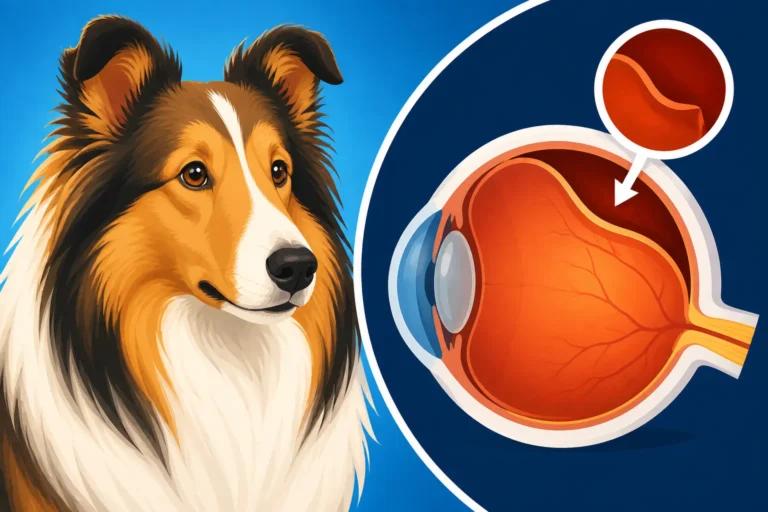
CEA is a congenital, inherited condition that affects the development of the choroid, a layer of tissue behind the retina that supplies blood and nutrients. The severity of CEA can vary widely, from very mild and clinically insignificant to severe and vision-threatening.
- Choroidal Hypoplasia (CH): This is the most common form, where the choroid is underdeveloped. Mild cases might not affect vision at all, while more severe cases can lead to some blind spots or reduced vision.
- Coloboma: This refers to a pit or lesion in the optic nerve or retina. Colobomas can range in size and may or may not impact vision. Larger colobomas, especially those involving the optic nerve, can be associated with retinal detachment and blindness.
- Retinal Detachment: This is the most severe manifestation, where the retina separates from the underlying choroid, leading to blindness. Hemorrhage within the eye can also occur.
It's heartbreaking to think that a beautiful puppy could have hidden eye issues, but early screening is paramount. To understand more, you can read about What Collie Eye Anomaly Does to the Back of the Eye.
Why Ophthalmic Exams Are Still Crucial
While there is a DNA test for CEA (specifically for the CH aspect), it doesn't tell the whole story. The genetic test identifies if a dog carries the mutation for choroidal hypoplasia. However, the expression of CEA (how severe it is) is complex and can be influenced by other genes. This is why a physical eye exam by a board-certified veterinary ophthalmologist is absolutely non-negotiable for Collie puppies. Puppies should be examined between 5-8 weeks of age, before their "tapetum" (a reflective layer in the eye) develops, which can mask mild forms of CEA later on. This early window is critical for an accurate diagnosis. The ophthalmologist will issue a certificate with findings like "CH," "Coloboma," or even "Go Normal." The phrase What Go Normal Means in a Collie's Eye Exam can be a bit confusing, but it indicates that while the puppy might carry the gene, they appear unaffected clinically at the time of examination.
Breeding Decisions and CEA
Given the prevalence of CEA, many ethical breeders will have Collies that are "affected" with mild CH, or "carriers" of the gene. The key is to avoid breeding two severely affected dogs, which would increase the likelihood of producing puppies with vision-impairing forms of CEA. A responsible breeder will be transparent about the eye health of their breeding stock and explain their strategy for managing CEA in their lines. They should provide OFA (Orthopedic Foundation for Animals) or CERF (Canine Eye Registration Foundation) eye certificates for the parents and, ideally, for the puppies themselves, especially if selling them at the recommended age for puppy eye exams. This proactive approach helps ensure the continued health of the breed's vision.
Gray Collie Syndrome (Cyclic Neutropenia): A Rare but Devastating Disease
While MDR1 and CEA are relatively common concerns for Collies, Gray Collie Syndrome (GCS), also known as Cyclic Neutropenia (CN), is fortunately quite rare. However, its devastating impact makes it another essential genetic test that ethical Collie breeders should perform. This is a condition that no loving owner ever wants to face, and responsible breeding practices aim to eradicate it entirely.
The Devastating Impact of Cyclic Neutropenia
Gray Collie Syndrome is an inherited blood disorder that causes a dog's white blood cell count, specifically neutrophils, to cycle dramatically. Neutrophils are a critical component of the immune system, responsible for fighting off bacterial infections. In Collies affected with GCS, their neutrophil count will plummet every 10-14 days, leaving them severely immunocompromised for a few days before their count rises again. This cyclic pattern means affected puppies are highly susceptible to recurrent, severe bacterial infections, often starting in their very first weeks of life. These infections can affect any part of the body, from their respiratory tract to their skin and gut. They are usually very sick, suffer from chronic diarrhea, fever, joint pain, and often die young from overwhelming infections. It's a truly heartbreaking condition that causes immense suffering. You can learn more about What Cyclic Neutropenia Does to a Collie Puppy and the challenges it presents.
Genetic Inheritance and Diagnosis
Gray Collie Syndrome is inherited in an autosomal recessive pattern. This means that a puppy must inherit two copies of the mutated gene (one from each parent) to be affected. Dogs with only one copy of the mutated gene are considered "carriers." They are perfectly healthy themselves and show no signs of the disease, but they can pass the mutation on to their offspring. This is why testing carrier parents is so vital, even if they appear completely normal.
The DNA test for Cyclic Neutropenia is also a simple cheek swab. Breeders should test all their breeding dogs to ensure they are not inadvertently pairing two carriers. If two carriers are bred, there is a 25% chance of producing an affected puppy, a 50% chance of producing a carrier, and a 25% chance of producing a clear puppy.
The Prognosis for Gray Collies
The prognosis for puppies born with Gray Collie Syndrome is unfortunately very grim. While some affected puppies may survive for a few years with intensive medical management, including antibiotics, immune stimulants, and supportive care during their immunocompromised cycles, most do not live beyond two or three years of age. Their quality of life is often severely compromised by chronic illness and frequent veterinary visits. This is why responsible breeders are so committed to testing for GCS; preventing the birth of even one affected puppy is paramount to the ethical stewardship of the breed. It's an example of where a pet insurance plan like those offered by Healthy Paws could provide some financial relief for owners facing such a challenging diagnosis, though prevention through genetic testing is always the best approach.
Understanding the Results: What the Tests Actually Mean
Navigating genetic test results can feel a bit like deciphering a foreign language, especially when you're just starting out as a prospective Collie owner. But understanding the basics of "clear," "carrier," and "affected" is crucial for making informed decisions and appreciating the efforts of responsible breeders.
Interpreting Clear, Carrier, and Affected Results
Let's break down what these terms really signify, using the most common notation found on lab reports:
| Term | Genotype (Example) | Meaning | Implications for the Dog | Implications for Breeding |
|---|---|---|---|---|
| Clear | N/N or -/- | The dog does not have the genetic mutation in question. | Will not develop the disease (due to this specific genetic mutation). Can be given medications on the "MDR1 watch list" without concern (for MDR1). Vision for CEA will be typical for the breed if "go normal" on ophthalmic exam. | Can be bred with any dog, including carriers or affected dogs, without producing affected offspring (though carrier x affected would still produce carriers). |
| Carrier | N/M or +/- | The dog has one copy of the genetic mutation and one normal copy. | For MDR1: May show mild to moderate sensitivity to certain drugs. Requires caution with "MDR1 watch list" medications. For CEA: The dog likely shows no clinical signs of CEA (unless another, untested gene is involved). For GCS: The dog is perfectly healthy. | For MDR1: Can be bred to a "Clear" dog (all offspring will be clear or carriers, none affected). Should NOT be bred to another "Carrier" or "Affected" dog due to risk of producing affected offspring. For GCS: Can be bred to a "Clear" dog (all offspring will be clear or carriers, none affected). |
| Affected | M/M or +/+ | The dog has two copies of the genetic mutation. | For MDR1: Highly sensitive and will likely have severe adverse reactions to "MDR1 watch list" medications. For CEA: The dog has a higher risk of developing more severe forms of CEA, potentially impacting vision. For GCS: The dog will develop the severe, often fatal, disease. | Should ideally NOT be used for breeding for health reasons, especially for conditions like MDR1 and GCS. For CEA, ethical breeders might use mildly affected dogs with careful pairing to clear partners to maintain genetic diversity, but this is a more nuanced discussion with ophthalmologist consultation. |
It’s important to remember that these tests specifically check for certain known mutations. A clear result doesn't mean a dog is immune to all possible health problems, just the ones tested for.
Common Genetic Testing Labs
Several reputable laboratories offer genetic testing for Collies. These labs are trusted by breeders and veterinarians alike to provide accurate and reliable results. Some of the most commonly used and respected names in the field include:
- OptiGen: Known for their expertise in canine ophthalmology, though they offer a range of tests.
- Paw Print Genetics: A comprehensive testing service covering many breed-specific conditions, including the Collie panel.
- Embark Veterinary: Offers extensive DNA testing that screens for hundreds of genetic health risks and traits, often including the core Collie panel.
- GenSol Diagnostics: Provides DNA testing for a variety of canine inherited diseases, including MDR1 and CEA.
When a breeder provides you with results, they should be from one of these recognized laboratories, not just a casual note. Always ask to see the official certificate or report, which will clearly state the dog's name, registration number, the tests performed, and the results. You can often verify these results directly with the lab using a provided ID number.
Discussing Results with Your Vet
Once you have a puppy, or even before, discussing these genetic test results with your veterinarian is a vital step. Your vet needs to be fully aware of your Collie's genetic predispositions to provide the best care throughout their life. For an MDR1-positive Collie, this means flagging their chart prominently with warnings about specific medications. It means having an informed conversation about annual parasite prevention or any surgical procedures that might require particular anesthetic choices. Knowing how to tell your vet about How a Collie Owner Tells the Vet About MDR1 is incredibly important. Even for CEA, understanding the specific grade of your Collie's condition helps your vet monitor for any changes or complications as your dog ages. Proactive communication ensures your vet is your partner in maintaining your Collie's health.
Beyond the Big Three: Other Important Health Considerations
While MDR1, CEA, and Gray Collie Syndrome are the absolute cornerstones of genetic testing for Collies, the health landscape for the breed extends beyond these three. Responsible breeders will often go above and beyond, testing for additional conditions that, while perhaps not as common or severe as the "big three," can still impact a Collie's quality of life. Understanding these other potential concerns further solidifies your position as an informed and diligent owner.
Dermatomyositis and Hip Dysplasia
Dermatomyositis (DMS): This is an autoimmune skin and muscle disease that can affect Collies, Shetland Sheepdogs, and other breeds. It often manifests as skin lesions on the face (especially around the eyes and muzzle), ears, and legs, and in some cases, can lead to muscle wasting. The severity can vary greatly, from mild skin issues that resolve on their own to more debilitating forms. The inheritance of DMS is complex, involving multiple genes, but there's a genetic test that assesses risk factors. A breeder might provide a DMS risk score, which indicates the likelihood of a dog developing or passing on the condition. While not always a straightforward "affected" or "clear" result like MDR1, it helps breeders make informed decisions to reduce the incidence of the disease. You can delve into How Dermatomyositis Risk Is Scored in a Collie to better understand this complex genetic picture.
Hip Dysplasia: While often associated with larger breeds, hip dysplasia can affect Collies, though typically less severely than, say, a German Shepherd. Hip dysplasia is a malformation of the hip joint that can lead to arthritis, pain, and lameness. It's a polygenic trait, meaning it's influenced by multiple genes as well as environmental factors (like diet and exercise during growth). Reputable breeders will have their breeding dogs' hips X-rayed and evaluated by the Orthopedic Foundation for Animals (OFA) or PennHIP. These evaluations provide a score or grade for the hip joints, indicating their quality. A good breeder aims for excellent or good ratings in their breeding stock to minimize the risk of passing on this debilitating condition. Knowing about Hip Dysplasia in a Collie can help you understand the importance of these evaluations.
Epilepsy and Other Concerns
Epilepsy: Idiopathic epilepsy, meaning seizures with no known cause, is another health concern that can affect Collies. While there isn't a simple DNA test for all forms of epilepsy, responsible breeders will be transparent about any history of seizures in their lines. Epilepsy can be a devastating condition, requiring lifelong medication and management. If you are considering a puppy from a line with a known history of epilepsy, it's crucial to have a frank discussion with the breeder about their breeding decisions and the potential risks. You can read more about Epilepsy in the Collie and its implications.
Bloat (Gastric Dilatation-Volvulus – GDV): While not a genetic testable condition in the same way as MDR1, bloat is a life-threatening emergency that Collies, being a deep-chested breed, are predisposed to. It occurs when the stomach fills with gas and often twists, cutting off blood supply. While genetics play a role in susceptibility, environmental factors like eating habits and exercise around meal times also contribute. A responsible breeder will educate you on the signs of bloat and preventive measures. Understanding Bloat in a Deep Chested Collie is critical for any Collie owner, as early recognition can be life-saving.
Other Genetic Tests: Depending on the specific lineage and geographical location, breeders might also test for other conditions, such as Progressive Retinal Atrophy (PRA), although CEA is the more prevalent eye issue in Collies. It's always a good idea to ask a breeder what specific health tests they perform beyond the absolute minimums.
Choosing an Ethical Breeder: Your Partner in Health
The journey to finding a healthy Collie puppy isn't just about reading test results; it's about finding a breeder who is a true partner, dedicated to the well-being of their dogs and the future of the breed. An ethical breeder doesn't just sell you a puppy; they provide ongoing support and transparency.
Questions to Ask Your Breeder
When you're speaking with a potential breeder, don't be shy about asking detailed questions about health and genetics. A good breeder will welcome your inquiries and be eager to share their knowledge and documentation. Here’s a list of essential questions to cover:
- "Can I see the genetic test results for MDR1, CEA, and Gray Collie Syndrome for both parents of this litter?" (Ask for official lab certificates, not just verbal assurances.)
- "What are the OFA or PennHIP scores for the parents' hips and elbows?" (Even if Collies aren't as prone, good breeders still screen.)
- "Can I see the ophthalmologist's eye exam certificates (CERF/OFA) for the parents, and for the puppies if they've been done?" (Especially critical for CEA.)
- "Are there any known instances of epilepsy, cancer, or other significant health issues in your breeding lines?" (A good breeder is transparent about potential challenges.)
- "What is your breeding philosophy regarding genetic health?" (Listen for their commitment to improving the breed and careful pairing.)
- "What is included in your health guarantee or contract?" (This shows their confidence in the health of their puppies.)
- "Which veterinarian do you work with, and would they be open to me contacting them with your permission?" (A good vet-client relationship speaks volumes.)
Remember, you're interviewing them as much as they're interviewing you. If a breeder seems evasive, reluctant to share documentation, or pressures you, these are major red flags. Your future Collie's health is worth the diligence.
The Value of Health Guarantees
An ethical breeder will almost always offer a health guarantee or warranty as part of their puppy contract. This isn't just a piece of paper; it's a testament to their confidence in their breeding program and their commitment to you and the puppy's well-being. A typical health guarantee might cover:
- Genetic diseases: Ensuring the puppy is free from severe forms of the tested genetic conditions for a certain period, or that they are correctly represented (e.g., if a puppy sold as "clear" later tests as "affected").
- Congenital defects: Protecting against birth defects that might become apparent in the first few months or year of life.
- Communicable diseases: Covering initial wellness and ensuring the puppy is healthy at the time of transfer.
These guarantees often come with conditions, such as requiring a vet check within a few days of bringing the puppy home. Always read the contract carefully and ask for clarification on anything you don't understand. A strong health guarantee, backed by the breeder's transparency and willingness to stand behind their puppies, is a hallmark of a truly responsible breeding program. This provides an extra layer of reassurance alongside services from pet insurance providers like Healthy Paws, knowing that the breeder has already taken significant steps to mitigate common breed-specific health issues.
Living with the Results: Supporting Your Collie's Health
Bringing home a Collie means committing to a lifetime of care, and understanding their genetic health profile is a big part of that. Whether your Collie is clear for everything or a carrier for MDR1, your responsibility as an owner is to ensure they live the healthiest, happiest life possible.
Proactive Veterinary Care
The insights from genetic testing should guide your approach to veterinary care. For an MDR1 carrier or affected Collie, this means consistently reminding every veterinary professional about their sensitivity. Always bring a list of your Collie's medications and their MDR1 status to any appointment, especially emergency ones. Consider a prominent tag on their collar or a clearly labeled note in their carrier. Regular check-ups are always important, but for a Collie with known genetic predispositions, they become even more crucial. Discuss a wellness plan with your vet, including appropriate parasite control and vaccination schedules that factor in their specific genetic makeup. Knowing about Whether an MDR1 Collie Recovers From a Reaction highlights the critical need for preventative discussion with your vet.
For Collies with even mild CEA, regular eye check-ups can help monitor for any progression or secondary issues, although the condition itself doesn't typically worsen over time in most cases. If your Collie is a carrier for DMS, being vigilant for any unusual skin lesions or hair loss can lead to early detection and management. Proactive care isn't about constant worry; it's about being prepared and having open communication with your veterinary team. This allows you to address potential issues before they become major problems, providing peace of mind for you and a better quality of life for your Collie. Thinking ahead about health expenses can make a huge difference, and many responsible owners opt for pet insurance, such as Healthy Paws, to help manage the costs of unexpected conditions, even if a breeder has provided guarantees.
Everyday Management for a Healthy Life
Beyond veterinary visits, genetic knowledge can influence your daily care decisions. For an MDR1-positive Collie, it means carefully checking the labels of any over-the-counter medications or supplements you might consider. Always consult your vet before giving any new product. It might also mean being extra cautious about where your Collie forages during walks, especially if you live in an area where livestock are treated with dewormers that could contain ivermectin or other problematic drugs.
For all Collies, regardless of their genetic status, a healthy lifestyle is paramount. This includes a high-quality diet appropriate for their age and activity level, regular exercise to maintain a healthy weight and muscle tone, and consistent mental stimulation to keep their intelligent minds engaged. Providing a safe, loving environment free from unnecessary stressors also contributes significantly to their overall health. Remember that a Collie's coat is part of their natural protection and temperature regulation, so understanding things like A Collie Is Never Trimmed and Never Shaved is important for their long-term comfort and health. By combining awareness of genetic predispositions with excellent everyday care, you'll be giving your Collie the very best chance at a long, fulfilling life.
Disclaimer
This article is intended for informational purposes only and does not constitute veterinary medical advice. Always consult with a qualified veterinarian for any health concerns or before making any decisions about your Collie's health or treatment plan. Genetic test results should be interpreted by a professional.