What Most Collies Die Of
It's never easy to think about the day our beloved Collies won't be with us anymore. For any dog owner, facing the mortality of our furry family members is one of the hardest parts of the journey. But understanding the common health challenges and causes of death in Collies can help us be more proactive, ensuring they live the fullest, happiest lives possible. This guide will walk you through the primary health concerns that most commonly lead to the end of a Collie's life, offering insights into what you can watch for and how to prepare.
The Shadow of Cancer in Our Beloved Collies
Just like in humans, cancer is a formidable foe for our canine companions, and Collies are unfortunately not immune. It’s one of the leading causes of death in older dogs across many breeds, and Collies are no exception. The heartache of a cancer diagnosis can be profound, and often it's a silent battle until it's quite advanced. Being aware of the types of cancer that tend to affect Collies and the subtle signs can make a world of difference in early detection and management.
Common Cancer Types Affecting Collies
While Collies can develop any type of cancer, certain forms tend to be more prevalent or aggressive. Lymphoma, a cancer of the lymphatic system, is tragically common. It can manifest in swollen lymph nodes, often noticeable in the neck, armpits, or groin. Hemangiosarcoma, another aggressive cancer, originates in the blood vessel lining and can appear anywhere, but is most devastating when it affects the spleen or heart, leading to internal bleeding that can be sudden and catastrophic. Osteosarcoma, a bone cancer, is less common but highly aggressive, particularly in larger breeds, causing lameness and pain. Other types include mast cell tumors, which can range from benign to very malignant, and various carcinomas affecting organs like the mammary glands (especially in unspayed females) or internal organs.
These cancers often present unique challenges. For instance, detecting hemangiosarcoma before it causes a crisis can be incredibly difficult, making it a particularly devastating diagnosis. With lymphoma, while often treatable with chemotherapy, the goal is typically remission and extending quality of life rather than a full cure. The genetic predispositions and overall aging process contribute significantly to whether a Collie gets cancer often.
Recognizing the Subtle Signs of Cancer
The difficulty with canine cancer, particularly in a stoic breed like the Collie, is that the early signs can be incredibly subtle or easily mistaken for other age-related issues. Persistent lethargy, a loss of appetite, or unexplained weight loss should always trigger a visit to the vet. Lumps or bumps under the skin that are new, growing, or changing need to be investigated. Collies have thick coats, making it crucial to perform regular, thorough checks by running your hands over their entire body, feeling for any anomalies.
Changes in bathroom habits, difficulty breathing, a persistent cough, or any sudden lameness without a clear injury are also red flags. For example, a Collie might suddenly become reluctant to jump into the car, or you might notice them panting excessively after minimal exertion. These signs, when observed keenly, can sometimes be the earliest indicators of an underlying issue, giving your vet a crucial head start. Regular veterinary check-ups are paramount, especially as your Collie ages, as a trained professional might spot something you miss.
Management and Treatment Options
A cancer diagnosis is frightening, but it’s not always a death sentence, and advancements in veterinary oncology offer more hope than ever. Treatment options for Collies can include surgery to remove tumors, chemotherapy to target cancer cells throughout the body, radiation therapy for localized cancers, or a combination of these. The choice of treatment depends on the type, stage, and location of the cancer, as well as your Collie's overall health and your family's circumstances.
Palliative care, focusing on pain management and maintaining a good quality of life, is also a vital aspect of cancer management, especially for advanced cases or when aggressive treatments aren't suitable. This might involve medications to reduce inflammation, improve appetite, or simply keep your Collie comfortable. It's important to have open and honest conversations with your veterinarian about prognosis, treatment costs, and what to expect. Many pet insurance providers, like Healthy Paws, offer coverage that can significantly ease the financial burden of these intensive treatments, allowing you to focus on your Collie's care without added stress.
Navigating Neurological Challenges
Neurological conditions can profoundly impact a Collie's quality of life and, in some cases, lead to a difficult decision about their future. While some are manageable, others can be progressive and debilitating, ultimately contributing to the end of their life.
The Impact of Epilepsy in Collies
Epilepsy is a heartbreaking neurological disorder characterized by recurrent seizures. It's an issue that Collie owners need to be particularly aware of. Seizures can range from mild "focal" episodes where the dog seems to stare blankly or twitch a limb, to severe "grand mal" seizures involving full-body convulsions, loss of consciousness, and involuntary urination or defecation. The age epilepsy starts in a Collie can vary, but it's often seen in younger to middle-aged dogs.
Living with an epileptic Collie requires vigilance and often medication. While not typically a direct cause of death, severe or uncontrolled seizures can lead to complications, or the ongoing management and potential side effects of medications can become overwhelming for both dog and owner. Understanding whether a Collie's seizures can be controlled is a critical step in managing this condition. Many Collies can live full, happy lives with appropriate anticonvulsant medication, but it's a condition that demands careful monitoring and partnership with your vet.
Understanding Degenerative Myelopathy
Degenerative Myelopathy (DM) is another neurological concern, though less common than epilepsy, that can affect Collies. This progressive disease affects the spinal cord, leading to weakness and incoordination in the hind limbs, eventually progressing to paralysis. It is similar in presentation to Amyotrophic Lateral Sclerosis (ALS) in humans. The onset is typically in older dogs, usually between 8 and 14 years of age. It's not a painful condition, but the loss of mobility is incredibly challenging.
Unfortunately, there is no cure for DM, and it is a progressive disease. Management focuses on supportive care, physical therapy, and maintaining muscle mass and mobility for as long as possible. This might involve special harnesses, booties, or even a dog wheelchair as the disease advances. The decision to euthanize often comes when the dog loses the ability to walk entirely and the quality of life severely diminishes, making it one of the causes that ultimately ends a Collie's life. You can read more about whether a Collie gets degenerative myelopathy to understand the genetic implications.
Other Neurological Concerns
Beyond epilepsy and DM, Collies can face other neurological issues that might impact their longevity or quality of life. Strokes, though less common in dogs than humans, can occur and lead to sudden neurological deficits. Brain tumors can also develop, causing symptoms like seizures, behavioral changes, or problems with balance and coordination. While often less specific to the breed, these conditions highlight the importance of observing your Collie for any unusual changes in behavior, movement, or responsiveness.
Some Collies, due to certain genetic predispositions, may also be more sensitive to certain medications, particularly those affecting the central nervous system. This is where conditions like the MDR1 gene mutation, which we'll discuss later, play a role. Recognizing these sensitivities and ensuring your veterinarian is aware of your Collie's genetic profile is vital in preventing adverse reactions. Regular check-ups, especially for senior Collies, can help catch early signs of cognitive decline or other neurological problems, allowing for timely intervention or supportive care as they age.
Heart Health and Circulatory System Concerns
Cardiac issues, whether present from birth or developing later in life, are significant health challenges for Collies. A strong heart is literally the core of a long, active life, and when it falters, the entire system is impacted.
Congenital and Acquired Heart Conditions
Collies can be affected by both congenital heart conditions (present from birth) and acquired heart diseases (developing later in life). Patent Ductus Arteriosus (PDA) is one of the more common congenital heart defects seen in Collies, where a blood vessel that should close shortly after birth remains open. If left untreated, PDA can lead to congestive heart failure. Reputable breeders often screen for such conditions, but it's important to be aware.
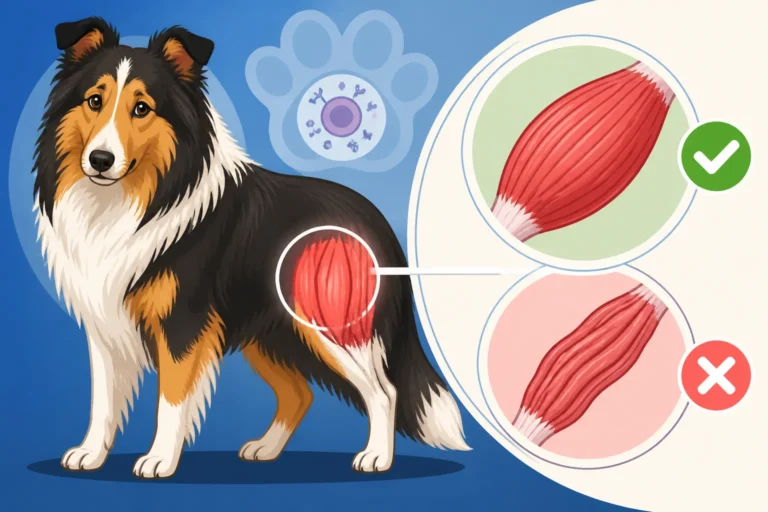
Acquired heart diseases, such as dilated cardiomyopathy (DCM) or valvular disease, tend to manifest in middle-aged to older Collies. DCM involves the enlargement and weakening of the heart muscle, making it less efficient at pumping blood. Valvular disease, often affecting the mitral valve, results in a leaky valve that causes blood to flow backward, putting strain on the heart. Signs of heart disease might include a persistent cough, decreased stamina, difficulty breathing, a swollen belly, or fainting spells. These can easily be mistaken for aging or other issues, so vigilance is key.
Managing Canine Heart Disease
When a Collie is diagnosed with heart disease, the prognosis depends heavily on the specific condition, its severity, and how early it's detected. While many heart conditions cannot be cured, they can often be managed effectively for months or even years, allowing your Collie to maintain a good quality of life. Treatment usually involves medications to improve heart function, manage fluid buildup, and regulate heart rhythm. Diuretics, ACE inhibitors, and beta-blockers are common prescriptions.
Lifestyle adjustments, such as dietary changes (often low-sodium) and controlled exercise, are also crucial. Regular follow-up appointments with a veterinary cardiologist, including echocardiograms, will be necessary to monitor the disease progression and adjust medications as needed. The goal is to slow the disease, manage symptoms, and prevent congestive heart failure. Pet insurance plans, such as those from Healthy Paws, can be an invaluable resource in covering the ongoing costs of these specialized diagnostics and lifelong medications, which can quickly add up. Understanding how long a Collie lives and what ends it often involves recognizing the chronic diseases that take a toll.
The Sudden Threat of Bloat
One of the most terrifying and acute emergencies a Collie owner can face is Gastric Dilatation-Volvulus (GDV), commonly known as bloat. This condition progresses rapidly and can be fatal if not treated immediately.
Why Collies Are at Risk for GDV
Collies, with their deep, narrow chests, are unfortunately predisposed to bloat. This is a condition where the stomach fills with gas and then twists upon itself, trapping the gas and cutting off blood flow to the stomach and other vital organs. It's a true veterinary emergency that requires immediate surgical intervention. While the exact cause is not fully understood, risk factors include eating one large meal a day, eating quickly, exercising vigorously after eating, and stress. Read more about bloat in a deep chested Collie to fully grasp the risks.
The conformation of the Collie's chest cavity creates the perfect storm for this kind of event. It's not just about the size of the dog, but the specific shape that allows the stomach to swing and twist more easily. Owners of deep-chested breeds live with a constant undercurrent of worry about bloat, knowing how quickly it can turn fatal.
Recognizing Emergency Bloat Symptoms
Time is absolutely critical when it comes to bloat. Recognizing the signs immediately can mean the difference between life and death. The most common symptoms of bloat include unproductive retching (trying to vomit but nothing comes up), a distended or swollen abdomen (which might be hard to see in a fluffy Rough Collie), restlessness, excessive drooling, pain when the abdomen is touched, and signs of shock such as pale gums and rapid heart rate. Your dog might also stand in a hunched position or seem distressed and unable to settle.
If you observe any of these signs, do not wait. Get your Collie to the nearest emergency veterinary clinic immediately. Every minute counts. Seriously, understanding signs a Collie is bloating is not just helpful, it's potentially life-saving. Even if you're unsure, it's always better to err on the side of caution and get them checked.
Preventive Measures and Emergency Response
While bloat can strike without warning, there are preventive measures Collie owners can take to reduce the risk. Feeding multiple smaller meals throughout the day instead of one large one is often recommended. Slow feeder bowls can help prevent fast eating, and ensuring your Collie rests for at least an hour before and after meals is crucial. Minimizing stress during meal times can also be beneficial.
For Collies at high risk, or simply for concerned owners, a prophylactic gastropexy procedure can be performed. This surgery involves tacking the stomach to the abdominal wall to prevent it from twisting, though it won't prevent the stomach from filling with gas. This procedure can often be done concurrently with spaying or neutering. Having an emergency plan in place, knowing the route to the nearest 24-hour veterinary hospital, and keeping their medical chart flagged for MDR1 sensitivities, can be vital for your Collie’s survival during an emergency. It's also wise to have a conversation with your vet about whether a Collie should have a preventive gastropexy.
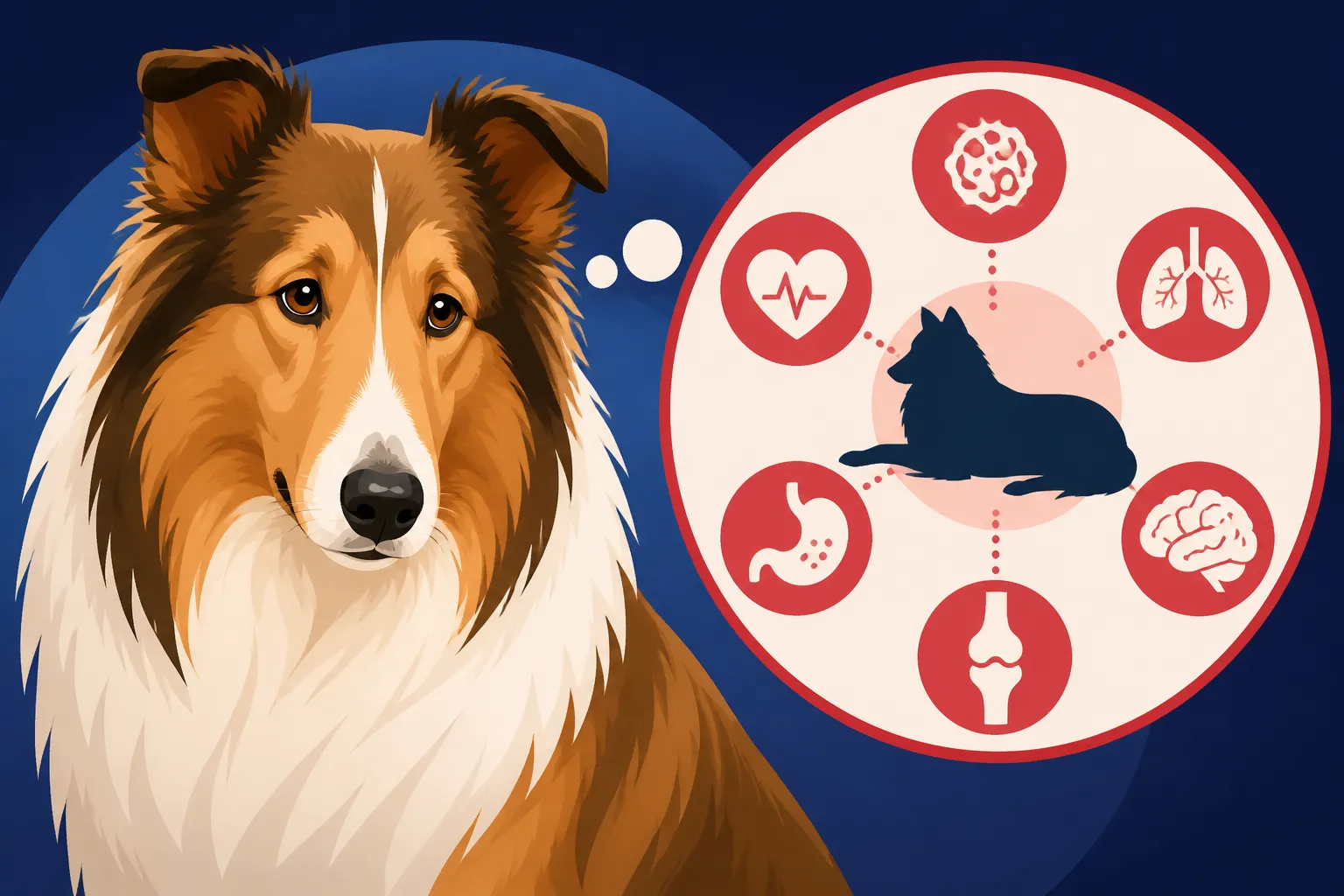
| Condition | Common Age of Onset | Key Symptoms | Prognosis (Untreated) | Prevention/Management Strategies |
|---|---|---|---|---|
| Cancer | Middle to Senior | Lumps, lethargy, weight loss, appetite change | Poor | Regular vet checks, prompt lump investigation |
| Epilepsy | Young to Middle | Seizures (focal to grand mal) | Variable, depends on control | Medication, vet monitoring |
| Degenerative Myelopathy | Senior | Hind limb weakness, paralysis | Poor, progressive | Supportive care, physical therapy |
| Heart Disease | Variable (congenital/acquired) | Cough, lethargy, breathing difficulty, fainting | Poor to moderate | Medication, diet, regular vet checks, screening |
| Bloat (GDV) | Any age, common in deep-chested | Unproductive retching, distended abdomen, distress | Fatal (within hours) | Smaller meals, slow feeders, rest after eating, prophylactic gastropexy |
| Kidney/Liver Disease | Senior | Increased thirst/urination, lethargy, vomiting | Poor, progressive | Dietary management, fluids, medication, regular bloodwork |
Age-Related Organ Decline
As our Collies grow older, their bodies naturally begin to show wear and tear. Organ function, particularly that of the kidneys and liver, can decline, becoming a leading cause of health complications and ultimately, the end of their lives. Caring for a Collie past nine often means paying close attention to these silent shifts.
Kidney Disease in Senior Collies
Kidney disease is a common problem in aging dogs, including Collies. The kidneys are vital for filtering waste products from the blood, maintaining electrolyte balance, and producing hormones. When their function declines, toxins build up in the body, leading to a range of symptoms and systemic illness. Early signs can be subtle: increased thirst and urination are often the first noticeable changes, which owners might initially dismiss as normal aging or environmental factors.
As the disease progresses, Collies may experience lethargy, loss of appetite, weight loss, vomiting, and a dull coat. Diagnosing kidney disease often involves blood tests (checking BUN, creatinine, and phosphorus levels) and urine tests (checking specific gravity and protein levels). While chronic kidney disease is not curable, it can be managed for a significant period with supportive care, special diets (low protein, low phosphorus), fluid therapy, and medications to manage symptoms and slow progression. The goal is to maintain the best possible quality of life, but eventually, kidney failure will render a Collie unable to function.
Liver Function and Health
The liver is another powerhouse organ, involved in digestion, detoxification, and metabolism. Liver disease in Collies, while perhaps less frequently discussed than kidney issues or breed-specific genetic conditions, can also be a serious concern, especially as dogs age. Liver problems can stem from various causes, including infections, toxins, inflammation, or tumors. Some breeds also have genetic predispositions to certain liver conditions, though this is less common for Collies specifically.
Symptoms of liver disease can be vague and include lethargy, loss of appetite, vomiting, diarrhea, increased thirst, and sometimes jaundice (yellowing of the skin, gums, or whites of the eyes). In advanced stages, neurological symptoms can appear due to the buildup of toxins that the liver can no longer process. Diagnosis typically involves blood tests (liver enzymes), bile acid tests, and sometimes ultrasound or biopsy. Management depends on the underlying cause and can include dietary changes, medications to support liver function, and antioxidants. While the liver has a remarkable capacity for regeneration, severe or chronic damage can eventually lead to liver failure, another heartbreaking reason for an old Collie's decline.
Unforeseen Complications and Accidents
Beyond chronic illnesses and age-related decline, there are acute situations and genetic vulnerabilities that can suddenly or unexpectedly threaten a Collie’s life. Being prepared for these can make a crucial difference.
MDR1 Gene and Drug Sensitivities
This is a critical point for any Collie owner: the Multidrug Resistance 1 (MDR1) gene mutation. This genetic quirk is particularly prevalent in Collies and related breeds, impacting their ability to properly metabolize and excrete certain medications. This can lead to a toxic buildup of drugs in the brain, causing severe neurological symptoms, seizures, coma, and even death. It’s not a disease in itself, but a sensitivity that can turn common medications into dangerous poisons. You should assume your Collie has the MDR1 mutation unless proven otherwise through testing.
The list of drugs affected by the MDR1 mutation is extensive and includes common antiparasitics (like ivermectin at high doses), anti-diarrhea medications (like loperamide), certain chemotherapy agents, and some sedatives and anesthetics. An MDR1 Collie's chart should be flagged at the clinic to ensure all veterinary staff are aware. Signs an MDR1 Collie is having a drug reaction can range from disorientation and drooling to tremors and seizures. It's paramount to know your Collie's MDR1 status, which can be determined by a simple DNA test. If your Collie is positive, every vet visit needs a careful discussion about medication choices to avoid potentially fatal drug reactions.
Trauma and Acute Illnesses
Even with the best care, accidents and sudden illnesses can occur. Trauma, such as being hit by a car, falls, or altercations with other animals, can lead to severe injuries that are sometimes unsurvivable. While we strive to protect our dogs, these events can happen quickly and unexpectedly. Ensuring your Collie is always on a leash in unfenced areas and has secure fencing at home is crucial.
Acute illnesses, such as severe pancreatitis, sudden organ failure not related to chronic disease, or overwhelming infections (sepsis), can also lead to rapid decline. These situations often require immediate and intensive veterinary care. While not specific to Collies, being prepared for emergencies, both emotionally and financially, is part of responsible dog ownership. This includes having an emergency fund or robust pet insurance coverage, like a comprehensive plan from Healthy Paws, which can help cover the high costs of emergency surgeries, hospitalizations, and critical care. Knowing what a Collie owner should carry to an emergency visit can help streamline the process during a crisis.
Ultimately, while the thought of losing our beloved Collies is painful, understanding these common health challenges empowers us to be better advocates for their health. Early detection, preventive care, and proactive discussions with your veterinarian can significantly influence the length and quality of your Collie's life, helping you maximize every precious moment you have together.
Disclaimer
The information provided in this article is for general educational purposes only and is not a substitute for professional veterinary advice. Always consult with a qualified veterinarian for any health concerns or before making any decisions related to your Collie's health or treatment.