Whether a Collie Lives Longer Than a German Shepherd
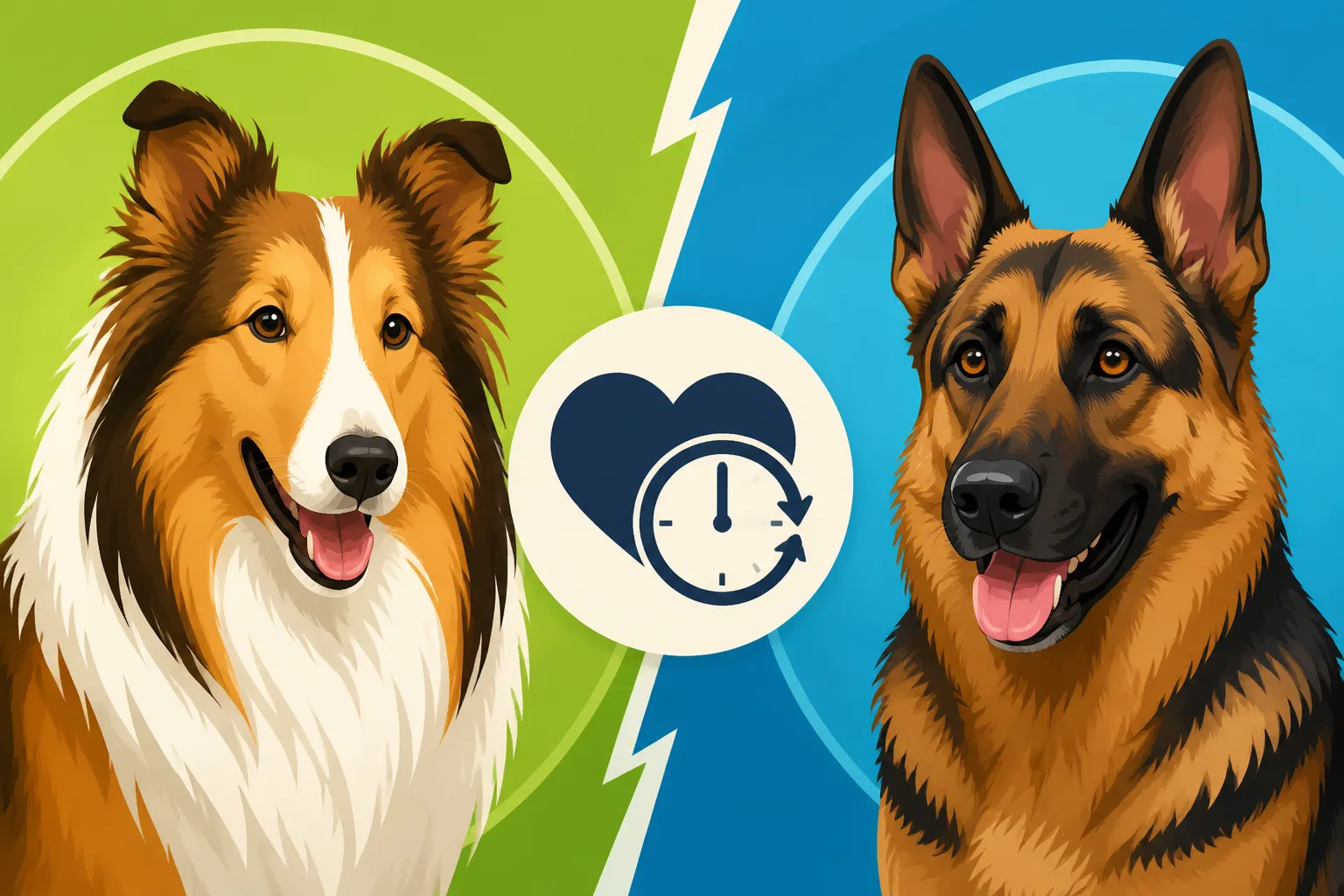
It's a question many of us ponder when welcoming a new furry family member, or even when just dreaming of one: how long will they be with us? The thought of our beloved companions aging can be bittersweet, and when you're looking at breeds like the Collie and the German Shepherd, known for their distinct characteristics and health profiles, it’s natural to wonder which one typically enjoys a longer life. This guide will dive deep into the average lifespans of both the Collie and the German Shepherd, exploring the various factors that play a role in how many precious years we get to share with them.
Average Lifespans: A General Look at Collie vs. German Shepherd
When we talk about average lifespans for dog breeds, it's important to remember that these are just averages. They represent a typical range, but every single dog is an individual with their own genetic blueprint, lifestyle, and a good bit of luck thrown in. However, these averages can certainly give us a general idea and help us understand potential health considerations down the road.
The Collie's Typical Journey
Collies, with their gentle demeanor and striking beauty, are generally considered to be a moderately long-lived breed among larger dogs. Most Collies will live a good, full life ranging from about 10 to 14 years. It’s not uncommon to hear stories of Collies living well past 14, even touching 15 or 16, especially if they’ve been blessed with robust health and excellent care throughout their lives. This relatively long lifespan is one of the many reasons why they make such wonderful, enduring family companions. To understand more about the specific conditions that can affect their time with us, you might want to read about How Long a Collie Lives and What Ends It.
What contributes to this range? A combination of good breeding practices that aim to reduce the incidence of certain genetic conditions, coupled with consistent veterinary care, a balanced diet, and an active but not overly strenuous lifestyle, all play a part. While they are a larger breed, they don't carry the extreme weights or deep chests that sometimes predispose other large breeds to shorter lives due to certain health risks.
The German Shepherd's Road
German Shepherds, on the other hand, while equally beloved and intelligent, tend to have a slightly shorter average lifespan. You'll typically see German Shepherds living in the range of 7 to 10 years. This isn't to say that German Shepherds can't exceed this, as many certainly do, but it's a generally accepted guideline within the breed community and among veterinarians. Their robust working dog heritage often comes with a trade-off in longevity compared to some other breeds.
Their size, structure, and the prevalence of certain breed-specific health issues contribute to this average. While they are powerful and athletic, some of the conditions commonly seen in the breed can unfortunately cut short their potential years. Understanding these challenges is key for any German Shepherd owner, just as it is for Collie owners.
Health Factors Influencing Collie Longevity
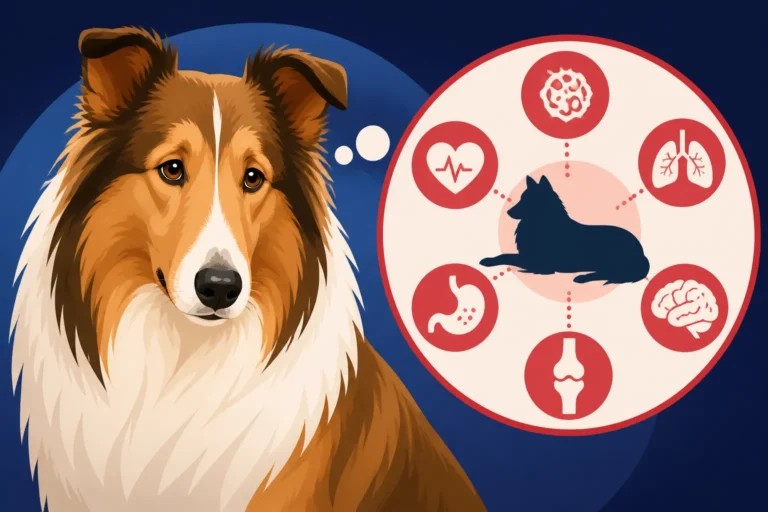
Collies are generally a healthy breed, but like all purebred dogs, they do have certain genetic predispositions and health concerns that can impact their lifespan. Being aware of these and taking proactive steps can make a significant difference.
Genetic Predispositions in Collies
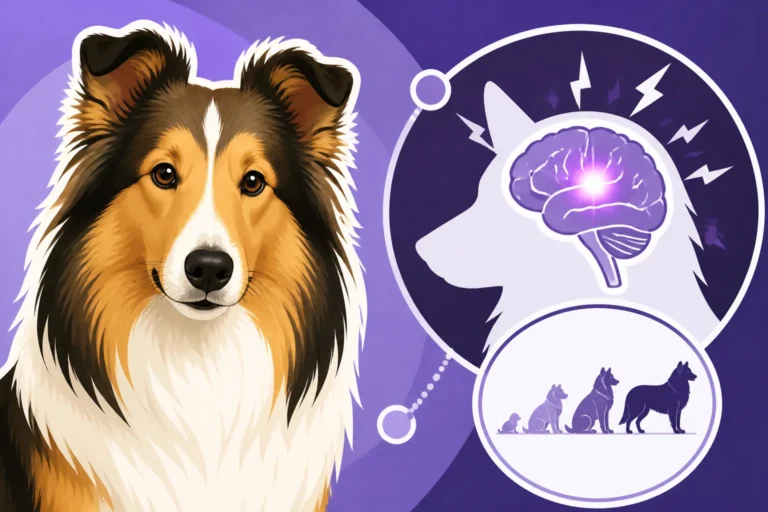
One of the most widely known genetic concerns in Collies is the MDR1 (Multi-Drug Resistance 1) mutation. This isn't usually a direct cause of death, but it makes them hypersensitive to certain common medications, some of which can be fatal if administered incorrectly. Ensuring your vet is aware of this is crucial, and it’s why so many breeders strongly recommend testing. You can learn a lot more about this important topic in Assume Your Collie Has the MDR1 Mutation. If an MDR1-positive Collie accidentally receives a contraindicated drug, the consequences can be severe, potentially leading to neurological issues or worse.
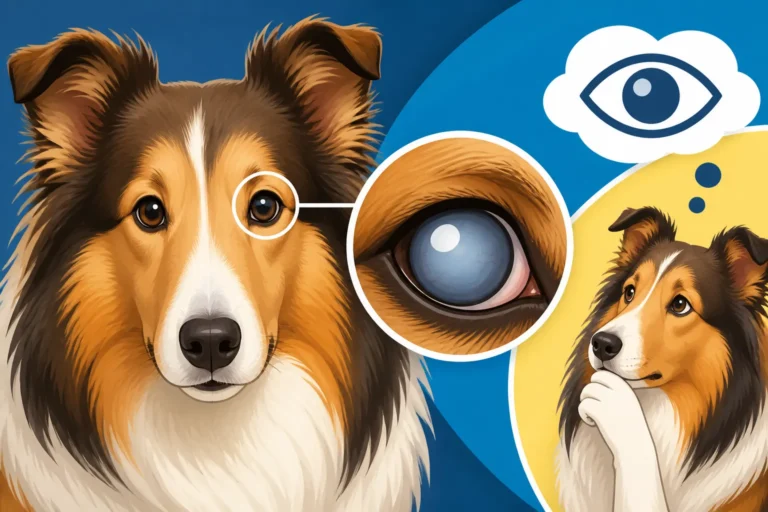
Another significant concern is Collie Eye Anomaly (CEA), a congenital condition affecting the development of the eye. While many Collies have a mild form that doesn't significantly impact their vision or lifespan, severe cases can lead to blindness or retinal detachment, which, while not fatal, can certainly impact quality of life. For more detailed information, check out Collie Eye Anomaly Affects Most Collies, So Ask How Badly. Dilated Cardiomyopathy (DCM) is also seen in Collies, a heart condition that can progress and ultimately shorten a dog’s life. Responsible breeders conduct genetic tests to screen for these conditions, aiming to produce healthier puppies.
Other Breed-Specific Challenges for Collies
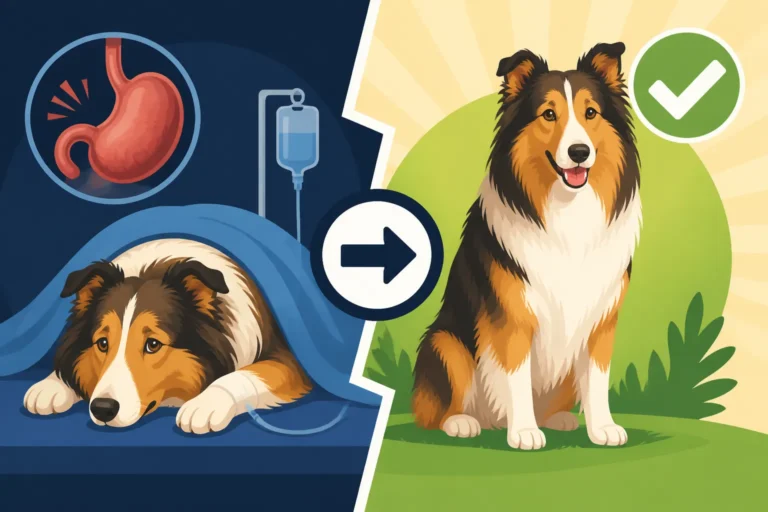
Beyond the more prominent genetic concerns, Collies can also face other health hurdles. Bloat, or Gastric Dilatation-Volvulus (GDV), is a sudden and life-threatening condition where the stomach twists. As a deep-chested breed, Collies are at a higher risk for this emergency. Understanding the signs and knowing what to do immediately can be the difference between life and death. For insights on managing this risk, refer to Bloat in a Deep Chested Collie.
Certain cancers, though not unique to Collies, can also occur. Lymphoma and hemangiosarcoma are examples of aggressive cancers that can affect various breeds, including Collies. Regular veterinary check-ups are essential for early detection, which can sometimes improve prognosis. Autoimmune conditions, like Dermatomyositis (DMS), which affects the skin and sometimes muscle tissue, can also be a challenge, requiring lifelong management and potentially impacting overall health. You can explore this further in Dermatomyositis and the Collie Risk Panel. Having pet insurance, like a plan from Healthy Paws, can be an incredible help for covering the costs associated with diagnosing and treating these complex conditions, easing the financial burden during difficult times.
Health Factors Influencing German Shepherd Longevity
German Shepherds, celebrated for their loyalty and intelligence, are unfortunately prone to a number of serious health issues that often contribute to their shorter average lifespan. Understanding these conditions is vital for any German Shepherd owner.
Orthopedic Concerns in German Shepherds
Perhaps the most well-known health challenge for German Shepherds is their propensity for orthopedic problems, particularly hip and elbow dysplasia. These are genetic conditions where the joints don't form correctly, leading to arthritis, pain, and reduced mobility. While Collies can also experience hip dysplasia, it is significantly more prevalent and often more severe in German Shepherds, placing a considerable burden on their quality of life as they age. Early detection and management, which can include medication, physical therapy, or even surgery, are critical. For a broader understanding of joint issues, you might find Hip Dysplasia in a Collie informative, even though the prevalence differs.
The severity of hip and elbow dysplasia can greatly impact a German Shepherd's activity levels and, by extension, their overall health and longevity. Dogs in constant pain or with limited mobility may become sedentary, leading to weight gain and other secondary health problems. Many responsible breeders screen their breeding stock for these conditions, using certifications from organizations like the Orthopedic Foundation for Animals (OFA) to try and minimize their occurrence in future generations.
Other Significant Health Issues for German Shepherds
Beyond joint issues, German Shepherds are also at a higher risk for Degenerative Myelopathy (DM), a progressive neurological disease that affects the spinal cord, leading to paralysis in the hind limbs. This condition is often seen in older German Shepherds and is usually fatal within a few years of diagnosis, as there is no cure. The onset can be heartbreaking for owners and impacts the dog's quality of life considerably.
Like Collies, German Shepherds are also a deep-chested breed, making them susceptible to bloat, or GDV. This is a severe emergency that requires immediate veterinary intervention. Furthermore, certain cancers, such as hemangiosarcoma and osteosarcoma (bone cancer), are unfortunately more common in German Shepherds than in many other breeds. These aggressive cancers can be challenging to treat and often have a poor prognosis, contributing significantly to their shorter average lifespan. Having comprehensive pet insurance, perhaps through a provider like Healthy Paws, can provide immense relief when facing the high costs associated with diagnosing and treating these serious conditions, allowing owners to focus on their dog's care rather than financial strain.
Maximizing Lifespan for Both Beloved Breeds
While genetics play a significant role in a dog's potential lifespan, an owner's commitment to their dog's health and well-being is paramount. There are many proactive steps you can take to help both Collies and German Shepherds live the longest, happiest lives possible.
Proactive Veterinary Care and Nutrition
Regular veterinary check-ups are non-negotiable for both breeds. These routine visits allow your vet to catch potential health issues early, when they are often more manageable. This includes annual physicals, appropriate vaccinations, and parasite prevention. As your dog ages, your vet might recommend more frequent visits or specific screenings, like bloodwork to monitor organ function. You might want to consider Whether an Old Collie Needs Bloodwork Twice a Year for more specific senior care discussions.
Nutrition is another cornerstone of good health. Feeding a high-quality, balanced diet appropriate for your dog's age, size, and activity level is crucial. Overfeeding can lead to obesity, which is a major contributor to a shorter lifespan in all dogs, exacerbating joint issues in breeds like the German Shepherd and putting strain on internal organs. Keeping your Collie or German Shepherd at a healthy weight is essential. Understanding Whether a Collie's Weight Shortens Its Life can provide valuable insights into managing your dog's physique. Discuss with your vet if your dog needs joint supplements from middle age, as both breeds can benefit from this proactive support, particularly as they get older. The question of Whether a Collie Needs Joint Support From Middle Age is a good one to consider for either breed.
Spaying or neutering your dog can also impact lifespan, though the timing is often debated. Generally, altered dogs tend to live longer due to reduced risks of certain cancers and other health complications. You can read more about this in Whether a Spayed Collie Lives Longer.
Exercise and Mental Stimulation
Both Collies and German Shepherds are intelligent, active breeds that thrive on regular exercise and mental engagement. Daily walks, playtime, and opportunities to run in a safe, fenced area are important for maintaining physical fitness and preventing boredom, which can lead to destructive behaviors. However, it's crucial to tailor exercise to the individual dog, especially considering the German Shepherd's propensity for joint issues. High-impact activities should be limited, especially during puppyhood when their joints are still developing.
For Collies, their herding instincts mean they enjoy activities that engage their minds, like puzzle toys or training sessions. German Shepherds also excel in various dog sports and working roles that provide mental challenges. A mentally stimulated dog is generally a happier and healthier one.
The Role of a Responsible Breeder
Choosing a puppy from a responsible breeder is perhaps one of the most impactful steps you can take to ensure a long and healthy life for your dog. Reputable breeders are transparent about their dogs' health history, perform extensive genetic testing on their breeding stock for breed-specific conditions, and are dedicated to improving the health of the breed. They can provide documentation for tests like OFA clearances for hips and elbows in German Shepherds, and MDR1 and CEA clearances for Collies. Asking a breeder about The Three Genetic Tests a Collie Breeder Owes You is a great starting point for ensuring a healthy lineage.
A good breeder will also provide a health guarantee and be available to answer questions and offer support throughout your dog's life. While even the best breeding practices can't guarantee a completely disease-free dog, they significantly stack the odds in favor of a healthier, longer-lived companion.
Here's a quick comparison of the two breeds and their typical health profiles:
| Feature | Collie | German Shepherd |
|---|---|---|
| Average Lifespan | 10-14 years | 7-10 years |
| Key Health Concerns | MDR1, CEA, Bloat, Dermatomyositis, Cancer | Hip & Elbow Dysplasia, DM, Bloat, Cancer |
| Orthopedic Risk | Moderate (Hip Dysplasia) | High (Hip & Elbow Dysplasia) |
| Genetic Test Importance | MDR1, CEA, DCM, DMS | DM, Hemophilia, Degenerative Myelopathy |
| Exercise Needs | Moderate – Daily walks, mental stimulation | High – Daily vigorous exercise, mental work |
| Grooming Needs | High (Rough Collie), Low (Smooth Collie) | Moderate (Seasonal heavy shedding) |
| Bloat Risk | Moderate (Deep-chested) | High (Deep-chested) |
Ultimately, while German Shepherds tend to have a shorter average lifespan than Collies, individual care, genetics, and a little bit of luck mean that any dog has the potential to defy averages. Providing excellent nutrition, consistent veterinary care, appropriate exercise, and a loving home are the best gifts you can give any dog, regardless of their breed, to ensure you have as many wonderful years together as possible. Knowing What Most Collies Die Of can help you focus preventative care for your own dog.
Disclaimer
This article is for general informational purposes only and does not constitute professional advice. Laws, prices and regulations vary by location and change over time. Consult a qualified professional for guidance on your specific situation.