Whether an Epileptic Collie Can Take Standard Medication
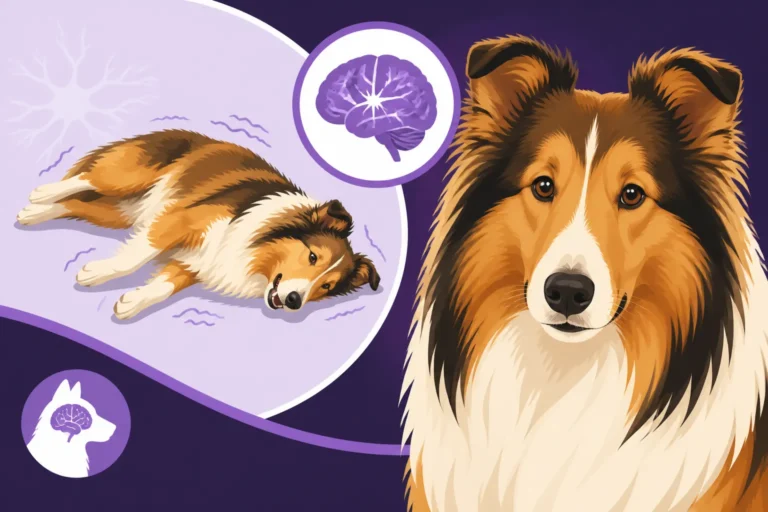
Discovering your beloved Collie is experiencing seizures is a truly terrifying experience, and then the worry immediately turns to treatment. It's perfectly natural to feel a knot in your stomach wondering if the "standard" medications that help other dogs might actually harm your sensitive Collie. This guide will walk you through the complexities of treating epilepsy in Collies, focusing on how their unique genetic makeup impacts medication choices and how you can work with your vet to ensure the safest, most effective care for your best friend.
Understanding the Collie's Unique Drug Sensitivity
It's no secret among Collie owners that our beautiful dogs come with a specific genetic quirk that makes them incredibly sensitive to certain medications. This isn't just an anecdote; it's a very real, scientifically proven fact that dramatically impacts how we approach their healthcare, especially when it comes to long-term conditions like epilepsy. The burden of this knowledge can weigh heavily on an owner, making every vet visit feel like a high-stakes negotiation. You worry about advocating effectively for your dog and ensuring their safety.
Understanding the MDR1 Gene
At the heart of this drug sensitivity is a specific genetic mutation known as MDR1, or the Multi-Drug Resistance 1 gene mutation. Roughly 70% of Collies carry at least one copy of this gene, making it a widespread concern for our breed. This gene is responsible for producing P-glycoprotein, a protein that acts like a tiny bouncer at the blood-brain barrier, pumping certain drugs out of the brain before they can accumulate to toxic levels. Think of it as your brain's personal security detail.
When a Collie has a mutated MDR1 gene, this P-glycoprotein doesn't work correctly, or in some cases, isn't produced at all. This means that drugs that would normally be safely ushered out of the brain are allowed to cross the blood-brain barrier and build up. The result? Neurotoxicity. Even a seemingly small dose of a "standard" medication can become a dangerous, life-threatening overdose for an MDR1-affected Collie. This is why it's absolutely critical to Assume Your Collie Has the MDR1 Mutation until proven otherwise, and to get your Collie tested. Labs like Washington State University's Veterinary Clinical Pharmacology Laboratory (VCPL) offer reliable genetic testing for this very purpose, typically using a simple cheek swab. Knowing your dog's status is the first, most important step in protecting them.
How MDR1 Affects Drug Safety in Collies
The impact of the MDR1 mutation on drug safety for Collies is profound, particularly with medications that target the central nervous system. When these drugs cross into the brain unchecked, they can cause a range of severe neurological symptoms, from mild disorientation and lethargy to profound neurological depression, ataxia (loss of coordination), blindness, coma, and even death. It's a terrifying prospect for any owner. This isn't just about avoiding a few obscure drugs; it affects a significant The Drug List That Can Kill a Collie that your vet might routinely prescribe for other breeds without a second thought.
For an epileptic Collie, this means that some of the most common anti-seizure medications, while generally safe and effective for non-MDR1 dogs, need careful consideration, dosage adjustments, or outright avoidance. The thought of your dog needing medication for a serious condition like epilepsy, only to find the "go-to" drugs are potentially dangerous, adds immense stress. It’s a situation where vigilance and proactive communication with your veterinary team become your most powerful tools. You need to be your Collie’s advocate, ensuring every medication choice is weighed against their specific genetic risk.
Standard Anticonvulsant Medications and Collies
When your Collie is diagnosed with epilepsy, the discussion quickly turns to anticonvulsant medications to help Whether a Collie's Seizures Can Be Controlled. Many of these drugs are considered "standard" in veterinary medicine and are highly effective for most dogs. However, for a Collie, especially one with the MDR1 mutation, this is where careful navigation is key. It's not a blanket "no" to all medications, but rather a thoughtful, informed approach to choosing the right drug at the right dose.
Common Anticonvulsants and Their Collie Considerations
Let's break down some of the most commonly prescribed anticonvulsants and what Collie owners need to know:
-
Phenobarbital: This is often a first-line drug for canine epilepsy due to its effectiveness and relatively low cost. For Collies, however, Phenobarbital can be an issue because it's a substrate for P-glycoprotein. This means that if your Collie has the MDR1 mutation, Phenobarbital can accumulate in the brain, leading to increased sedation, ataxia, and other neurological side effects at standard doses. However, it's not always completely off-limits. Many MDR1-affected Collies can tolerate Phenobarbital, but they often require significantly lower doses and very careful monitoring of blood levels. Your vet will start with a lower dose and slowly titrate up, performing regular blood tests to ensure therapeutic levels are reached without toxicity. You might notice your Collie is much sleepier in the initial weeks, but this often improves as they adjust.
-
Potassium Bromide (KBr): This medication is another common choice, often used alone or in conjunction with Phenobarbital. The good news for Collie owners is that Potassium Bromide is not a substrate for the MDR1 protein. This makes it a much safer option from an MDR1 perspective, as it doesn't cross the blood-brain barrier via P-glycoprotein. Therefore, KBr is often a preferred initial or adjunct therapy for epileptic Collies, especially those with confirmed MDR1 mutations, minimizing the worry of drug accumulation. However, it can still have side effects like gastrointestinal upset, increased thirst and urination, and sedation, just like in any other breed.
-
Levetiracetam (Keppra): This is a newer generation anticonvulsant that has rapidly become popular in veterinary medicine due to its rapid onset of action, generally good safety profile, and minimal drug interactions. Crucially, Levetiracetam is not significantly affected by the MDR1 gene. This makes it an excellent choice for Collies, particularly those with the mutation, as it offers effective seizure control with far less concern about neurotoxicity related to MDR1. It's often used as an add-on therapy or for cluster seizures, but can also be used as a primary anticonvulsant. Side effects are usually mild and temporary, such as lethargy or appetite changes.
-
Zonisamide: Another newer anticonvulsant, Zonisamide is also generally considered safe for MDR1-affected Collies. Like Levetiracetam, it is not a significant substrate for the P-glycoprotein pump. It's often used when other medications are ineffective or cause unacceptable side effects. While generally well-tolerated, potential side effects can include sedation, ataxia, and loss of appetite.
-
Gabapentin: Primarily used as an add-on therapy for pain or anxiety, Gabapentin also has some anticonvulsant properties. It is generally considered safe for MDR1-affected Collies and is often used to help manage seizure activity or as a calming agent. It's generally very well-tolerated, with sedation being the most common side effect.
It's clear that while the MDR1 gene adds a layer of complexity, it doesn't mean your Collie can't receive effective epilepsy treatment. It simply means the "standard" approach needs a Collie-specific modification.
Monitoring Your Collie During Treatment
Regardless of the medication chosen, vigilant monitoring is absolutely essential when treating an epileptic Collie. This is especially true for the initial phase of treatment and whenever dosages are adjusted. You are your Collie's eyes and ears, and your observations are invaluable to your vet.
Here's what you should be keeping a close eye on:
- Behavioral Changes: Is your Collie excessively drowsy, stumbling, disoriented, or unusually restless? Are they more vocal or quiet than usual? These can be signs of neurological side effects.
- Appetite and Thirst: Changes in eating or drinking habits can indicate issues with the medication or overall health.
- Gastrointestinal Upset: Vomiting or diarrhea can be a side effect of some medications, particularly when first starting them.
- Seizure Activity: Keep a detailed log of seizure frequency, duration, severity, and any triggers you observe. This data is crucial for your vet to assess the medication's effectiveness.
- Blood Work: Regular blood tests are critical for monitoring drug levels (especially for Phenobarbital) and checking liver and kidney function, as many anticonvulsants are metabolized by these organs. Your vet will establish a schedule for these checks.
This monitoring might feel like a full-time job, but it's an act of love that protects your Collie and helps your veterinary team fine-tune their care. It's about finding that sweet spot where seizures are controlled with the fewest possible side effects. Remember, The Age Epilepsy Starts in a Collie can vary, so stay vigilant throughout their life.
Navigating Treatment: A Partnership with Your Vet
Treating epilepsy in a Collie is truly a team effort, with you and your veterinarian as indispensable partners. Given the breed's specific sensitivities, open communication and a clear strategy are paramount. You're not just a passive recipient of instructions; you're an active participant in your Collie's health journey.
Communicating Your Collie's Genetic Profile
This is perhaps the most critical part of the entire process. Never assume your vet knows about the MDR1 mutation, even if they've seen Collies before. While awareness is growing, not all vets are intimately familiar with the specific drug sensitivities of every breed. It is your responsibility to How a Collie Owner Tells the Vet About MDR1.
Here’s how to do it effectively:
- Be Proactive: Before any new medication is prescribed, or ideally, during your very first visit, explicitly inform your vet about your Collie's MDR1 status. If you've had your Collie tested by a reputable lab like Washington State University, bring a copy of the results.
- Have a Written List: It’s incredibly helpful to carry a What a Collie Owner Should Carry to an Emergency Visit, including a printed list of medications that are problematic for MDR1 Collies. The VCPL website has an excellent, up-to-date list. This is particularly vital in emergency situations where a vet who doesn't know your dog might be on duty.
- Discuss Alternatives: Ask your vet, "Are there any alternative medications or dosages that are safer given my Collie's MDR1 status?" This shows you're informed and prompts them to think critically about drug selection.
- Flag Their Chart: Ask your veterinary clinic to put a prominent alert on your Collie's chart, both digitally and physically, stating "MDR1 Positive – Special Drug Sensitivities." This ensures that any staff member, from reception to vet techs to doctors, is aware.
A proactive approach helps prevent potentially dangerous situations and builds a stronger, more trusting relationship with your veterinary team. They'll appreciate your informed involvement. If you’re ever concerned about the costs of ongoing care and unexpected drug reactions, remember that services like Healthy Paws pet insurance can offer peace of mind, potentially covering a significant portion of expensive treatments and emergency visits associated with chronic conditions.
Considering Alternative and Adjunct Therapies
While pharmaceutical intervention is often necessary for epilepsy, especially with The Age Epilepsy Starts in a Collie and the severity of seizures, an increasing number of owners are exploring alternative and adjunct therapies to support their Collie's overall health and potentially reduce medication reliance.
Here are a few options to discuss with your vet:
- Dietary Management: Some studies suggest that a ketogenic diet, or even a diet rich in medium-chain triglycerides (MCTs) like coconut oil, can have neuroprotective benefits and help reduce seizure frequency in some dogs. Purina Pro Plan Veterinary Diets offers a NeuroCare formula designed with MCTs for seizure management. Always discuss significant dietary changes with your vet, especially if your Collie is on anticonvulsants, to avoid interactions.
- Supplements: Certain supplements are thought to support brain health and reduce seizure activity. These might include Omega-3 fatty acids, antioxidants like Vitamin E, or specific herbs. However, it's crucial to consult your vet before adding any supplements, as some can interact with medications or have their own side effects.
- Acupuncture: Some anecdotal evidence and small studies suggest acupuncture can be beneficial for managing seizures in dogs. If you have access to a certified veterinary acupuncturist, this might be an avenue to explore as a complementary therapy.
- Environmental Management: Reducing stress, maintaining a consistent routine, and avoiding known seizure triggers (if identified) can also play a role in managing epilepsy. This includes providing a calm, predictable home environment for your sensitive Collie.
The goal isn't to replace conventional medication with these therapies, but to use them in conjunction to optimize your Collie's well-being and, if possible, allow for lower doses of pharmaceutical drugs under strict veterinary supervision. Every Collie is an individual, and what works for one might not work for another. The key is to keep lines of communication open with your veterinary team and always prioritize your Collie's safety and quality of life.
Table: Common Anticonvulsants and MDR1 Considerations for Collies
| Medication Name | Primary Use (in epilepsy) | MDR1 Impact (Collie Specific) | General Side Effects (All Breeds) | Monitoring Requirements |
|---|---|---|---|---|
| Phenobarbital | First-line, generalized seizures | HIGH RISK: P-glycoprotein substrate. Can accumulate in brain, causing severe neurotoxicity at standard doses. Requires lower doses & careful monitoring for MDR1 Collies. | Sedation, ataxia, increased thirst/urination/appetite, liver issues (long-term). | Regular blood levels (therapeutic monitoring), liver enzyme checks, behavioral observation for neurotoxicity. |
| Potassium Bromide (KBr) | First-line, adjunct, generalized seizures | LOW RISK: Not a P-glycoprotein substrate. Generally safer choice for MDR1 Collies from genetic standpoint. | GI upset (vomiting/diarrhea), increased thirst/urination, sedation, pancreatitis risk. | Blood bromide levels, kidney function, observation for GI issues. |
| Levetiracetam (Keppra) | Add-on, cluster, primary. Rapid onset. | VERY LOW RISK: Not significantly affected by MDR1. Excellent safety profile for MDR1 Collies. | Mild sedation, appetite changes (usually transient). | Seizure log, behavioral observation. Blood levels generally not required for efficacy. |
| Zonisamide | Add-on, refractory seizures | LOW RISK: Not a P-glycoprotein substrate. Generally safe for MDR1 Collies. | Sedation, ataxia, decreased appetite, occasional GI upset. | Seizure log, behavioral observation. Liver/kidney function occasionally monitored. |
| Gabapentin | Add-on, neuropathic pain, anxiety | VERY LOW RISK: Generally safe for MDR1 Collies. | Sedation, ataxia. | Seizure log, behavioral observation. Primarily used for adjunct therapy, pain, or anxiety rather than sole anticonvulsant. |
Remember, this table provides general information. Your veterinary team will make specific recommendations based on your individual Collie's needs and MDR1 status.
Living with an Epileptic Collie
Living with an epileptic Collie presents unique challenges, but it's also an opportunity to deepen your bond with your resilient companion. The journey involves more than just medication; it encompasses a holistic approach to their care, focused on preventing seizures, managing episodes, and ensuring a high quality of life. The initial shock and fear can slowly give way to confidence as you learn to navigate their needs.
Managing Seizures and Emergencies
Despite your best efforts with medication, some Collies will still experience breakthrough seizures. Knowing how to react calmly and effectively during an episode is crucial. Panicking won't help your dog, but being prepared will.
- Stay Calm and Keep Your Collie Safe: During a seizure, the most important thing is to prevent your Collie from injuring themselves. Clear furniture or objects away from them. Do not try to hold their tongue or put anything in their mouth; they cannot swallow it and you risk being bitten.
- Time and Observe: Note the start and end time of the seizure. Observe the type of seizure (e.g., full-body convulsions, focal twitching, staring spells), duration, and any post-ictal (after seizure) symptoms. Videoing a seizure, if safe to do so, can be incredibly helpful for your vet.
- Cooling: If the seizure is prolonged or your Collie is overheating, gently apply cool, damp cloths to their paws and inner thighs.
- Emergency Contact: Know your vet's emergency protocols and the location of the nearest emergency veterinary clinic. If a seizure lasts longer than 5 minutes, or if your Collie has multiple seizures in a short period (cluster seizures), or if they don't recover fully between seizures, it's a veterinary emergency. Have your emergency vet's number programmed into your phone. As mentioned earlier, keeping a physical list of your Collie's specific needs, including MDR1 status, will be invaluable in such a situation. Whether an MDR1 Collie Recovers From a Reaction can depend heavily on prompt and informed care.
- Rectal Diazepam: Your vet might prescribe rectal diazepam (Diastat) for home use in cases of prolonged or cluster seizures. Make sure you understand how and when to administer it.
Being prepared for these situations empowers you to act decisively, providing the best immediate care for your Collie when they need it most.
Ensuring Long-Term Well-being and Quality of Life
Epilepsy is often a lifelong condition, and managing it successfully means focusing on your Collie's overall well-being. It’s about more than just reducing seizures; it’s about ensuring they can still live a happy, fulfilling life.
- Regular Veterinary Check-ups: Consistent follow-up appointments with your vet are essential. This allows for medication adjustments, monitoring of blood levels, and general health assessments. These regular check-ups help catch any developing issues early, whether they're related to epilepsy or just normal aging.
- Consistent Routine: Collies thrive on routine. A predictable schedule for feeding, walks, and medication can help reduce stress, which can sometimes be a seizure trigger.
- Mental and Physical Stimulation: Just because your Collie has epilepsy doesn't mean they can't enjoy life. Continue to provide appropriate exercise and mental enrichment. Puzzle feeders, obedience training, and moderate walks are all excellent ways to keep them engaged. Remember that Forty Five Minutes a Day, and Half of It in Its Head is a good guideline for their exercise needs, even with epilepsy.
- Nutrition: A balanced, high-quality diet supports overall health. Discuss any specific dietary needs or supplements with your vet.
- Financial Planning: Managing a chronic condition can be expensive. Consider Whether Pet Insurance Is Worth It on a Collie or maintaining an emergency fund to cover unexpected costs, vet visits, and long-term medication. Companies like Healthy Paws can provide excellent coverage for chronic conditions, helping ease the financial burden over your Collie's lifespan.
- Advocacy: Continue to be your Collie's strongest advocate. Educate yourself, ask questions, and don't hesitate to seek a second opinion if you're ever unsure about a treatment plan. Your commitment and informed decisions are what truly make a difference in your epileptic Collie's life.
By embracing this comprehensive approach, you can help your epileptic Collie not just survive, but truly thrive.
Disclaimer
The information provided in this article is for educational and informational purposes only and does not constitute veterinary medical advice. Always consult with a qualified veterinarian for diagnosis and treatment of your Collie's specific medical conditions, especially regarding epilepsy and medication choices. Due to the complexities of the MDR1 mutation, individualized veterinary guidance is essential.