Whether an MDR1 Collie’s Seizure Drugs Need Adjusting
The moment your beloved Collie experiences a seizure, it’s terrifying enough. But for those of us with Collies carrying the MDR1 mutation, there’s an added layer of dread: will the very medications meant to help them actually do harm? This guide is here to untangle the complexities of managing seizures in an MDR1-affected Collie, focusing on whether those vital seizure drugs need special adjustments to keep your furry family member safe and healthy.
Navigating the Double Whammy: MDR1 and Seizures in Your Collie
Living with a Collie is a joy, but sometimes, genetics throw us curveballs. When you’re dealing with both the MDR1 mutation and the unpredictable nature of epilepsy, it can feel like you’re walking a tightrope. The primary concern is always doing what’s best for our dogs, and that often means navigating a complex world of medication and careful observation.
The Silent Threat: How MDR1 Changes Drug Responses
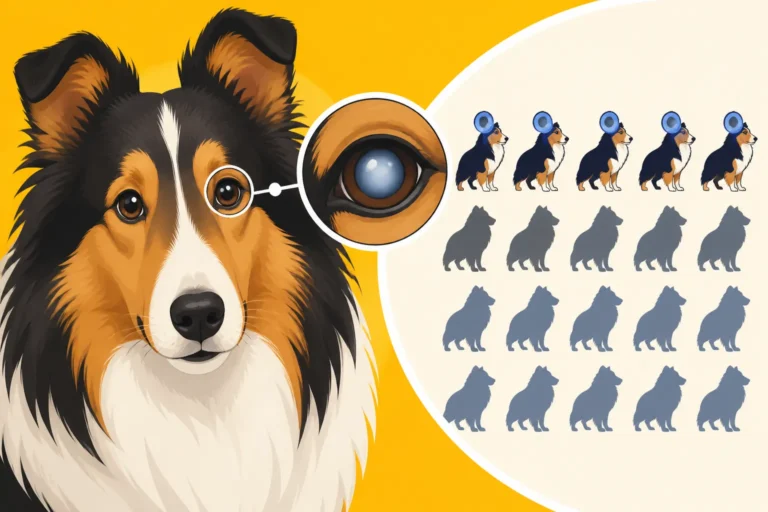
The MDR1 (Multi-Drug Resistance 1) gene, also known as ABCB1, is responsible for producing P-glycoprotein, a crucial protein that acts as a pump, moving certain drugs and toxins out of the brain and other sensitive organs. Think of it as your Collie's natural bodyguard, preventing harmful substances from accumulating where they shouldn't. Unfortunately, a mutation in this gene, common in Collies, means this bodyguard isn't always working at full capacity, or sometimes not at all.
For Collies with two copies of the mutated gene (MDR1 affected or homozygous mutant), the P-glycoprotein pump is severely compromised. Even those with one copy (MDR1 carrier or heterozygous) can show increased sensitivity, though often less severe. This isn't just a theoretical concern; it means that certain drugs, which might be perfectly safe for other breeds or even other Collies without the mutation, can accumulate to toxic levels in the brain and central nervous system of an MDR1 Collie. The consequences can range from mild neurological signs like disorientation and excessive sedation to severe, life-threatening coma or even death. This is why it's absolutely vital to Assume Your Collie Has the MDR1 Mutation until proven otherwise with a genetic test. Knowing What the MDR1 Mutation Actually Does to a Collie is the first step in ensuring their safety.
The Overwhelming Reality of Canine Epilepsy
Epilepsy in dogs, especially in a breed like the Collie, is a heartbreaking diagnosis. It manifests as recurrent, unprovoked seizures, which can take many forms – from full-body convulsions (grand mal seizures) to more subtle focal seizures that might just look like twitching, "fly-biting," or confusion. The age epilepsy starts in a Collie can vary, but it often appears between six months and five years of age. Watching your loyal companion suddenly lose control, even for a short time, is incredibly distressing.
The goal of epilepsy management isn't usually to cure the condition, but to reduce the frequency, severity, and duration of seizures, thereby improving the dog's quality of life. This almost always involves long-term administration of anti-epileptic drugs (AEDs). The challenge intensifies when you have an MDR1 Collie, because now you're not just trying to find the right drug and dose to control seizures, but you're also trying to avoid a potentially devastating drug reaction due to their genetic sensitivity. It's a tightrope walk where every decision feels weighted with immense responsibility.
Decoding Seizure Medications for MDR1 Collies
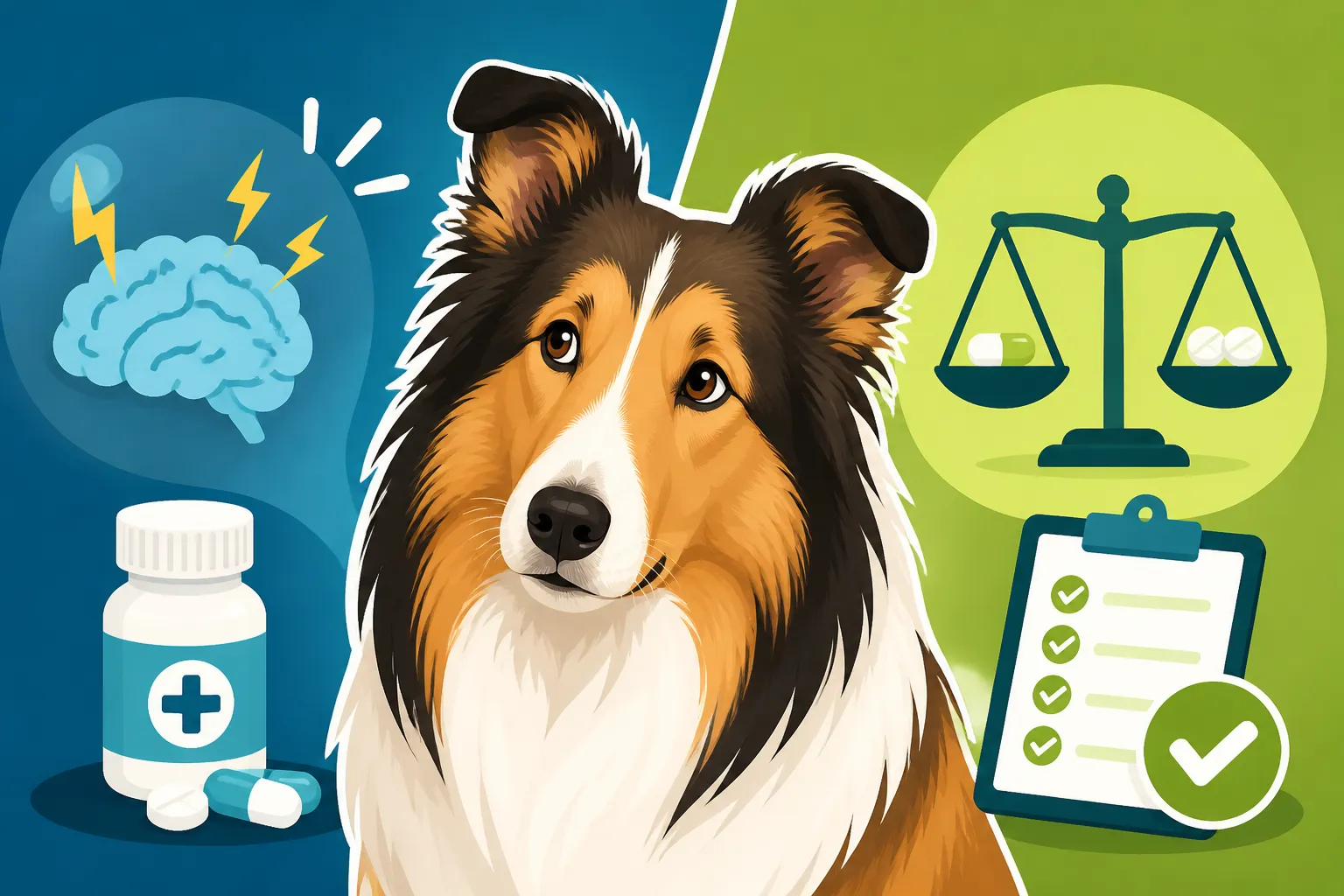
When a Collie needs anti-epileptic drugs, the MDR1 mutation immediately raises questions. It’s not about avoiding all drugs, but understanding which ones pose a risk and how to mitigate that risk. The good news is that many commonly used seizure medications are generally considered safer for MDR1 Collies, but careful consideration and dose adjustments are still paramount.
Anti-Epileptic Drugs (AEDs) Generally Considered Safer
Fortunately, several cornerstone anti-epileptic drugs are not significantly effluxed by the P-glycoprotein pump, making them relatively safer for MDR1 Collies. This means their metabolism and clearance are less impacted by the mutation, reducing the risk of dangerous accumulation in the brain.
- Levetiracetam (Keppra): This is often a top choice for MDR1 Collies. It has a broad safety margin, is primarily metabolized by the liver in a way that doesn't involve P-glycoprotein, and has relatively few drug interactions. It's available in immediate-release, extended-release, and even injectable forms, offering flexibility. While generally safe, like any medication, individual sensitivities can occur, and careful monitoring is always advised.
- Zonisamide: Another good option, Zonisamide is mainly metabolized by the liver and is not believed to be a P-glycoprotein substrate. It's effective for many dogs and can be used as a primary AED or in conjunction with others. Its relatively low risk profile for MDR1 dogs makes it a valuable tool in the vet's arsenal.
- Potassium Bromide: This older AED is not metabolized by the liver or kidneys, but is excreted unchanged by the kidneys. It does not interact with the MDR1 gene. However, it takes a long time to reach therapeutic levels in the body, often requiring a loading dose, and can cause side effects like increased thirst and appetite, and hind limb weakness. It's also usually measured in serum to ensure therapeutic levels.
- Gabapentin: While often used as an add-on therapy for seizure control or for neuropathic pain, Gabapentin is generally considered safe for MDR1 Collies. It is primarily excreted unchanged by the kidneys. It's usually well-tolerated and can help reduce the dosage of other AEDs, thereby lowering potential side effects.
While these drugs are broadly considered "safer," it's critical to remember that every dog is an individual. What works for one Collie might not be ideal for another, even with the same genetic status.
AEDs Requiring Extra Vigilance and Dosage Adjustments
Some AEDs, while effective, might require more cautious use or dosage adjustments in MDR1 Collies due to potential, albeit less direct, interactions or increased sensitivity.
- Phenobarbital: This is a very common and effective anti-epileptic drug. While Phenobarbital itself is not a direct substrate for the MDR1 protein, some studies suggest that MDR1-mutant dogs might exhibit slightly altered pharmacokinetics (how the drug moves through the body) for certain drugs, even those not directly effluxed. More importantly, Phenobarbital is a potent inducer of liver enzymes, which can speed up the metabolism of other drugs, potentially necessitating adjustments if other medications are being given concurrently. For an MDR1 Collie on Phenobarbital, the biggest concern isn't necessarily the Phenobarbital itself, but how it interacts with other medications that are MDR1 substrates. Generally, Phenobarbital is used successfully in MDR1 Collies, but veterinarians will start with lower doses and monitor blood levels very closely. The good news is that Whether a Collie's Seizures Can Be Controlled with drugs like Phenobarbital is often positive with careful management.
- Diazepam (Valium) and Midazolam: These benzodiazepines are critical for emergency seizure control (e.g., stopping a seizure in progress). While they are often considered safe for short-term, acute use and are generally not strongly affected by MDR1, their sedating effects can be more pronounced in MDR1 Collies. Therefore, when used as an emergency intervention, veterinarians might opt for the lowest effective dose and closely monitor for excessive sedation or respiratory depression. These are usually administered rectally or intravenously in an emergency.
Here's a quick overview of common seizure medications and their general interaction with the MDR1 gene:
| Anti-Epileptic Drug (AED) | MDR1 Interaction/Consideration | General Safety for MDR1 Collies | Key Monitoring Points |
|---|---|---|---|
| Levetiracetam (Keppra) | Not significantly effluxed by P-glycoprotein. Different metabolic pathway. | Generally Safe | Efficacy (seizure control), mild sedation, gastrointestinal upset. |
| Zonisamide | Not believed to be a P-glycoprotein substrate. | Generally Safe | Efficacy (seizure control), sedation, ataxia, liver enzymes (less common). |
| Potassium Bromide | Not metabolized; excreted unchanged by kidneys. No direct MDR1 interaction. | Generally Safe | Bromide blood levels, increased thirst/appetite, hind limb weakness, GI upset. |
| Gabapentin | Primarily renally excreted unchanged. Not a major P-glycoprotein substrate. | Generally Safe | Sedation, ataxia, especially at higher doses. |
| Phenobarbital | Not a direct P-glycoprotein substrate, but affects liver enzyme activity. | Used with Caution/Monitoring | Blood levels (therapeutic range), liver enzymes, sedation, ataxia, Polyuria/Polydipsia (PU/PD). |
| Diazepam/Midazolam | Used for acute seizure control. Potentially increased sensitivity to sedation. | Used for Acute Control | Excessive sedation, respiratory depression (short-term monitoring). |
Why Close Monitoring is Non-Negotiable
Regardless of which seizure medication your Collie is on, vigilant monitoring is absolutely critical. For an MDR1 Collie, this vigilance needs to be even sharper. Because their system handles drugs differently, what might be a standard dose for another breed could be too high for them, leading to accumulation and side effects.
This means regular veterinary check-ups, often including blood tests to measure drug levels (therapeutic drug monitoring) and assess liver and kidney function. These tests help ensure that the medication is within the effective therapeutic range – high enough to control seizures but not so high as to cause toxicity. It's a fine balance that often requires adjustments over time as your Collie's body changes or if other medications are introduced. When dealing with the costs associated with chronic conditions and specialized care, having pet insurance like Healthy Paws can truly alleviate some financial stress, allowing you to focus on your Collie's health.
For owners, this translates to keeping a detailed seizure log (date, time, duration, severity, potential triggers) and carefully observing your Collie for any changes in behavior, appetite, thirst, or neurological signs. Things like increased lethargy, difficulty walking, disorientation, or unusual panting could indicate drug toxicity and warrant immediate veterinary attention. Knowing the Signs an MDR1 Collie Is Having a Drug Reaction is crucial for quick intervention.
Partnering with Your Vet: Crafting a Safe Treatment Plan
When your Collie has both epilepsy and the MDR1 mutation, your veterinarian becomes your most important ally. This isn't a situation for a "standard" approach; it requires a tailored, collaborative effort to ensure the best possible outcome for your dog.
The Absolute Necessity of MDR1 Testing
Before any seizure medication is even considered, the first and most critical step is to definitively know your Collie's MDR1 status. If you don't know, you should absolutely get them tested. It's a simple, non-invasive cheek swab or blood test that can provide life-saving information. Labs like Washington State University's Veterinary Clinical Pharmacology Laboratory (VCPL) are renowned for their expertise in this area. Knowing your Collie's genetic status allows your vet to make informed decisions about drug selection and dosing, avoiding drugs that are highly problematic and carefully managing those that require extra vigilance. The cost of an MDR1 test for a Collie is minimal compared to the cost and risk of treating an adverse drug reaction. Furthermore, understanding your dog's full genetic profile can help guide conversations about their overall health, as discussed in The Three Genetic Tests a Collie Breeder Owes You.
Without this knowledge, every medication becomes a gamble, and that's a risk no responsible pet owner or veterinarian wants to take. Many emergency vets may not even Whether Emergency Vets Know About MDR1 in Collies without proper documentation.
Communicating Your Collie's Specific Needs
Once you have your Collie's MDR1 status, it's your responsibility to communicate this information clearly and unequivocally to every veterinarian who treats your dog. This isn't just your primary vet, but any emergency clinic, specialist, or even a temporary vet if you're traveling. Don't assume they know, even if it's in their system.
It's a great idea to carry a printed copy of your Collie's MDR1 test results with you, especially for emergency visits. You might also consider having your Collie wear a medical tag that indicates their MDR1 status. Ask your vet to flag your Collie's chart at the clinic with a prominent alert regarding their MDR1 status. Make sure this information is visible to every member of the veterinary team, from the front desk staff to the vet techs and the veterinarians themselves. Explain How a Collie Owner Tells the Vet About MDR1 effectively. This simple step can prevent devastating mistakes, particularly in high-stress situations where quick decisions are made.
Tailoring Dosages and Monitoring Protocols
For an MDR1 Collie, a "start low, go slow" approach to medication dosing is often preferred, especially with new or potentially interacting drugs. Your vet will likely begin with the lowest effective dose of a chosen AED and then gradually increase it while closely monitoring for seizure control and adverse effects. This careful titration minimizes the risk of sudden accumulation and toxicity.
Regular therapeutic drug monitoring (TDM) through blood tests is essential. These tests measure the concentration of the seizure medication in your Collie's bloodstream, ensuring it's within the therapeutic range. For drugs like Phenobarbital, this is standard practice. For others, it might be done if seizures aren't well-controlled or if side effects are suspected.
Additionally, periodic blood work to check liver and kidney function is crucial, as many AEDs are metabolized by these organs. An MDR1 Collie's body may process drugs differently, and their organs can be under increased strain, making these checks vital for long-term health management. It’s also wise to discuss with your vet about potentially investing in pet insurance from providers like Healthy Paws, as ongoing monitoring and medication costs can add up.
Living with an MDR1 Collie with Seizures: Daily Management and Emergencies
Managing a Collie with both MDR1 and epilepsy is a commitment that extends beyond vet visits. It involves a thoughtful, proactive approach to daily life and careful preparation for potential emergencies. This holistic approach helps ensure the best quality of life for your furry friend.
Building a Proactive Management Routine
Consistency is key when managing seizures. Administering seizure medications at the same time every day, without missing doses, helps maintain stable drug levels in your Collie's system. Set reminders on your phone or use a pill organizer to stay on track. If you realize you've missed a dose, contact your vet immediately for advice, rather than trying to double up or guess.
Keep a detailed log of your Collie's seizures. Note the date, time, duration, type of seizure (generalized, focal), and any observations you make before, during, and after. This log is invaluable for your veterinarian to assess the effectiveness of the medication and make informed adjustments. You'll want to pay close attention to any changes in behavior or potential triggers.
Beyond medication, a stable home environment can also contribute to seizure control. Minimize stress, ensure a consistent feeding schedule (perhaps two meals a day, rather than one large one, to reduce the risk of Bloat in a Deep Chested Collie), and provide regular, moderate exercise. While not a cure, a calm routine can reduce seizure frequency in some dogs. You might also want to review whether your Collie can take any sedative safely for things like grooming or vet visits, keeping their MDR1 status in mind.
Recognizing and Responding to Drug Reactions
Despite all precautions, reactions can sometimes occur. The MDR1 mutation makes Collies more susceptible to adverse drug events, so it’s essential to be acutely aware of the signs. These can range from mild to severe and typically involve neurological symptoms due to drug accumulation in the brain.
Common signs of an adverse drug reaction in an MDR1 Collie include:
- Excessive sedation or lethargy: Your Collie might be much sleepier than usual, difficult to rouse, or appear disoriented.
- Ataxia (loss of coordination): They might stumble, sway, have difficulty walking in a straight line, or appear "drunk."
- Blindness: Temporary or permanent vision loss can occur with severe reactions.
- Vomiting or excessive drooling.
- Disorientation or behavioral changes: Appearing confused, staring blankly, or acting unusually.
- Tremors or muscle twitching.
- Coma: In severe cases, your Collie might become unresponsive.
If you observe any of these signs, particularly after a new medication has been started or a dose has been adjusted, contact your emergency veterinarian immediately. Time is of the essence in managing drug toxicity. Be prepared to tell them exactly what medications your Collie is on and their MDR1 status. Early intervention significantly improves the chances that Whether an MDR1 Collie Recovers From a Reaction will be a positive outcome.
Preparing for the Unexpected: Emergency Preparedness
Having a plan for emergencies can make all the difference. This includes:
- Emergency Contact Information: Keep your vet's number, the number for the nearest 24-hour emergency veterinary clinic, and the ASPCA Animal Poison Control Center or Pet Poison Helpline readily accessible.
- Emergency Medications: Discuss with your vet whether to have a fast-acting emergency medication, like rectal diazepam or intranasal midazolam, at home to stop prolonged or cluster seizures. Understand exactly how and when to administer it.
- MDR1 Alert Kit: Carry a small bag with your Collie's MDR1 test results, a list of all current medications (including dosages and frequency), and your vet's contact info. This can be critical if you need to go to an unfamiliar emergency clinic. Knowing What a Collie Owner Should Carry to an Emergency Visit can save precious time.
- Financial Preparedness: Managing chronic conditions and potential emergencies can be costly. Beyond considering pet insurance like Healthy Paws for ongoing care, having an emergency fund set aside can provide peace of mind during stressful times.
By taking these steps, you empower yourself to be the best advocate for your MDR1 Collie, ensuring they receive the safest and most effective care for their seizures.
Disclaimer
This article provides general informational guidance and should not be considered a substitute for professional veterinary advice. Always consult with a qualified veterinarian regarding any medical conditions, diagnoses, or treatment plans for your Collie, especially concerning the MDR1 mutation and seizure management. Drug dosages and treatment protocols must be determined by a veterinarian who has examined your specific dog and is aware of their complete medical history and genetic status.