Signs an MDR1 Collie Is Having a Drug Reaction
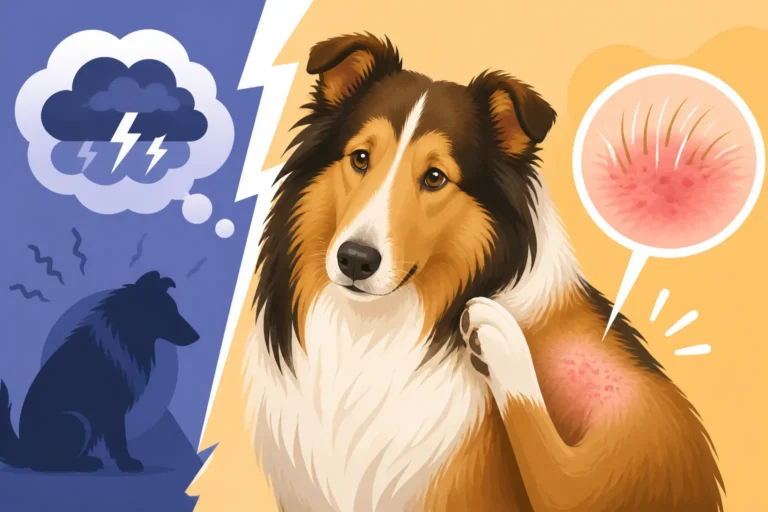
It’s a terrifying moment no Collie owner ever wants to face: you’ve given your beloved dog a seemingly routine medication, and suddenly, something is profoundly wrong. The worry about the MDR1 gene mutation is a constant shadow for many of us, and knowing how to spot the signs of a drug reaction can literally mean the difference between life and death for our sensitive companions. This guide will walk you through exactly what to look for, from subtle changes to life-threatening emergencies, so you can act quickly and confidently if your Collie ever experiences an adverse reaction.
Understanding MDR1 Sensitivity in Collies
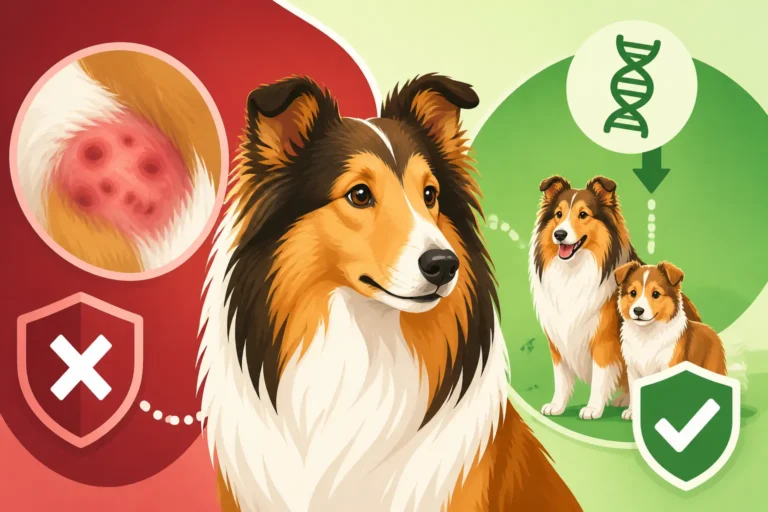
The Multi-Drug Resistance 1 (MDR1) gene mutation, also known as ABCB1-1Δ, is a significant concern for Collie owners because it directly impacts how their bodies process certain medications. It’s not just a genetic quirk; it's a fundamental difference in physiology that can turn common veterinary drugs into dangerous toxins. If you're wondering, "whether seventy percent of Collies really carry MDR1," the answer is a significant number do, making this knowledge crucial.
The Role of the P-glycoprotein
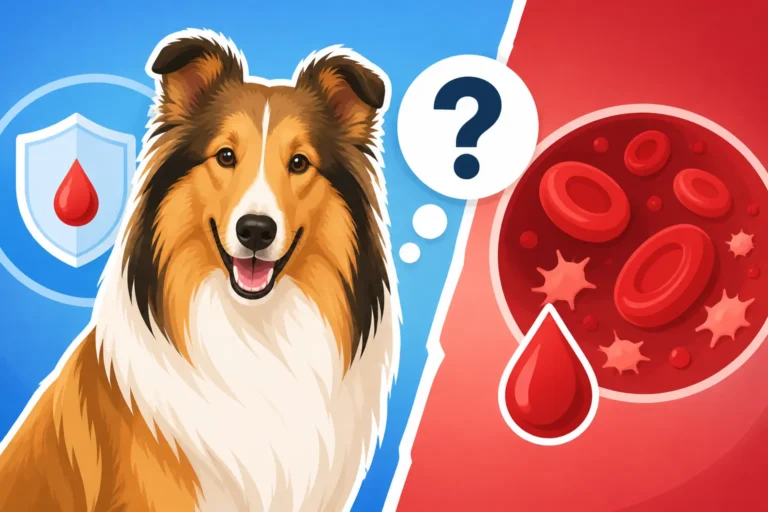
At the heart of the MDR1 mutation is a protein called P-glycoprotein. Think of P-glycoprotein as a tiny, highly efficient bouncer at the cellular level. Its job is to pump certain drugs and toxins out of sensitive areas of the body, most importantly the brain. It forms part of the blood-brain barrier, ensuring that many compounds don't cross into the central nervous system where they could cause harm. In dogs with a normal, functioning MDR1 gene, this system works perfectly, protecting them from a host of potential drug toxicities.
However, in Collies with the MDR1 mutation, this P-glycoprotein is either dysfunctional or completely absent. This means that instead of being pumped safely out of the brain, certain drugs are allowed to accumulate there, reaching toxic levels. This isn't just a slower elimination; it's an inability to prevent the drugs from reaching the brain in the first place, leading to severe neurological consequences. Understanding what the MDR1 mutation actually does to a Collie is key to grasping the gravity of these reactions.
Why Collies Are Particularly Affected
While other breeds can carry the MDR1 mutation, Collies are disproportionately affected, both in prevalence and the severity of reactions. This is due to the breed's genetic lineage and how the mutation became widespread. Both Rough and Smooth Collies can carry the gene, leading many to ask "whether a rough and a smooth Collie carry MDR1 equally." The consensus is yes, both varieties are equally at risk. The consequences can be devastating because the brain is an incredibly sensitive organ. A drug that might be safe and effective in a non-MDR1 dog can cause profound central nervous system depression, seizures, or even coma in an affected Collie. It's not about an allergy; it's about a fundamental breakdown in the body's protective mechanisms. This makes informed veterinary care and owner vigilance absolutely paramount.
Recognizing Early Signs of an MDR1 Drug Reaction
The moment you suspect a drug reaction in your Collie, time is of the essence. Early signs can sometimes be subtle, making them easy to miss if you're not specifically looking for them. It's not always a dramatic collapse, but often a gradual onset of unusual behaviors or symptoms. Knowing which drugs an MDR1 Collie must never have is the first line of defense, but even with careful avoidance, accidental exposure or unexpected sensitivity can occur.
Neurological Changes to Watch For
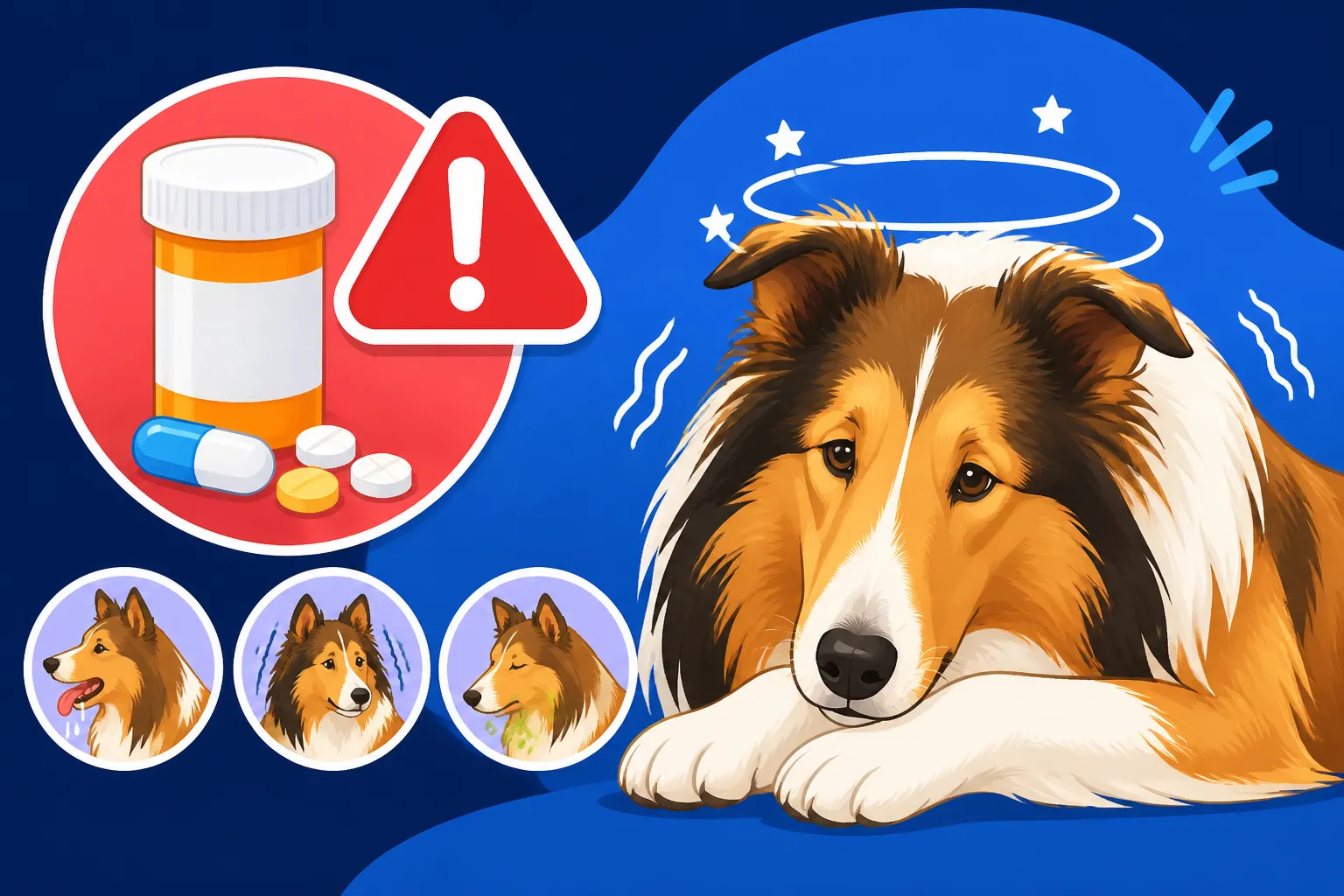
Many of the initial signs of an MDR1 drug reaction manifest as neurological changes because the drugs are accumulating in the brain. Your Collie might start to seem "off." This could begin with simple disorientation – bumping into furniture, staring blankly, or appearing confused about their surroundings. They might seem unusually tired or lethargic, struggling to keep up with their usual routine or appearing dull and unresponsive when you try to engage them.
A noticeable change in coordination is another red flag. They might stumble, walk as if they're drunk, or have difficulty maintaining balance, especially when standing up or turning around. Muscle tremors can also occur, ranging from slight twitching to more pronounced shaking. In some cases, you might notice changes in their pupils – they might be unusually dilated or constricted, or respond slowly to light. If your Collie is usually alert and engaged but suddenly becomes withdrawn, distant, or overly sleepy, these are all signs that something is wrong and warrants immediate attention.
Gastrointestinal Disturbances
While neurological signs are often the most prominent, an MDR1 drug reaction can also affect the gastrointestinal system. This isn't always the primary indicator, but it can accompany or even precede the neurological symptoms, compounding your Collie's discomfort.
Vomiting and diarrhea are common, particularly if the drug was ingested orally. The vomiting might be severe or repetitive, and the diarrhea could be watery. While many things can cause a dog to have an upset stomach, if it occurs shortly after medication administration, especially one known to be problematic for MDR1 Collies, it should be treated with extreme suspicion. Loss of appetite and excessive drooling (hypersalivation) can also be observed. These symptoms can further lead to dehydration and weakness, making your Collie feel even worse. It's crucial to remember that even if these seem like general unwellness, in an MDR1 Collie, they could be part of a severe drug reaction. For instance, if you've given a medication like loperamide, which is "whether Loperamide is dangerous to a Collie", and see these signs, you need to act fast.
Escalating Symptoms and Emergency Situations
While early recognition is crucial, some MDR1 drug reactions can quickly escalate to life-threatening situations. It's vital to know when a situation moves from "concerning" to "emergency." These severe symptoms demand immediate veterinary intervention; waiting even a short time can have dire consequences for your Collie.
Severe Central Nervous System Depression
When drugs toxic to MDR1 Collies accumulate excessively in the brain, they lead to profound central nervous system depression. This isn't just drowsiness; it's a deep unresponsiveness. Your Collie might become severely lethargic, barely able to lift their head or respond to their name. This can progress to ataxia, where they lose complete control of their body movements, collapsing and being unable to stand or walk.
The most frightening manifestation of severe CNS depression is stupor, where they are barely conscious but can be roused with extreme effort, or even a full coma, where they are completely unconscious and unresponsive to any stimuli. Their breathing might become shallow and slow, and their heart rate could drop significantly. Seizures can also occur, ranging from localized muscle twitching to full-body convulsions. If you see any of these signs, particularly if you have recently administered medication, treat it as an absolute emergency. This is when you realize just how dangerous it is if "what happens when an MDR1 Collie gets ivermectin" – a drug that can quickly lead to these severe symptoms.
Other Life-Threatening Manifestations
Beyond the core neurological impacts, an severe MDR1 drug reaction can cause other critical systemic problems. A significant drop in body temperature (hypothermia) is common, as the body's regulatory systems become overwhelmed. This is why you might find your dog cold to the touch. Their heart rate can become irregular or dangerously slow, and their blood pressure can plummet, leading to a state of shock.
In the most severe cases, respiratory depression can occur, where breathing becomes so shallow or infrequent that the dog isn't getting enough oxygen, potentially leading to respiratory arrest. These complications highlight why immediate veterinary care is non-negotiable. Without rapid intervention, including supportive care like intravenous fluids, thermoregulation, and potentially ventilation, the outcome can be fatal. This is also why having a good pet insurance plan, like those offered by Healthy Paws, can be incredibly helpful for covering emergency costs, especially given "what an MDR1 reaction costs to treat in a Collie."
Immediate Actions When a Reaction Is Suspected
If you even suspect your Collie is having an MDR1 drug reaction, do not hesitate. Every minute counts. This isn't a situation to "wait and see" or try home remedies. Your immediate actions can dramatically influence the outcome for your dog.
Contacting Your Veterinarian Promptly
The very first thing you need to do is call your veterinarian, or the nearest emergency veterinary clinic, immediately. Don't delay. Explain clearly and calmly that you have a Collie with a suspected MDR1 drug reaction. Mention the drug you administered, the dosage, and the approximate time it was given. Emphasize that your dog is a Collie, and that the MDR1 mutation makes them extremely sensitive to certain medications.
Be prepared to head to the clinic as soon as possible. While on the phone, the vet or vet tech might give you specific instructions, such as observing for particular symptoms or even initiating basic first aid if it's safe to do so (though this is rare for drug reactions, as inducing vomiting can sometimes be contraindicated). Remember, your regular vet might not always be available, so know where your closest 24/7 emergency veterinary hospital is located. Having a plan in place, knowing "how a Collie owner tells the vet about MDR1", and making sure your vet has this information clearly flagged in your Collie's chart can make a huge difference in an emergency.
What Information to Provide
When you arrive at the clinic, or even while on the phone, having key information ready will save precious time.
- Breed and MDR1 Status: Clearly state your dog is a Collie and, if known, their specific MDR1 status (homozygous affected, heterozygous carrier, or untested but suspected). Even if your Collie is untested, assume they are affected if any of these symptoms appear.
- Medication Details: Provide the exact name of the drug, the strength (e.g., 5mg, 100mcg), the dose given, and the precise time it was administered. If possible, bring the medication packaging with you.
- Symptoms: List all symptoms you've observed, from when they started, and how they have progressed. Be as detailed as possible – "stumbling, then couldn't stand, now barely responsive."
- Medical History: Briefly mention any other medical conditions your Collie has, and any other medications they are currently taking.
It's also a good idea to bring "what a Collie owner should carry to an emergency visit" – a packet of your Collie's essential health information, including their MDR1 test results (if available), a list of known problematic drugs, and contact information for your regular vet. Being organized helps the emergency team act faster and more effectively. It’s a sad reality that you often need to advocate strongly for your Collie in these situations, especially if you’re at a clinic that isn’t familiar with the breed’s unique needs. Having pet insurance, like Healthy Paws, can also ease the financial burden of these unexpected emergency treatments, allowing you to focus on your dog's care.
Prevention and Proactive Management
The best way to handle an MDR1 drug reaction is to prevent it from happening in the first place. Proactive management and constant vigilance are crucial for every Collie owner.
Knowing Your Collie's MDR1 Status
The single most important step you can take is to have your Collie tested for the MDR1 mutation. This is a simple, non-invasive DNA test, often done via a cheek swab. Knowing your Collie's status – whether they are clear, a carrier, or affected – provides invaluable information for safe veterinary care. You can find information on "which lab runs the Collie MDR1 test" to ensure you use a reputable laboratory.
Once you have the results, share them with every veterinarian, vet tech, and emergency clinic that might treat your dog. Insist that "a Collie's chart should be flagged at the clinic" with this critical information. Don't assume they will remember or review records thoroughly in an emergency. Consider having "a Collie wear a medical tag" or collar tag that states "MDR1 Sensitive" to alert anyone who might find or treat your dog.
Avoiding Problematic Medications
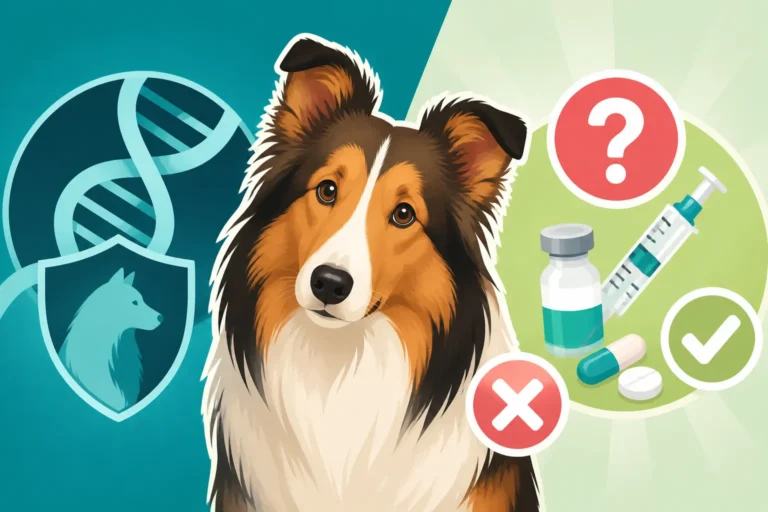
With your Collie's MDR1 status confirmed, you can then focus on avoiding the drugs known to cause reactions. This list includes common medications like ivermectin (at high doses), loperamide (Imodium), acepromazine, butorphanol, and certain chemotherapy drugs. Even some common flea and tick preventives need careful consideration. When "whether an MDR1 Collie can be wormed safely," the answer is yes, but only with specific, approved medications.
Always consult your veterinarian about any medication your Collie needs, even over-the-counter remedies. Remind them of the MDR1 mutation every single time. It's often debated "whether an MDR1 Collie needs a specialist pharmacy," but at the very least, a knowledgeable vet can help source appropriate alternatives or adjust dosages. If your vet is unfamiliar with MDR1, gently guide them towards the available resources or consider seeking a second opinion from a vet who knows the breed well. Pet insurance providers, like Healthy Paws, often encourage and sometimes even cover diagnostic testing that leads to better preventative care, showing their commitment to your pet's long-term health.
Comprehensive Symptom Table
To help you quickly identify potential issues, here's a quick reference table outlining the common signs of an MDR1 drug reaction:
| Symptom Category | Mild/Early Signs | Moderate Signs | Severe/Emergency Signs |
|---|---|---|---|
| Neurological | Lethargy, mild disorientation, uncoordinated gait | Stumbling, muscle tremors, severe weakness, stupor | Seizures, coma, inability to stand, respiratory arrest |
| Gastrointestinal | Vomiting, soft stool, decreased appetite | Persistent vomiting, severe diarrhea, hypersalivation | Dehydration, collapse due to GI issues |
| General Wellbeing | Unusually quiet, withdrawn, dull expression | Profound weakness, poor response to stimuli | Hypothermia, irregular heartbeat, shock |
Remember, this table is a guide. Any sudden, unexplained change in your Collie after receiving medication should prompt a call to your vet.
Conclusion
Living with a Collie, especially one with the MDR1 gene mutation, means accepting an extra layer of responsibility and vigilance when it comes to their health. The potential for a severe drug reaction is a very real concern, and it's something every Collie owner needs to be prepared for. By understanding the signs of a reaction, acting quickly, and working proactively with your veterinarian to manage their care, you can ensure your beloved companion lives a long, healthy life, free from preventable drug toxicities.
Disclaimer
The information provided in this article is for educational purposes only and is not intended to be a substitute for professional veterinary advice, diagnosis, or treatment. Always seek the advice of your veterinarian or other qualified animal health provider with any questions you may have regarding a medical condition. Never disregard professional veterinary advice or delay in seeking it because of something you have read in this article.