What an MDR1 Test Costs for a Collie
It’s a truly frightening thought: giving your beloved Collie a medication prescribed by a vet, only to have them fall seriously ill or worse, simply because their body can’t process it like other dogs. Many Collie owners face this silent worry, knowing their breed is predisposed to a specific genetic mutation that can turn common drugs into dangerous toxins. This guide aims to demystify the cost of the MDR1 test, helping you understand this crucial investment in your Collie's health and your peace of mind.
Understanding the MDR1 Mutation and Why Testing Matters
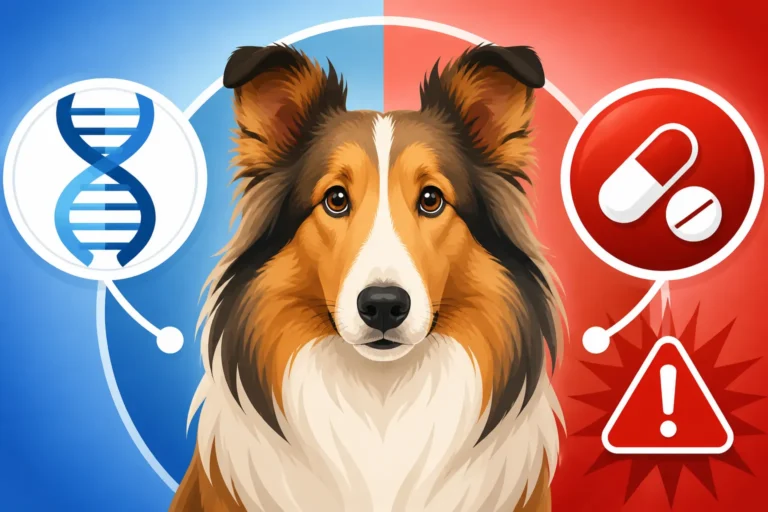
Before we dive into the numbers, it's essential to grasp why the MDR1 test is so vital for Collies. This isn't just another optional screening; for our breed, it's a fundamental piece of health information that can literally be life-saving. The Multi-Drug Resistance 1 (MDR1) gene mutation (also sometimes called ABCB1) means that a Collie's body has a faulty P-glycoprotein, a pump that typically removes certain drugs and toxins from the brain and other vital organs. Without this functional pump, these substances can build up to toxic levels, leading to severe neurological symptoms, coma, or even death.
The frustration is real because many veterinarians, especially those not specifically familiar with herding breeds, might not be fully aware of this specific sensitivity. It leaves us, the owners, with the responsibility to be informed advocates for our dogs. Knowing your Collie's MDR1 status eliminates this dangerous guesswork. If you're a Collie owner, it's wise to already Assume Your Collie Has the MDR1 Mutation until proven otherwise.
The Hidden Dangers of MDR1 in Collies
The list of drugs affected by the MDR1 mutation is surprisingly long and includes some very common medications you might encounter in routine veterinary care or even over-the-counter products. We're talking about things like ivermectin, which is often in heartworm preventatives (though specific dosages matter), certain chemotherapy drugs, opioids like loperamide (Imodium), and some sedatives and anesthetics. Imagine rushing your Collie to the emergency vet, distraught, and they unknowingly administer a drug that makes the situation catastrophically worse. That's the nightmare scenario the MDR1 test helps you avoid.
The symptoms of an MDR1 drug reaction are terrifying to witness: drooling, tremors, blindness, ataxia (loss of coordination), seizures, and even coma. These are not minor side effects; they are severe, life-threatening neurological events. Understanding What the MDR1 Mutation Actually Does to a Collie truly brings home the gravity of this condition. Investing in a test upfront is a small price to pay compared to the emotional and financial toll of treating a severe drug reaction, which can quickly spiral into thousands of dollars in emergency vet bills, not to mention the potential lasting damage to your dog's health.
Peace of Mind: What the Test Provides
Ultimately, the MDR1 test provides something invaluable: definitive knowledge. Instead of wondering if your Collie is one of the many carriers or affected individuals, you'll have a clear answer. This allows you to create a personalized, safe medication plan with your veterinarian from day one. You can confidently provide your vet with your Collie's MDR1 status, ensuring they choose appropriate alternative medications or adjust dosages for known affected drugs.
This knowledge isn't just for emergency situations; it's for every routine vet visit, every preventative medication, every surgical procedure where anesthesia might be involved. It empowers you to be a proactive, informed owner, safeguarding your Collie against a preventable tragedy. It's truly about giving your dog the best chance at a long, healthy life free from avoidable medical crises.
Breaking Down the MDR1 Test Cost
So, you're convinced that testing is a must. Now, let's talk about the practical side: what you can expect to pay for an MDR1 test for your Collie. The good news is that, compared to many other diagnostic tests or emergency procedures, the MDR1 test is relatively affordable, especially given its profound impact on your dog's safety.
The Typical Price Tag
Generally, the cost of a standalone MDR1 test for a Collie in the United States typically falls in the range of $60 to $100. This can vary slightly, but it's a reasonable ballpark figure to consider. It's usually a one-time fee per dog, as their genetic makeup doesn't change over time. Once you have the results, they are valid for your Collie's entire life.
Factors Influencing the Cost
Several factors can influence the final price you pay for an MDR1 test:
- The Testing Laboratory: Different genetic testing laboratories set their own prices. Some labs specialize in a wider range of tests or offer different packages.
- Standalone Test vs. Health Panel: Many breeders and diligent owners opt for a comprehensive What the Collie DNA Health Panel Covers, which includes the MDR1 test alongside other important screenings like those for Collie Eye Anomaly (CEA) or Degenerative Myelopathy. Bundling these tests in a panel can sometimes be more cost-effective than ordering individual tests.
- Veterinary Clinic Markup: If your veterinarian orders the test for you, they might charge an additional fee for handling, processing, and interpreting the results. While convenient, this can slightly increase the overall cost compared to ordering directly from a lab yourself.
- Location and Competition: In areas with many veterinary clinics or a high demand for genetic testing, competitive pricing might be more prevalent. However, for a test like MDR1, which is often mailed to a specialized lab, location impacts the shipping cost more than the test itself.
- Discounts and Promotions: Some laboratories or breed clubs occasionally offer discounts or promotions on health panels or individual tests. It's always worth checking their websites or asking your breeder if they have any current codes.
- Breeder's Practices: Reputable Collie breeders will have already tested their breeding stock for MDR1 and will provide you with the results for your puppy. This means that if you've purchased from a responsible breeder, you likely won't need to pay for this test yourself. This is an important consideration when looking at Whether a Collie Breeder Passes Testing Costs to Buyers.
Here's a quick look at how costs can vary depending on where you get your Collie's MDR1 test:
| Testing Method | Estimated Cost Range | Notes |
|---|---|---|
| Direct from Online Lab (Standalone) | $60 – $85 | Most cost-effective. Requires owner to collect sample and mail. |
| Direct from Online Lab (Part of Panel) | $120 – $250 | Often includes multiple genetic tests (e.g., CEA, DM, GCS). Better value if multiple tests are desired. |
| Through Veterinary Clinic (Standalone) | $80 – $120 | Vet handles sample collection, shipping, and result interpretation. May include clinic fees. |
| Via Breeder | $0 | Reputable breeders test parents and often provide results for puppies, absorbing the cost. |
Where to Get Your Collie Tested and What to Expect
Once you're ready to proceed with testing, it's a straightforward process. Knowing where to go and what steps are involved will make it even easier.
Reputable Testing Labs
Several reputable laboratories offer MDR1 testing for Collies. Two of the most widely recognized and utilized labs include:
- Washington State University (WSU) Veterinary Clinical Pharmacology Lab: WSU pioneered much of the research into the MDR1 mutation and remains a highly respected resource. They offer a direct-to-consumer testing service, where you order a kit online, collect the sample, and mail it in. Many Collie enthusiasts still consider WSU the gold standard for MDR1 testing due to their historical involvement and expertise. If you're wondering Which Lab Runs the Collie MDR1 Test, WSU is usually at the top of the list.
- Embark Veterinary and Wisdom Panel: These commercial genetic testing companies offer comprehensive breed and health panels that include the MDR1 test. While they might be slightly more expensive than a standalone WSU test, they often provide a wealth of additional genetic information about your Collie's breed makeup, traits, and other potential health risks.
When choosing a lab, prioritize those with a strong reputation, clear instructions, and good customer service. You want to ensure the results you receive are accurate and reliable.
The Testing Process
The process for getting your Collie tested for MDR1 is surprisingly simple and non-invasive, typically involving a cheek swab:
- Order a Kit: You'll usually order a testing kit directly from your chosen laboratory's website. The kit will contain everything you need: sterile buccal swabs, instructions, and a return envelope.
- Collect the Sample: This is the easiest part! You'll use the provided swabs to gently rub the inside of your Collie's cheek and gum line for about 10-20 seconds. The goal is to collect cells, not saliva. Most labs recommend doing this when your dog hasn't eaten or drunk anything for at least an hour to ensure a good sample. Don't worry, Whether a Cheek Swab Is Enough for a Collie MDR1 Test is a common question, and yes, it absolutely is! It's a proven method for collecting sufficient DNA.
- Mail the Sample: Once you've collected the sample according to the instructions, you'll air dry the swabs (important to prevent mold) and place them back in their protective sleeves or envelopes, then mail them back to the lab.
- Receive Results: The turnaround time varies by lab, but you can typically expect your results within 2-4 weeks. You'll usually receive an email notification when the results are ready, which you can then access online. The results will clearly indicate whether your Collie is:
- Normal/Clear (N/N): No copies of the MDR1 mutation. Your dog can metabolize affected drugs normally.
- Carrier (M/N): One copy of the MDR1 mutation. Your dog may have some sensitivity to certain drugs, and dosages might need adjustment.
- Affected (M/M): Two copies of the MDR1 mutation. Your dog is highly sensitive to affected drugs, and these medications should be avoided or administered with extreme caution and dosage modification.
This clear result gives you the power to make informed decisions with your vet, removing all doubt about drug safety.
Maximizing Your Investment: Beyond the Initial Test Fee
The initial cost of an MDR1 test is a one-time expense, but the true value of that investment plays out over your Collie's entire lifetime. It's not just about paying for a test; it's about investing in a proactive health management strategy that can save you significant money and heartache in the long run.
Long-Term Savings and Health Management
Consider the alternative to testing: operating under uncertainty. If your Collie has the MDR1 mutation and experiences an adverse drug reaction, the What MDR1 Costs a Collie Owner in Caution and Vet Time can be astronomical. Emergency veterinary visits, overnight stays, extensive diagnostic tests (bloodwork, neurological exams), and supportive care can easily run into thousands of dollars. A severe reaction can require hospitalization and intensive care for days, placing a massive financial burden on you.
Furthermore, if a drug reaction leads to permanent neurological damage, your Collie might require ongoing medication or specialized care, incurring costs far greater than the initial test. Knowing your Collie's status upfront helps avoid these scenarios entirely. It means your vet can safely prescribe alternative medications, adjust dosages for known safe levels, or simply avoid the offending drugs altogether.
While pet insurance like Healthy Paws is wonderful for covering unexpected accidents and illnesses, genetic conditions can sometimes be tricky depending on when they are diagnosed and policy specifics. The best approach is to prevent insurable events from happening in the first place through proactive testing. By knowing your Collie's MDR1 status, you're not just preventing a reaction; you're preventing a potentially catastrophic health crisis that could severely impact both your finances and your dog's quality of life. Understanding Whether an MDR1 Collie Recovers From a Reaction isn't always a given, emphasizing why prevention is paramount.
Communicating with Your Vet and Emergency Preparedness
Having your Collie's MDR1 test results in hand isn't just a piece of paper; it's a powerful advocacy tool. The very first thing you should do after receiving the results is share them with your veterinarian. Make sure it's clearly noted in your Collie's permanent medical record. Don't be shy about emphasizing its importance—you are How a Collie Owner Tells the Vet About MDR1 effectively.
It's also a smart idea to carry a laminated card with your Collie's MDR1 status and a list of contraindicated drugs in your wallet or with your dog's travel essentials. In an emergency, where you might be stressed or using an unfamiliar vet clinic, this information can be crucial. Imagine if you have to visit an emergency vet who might not specialize in Collies or be aware of the MDR1 mutation. Having that information readily available means you can quickly educate them and ensure your dog receives safe care. Think of it as part of What a Collie Owner Should Carry to an Emergency Visit. This small, proactive step can prevent a critical mistake when every second counts.
The initial cost of an MDR1 test for your Collie is a minimal expense for a lifetime of confidence, informed care, and protection against potentially devastating drug reactions. It's one of the most important health investments you can make for your beloved companion.
Disclaimer
The information provided in this article is for general informational purposes only and is not intended as a substitute for professional veterinary advice, diagnosis, or treatment. Always seek the advice of your veterinarian or other qualified animal health provider with any questions you may have regarding a medical condition or treatment plan for your Collie.