Which Lab Runs the Collie MDR1 Test
It’s a truly unsettling feeling, isn't it, when you realize that something as simple as giving your beloved Collie a common medication could potentially have catastrophic consequences? Many Collie owners, myself included, have felt that knot of anxiety, wondering if their dog carries the MDR1 mutation and, crucially, how to even begin finding out. This guide is here to untangle that worry, providing you with clear, comprehensive information on which reputable laboratory performs the essential MDR1 genetic test for your Collie, ensuring you can make informed decisions about their health and safety.
The Primary Lab for Collie MDR1 Testing: Washington State University
When it comes to genetically testing your Collie for the MDR1 mutation, there's one name that stands head and shoulders above the rest: Washington State University's Veterinary Clinical Pharmacology Laboratory (VCPL). For years, this institution has been at the forefront of genetic research into drug sensitivities in dogs, and they are largely responsible for the discovery and understanding of the MDR1 gene mutation itself. It's truly a testament to their dedication that they made this crucial information accessible to dog owners and veterinarians worldwide.
It's common for new Collie owners, or those just learning about the nuances of their breed's health, to feel overwhelmed. You might wonder if you need to send your dog's DNA halfway across the country, or if your local vet can handle it all. The good news is that the process, while involving a specialized lab, is quite streamlined thanks to VCPL's well-established protocols. They've made it relatively straightforward for veterinarians and even individual dog owners to submit samples for testing, ensuring that this vital information is within reach for anyone concerned about their Collie's well-being.
Why VCPL is the Go-To for Collies
VCPL isn't just a lab that offers MDR1 testing; they are the foundational lab for this particular genetic mutation. Their team, spearheaded by pioneers in veterinary pharmacology, first identified the MDR1 (multi-drug resistance 1, also known as ABCB1) gene mutation and its devastating effects on certain dog breeds, especially Collies. This isn't just a matter of having the right equipment; it's about having the deep scientific understanding, the historical data, and the ongoing research that makes their results uniquely authoritative.
They have published countless studies, worked directly with breed clubs, and are continually refining their understanding of how this mutation impacts dogs. When you send a sample to VCPL, you’re not just getting a simple genetic screen; you're tapping into decades of specialized knowledge and research dedicated to understanding and mitigating the risks associated with this mutation. This expertise means their results are not only accurate but also backed by the most comprehensive understanding of the mutation available. They offer invaluable guidance for vets, too, helping them understand the implications of a positive test and How a Collie Owner Tells the Vet About MDR1.
The Importance of a Dedicated Lab
Having a dedicated, highly specialized lab like VCPL focusing on a specific genetic health issue like MDR1 is incredibly important for breed health. Unlike general diagnostic labs that might offer a wide array of tests, VCPL's focus allows them to maintain an unparalleled level of expertise and quality control for the MDR1 test. They understand the nuances that might affect results, the potential for rare variants, and the specific concerns of Collie owners.
This specialization means that when you receive results from VCPL, you can have a high degree of confidence in their accuracy. This confidence is absolutely essential because an MDR1 diagnosis carries significant implications for your Collie's lifetime care. Knowing for sure What the MDR1 Mutation Actually Does to a Collie means you and your vet can make critical decisions about medication, anesthesia, and even flea and tick preventives. It helps safeguard your dog from potentially fatal drug reactions, giving you peace of mind that you're relying on the best available science to protect your furry family member.
Understanding the MDR1 Test Process
Getting your Collie tested for MDR1 might sound like a daunting process, but it's actually quite straightforward, thanks to the established procedures at Washington State University's VCPL. You don't need to be a geneticist to navigate this, just a diligent Collie owner looking out for your dog's best interests. The key is understanding the steps involved and what information you'll receive.
Step-by-Step Guide to Testing Your Collie
Here's a breakdown of how you typically go about getting your Collie tested for the MDR1 mutation:
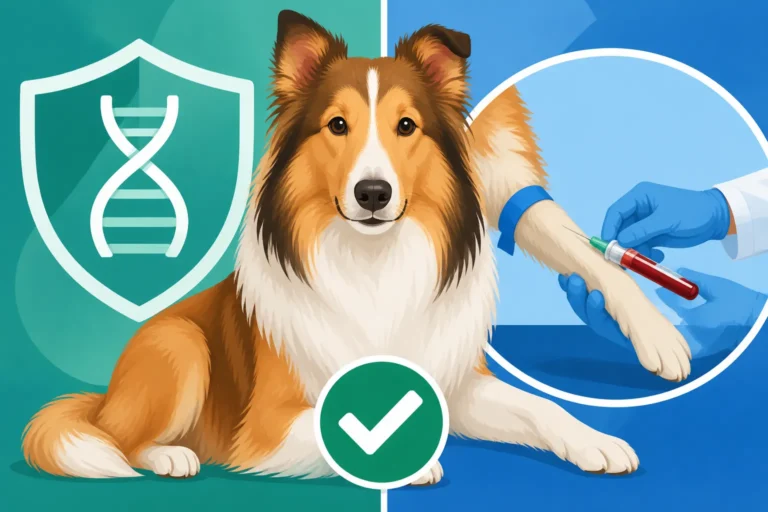
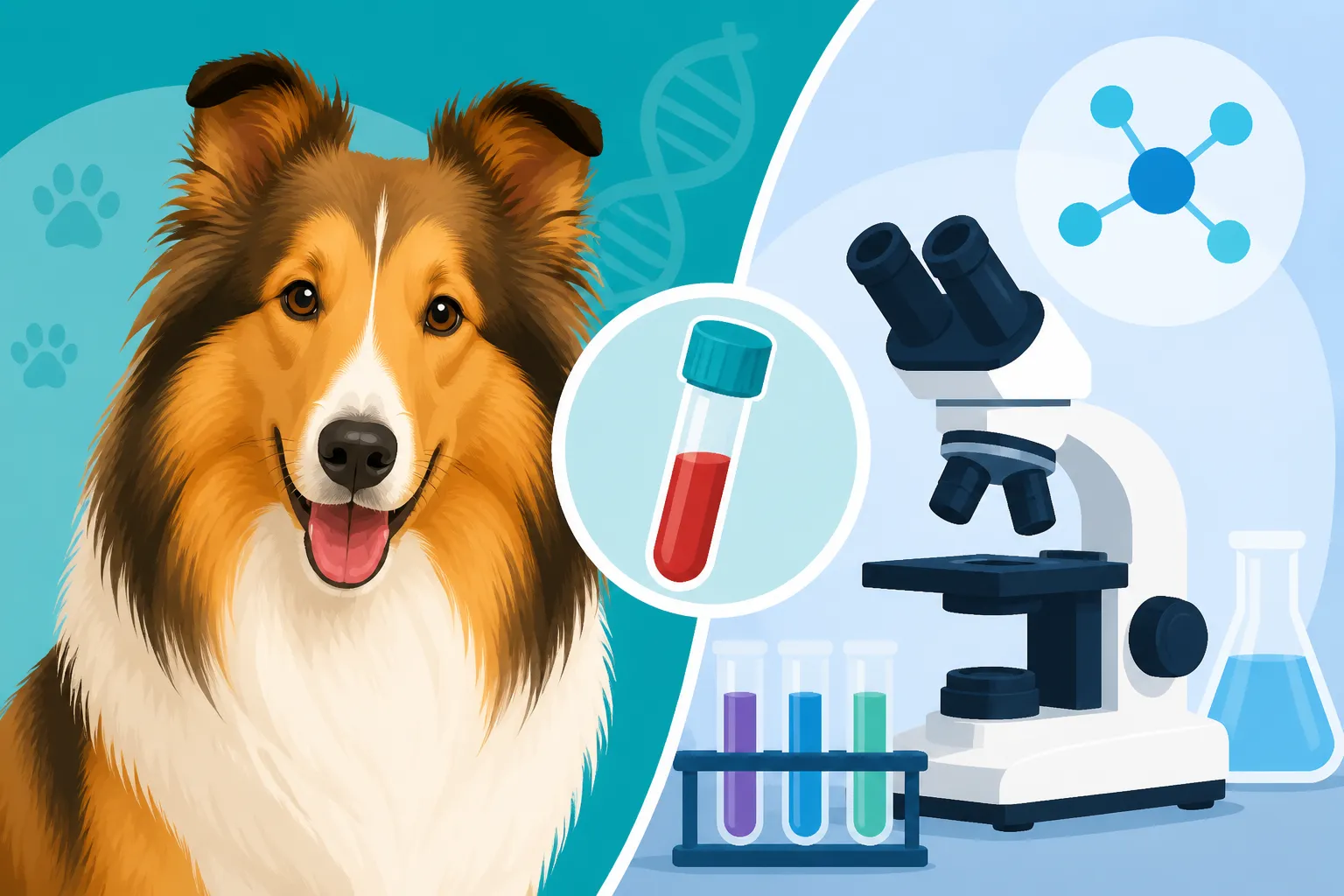
- Order the Test Kit: You can usually order the test kit directly from the Washington State University VCPL website. They have a clear portal for ordering, and the kit generally consists of sterile cheek swabs. These swabs are designed to collect enough cells from inside your dog's cheek for DNA analysis.
- Collect the Sample: This is the easiest part! Follow the instructions included in the kit precisely. Usually, it involves gently rubbing the sterile swab firmly against the inside of your Collie's cheek for a specific amount of time, often 10-20 seconds per swab. Most kits include multiple swabs to ensure enough DNA is collected. It's crucial to avoid contaminating the swabs with other dogs' DNA or human DNA. Make sure your Collie hasn't eaten recently, perhaps for an hour or so, to minimize food particles on the swab.
- Mail the Sample: Once you've collected the samples and allowed them to air dry as per instructions, you'll place them back into their protective sleeves or envelopes and send them via mail to the VCPL lab. The kit will include a submission form where you'll provide your dog's details (name, breed, birth date, etc.) and your contact information.
- Await Results: The lab typically processes samples within a few weeks. They will usually email or mail your results to you and, if you've provided their information, to your veterinarian as well. This waiting period can feel long, but knowing you're taking a proactive step for your dog's health is worth it. The cost for What an MDR1 Test Costs for a Collie is usually quite reasonable, often in the range of $50-$80, a small price for such vital information.
What to Expect from the Results
Once your test results arrive, you'll usually see one of three possible outcomes, often displayed with clear genetic markers. Understanding these is crucial for your Collie's ongoing care.
- Normal/Normal (N/N): This means your Collie does not carry any copies of the MDR1 mutation. They have two normal copies of the gene, meaning they are unlikely to have adverse reactions to drugs typically affected by the MDR1 gene. They also cannot pass the mutation to their offspring.
- Carrier (N/M or N/m): Your Collie has one normal copy of the gene and one copy of the mutated gene. This means they are a carrier. While they might be less sensitive than an affected dog, they can still have adverse reactions to certain drugs, especially at higher doses. It's vital to treat them with caution, Assume Your Collie Has the MDR1 Mutation, and inform your vet that they are a carrier. They can pass the mutated gene to approximately 50% of their offspring if bred.
- Affected (M/M or m/m): This indicates your Collie has two copies of the mutated MDR1 gene. They are highly sensitive to a specific The Drug List That Can Kill a Collie and require extreme caution with numerous common medications. Even standard doses of certain drugs can cause severe neurological symptoms, coma, or death. Which Drugs an MDR1 Collie Must Never Have is a list every owner of an affected Collie should be intimately familiar with. They will pass the mutated gene to all of their offspring.
Regardless of the result, this information empowers you and your veterinarian to tailor a safe and effective healthcare plan for your Collie. Knowing your dog's MDR1 status is a cornerstone of responsible Collie ownership and is a truly caring step you can take. If you find your Collie is affected, remember that organizations like Healthy Paws pet insurance often provide excellent resources and coverage for ongoing care, helping you manage potential costs for specialized veterinary attention or drug alternatives, should the need arise.
Other Labs and Avoiding Pitfalls
While Washington State University's VCPL remains the undisputed leader and original research hub for the MDR1 test, the growing awareness of this mutation has led to other laboratories offering similar genetic testing services. It's understandable to wonder if these alternatives are equally reliable or if there are specific reasons to stick with VCPL. The short answer is: always prioritize accuracy and ensure any lab you choose is directly linked to or uses the validated test developed by WSU.
Reputable Alternatives and Their Role
Some other reputable veterinary genetic testing companies, such as Embark Vet and Optimal Selection (now part of Wisdom Panel), include the MDR1 test in their comprehensive breed health panels. These companies often work in conjunction with research institutions or license the testing protocols developed by VCPL. When you choose a large, well-known company like Embark, you can generally trust that their MDR1 results are accurate because they are either performed in collaboration with WSU or based on the same validated genetic markers.
These comprehensive panels are fantastic because they allow you to test for numerous genetic conditions at once, giving you a broader picture of your Collie's health risks beyond just MDR1, such as Collie Eye Anomaly Affects Most Collies, So Ask How Badly or Dermatomyositis and the Collie Risk Panel. However, if your sole concern is MDR1, and you want to go directly to the source, VCPL is the most direct route. Always check the specific test details of any alternative lab to confirm they are indeed testing for the correct MDR1 mutation (ABCB1) and that their methodology is scientifically validated. Avoid any lab that seems too cheap, promises instant results without proper collection, or has no clear scientific backing.
Why Choosing the Right Lab Matters
The stakes are simply too high to rely on anything less than precise, accurate testing when it comes to MDR1. Misdiagnosis or an inaccurate result could lead to dire consequences for your Collie. Imagine receiving a false "Normal/Normal" result and then unknowingly administering a drug from The Drug List That Can Kill a Collie to an actually affected dog. The outcome could be tragic. Conversely, a false "Affected" result might lead to unnecessary anxiety, restricted treatment options, and potentially higher veterinary costs, as some specialized medications or compounding services might be more expensive.
This is why the reliability of the lab is paramount. Knowing your Collie's true MDR1 status allows your veterinarian to confidently prescribe safe medications and dosages. It also guides you in choosing appropriate flea and heartworm preventives; Whether an MDR1 Collie Can Be Wormed Safely is a common concern among owners. You'll also want to make sure your vet clinic is aware of your Collie's status and that their chart is clearly flagged. Whether a Collie's Chart Should Be Flagged at the Clinic is a critical discussion to have, especially with new vets or during emergency visits. A quick call to your vet to discuss the results and ensure they're recorded correctly in their system is a crucial follow-up step. This level of proactive care is essential, and choosing a trustworthy lab like WSU's VCPL is the first, most important step in that journey.
Proactive Care for MDR1 Collies
Once you have your Collie's MDR1 test results in hand, you’ve done a tremendous job in safeguarding their health. But understanding the results is just the beginning of a lifelong commitment to proactive care. This knowledge empowers you to work closely with your veterinarian to create a medical plan that prioritizes your dog's safety and well-being.
Preparing for Veterinary Visits
With an MDR1-positive Collie (whether carrier or affected), every veterinary visit requires a little extra preparation. It’s not enough to simply mention the MDR1 status once; consistent communication is key. Always remind your vet and any new veterinary staff about your Collie's MDR1 status before any examination, procedure, or prescription is given. This is especially vital during emergency situations where quick decisions are often made.
Consider asking your vet to place a prominent alert in your Collie's digital and physical medical files. Some owners even have a bright sticker on their dog's carrier or a special tag on their collar, like Whether a Collie Should Wear a Medical Tag, just as an extra visual reminder. When you're heading to the vet, especially for an emergency, you might want to consider What a Collie Owner Should Carry to an Emergency Visit – perhaps a printed list of known unsafe drugs or a card detailing their MDR1 status. This can prevent critical errors when time is of the essence. Pet insurance providers like Healthy Paws often appreciate proactive measures like these, as they demonstrate responsible pet ownership and can potentially prevent costly adverse drug reactions down the line.
Managing Medications and Emergencies
Living with an MDR1 Collie means being vigilant about all medications, not just those prescribed by your vet. Over-the-counter drugs, supplements, and even some topical treatments can contain ingredients that are problematic for an MDR1-sensitive dog. Always double-check labels and, when in doubt, consult your veterinarian. For example, some common anti-diarrhea medications like loperamide are on the Which Drugs an MDR1 Collie Must Never Have list.
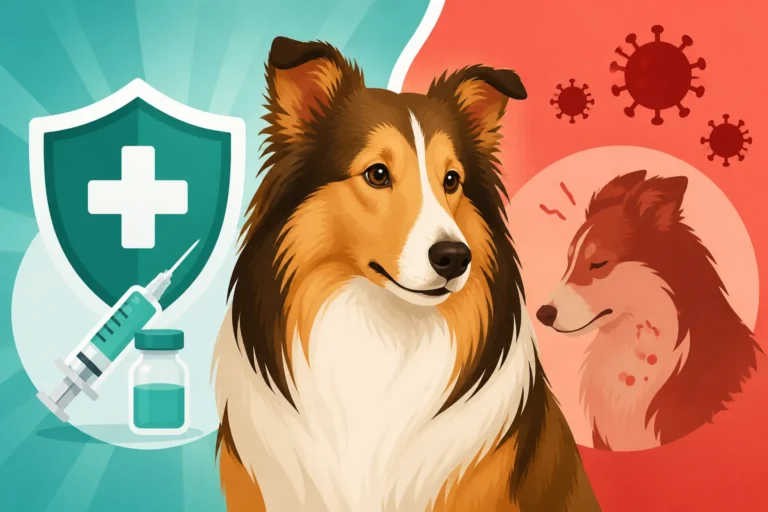
In the unfortunate event that your Collie does have an adverse reaction to a medication, knowing their MDR1 status beforehand significantly aids diagnosis and treatment. Signs an MDR1 Collie Is Having a Drug Reaction can range from mild disorientation and tremors to severe neurological symptoms, coma, or even death. Recognizing these signs early and informing the emergency vet of the MDR1 status can be life-saving. While it’s terrifying to think about, most Collies who experience a reaction, if treated promptly and appropriately, Whether an MDR1 Collie Recovers From a Reaction often do so fully. Having pet insurance, such as a policy from Healthy Paws, can be incredibly beneficial in covering the potentially high costs of emergency care and specialized treatments needed in such situations. This way, you can focus on your dog's recovery without the added stress of overwhelming vet bills.
| MDR1 Genotype | Description | Drug Sensitivity | Breeding Implications |
|---|---|---|---|
| N/N | Normal/Normal (two normal gene copies) | No known issues | Cannot pass the mutation. Safe to breed with any N/N or N/M. |
| N/M | Carrier (one normal, one mutated gene copy) | Potentially sensitive at higher doses; caution advised | Can pass the mutation to 50% of offspring. Should ideally be bred only with N/N. |
| M/M | Affected (two mutated gene copies) | Highly sensitive to specific drugs; severe reactions possible | Will pass the mutation to 100% of offspring. Should not be bred. |
This table provides a quick reference for understanding the different test results and their immediate implications for your Collie's health and potential breeding decisions. It really brings home how important it is to know this information upfront!
Disclaimer
This article is for general informational purposes only and does not constitute professional advice. Laws, prices and regulations vary by location and change over time. Consult a qualified professional for guidance on your specific situation.