How Often a Cyclic Neutropenia Collie Gets Infections
One of the most heartbreaking realities for families blessed with a Collie puppy is the discovery that their precious silver-coated companion has Cyclic Neutropenia, often known as Gray Collie Syndrome. This devastating genetic condition leaves puppies vulnerable to a relentless onslaught of infections, turning the joyous experience of puppyhood into a constant battle against illness and worry. This guide aims to shed light on just how frequently these Collies face infections, what those infections look like, and how dedicated owners can navigate this challenging journey.
Understanding Cyclic Neutropenia and Its Impact
Cyclic Neutropenia (CN) is a severe, inherited immune disorder specific to Collies, characterized by a cyclical drop in neutrophil count, which are a critical type of white blood cell responsible for fighting off bacterial and fungal infections. If you've just received this diagnosis, or are researching the condition, you're likely feeling overwhelmed and perhaps a little lost. It's a heavy burden to carry, knowing your dog's immune system is essentially on a rollercoaster ride.
The Genetic Basis and Early Signs
This isn't just a random occurrence; Cyclic Neutropenia is a recessive genetic disorder. This means that a puppy must inherit a copy of the defective gene from both parents to be affected. If you're curious about the genetics, you can learn more about Whether both Collie parents must carry Cyclic Neutropenia. Puppies carrying only one copy of the gene are carriers but typically show no symptoms themselves. The first thing many owners notice is the distinctive "silver" or pale gray coat color, which is why these dogs are often called "Gray Collies." This unique coat is actually an indicator of the underlying genetic mutation affecting pigmentation alongside immune function.
The physical signs of Gray Collie Syndrome typically manifest very early in a puppy's life, usually within the first few weeks or months. You might start noticing issues around The age Gray Collie Syndrome shows in a puppy. Affected puppies often appear smaller, less robust, and more prone to illness than their littermates. While they might seem outwardly "normal" during periods when their neutrophil count is higher, the recurring dips in these vital white blood cells quickly lead to the hallmark problem: frequent, severe, and often life-threatening infections. It’s a constant tightrope walk, and even the most diligent care can feel like it’s barely keeping pace.
What Cyclic Neutropenia Actually Does
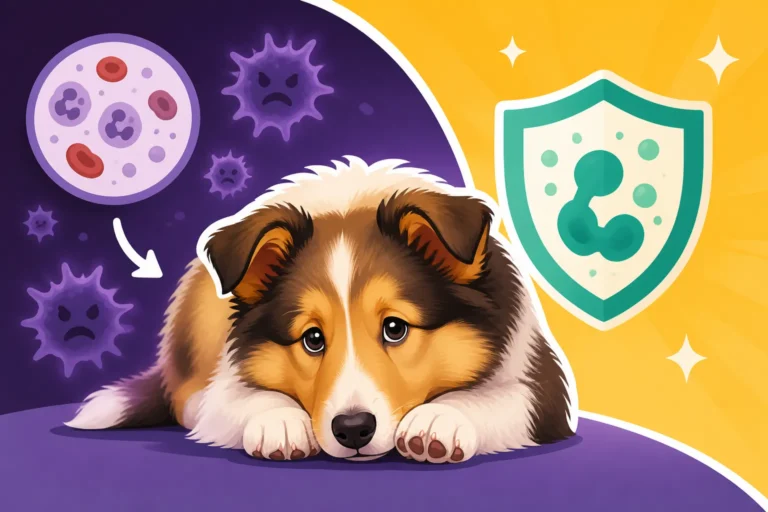
At its core, What Cyclic Neutropenia does to a Collie puppy is disrupt the normal production of neutrophils in the bone marrow. Instead of a steady supply, the production of these cells cycles. Every 10-14 days, the number of circulating neutrophils plummets, leaving the puppy profoundly immunocompromised. During these troughs, even common bacteria or viruses that a healthy puppy would easily shrug off can become severe threats. Imagine trying to fight a war without your main infantry; that's essentially what happens to a CN Collie's immune system.
These periods of neutropenia are predictable in their cycle, but the onset and severity of infections during these times are not always so. Owners quickly learn to watch for the subtle changes that signal an impending immune crash, because swift action can literally be the difference between life and death. It's a demanding condition, requiring an almost obsessive level of attention to your Collie's health and behavior, and it can be incredibly taxing on families.
The Relentless Cycle of Infections
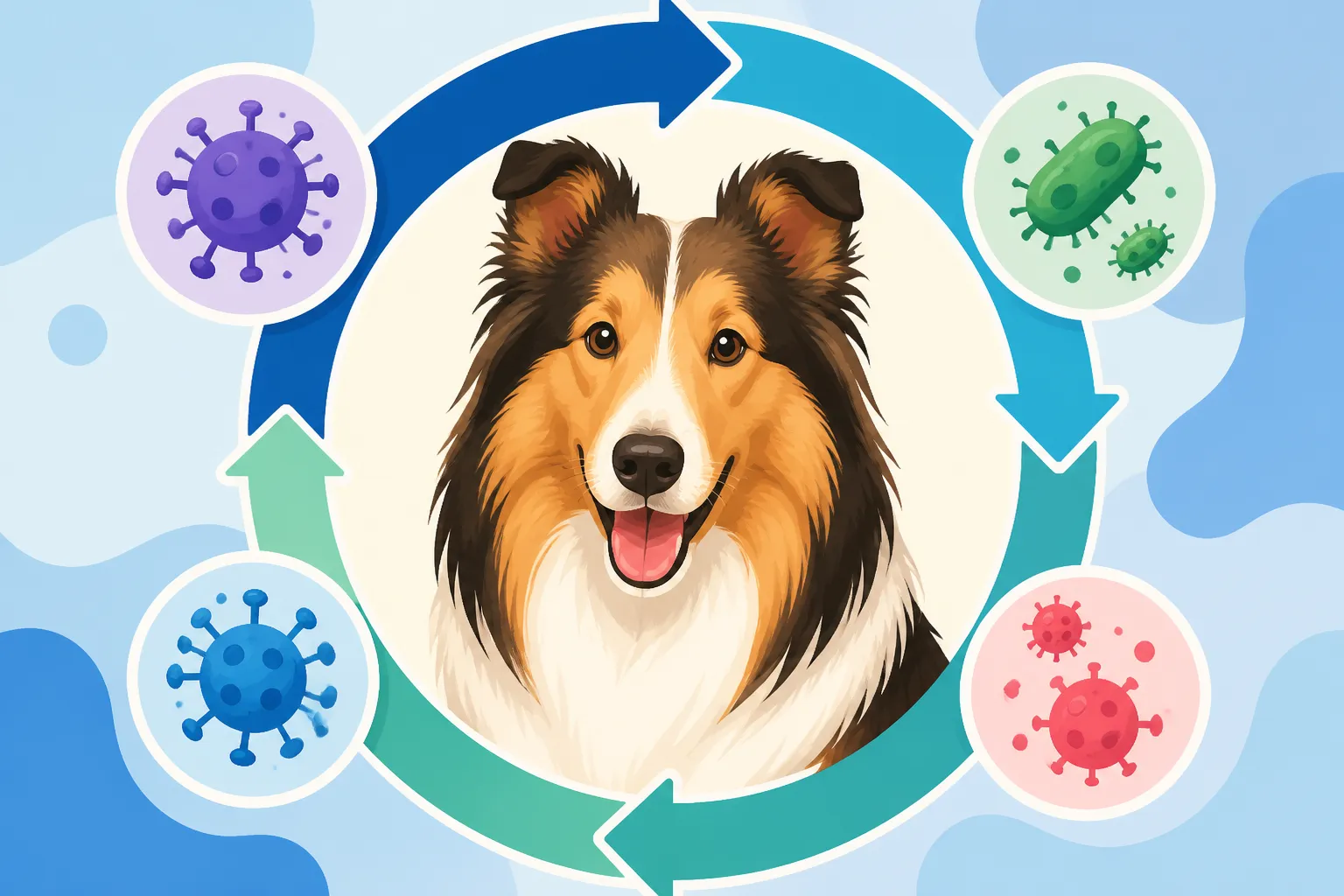
For a Collie with Cyclic Neutropenia, infections aren't a rare occurrence; they are a predictable, albeit terrifying, part of their existence. Owners often describe living with a sense of perpetual anxiety, always anticipating the next flare-up, always on guard for the slightest sniffle or cough. The cyclical nature of the disease means that just as a puppy seems to be recovering from one infection, their immune system dips again, making them ripe for another.
Common Types and Locations of Infection
The range of infections a CN Collie can contract is vast, impacting virtually any part of their body. Bacterial infections are the most common culprits due to the lack of neutrophils, but fungal and viral infections can also gain a foothold. Here are some of the frequent battlegrounds:
- Respiratory Infections: These are incredibly common, manifesting as kennel cough, pneumonia, or severe upper respiratory infections. A simple cough can quickly escalate to life-threatening bacterial pneumonia.
- Gastrointestinal Issues: Chronic diarrhea, vomiting, and severe enteritis are often seen. The gut microbiome is easily disrupted, leading to painful and debilitating digestive problems that can cause rapid dehydration and weight loss.
- Skin Infections: Pyoderma, abscesses, and deep skin infections are prevalent. Even minor scrapes or insect bites can turn into serious infections requiring aggressive treatment. You might find yourself becoming intimately familiar with a vet's dermatologist referral options if these become chronic, like What a Collie's Dermatologist Referral Costs.
- Joint and Bone Infections (Osteomyelitis/Arthritis): Less common but incredibly serious, these can cause lameness, pain, and require intensive, long-term antibiotic therapy.
- Urinary Tract Infections (UTIs): Frequent and recurring UTIs are another challenge, often requiring antibiotic courses and close monitoring.
- Eye Infections: Conjunctivitis and other ocular infections can occur, adding to the Collie's discomfort.
It’s not just the presence of infection but the severity and rapidity with which they can overwhelm these vulnerable puppies. A minor cut that might simply scab over on a healthy dog could turn into a raging infection on a CN Collie, sometimes within hours. This makes vigilance an absolute necessity.
The Frequency and Escalation of Illness
The phrase "how often" is central to understanding the plight of a CN Collie. During the periods of severe neutropenia (which can last for 3-4 days every 10-14 days), an affected Collie is essentially defenseless. This means that roughly one-third of their life is spent in a state of extreme vulnerability. Many puppies with Cyclic Neutropenia experience severe, systemic infections so frequently that they struggle to thrive. Owners report a constant rotation of veterinary visits, sometimes weekly, for antibiotics, fluid therapy, or even hospitalization.
Consider a typical scenario: A puppy might have a good few days, showing energy and appetite, only for the cycle to turn. Suddenly, they're lethargic, running a fever, coughing, or experiencing diarrhea. What starts as mild symptoms can quickly snowball into a critical condition because their body simply cannot mount an effective immune response. This rapid escalation is why early detection and immediate veterinary intervention are paramount. It’s a race against time, every single time. The emotional toll of constantly monitoring your dog, wondering if this sniffle is the one that will turn deadly, is immense.
To give you a clearer picture of the types of infections and their general symptoms, here’s a table:
| Type of Infection | Common Symptoms | Urgency Level |
|---|---|---|
| Respiratory | Coughing, sneezing, difficulty breathing, nasal discharge, fever, lethargy | High |
| Gastrointestinal | Vomiting, diarrhea (often bloody), loss of appetite, dehydration, abdominal pain | High |
| Skin (Pyoderma/Abscesses) | Redness, pustules, crusts, hair loss, localized swelling, pain, itching, fever | Medium-High |
| Urinary Tract | Frequent urination, straining, blood in urine, licking genitals, fever, lethargy | Medium |
| Joint/Bone (Osteomyelitis) | Lameness, swelling, pain in affected limb, fever, reluctance to move | High |
| Eye (Conjunctivitis) | Redness, discharge (clear to purulent), squinting, pawing at eye | Medium |
Managing the Frequent Infections: A Proactive Approach
Living with a Collie with Cyclic Neutropenia requires an extraordinary level of dedication and proactive management. It’s not just about reacting to illness but trying to prevent it, or at least mitigate its severity, as much as humanly possible. This journey is demanding, both emotionally and financially, but with the right approach, you can provide the best possible quality of life for your beloved companion.
Building a Strong Veterinary Partnership
First and foremost, you need a veterinary team that not only understands Cyclic Neutropenia but is also committed to working closely with you. This might mean finding a specialized internal medicine vet or a general practitioner willing to delve deep into the specifics of the condition. They will guide you on protocols for antibiotic use, immune support, and emergency care. Regular blood work to monitor neutrophil counts can help anticipate the troughs and allow for prophylactic measures, if deemed appropriate by your vet.
It's also crucial that your vet clinic flags your Collie’s chart clearly, emphasizing their unique needs, especially when it comes to emergency situations or anesthesia protocols. Knowing What a Collie owner should carry to an emergency visit (like a detailed health summary) can save critical time. The cost of frequent vet visits, specialized medications, and potential hospitalizations can be substantial. Many owners find that robust pet insurance, like Healthy Paws, becomes an invaluable resource for managing these ongoing and often unpredictable expenses, helping to ensure that treatment decisions are based on medical need rather than financial constraint.
Proactive Care and Environmental Control
While you can't cure Cyclic Neutropenia, you can drastically reduce exposure to pathogens and support your Collie's overall health:
- Impeccable Hygiene: Keep your Collie and their environment meticulously clean. Regular bathing with mild, vet-approved shampoos can help prevent skin infections. Clean bedding, food and water bowls, and living spaces are non-negotiable.
- Controlled Environment: Limit exposure to crowded places like dog parks, boarding kennels, or pet stores where they might pick up infections from other dogs. Socialization is important for any puppy, but for a CN Collie, it must be carefully managed in sterile, low-risk environments.
- Nutrition: A high-quality, easily digestible diet is essential to support their immune system and overall health. Your vet may recommend specific dietary supplements to aid gut health or immune function.
- Low Stress: Stress can compromise the immune system. Providing a calm, predictable home environment is crucial. For a sensitive breed like the Collie, understanding Whether a Collie needs a predictable routine can greatly impact their well-being.
- Appropriate Exercise: Moderate, consistent exercise is good, but avoid overexertion, especially during periods of neutropenia, as this can add stress to their system.
Remember, every preventative measure you take reduces the chances of your Collie needing urgent care and can potentially extend their life.
Treatment Strategies and Emergency Preparedness
When infections do strike, swift and aggressive treatment is non-negotiable. This often means immediate courses of broad-spectrum antibiotics, sometimes started preventatively during low neutrophil periods, under strict veterinary guidance. Antifungals might be necessary for fungal infections. Supportive care such as intravenous fluids, pain management, and anti-inflammatory medications are also vital.
Having an emergency plan in place is paramount. Know the signs of a rapidly worsening infection—sudden lethargy, high fever, difficulty breathing, severe vomiting or diarrhea. Know your veterinary emergency clinic's location and phone number, and don't hesitate to go. Waiting even a few hours can be too long for a severely immunocompromised Collie. The cost of What a Collie's Emergency Visit Costs can be significant, reinforcing the need for financial preparedness, whether through savings or a comprehensive pet insurance plan like Healthy Paws, which can cover emergency treatments.
Quality of Life and Long-Term Outlook
Considering the constant threat of infection, it's natural for owners to wonder about the long-term outlook and quality of life for a Collie with Cyclic Neutropenia. This is undoubtedly a condition that presents significant challenges, but it's not without its moments of joy and connection.
Survival and Lifespan Realities
The harsh reality is that Cyclic Neutropenia significantly shortens a Collie's lifespan. Many affected puppies unfortunately do not survive beyond their first year, often succumbing to overwhelming infections despite the best efforts of their owners and veterinary teams. Learning Whether a Gray Collie Syndrome puppy survives is often one of the first and most painful searches an owner undertakes. Historically, the prognosis was grim, with most not making it past a few months.
However, with advancements in veterinary care, dedicated owners, and aggressive management protocols, some CN Collies can live longer, sometimes reaching 2-3 years, and in very rare cases, even longer. This extended lifespan, however, comes at the cost of intensive medical intervention and constant vigilance. It’s a testament to the enduring spirit of these dogs and the unwavering commitment of their families. They often don't experience the long lives of their healthy counterparts, detailed in articles like How long a Collie lives and what ends it, making every healthy day even more precious.
Living with a Cyclically Ill Collie
Despite the medical challenges, CN Collies, during their "good" cycles, are often bright, affectionate, and full of life, just like any other Collie. They crave companionship and respond well to gentle, consistent training. They form incredibly strong bonds with their families, who become their protectors and advocates. The periods between severe neutropenic episodes can be filled with play, cuddles, and all the normal joys of dog ownership.
However, owners must be acutely aware that these dogs are often sensitive and may tend to Whether a Collie hides pain. Being attuned to subtle behavioral changes is crucial for early detection of an impending crisis. The emotional toll on families is undeniable. The constant worry, the frequent vet visits, the financial strain—it’s a lot to manage. Many families find solace and practical advice in online support groups for owners of Gray Collies, where shared experiences and tips on coping strategies are invaluable.
Financially, the costs associated with chronic illness can be staggering. Beyond the initial diagnosis, there are continuous costs for medications, prescription diets, specialist consultations, and emergency care. This is where a reliable pet insurance provider like Healthy Paws can truly make a difference, helping to alleviate some of the financial pressure and allowing owners to focus on their Collie's health without added stress. By being fully informed and prepared, emotionally and practically, owners can provide these special Collies with the most comfortable and loving life possible, cherishing every moment.
Disclaimer
The information provided in this article is for educational purposes only and is not intended to be a substitute for professional veterinary advice, diagnosis, or treatment. Always seek the advice of your veterinarian or other qualified health provider with any questions you may have regarding a medical condition.