Whether Both Collie Parents Must Carry Cyclic Neutropenia
It’s a heartbreaking scenario no Collie owner wants to face: bringing home a sweet puppy only to discover it's struggling with chronic infections and failing to thrive. The question of how such a serious genetic condition, like Cyclic Neutropenia, arises often leads to confusion and worry for prospective buyers and even experienced breeders. This guide will meticulously explain the inheritance pattern of Cyclic Neutropenia, clarify why both parents must carry the gene for a puppy to be affected, and provide crucial information on testing and responsible breeding.
Understanding Cyclic Neutropenia in Collies
Cyclic Neutropenia, often tragically known as "Gray Collie Syndrome," is a severe genetic disorder that primarily affects Rough and Smooth Collies. It's not just a coat color variation; it's a life-threatening condition that profoundly impacts a puppy's immune system, leaving them highly vulnerable to illness from birth. Understanding the basics of this disease is the first step toward preventing it.
The Role of Neutrophils in Immune Function
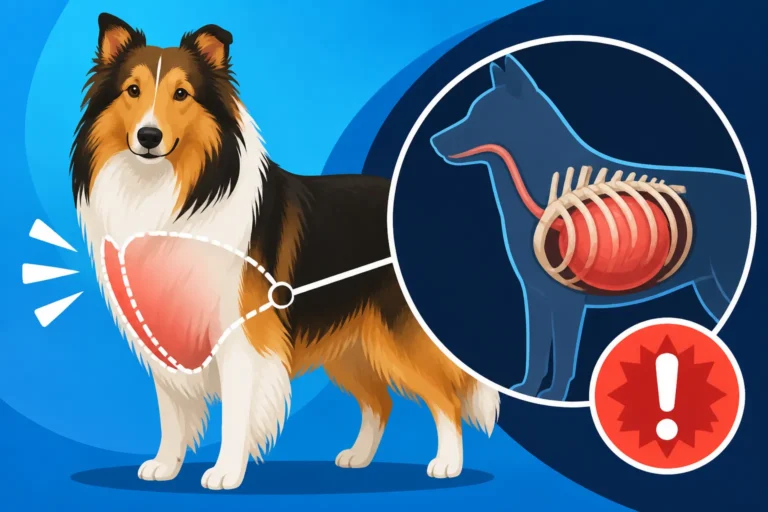
At the heart of Cyclic Neutropenia is a problem with neutrophils, a specific type of white blood cell. Neutrophils are the frontline defenders of the immune system, constantly patrolling the body for bacteria, fungi, and other invading pathogens. When they detect a threat, they rapidly mobilize to engulf and destroy it, playing a critical role in warding off infections. Without a healthy supply of these crucial cells, a puppy is essentially left defenseless.
In Collies affected by Cyclic Neutropenia, the production of neutrophils in the bone marrow doesn't happen at a steady rate. Instead, their neutrophil counts fluctuate dramatically in a cyclic pattern, typically dropping to dangerously low levels every 10 to 12 days. During these periods of severe neutropenia, the puppy's immune system is severely compromised, making them extraordinarily susceptible to even common environmental bacteria that a healthy dog would easily fight off. This recurring vulnerability is what makes the condition so devastating and persistent.
The Impact on Collie Puppies
The consequences of this neutrophil deficiency are dire for affected Collie puppies. From a very young age, usually around eight to twelve weeks, they start exhibiting a range of symptoms indicative of a weakened immune system. These can include recurrent fevers, chronic diarrhea, persistent upper respiratory infections, painful joint inflammation, and skin problems. They often struggle to gain weight and grow at a normal rate, appearing significantly smaller and weaker than their littermates.
Life for a puppy with Cyclic Neutropenia is a constant battle against infection. Each "cycle" brings a new wave of potential illness, and even with intensive veterinary care, these puppies rarely survive beyond two to three years of age. Their bodies simply cannot mount an effective, sustained immune response, leading to a diminished quality of life filled with medical interventions and discomfort. The toll on both the puppy and the owner, emotionally and financially, is immense.
Recognizing Early Signs of Sickness
For those who may unknowingly acquire a Cyclic Neutropenia puppy, recognizing the early signs is crucial for immediate veterinary intervention, though it often only manages symptoms rather than cures the underlying issue. Beyond the characteristic silver-gray or pale fawn coat color that gives the condition its "Gray Collie Syndrome" moniker, owners should be vigilant for a constellation of health issues. Persistent lethargy, a lack of appetite, coughing, sneezing, nasal discharge, or unusually frequent urination and defecation that doesn't resolve are all red flags.
It's not just about one-off sniffles; it's the recurrent nature of these infections and their resistance to standard treatments that should prompt a deeper investigation. If a Collie puppy seems perpetually unwell, isn't thriving, and has an unusual coat color, it warrants an immediate discussion with a veterinarian who is familiar with breed-specific genetic conditions. Early diagnosis, even if tragic, allows for a more informed approach to managing their short lives and preventing further affected offspring.
The Genetics of Cyclic Neutropenia Inheritance
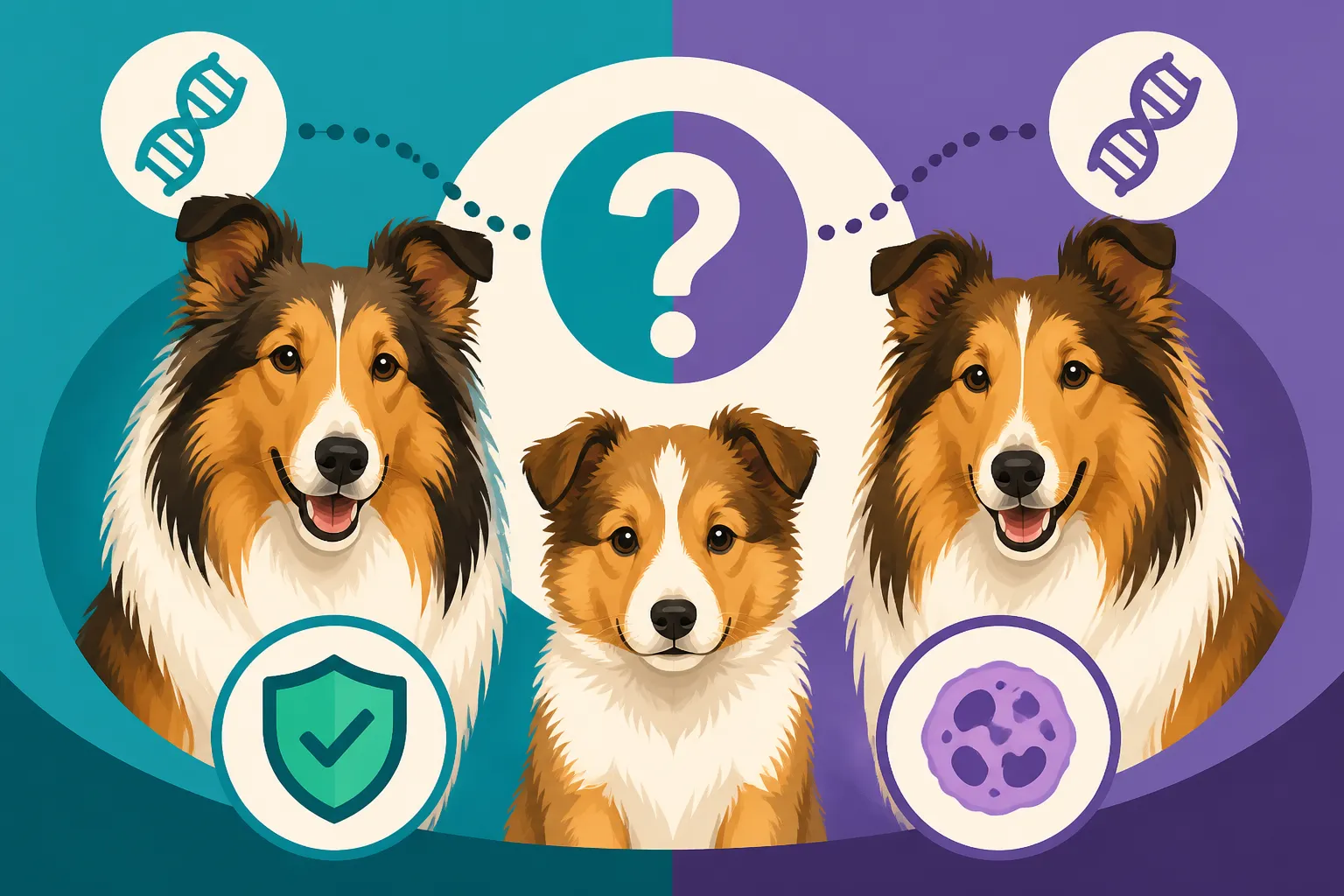
Cyclic Neutropenia is not a random occurrence; it's a textbook example of autosomal recessive inheritance. This means that for a Collie to be affected by the disease, it must inherit two copies of the faulty gene – one from its mother and one from its father. Understanding this genetic mechanism is key to comprehending why both parents play an equal and critical role.
Autosomal Recessive Inheritance Explained
Let's break down what "autosomal recessive" truly means. "Autosomal" simply indicates that the gene responsible for Cyclic Neutropenia is located on a non-sex chromosome, meaning it affects males and females equally. It's not linked to X or Y chromosomes. "Recessive" means that an individual needs two copies of the abnormal gene to express the disease. If a dog has one normal gene and one abnormal (recessive) gene, the normal gene "masks" the effect of the abnormal one, and the dog appears completely healthy. This healthy dog, however, is a "carrier."
Think of it like this: every dog has two copies of each gene. Let's use 'N' for the normal gene and 'cn' for the Cyclic Neutropenia gene.
- NN: The dog has two normal genes. It is "clear" and cannot get Cyclic Neutropenia or pass it on.
- Ncn: The dog has one normal and one affected gene. It is a "carrier." It will not show symptoms of Cyclic Neutropenia but can pass the 'cn' gene to its offspring.
- cncn: The dog has two copies of the affected gene. It will develop Cyclic Neutropenia (Gray Collie Syndrome).
This inheritance pattern is why carriers are so important in genetic diseases; they hold the key to passing the condition on without showing any signs themselves.
Why Both Parents Need to Carry the Gene
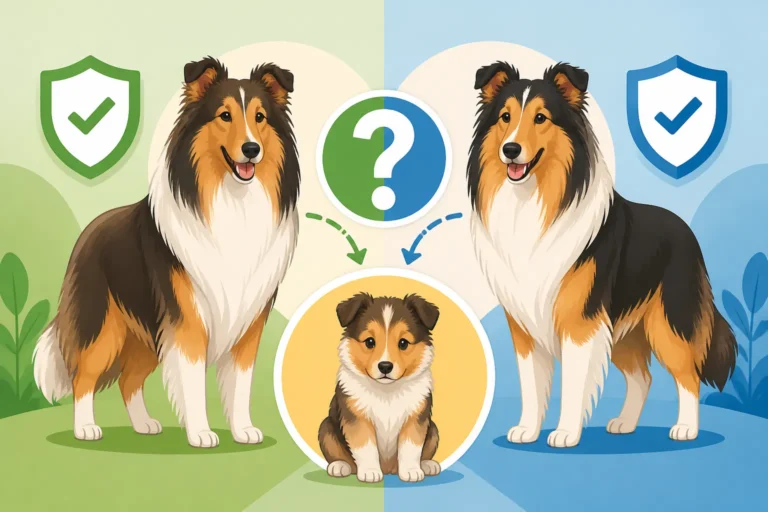
For a puppy to be born with Cyclic Neutropenia (cncn), it absolutely must receive a 'cn' gene from its mother AND a 'cn' gene from its father. This means that both parents, though outwardly healthy themselves, must at least be carriers (Ncn). If even one parent is genetically clear (NN), they cannot pass on the 'cn' gene, and therefore, none of their puppies will be affected, even if the other parent is a carrier. They might produce carriers, but never affected individuals.
This critical detail emphasizes the paramount importance of testing both breeding parents for Cyclic Neutropenia. Without knowing the genetic status of both sire and dam, breeders are essentially rolling the dice, risking the birth of tragically ill puppies. It also highlights why an affected puppy (cncn) must have parents who are at least carriers, even if those parents are never diagnosed themselves without testing.
Predicting Offspring Status
Understanding the possible pairings helps illustrate the probabilities for offspring:
| Parent 1 Status | Parent 2 Status | Offspring Probabilities |
|---|---|---|
| Clear (NN) | Clear (NN) | 100% Clear (NN) |
| Clear (NN) | Carrier (Ncn) | 50% Clear (NN), 50% Carrier (Ncn) |
| Clear (NN) | Affected (cncn) | 100% Carrier (Ncn) |
| Carrier (Ncn) | Carrier (Ncn) | 25% Clear (NN), 50% Carrier (Ncn), 25% Affected (cncn) |
| Carrier (Ncn) | Affected (cncn) | 50% Carrier (Ncn), 50% Affected (cncn) |
| Affected (cncn) | Affected (cncn) | 100% Affected (cncn) |
This table clearly illustrates that only when at least one parent is a carrier (Ncn) and the other parent either a carrier (Ncn) or affected (cncn) can affected puppies be born. The most common scenario leading to affected puppies is the breeding of two carrier parents. This is why breeders committed to responsible practices will always ensure that at least one parent in a breeding pair is genetically clear (NN) for Cyclic Neutropenia, even if they choose to breed a carrier (Ncn) to a clear (NN) dog to preserve desirable traits within the gene pool. You can learn more about specific genetic tests by reading about The Three Genetic Tests a Collie Breeder Owes You.
Identifying Cyclic Neutropenia Carriers and Affected Puppies
Thanks to advances in veterinary genetics, identifying Collies carrying the Cyclic Neutropenia gene or those affected by the condition is now possible and straightforward. This diagnostic capability is a game-changer for responsible breeding and for providing appropriate care to affected puppies.
DNA Testing for Cyclic Neutropenia
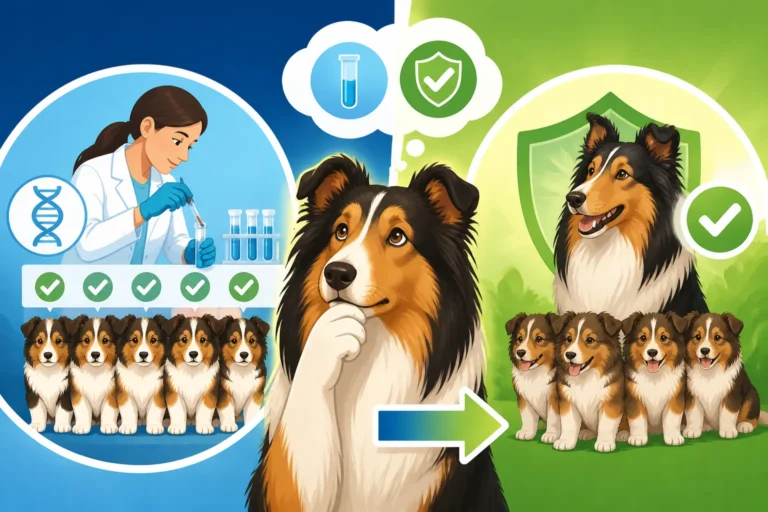
The most definitive and reliable way to determine a Collie's Cyclic Neutropenia status is through a simple DNA test. This test can be performed on a blood sample or, more commonly, a cheek swab collected by the owner or a veterinarian. The sample is then sent to a specialized veterinary genetics laboratory for analysis. The test identifies whether the dog has zero, one, or two copies of the specific gene mutation responsible for Cyclic Neutropenia.
Results are typically reported as "Clear" (NN), "Carrier" (Ncn), or "Affected" (cncn). This molecular test is highly accurate and can be performed at any age, even on young puppies, making it an indispensable tool for breeders planning pairings and for prospective puppy owners vetting their chosen litter. It eliminates the guesswork and provides concrete information, which is critical for making informed decisions. Many reputable labs, such as OptiGen or Paw Print Genetics, offer this specific test, often as part of a larger Collie health panel.
Physical Manifestations: Why Gray Collie Syndrome Puppies Are Silver
While DNA testing is definitive, affected puppies often present with a distinct physical characteristic that gives the condition its unfortunate nickname: "Gray Collie Syndrome." These puppies typically have a dilute, silver-gray coat color, regardless of what their base color would normally be (e.g., a sable will appear pale fawn, a tricolor will have washed-out black areas). This isn't just a minor color variation; it's a visible marker of the underlying genetic defect.
It's important to note that not all gray or diluted-color Collies have Cyclic Neutropenia, as other genes can affect coat color. However, when combined with the clinical signs of recurrent illness and failure to thrive, the silver-gray coat in a Collie puppy is a very strong indicator. This unique coat presentation is a direct result of the same genetic mutation impacting pigment distribution alongside neutrophil production. For more information on this visual cue, consider reading Why Gray Collie Syndrome Puppies Are Silver.
Veterinary Diagnosis Beyond Visual Cues
While the silver coat and chronic illness strongly suggest Cyclic Neutropenia, a veterinarian will conduct further diagnostic tests to confirm the condition and differentiate it from other immune deficiencies or infections. The primary diagnostic tool beyond DNA testing is a complete blood count (CBC). This test will reveal the characteristic cyclic fluctuations in neutrophil count, with periods of severe neutropenia occurring roughly every 10-12 days.
A veterinarian will often perform serial CBCs over several weeks to observe this pattern. During the periods of low neutrophil count, the puppy will be most vulnerable and show the most severe symptoms. Other tests, such as bacterial cultures from recurrent infections, may also be performed to identify secondary pathogens and guide antibiotic treatment. This comprehensive approach ensures an accurate diagnosis, which is vital for proper management and for informing the breeder about the genetic status of the parents. Knowing What Cyclic Neutropenia Does to a Collie Puppy can help you advocate for your pet's diagnostic needs.
Breeding Considerations for Cyclic Neutropenia
Responsible breeding is the cornerstone of preventing devastating genetic diseases like Cyclic Neutropenia. For Collie breeders, understanding the inheritance pattern and utilizing genetic testing isn't just an option—it's an ethical imperative to protect the health and well-being of the breed.
Ethical Breeding Practices
The primary goal of ethical breeding, especially concerning autosomal recessive diseases, is to avoid producing affected puppies. This means that no two Collies who are both known carriers (Ncn) should ever be bred together. The 25% chance of producing affected puppies (cncn) is simply too high a risk to justify, given the severe suffering and short lifespan of dogs born with Cyclic Neutropenia.
Responsible breeders meticulously screen their breeding stock using DNA tests. If a valuable breeding dog is identified as a carrier, it doesn't necessarily mean they must be removed from the breeding program entirely. Instead, they must only be bred to dogs that are genetically clear (NN) for Cyclic Neutropenia. This "carrier to clear" pairing ensures that no affected puppies are produced, while still allowing the transmission of other desirable traits that the carrier might possess. All offspring from such a pairing should then be tested to identify which ones are carriers so that future generations can be managed responsibly.
The Role of Genetic Testing in a Breeding Program
Genetic testing is not a luxury; it's a fundamental requirement for any Collie breeding program. For Cyclic Neutropenia, specifically, DNA testing provides definitive answers about a dog's genetic status, allowing breeders to make informed decisions and prevent the birth of affected puppies. Without this testing, breeders are operating blindly, risking the health of their litters and contributing to the perpetuation of genetic diseases.
A comprehensive approach involves testing all potential breeding animals before they are bred, not after puppies show symptoms. This proactive stance ensures that pairings are planned with health in mind, rather than reacting to a tragic outcome. Reputable Collie breeders should be transparent about their dogs' genetic testing results and readily provide documentation to prospective puppy buyers. This commitment to testing extends beyond Cyclic Neutropenia to other critical conditions affecting Collies, often bundled in a comprehensive health panel that you can read about in What the Collie DNA Health Panel Covers.
Managing the Gene Pool Responsibility
Sometimes, breeders might worry that removing all carriers from the breeding pool could excessively shrink the gene pool, leading to other genetic issues down the line. However, with responsible management, this isn't necessarily the case for a recessive trait like Cyclic Neutropenia. By breeding carriers only to clear dogs, and then testing the offspring to identify new clear or carrier individuals, breeders can maintain genetic diversity while progressively reducing the frequency of the problematic gene.
The key is selective breeding, not wholesale exclusion. When a carrier is bred to a clear dog, half the puppies are expected to be clear and half carriers. The carrier puppies can then be retested, and only those chosen for future breeding would again be paired with clear mates. This methodical approach gradually reduces the prevalence of the 'cn' gene in the population without drastically narrowing the gene pool, ensuring the overall health and vitality of the Collie breed for generations to come. Many insurance providers, like Healthy Paws, recognize the importance of these preventative measures in breed health.
Living with a Gray Collie Syndrome Puppy
Bringing a puppy with Cyclic Neutropenia into your home is an incredibly challenging, often heartbreaking, experience. These puppies require intensive, lifelong care, and despite best efforts, their prognosis remains guarded. However, understanding the commitment required can help owners make informed decisions and provide the best possible quality of life for their special Collie.
Daily Care and Medical Management
The daily life of a Gray Collie Syndrome puppy is dominated by preventing and managing infections. This means scrupulous hygiene, often involving daily cleaning of their living environment, careful attention to wound care, and isolation from potential sources of infection. Their diet needs to be meticulously controlled, often involving prescription foods to support their delicate digestive system and boost immunity. Because of their compromised immune systems, they will frequently require antibiotics, antifungals, and sometimes even antiviral medications to combat the constant barrage of infections.
Regular veterinary visits, often weekly or bi-weekly, are essential to monitor their neutrophil counts and proactively address any emerging health issues. Some owners may opt for specialized treatments like granulocyte colony-stimulating factor (G-CSF) injections, which can temporarily stimulate neutrophil production, though this is a costly and intensive intervention. It's a demanding routine, and understanding How Often a Cyclic Neutropenia Collie Gets Infections underscores the constant vigilance required.
The Emotional Toll on Owners
Beyond the significant financial and time commitment, owning a Gray Collie Syndrome puppy takes an immense emotional toll. Watching a beloved pet battle chronic illness, endure frequent veterinary procedures, and experience periods of severe discomfort is incredibly difficult. Owners often face the anguish of knowing their puppy's life will be cut tragically short, typically not surviving past two or three years of age. This constant state of worry, combined with the often-frustrating cycle of treatment and recurrence, can lead to burnout and profound grief.
Support groups, both online and in person, can be invaluable for owners navigating this journey. Connecting with others who understand the unique challenges and heartbreaks of caring for a dog with a severe chronic genetic condition can provide much-needed emotional solace and practical advice. Pet insurance, such as plans offered by Healthy Paws, can help alleviate some of the financial stress, allowing owners to focus more on care and less on mounting vet bills during these trying times.
Support Resources for Families
Families caring for a Gray Collie Syndrome puppy are not alone. There are several resources available to help them cope with the demands of the condition. Veterinary specialists, particularly internal medicine or immunology experts, can provide advanced care strategies and insights into managing complex cases. Breed-specific rescue organizations often have experience with Cyclic Neutropenia and can offer guidance, connect families with support networks, or even assist with rehoming if the demands become overwhelming.
Online forums and social media groups dedicated to Collie health or specific genetic conditions can also be a goldmine of information, shared experiences, and emotional support from fellow owners. Remember, it's okay to seek help and lean on others during this challenging journey. Focusing on providing comfort and love, even when facing a limited lifespan, is the most important gift an owner can give. For a broader perspective on the condition's severity, you might want to read Whether a Gray Collie Syndrome Puppy Survives.
The Broader Picture of Collie Health Testing
While Cyclic Neutropenia is a critical concern, it's just one piece of the larger puzzle of Collie health. Responsible ownership and breeding extend to understanding and testing for a range of other inherited conditions that can impact the breed's quality of life and longevity.
Beyond Cyclic Neutropenia: Other Crucial Tests
Collies, unfortunately, are predisposed to several other significant genetic health issues that responsible breeders screen for. One of the most well-known is the MDR1 mutation, which can make Collies dangerously sensitive to common veterinary drugs. Assume Your Collie Has the MDR1 Mutation until proven otherwise, as drug reactions can be fatal. Another widespread concern is Collie Eye Anomaly (CEA), a congenital eye disease that can range from mild vision impairment to severe blindness. Collie Eye Anomaly Affects Most Collies, So Ask How Badly is advice every prospective owner should heed.
Dermatomyositis (DMS), a complex autoimmune skin and muscle disease, is another condition that can be screened for through DNA testing, often as part of a risk panel. Understanding Dermatomyositis and the Collie Risk Panel helps owners and breeders make informed decisions. Other conditions like hip and elbow dysplasia, progressive retinal atrophy (PRA), and even certain types of cancer can also have genetic components that are screened for through various health certifications and testing protocols. A truly responsible breeder will address all these concerns.
The Value of a Comprehensive Health Panel
Given the array of genetic predispositions in Collies, relying on a single test is insufficient. A comprehensive health panel, often offered by specialized veterinary genetics laboratories, allows breeders to screen for multiple conditions from one sample. These panels typically include tests for Cyclic Neutropenia, MDR1, CEA, and sometimes DMS markers, among others. This integrated approach saves time and resources and provides a holistic picture of a dog's genetic health.
For prospective puppy owners, insisting on documentation of these comprehensive health panels for both parents is paramount. A breeder who proudly shares these results demonstrates a commitment to the health of their lines and transparency in their practices. Conversely, a breeder who shrugs off such testing or provides vague answers should raise significant red flags. Remember, an upfront investment in health-tested parents can save you immense heartache and expense down the road, making the cost of What a Health Tested Collie Puppy Costs well worth it.
Working with Your Veterinarian and Breeder
Open communication with both your veterinarian and breeder is essential for navigating Collie health. Your breeder should be your first point of contact for questions about your puppy's lineage and genetic health. They should be able to explain the genetic tests performed on the parents and what those results mean for your puppy. If you have concerns about a puppy's health, they might even have insights into potential predispositions based on their breeding lines.
Your veterinarian, ideally one familiar with the specific health concerns of the Collie breed, will be your partner in ongoing care. Share all health records and genetic test results from your breeder with your vet, especially regarding conditions like MDR1, so they can make informed decisions about medications and preventative care. Don't be afraid to ask questions, seek second opinions, and advocate for your Collie's health. Pet insurance companies like Healthy Paws often work closely with veterinarians to ensure proper coverage for inherited conditions, making informed discussions with your vet even more critical.
Disclaimer
Please note that this article provides general informational guidance based on current understanding and best practices. It is not a substitute for professional veterinary advice. Always consult with a qualified veterinarian regarding specific medical conditions, diagnoses, and treatment plans for your individual Collie. Genetic information is complex and can evolve; therefore, seeking up-to-date professional counsel is crucial.