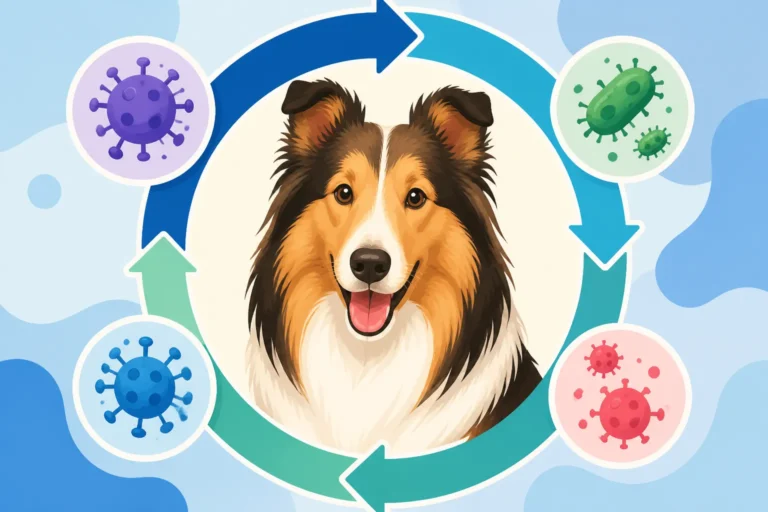
Whether a Gray Collie Syndrome Puppy Survives
The moment you realize your beautiful, silver-gray Collie puppy might be suffering from Gray Collie Syndrome is a punch to the gut. The immediate, heartbreaking question that floods your mind is often, "Will my puppy survive?" It's a devastating diagnosis, and understanding the realities of this rare genetic condition, also known as Canine Cyclic Neutropenia, is crucial for any owner facing such a difficult journey. This guide aims to shed light on the survival rates, the challenges involved, and what you can expect when caring for a puppy with Gray Collie Syndrome.
Understanding Gray Collie Syndrome Canine Cyclic Neutropenia
Gray Collie Syndrome, officially known as Canine Cyclic Neutropenia (CCN), is a severe, inherited disorder primarily affecting Collies. It's not just about a pretty, dilute coat color; it's a profound defect in the immune system that leaves affected puppies incredibly vulnerable. When you first notice that silver-gray coat that's a bit too pale, or your puppy just isn't thriving like their littermates, the alarms in your mind start to ring, and for good reason.
What Exactly Is Gray Collie Syndrome?
At its heart, Gray Collie Syndrome is a genetic disorder that impacts the production and function of neutrophils, a crucial type of white blood cell responsible for fighting off bacterial and fungal infections. Unlike most dogs where neutrophil levels remain relatively stable, in a Gray Collie, these levels cycle dramatically. Every 10 to 12 days, their neutrophil count plummets to dangerously low levels, a period known as neutropenia. During these periods, their immune system is severely compromised, making them highly susceptible to overwhelming infections.
Think of it like this: your dog's immune system usually has a standing army of little soldiers (neutrophils) ready to defend against invaders. For a Gray Collie, every couple of weeks, most of those soldiers vanish for a few days, leaving the gates wide open. This recurring vulnerability is why What Cyclic Neutropenia Does to a Collie Puppy is so devastating; it's a constant battle against the body's own rhythm. They don't just get sick easily; they get dangerously sick easily, from common bacteria that wouldn't bother a healthy pup.
The Inherited Nature of the Condition
Gray Collie Syndrome is an autosomal recessive genetic condition. This means a puppy must inherit two copies of the defective gene—one from each parent—to be affected. If a puppy inherits only one copy, they are considered a carrier, and while they won't develop the syndrome themselves, they can pass the gene on to their offspring. This is why a seemingly healthy pair of parents can produce a Gray Collie puppy, completely blindsiding unsuspecting breeders and owners.
The implications for breeding are profound. It means that to prevent affected puppies, both parents must be clear of the gene or at least one parent must be clear if the other is a carrier. This highlights why genetic testing is so critical in responsible breeding programs. Without proper testing, breeders might unknowingly pair two carriers, leading to the heartbreaking birth of affected puppies. For owners, understanding Whether Both Collie Parents Must Carry Cyclic Neutropenia is key to comprehending how such a rare condition arises and why it's so important for breeders to be transparent about their dogs' genetic health.
The Grim Reality of Survival Rates
This is where the conversation gets truly difficult because the truth about Gray Collie Syndrome and survival is stark. While medical advancements have offered some hope, the overwhelming majority of Gray Collie puppies do not live long, fulfilling lives. It's a cruel twist of genetics that imposes a severe burden from birth.
Why Survival Is So Challenging
The core problem, as we discussed, is the cyclical neutropenia. These periods of dangerously low white blood cell counts mean that even minor infections can quickly become life-threatening. A simple cut, a common puppy cold, or a minor gut upset can escalate rapidly into sepsis or other systemic infections because the body simply doesn't have the tools to fight back effectively. How Often a Cyclic Neutropenia Collie Gets Infections is alarming; they are in a constant state of high alert, and owners must be vigilant.
Beyond the immediate infection risk, these puppies often face a cascade of health issues. They frequently suffer from chronic eye problems, persistent diarrhea, respiratory infections, and joint pain. Their growth is often stunted, and they rarely develop the robust health of a normal Collie puppy. This isn't a condition that "gets better"; it's a chronic, debilitating battle that wears down both the puppy and their devoted owners. The continuous cycle of illness and recovery is not only physically taxing on the dog but also emotionally and financially draining for the people who love them.
Typical Lifespan and Prognosis
The sad reality is that most Gray Collie Syndrome puppies do not survive past their first year of life. Many succumb to severe infections during the critical neutropenic phases within weeks or months of birth. Some may make it into early adulthood, perhaps two or three years, but living much beyond that is incredibly rare. These are typically the cases where owners have dedicated immense resources to round-the-clock care, veterinary interventions, and extreme preventative measures.
The prognosis is, by definition, very poor. It's not just about surviving; it's about the quality of life. A Gray Collie often spends much of its short life battling illness, undergoing treatments, and being isolated to minimize exposure to pathogens. While every owner hopes for a miracle, it's essential to approach this diagnosis with a clear understanding of the severe limitations and profound suffering these puppies endure. This is a far cry from the usual How Long a Collie Lives and What Ends It which typically speaks of a decade or more of joyful companionship.
Managing the Disease: Challenges and Limited Options
Caring for a Gray Collie Syndrome puppy is an immense undertaking, demanding unwavering dedication, constant vigilance, and significant financial resources. While there is no cure, the focus shifts entirely to supportive care aimed at minimizing suffering and extending life for as long as possible, always prioritizing quality over mere existence.
Supportive Care and Infection Prevention
The cornerstone of managing Gray Collie Syndrome is rigorous supportive care and aggressive infection prevention. This means maintaining an almost sterile environment for the puppy, minimizing exposure to common pathogens, and being constantly on the lookout for the slightest sign of illness. Routine activities like going to the dog park or even interacting with other family pets might be severely restricted or entirely off-limits due to the heightened risk of infection.
Owners often find themselves becoming amateur nurses, administering medications, monitoring temperatures, and meticulously cleaning wounds or infections. Regular, often weekly, veterinary visits are common to check blood counts and address any emerging issues. When an infection does strike, which it inevitably will, immediate and intensive antibiotic therapy is critical. Sometimes, puppies are hospitalized for IV fluids and antibiotics during severe neutropenic crises. This constant vigilance is exhausting and expensive, but it's the only way to try and give these fragile puppies a fighting chance.
Medical Interventions and Their Efficacy
Over the years, various medical interventions have been explored, though none offer a true cure. One approach involves administering Granulocyte Colony-Stimulating Factor (G-CSF), a medication that stimulates the bone marrow to produce more neutrophils. While G-CSF can temporarily boost neutrophil counts and potentially shorten the duration or severity of neutropenic episodes, it's not a permanent solution. It's a costly, ongoing treatment that often requires regular injections and frequent monitoring, and it doesn't eliminate the underlying genetic defect.
Another, more radical, and far less common intervention attempted in a few rare cases has been bone marrow transplantation. This is a highly complex, incredibly expensive procedure with significant risks, usually performed at specialized veterinary university hospitals. While theoretically curative, the practical challenges, cost, and availability make it an unrealistic option for most owners. For the vast majority, Whether Gray Collie Syndrome Can Be Treated boils down to managing symptoms and preventing secondary infections, rather than achieving a cure. Even with the best medical care and resources, the daily struggle against infection and the cyclical nature of the disease remain.
Recognizing a Gray Collie Syndrome Puppy
For prospective Collie owners, especially those looking for that distinctive silver-gray coat, it's crucial to understand the subtle (and not-so-subtle) signs of Gray Collie Syndrome. Early recognition can mean the difference between getting appropriate care quickly and prolonged suffering. It also empowers you to make informed decisions when choosing a breeder and a puppy.
Distinctive Physical Characteristics
The most prominent physical characteristic of a Gray Collie Syndrome puppy is, as the name suggests, their coat color. While Collies come in various beautiful shades, including blue merle, sable, and tricolor, Gray Collies have a distinct dilute silver-gray coat, sometimes with hints of blue or purple undertones. This dilute coloration is consistent across their entire body, and they often have a matching dilute nose leather and eye rims, sometimes even pale or amber eyes. This is why it's important to understand Why Gray Collie Syndrome Puppies Are Silver.
However, not all silver-gray puppies are Gray Collies. Blue merle Collies can appear quite silvery as puppies, which can lead to confusion. A key differentiator is often the overall pallor and fragility of an affected puppy. They may also seem smaller or less robust than their littermates. It's a combination of the distinct dilute coloration and the health issues that point to the syndrome, rather than just the color alone. Always consult with a veterinarian who is familiar with the breed if you have concerns about a silver-gray puppy's health.
Early Behavioral Cues
Beyond the physical appearance, Gray Collie puppies often exhibit behavioral cues that signal underlying health problems from a very young age. They might be noticeably more lethargic, less playful, and generally "off" compared to their bustling, energetic siblings. While all puppies have their sleepy moments, a consistent lack of vigor and an inclination to lie down or sleep more than usual are red flags.
Recurrent illness is another major cue. These puppies will frequently get sick, seemingly shaking off one infection only to quickly fall prey to another. They might have persistent digestive issues like diarrhea, frequent respiratory infections leading to coughing or sneezing, or even recurring skin infections. The Age Gray Collie Syndrome Shows in a Puppy is usually very young, typically within weeks of birth, as their immune system struggles to cope with the normal environmental bacteria. If you notice a silver-gray puppy that seems constantly under the weather, is not gaining weight well, or just doesn't seem to thrive, it's imperative to seek immediate veterinary attention and specifically discuss the possibility of Gray Collie Syndrome.
Ethical Considerations for Breeders and Owners
The existence of devastating genetic conditions like Gray Collie Syndrome places a significant ethical burden on breeders to prevent their occurrence and on prospective owners to choose responsibly. This isn't just about preserving the breed; it's about preventing suffering.
The Importance of Genetic Testing
Genetic testing is the most powerful tool we have to combat inherited diseases like Gray Collie Syndrome. Reputable Collie breeders understand their obligation to test their breeding stock for a range of genetic conditions, including Cyclic Neutropenia. There are readily available DNA tests that can identify whether a dog is clear, a carrier, or affected by the gene responsible for CCN. This information is invaluable for making responsible breeding decisions.
Breeders who test their dogs can confidently assure prospective buyers that their puppies will not be affected by Gray Collie Syndrome, provided they avoid breeding two carriers together. This proactive approach not only protects individual puppies from immense suffering but also helps to reduce the prevalence of the gene within the Collie population over time. If you're looking for a Collie puppy, always ask the breeder for proof of genetic testing for the parents. This isn't just a nicety; it's a non-negotiable expectation. You want a breeder who can provide certificates from labs like Optigen or Paw Print Genetics, showing the clear status of both parents. For more on what to expect, consider learning about The Three Genetic Tests a Collie Breeder Owes You.
Responsible Breeding Practices
Responsible breeding goes hand-in-hand with genetic testing. It means understanding the results of those tests and making informed decisions about pairings. A responsible breeder will never knowingly breed two carriers of the Cyclic Neutropenia gene together, as this carries a 25% risk of producing affected puppies. While carriers themselves are healthy, breeding them to a clear dog will still produce carriers, but no affected puppies. The ultimate goal is to breed away from the problematic gene entirely, or at the very least, ensure that no affected puppies are born.
Ethical breeders prioritize the health and welfare of their dogs above all else. They are transparent about their health testing, provide health guarantees, and are committed to supporting their puppies and buyers throughout the dog's life. They also understand the long-term costs of care, and some may recommend pet insurance options like Healthy Paws to future owners, recognizing that even with the best intentions, unforeseen health issues can arise, especially if dealing with a condition that requires constant vigilance. The financial burden of a Gray Collie can be astronomical, from countless vet visits to specialized medications. Having a plan for the future, whether it's an emergency fund or a robust insurance policy, can make a world of difference.
Distinguishing Gray Collie Syndrome from Normal Puppy Variations
Given the striking silver-gray coat, it's easy to confuse a Gray Collie Syndrome puppy with other coat patterns in Collies. However, making the correct distinction is vital for a puppy's health and prognosis.
Comparing Coat Colors and Patterns
Collies come in a beautiful array of colors, and some can look quite similar to a Gray Collie on first glance. The most common point of confusion is often with blue merle Collies. A blue merle Collie has patches of gray, black, and sometimes tan, often giving them a marbled or mottled appearance. Their gray patches can be very light, almost silver. However, a blue merle will typically have some darker black markings, and usually a black nose and eye rims, unlike the overall dilute gray and typically dilute nose of a Gray Collie.
Another point of distinction can be their eyes. While some blue merles can have blue eyes, or "walleyes," a Gray Collie with the diluted coat might also have unusually pale blue or amber eyes, which adds to the overall dilute appearance. Learning Whether a Silver Collie Puppy Always Has the Syndrome is crucial here; the answer is no. A blue merle puppy might appear silver, but genetically, they are very different. If you have any doubt about the exact color genetics of a puppy, genetic testing for coat color can be performed, or a veterinarian experienced with Collies can offer insight. The presence of the specific genetic mutation for Cyclic Neutropenia is the definitive diagnostic, not just the coat color alone.
When to Seek Professional Confirmation
If you have a silver-gray puppy, regardless of how healthy they seem initially, it is absolutely essential to seek veterinary confirmation, particularly if the breeder did not provide genetic testing results for Cyclic Neutropenia. As mentioned, The Age Gray Collie Syndrome Shows in a Puppy is very young. Ideally, puppies should be tested early, or at the very least, their parents should have been tested before breeding.
A veterinarian can perform a complete blood count (CBC) to check neutrophil levels. If neutropenia is detected, especially if it's recurrent or cyclical, further genetic testing can confirm the diagnosis of Gray Collie Syndrome. This test, Whether Cyclic Neutropenia Has a DNA Test in Collies, is widely available and provides a definitive answer. Don't delay if you have concerns, as early diagnosis, while heartbreaking, allows for appropriate care and management strategies to be put in place, and helps ensure the puppy's short life is as comfortable as possible. This is not a condition to "wait and see" with; prompt action is always best.
Life with a Gray Collie Syndrome Puppy
Bringing a Gray Collie Syndrome puppy into your home means preparing for a journey filled with unique challenges, immense love, and ultimately, profound grief. It's a commitment unlike any other, demanding emotional resilience and a deep understanding of the dog's specific needs.
The Emotional and Financial Toll
There's no sugarcoating it: living with a Gray Collie Syndrome puppy takes a tremendous emotional and financial toll. Emotionally, it's a constant roller coaster of hope and despair. Every fever, every bout of lethargy, every minor cough can send you spiraling into worry, knowing the underlying fragility of their immune system. Witnessing a beloved pet suffer, often chronically, is incredibly hard, and the anticipatory grief can be heavy.
Financially, the costs can quickly mount into the thousands. Regular vet visits, specialized medications, emergency treatments for infections, and potentially even hospitalization are common occurrences. Even with careful budgeting, these unexpected and frequent medical expenses can strain a household's finances. This is where pet insurance, such as a policy from Healthy Paws, might become a consideration for some owners, though specific coverage for pre-existing or congenital conditions should always be thoroughly investigated and understood before purchasing. While it's not a solution to the suffering, having some financial support can alleviate one layer of stress. Considering What a Collie's First Year Costs usually, a Gray Collie will multiply that expense significantly.
Making Difficult Decisions
Ultimately, owners of Gray Collie Syndrome puppies often face the heartbreaking decision of when to say goodbye. Given the chronic nature of the disease, the recurrent infections, and the severely shortened lifespan, there comes a point where continued treatment may no longer be in the puppy's best interest. When the puppy's quality of life diminishes to a point where suffering outweighs comfort and joy, making the decision for humane euthanasia becomes an act of profound love.
This decision is deeply personal and incredibly difficult, requiring open and honest conversations with your veterinarian about the puppy's prognosis and current quality of life. It's about prioritizing their comfort and peace over our own desire to keep them with us. While the journey with a Gray Collie is undoubtedly painful, the love and care provided during their short lives are immeasurable, leaving an indelible mark on the hearts of those who dedicate themselves to these special, fragile creatures.
Disclaimer
This article is intended for informational purposes only and does not constitute professional veterinary advice. Always consult with a qualified veterinarian for any health concerns or before making any decisions about your pet's care.